
Experimental research design is a cornerstone of scientific inquiry, a systematic approach that allows us to establish cause-and-effect relationships. It’s not just for laboratories and white coats; its principles are profoundly relevant and actively employed across the dynamic landscapes of technology, branding, and finance. In a world driven by rapid innovation and data-driven decision-making, understanding experimental research design is crucial for anyone looking to push boundaries, optimize strategies, and achieve measurable success.
At its core, experimental research design is about actively manipulating one or more variables (independent variables) to observe their effect on another variable (dependent variable), while controlling for extraneous factors that could influence the outcome. This controlled manipulation allows researchers to isolate the impact of specific interventions and draw conclusions with a higher degree of confidence than observational studies. Think of it as a carefully orchestrated test to see what happens when you change one thing, all while keeping everything else the same.
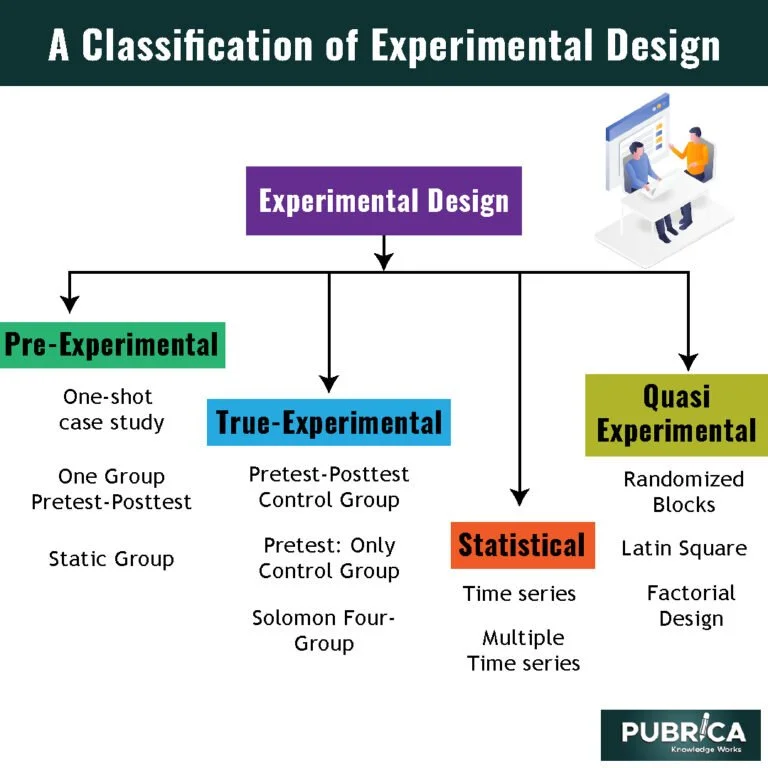
The power of experimental research lies in its ability to move beyond correlation – the observation that two things tend to happen together – to causation – the understanding that one thing directly causes another. This distinction is paramount in fields like tech, where new products and features are constantly being developed; branding, where marketing campaigns are tested for effectiveness; and finance, where investment strategies are evaluated. Without rigorous experimental design, we’d be left guessing about what truly drives success.
The Pillars of Experimental Research Design: Control, Manipulation, and Measurement
Before diving into specific applications, it’s essential to grasp the fundamental components that underpin any effective experimental research design. These pillars ensure the validity and reliability of the findings.
Control: The Foundation of Reliable Results
Control is arguably the most critical element of experimental research. It involves minimizing or eliminating the influence of extraneous variables that could confound the results. In essence, control ensures that any observed effect on the dependent variable can be attributed solely to the manipulation of the independent variable.
- Control Groups: A key aspect of control is the establishment of control groups. These groups do not receive the experimental treatment or manipulation. By comparing the outcomes of the experimental group (which receives the treatment) to the control group, researchers can isolate the true impact of the intervention. For example, in testing a new AI-powered productivity app, one group of users might use the app, while a control group continues with their usual workflow without the app. The difference in their productivity levels would then be attributed to the app.
- Randomization: To ensure that groups are as similar as possible at the outset and to prevent systematic bias, randomization is employed. Participants are randomly assigned to either the experimental or control group. This helps to distribute any pre-existing differences among participants evenly across the groups, making it more likely that any observed differences in outcomes are due to the experimental manipulation itself.
- Standardization: All aspects of the experimental procedure that are not the independent variable should be standardized. This includes instructions given to participants, the environment in which the experiment is conducted, and the way data is collected. Standardization ensures that the only significant difference between the groups is the variable being tested.
Manipulation: The Engine of Discovery
Manipulation is the active process where the researcher deliberately changes or introduces the independent variable. This is what differentiates experimental research from observational studies. The researcher isn’t just observing what happens; they are actively causing something to happen to see its effect.
- Independent Variables: These are the factors that the researcher manipulates or changes. They are the presumed causes in a cause-and-effect relationship. In tech, this could be a new algorithm, a different user interface element, or a specific feature. In branding, it might be a new advertising slogan, a revised logo, or a change in pricing strategy. In finance, it could be a new investment model or a different trading frequency.
- Dependent Variables: These are the outcomes that are measured to see if they are affected by the manipulation of the independent variable. They are the presumed effects. For instance, in tech, a dependent variable could be user engagement, conversion rates, or task completion time. For branding, it might be brand recall, customer satisfaction, or sales figures. In finance, it could be portfolio returns, risk levels, or the speed of transaction processing.
Measurement: Quantifying the Impact
Accurate and reliable measurement is essential for quantifying the impact of the independent variable on the dependent variable. Without precise measurement, the findings of an experiment would be subjective and difficult to interpret.
- Operational Definitions: Each variable needs to be clearly and concretely defined in terms of how it will be measured. This is known as operationalization. For example, if the dependent variable is “user satisfaction” for a new app, an operational definition might be the average score on a post-use survey with specific Likert scale questions.
- Data Collection Methods: A variety of data collection methods can be used, depending on the nature of the variables and the experimental design. These can include surveys, interviews, direct observation, performance metrics, and analysis of digital footprints. The chosen method must be appropriate for capturing the intended data accurately.
- Statistical Analysis: Once data is collected, statistical analysis is used to determine whether the observed differences between groups are statistically significant, meaning they are unlikely to have occurred by chance. This helps in confirming or refuting the hypothesis about the cause-and-effect relationship.
Applying Experimental Design: Innovation in Tech, Brand, and Money
The principles of experimental research design are not confined to academic pursuits; they are vital tools for driving innovation, optimizing strategies, and making informed decisions in today’s competitive environments.
Experimental Research in Tech: Iterating for User Success
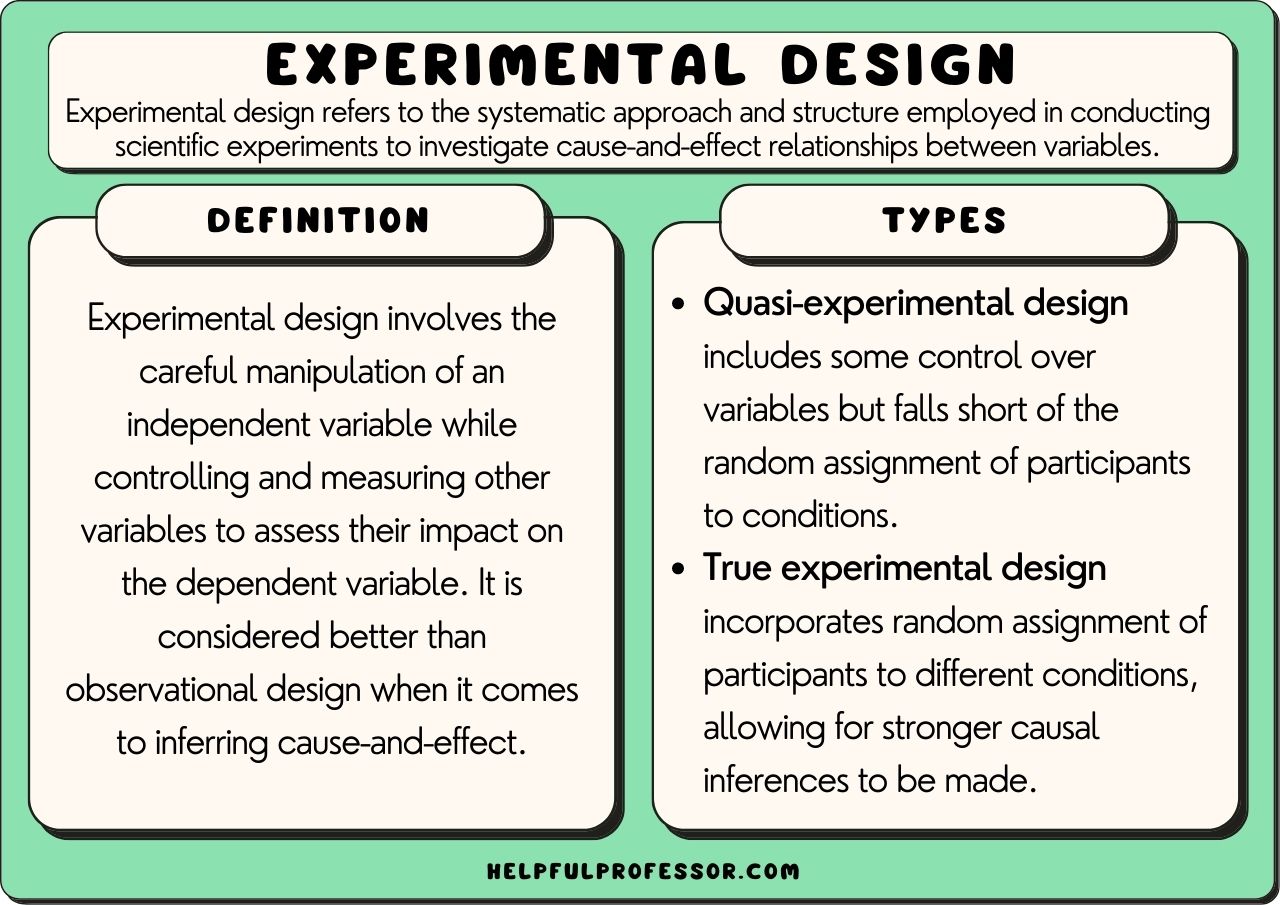
The tech industry is a hotbed of experimentation. From optimizing user interfaces to testing new algorithms, experimental design is embedded in the development lifecycle.
A/B Testing and User Experience Optimization
- What it is: A/B testing, a common form of experimental design, involves comparing two versions of a webpage, app screen, or marketing email (Version A and Version B) to see which performs better. One version is shown to a segment of users, while the other is shown to another segment.
- Application: Tech companies use A/B testing to make incremental improvements that have a significant cumulative impact. This can include testing different button colors, headlines, call-to-action placements, onboarding flows, or even entire feature sets. The goal is to identify the version that leads to higher conversion rates, increased engagement, or improved user satisfaction.
- Example: A software company might A/B test two different sign-up forms for their premium service. Version A might have fewer fields, while Version B has more. By tracking conversion rates, they can determine which form is more effective at encouraging sign-ups, thereby optimizing their user acquisition funnel.
Algorithm Development and Performance Tuning
- What it is: When developing and refining AI algorithms, particularly in areas like machine learning and predictive analytics, experimental design is crucial for evaluating their effectiveness.
- Application: Researchers and engineers design experiments to test different model architectures, hyperparameter settings, and training datasets. They then measure performance metrics such as accuracy, precision, recall, or F1-score to identify the optimal configuration.
- Example: An e-commerce platform might use experimental design to test different recommendation algorithms. They could deploy various algorithms to different user segments and measure metrics like click-through rates on recommended products and subsequent purchase behavior. This allows them to identify the algorithm that most effectively drives sales and customer satisfaction.
Experimental Research in Brand: Building Resonance and Driving Engagement
For brands, experimental research is essential for understanding consumer behavior, testing marketing messages, and building stronger connections with their target audiences.
Marketing Campaign Effectiveness
- What it is: Before launching a large-scale marketing campaign, brands often conduct controlled experiments to assess the potential impact of different strategies.
- Application: This can involve testing various advertising creatives, media channels, or promotional offers on smaller, representative sample groups. The aim is to determine which approaches yield the best results in terms of brand awareness, lead generation, or sales conversion.
- Example: A consumer goods company planning a new product launch might run test campaigns in specific geographic markets. They could vary the advertising message or the type of media used in different test markets and then measure sales performance, brand recall through surveys, and social media sentiment. This data informs the broader launch strategy.
Pricing and Product Strategy
- What it is: Experimental design can be used to determine optimal pricing points and to test the appeal of new product features or variations.
- Application: This might involve conducting price sensitivity studies or offering different product bundles to various customer segments. The observed purchasing behavior and revenue generated provide insights for strategic decisions.
- Example: A subscription service might experiment with different subscription tiers and pricing levels for new users. They could offer a discounted introductory rate to one group, a slightly higher rate with more features to another, and so on. By tracking conversion rates and customer lifetime value, they can identify the pricing structure that maximizes both customer acquisition and long-term profitability.
Experimental Research in Money: Optimizing Investments and Financial Operations
The financial world, with its inherent risks and the constant pursuit of efficiency, heavily relies on experimental approaches to refine strategies and manage resources.
Investment Strategy Evaluation
- What it is: Financial institutions and individual investors often use experimental principles to test the efficacy of different trading strategies or asset allocation models.
- Application: This can involve backtesting strategies on historical data or, more rigorously, conducting simulated trading environments or even live pilot programs with small amounts of capital. The performance of these experimental strategies is then compared to benchmarks or existing approaches.
- Example: A hedge fund might develop a new algorithmic trading strategy. They would then design an experiment to test this strategy by deploying it in a simulated trading environment for a defined period. They would meticulously track its returns, risk-adjusted performance, and correlation with market movements, comparing it against their existing strategies.
Personal Finance and Behavioral Economics
- What it is: Experimental research can shed light on how individuals make financial decisions and how to encourage more beneficial financial behaviors.
- Application: Behavioral economists and personal finance experts design experiments to understand factors influencing saving habits, investment choices, and debt management. This could involve testing different nudges or prompts designed to encourage positive financial actions.
- Example: A financial wellness platform might run an experiment to see if sending personalized savings reminders via text message increases users’ average monthly savings contributions. They could compare the savings behavior of users who receive the reminders to a control group that does not, thus understanding the effectiveness of this behavioral intervention.
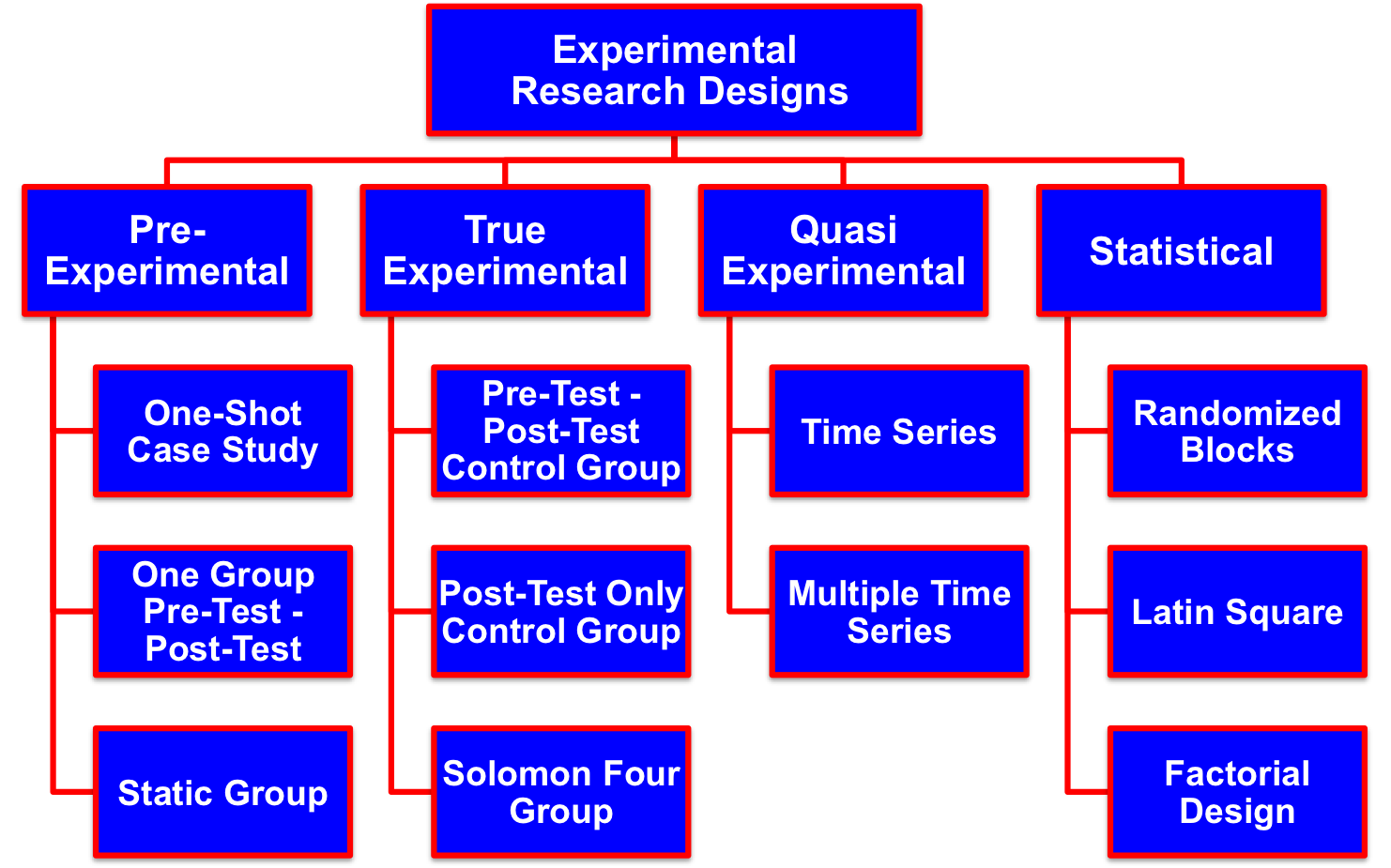
Conclusion: The Enduring Power of the Experiment
Experimental research design is a versatile and powerful methodology. By systematically manipulating variables, controlling for confounding factors, and diligently measuring outcomes, it provides the foundation for robust insights and informed decision-making. Whether you’re a tech innovator pushing the boundaries of what’s possible, a brand striving to connect with consumers on a deeper level, or a financial strategist seeking to optimize returns and manage risk, embracing the principles of experimental research design is not just beneficial – it’s essential for navigating the complexities of the modern world and driving meaningful progress. It is the engine of discovery, the guarantor of reliability, and the pathway to unlocking true innovation.
aViewFromTheCave is a participant in the Amazon Services LLC Associates Program, an affiliate advertising program designed to provide a means for sites to earn advertising fees by advertising and linking to Amazon.com. Amazon, the Amazon logo, AmazonSupply, and the AmazonSupply logo are trademarks of Amazon.com, Inc. or its affiliates. As an Amazon Associate we earn affiliate commissions from qualifying purchases.