
While the initial impression might be that “dog cherry eye” is a whimsical or perhaps even unrelated topic to the core interests of technology, branding, and finance, delving deeper reveals fascinating connections. Understanding a common veterinary issue like cherry eye in dogs can surprisingly intersect with these fields, offering insights into data analysis, the impact of visual perception on branding, and even the financial considerations of pet ownership.
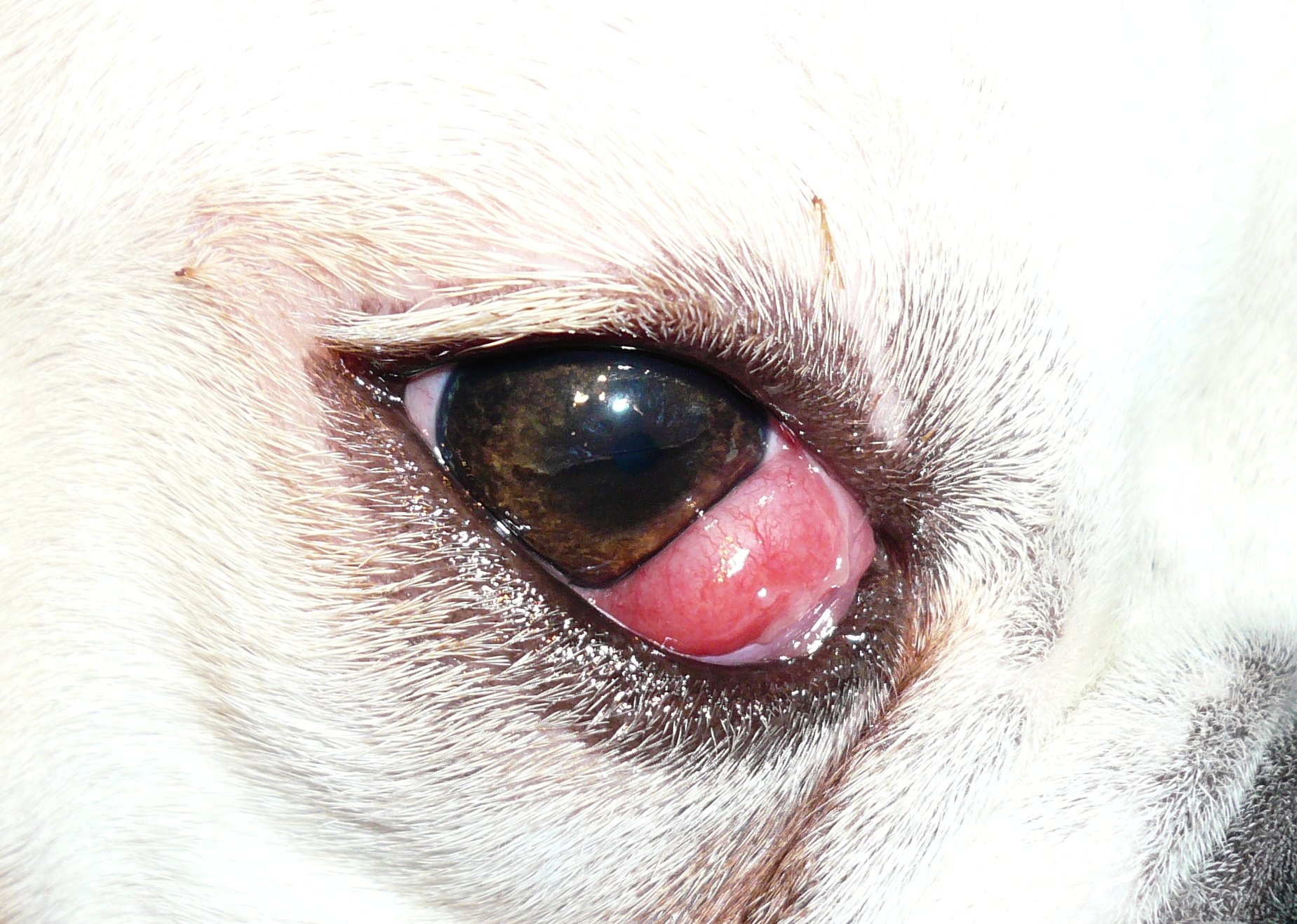
At its heart, dog cherry eye, medically known as prolapsed nictitating membrane gland, is a condition affecting the third eyelid of a dog’s eye. This third eyelid, also called the nictitating membrane, is a thin, protective membrane that sweeps across the eye to moisturize and shield it. Nestled within this eyelid is a tear-producing gland. When this gland prolapses, it appears as a red, fleshy lump protruding from the corner of the dog’s eye, often near the nose. The “cherry” in cherry eye refers to the appearance of this swollen gland.
The Anatomy of a Prolapsed Gland: Understanding the “Why”
To truly grasp what cherry eye is, it’s essential to understand the normal anatomy of a dog’s eye and the function of the nictitating membrane. This third eyelid plays a crucial role in maintaining ocular health.
The Role of the Third Eyelid
The nictitating membrane is more than just a simple flap of tissue. It contains:
- Cartilage: This provides structural support, allowing the membrane to sweep smoothly across the cornea.
- A Gland: Located within the cartilage, this gland produces a significant portion of the tear film, contributing to lubrication and cleansing of the eye’s surface.
- Lymphoid Tissue: This tissue helps to fight off potential infections.
The primary function of the third eyelid is to provide an additional layer of protection and lubrication. It can sweep across the eye in response to stimuli such as dust, debris, or even as the dog blinks. This action helps to distribute tears evenly, removing foreign particles and keeping the cornea moist.
What Goes Wrong: The Prolapse Mechanism
Cherry eye occurs when the connective tissue that normally anchors this gland in place weakens or tears. This allows the gland to bulge out from its normal position, creating the characteristic visible lump. The exact reasons for this weakening are not always fully understood, but several factors are believed to contribute:
- Genetics: Certain breeds are predisposed to developing cherry eye. These include breeds like Beagles, Bulldogs, Cocker Spaniels, Basset Hounds, and other brachycephalic (short-nosed) breeds. This suggests a genetic predisposition in the structure of their eye sockets or the connective tissues within the eyelid.
- Developmental Issues: In some cases, the gland might be congenitally malformed or the supporting structures may not have developed adequately, making prolapse more likely.
- Inflammation or Trauma: While not the primary cause of the initial prolapse, inflammation or minor trauma to the eye can sometimes exacerbate an existing weakness or even trigger a prolapse in a predisposed individual.
It’s important to note that cherry eye is not typically a painful condition for the dog itself, although the protruding gland can be irritating and susceptible to injury or infection. The visual disruption and potential for secondary issues are the primary concerns for pet owners and veterinarians.
Visualizing the Condition: Identifying and Diagnosing Cherry Eye
From a purely visual standpoint, cherry eye is often unmistakable. However, a veterinarian will perform a thorough examination to confirm the diagnosis and rule out other potential eye issues.
The Visual Clues
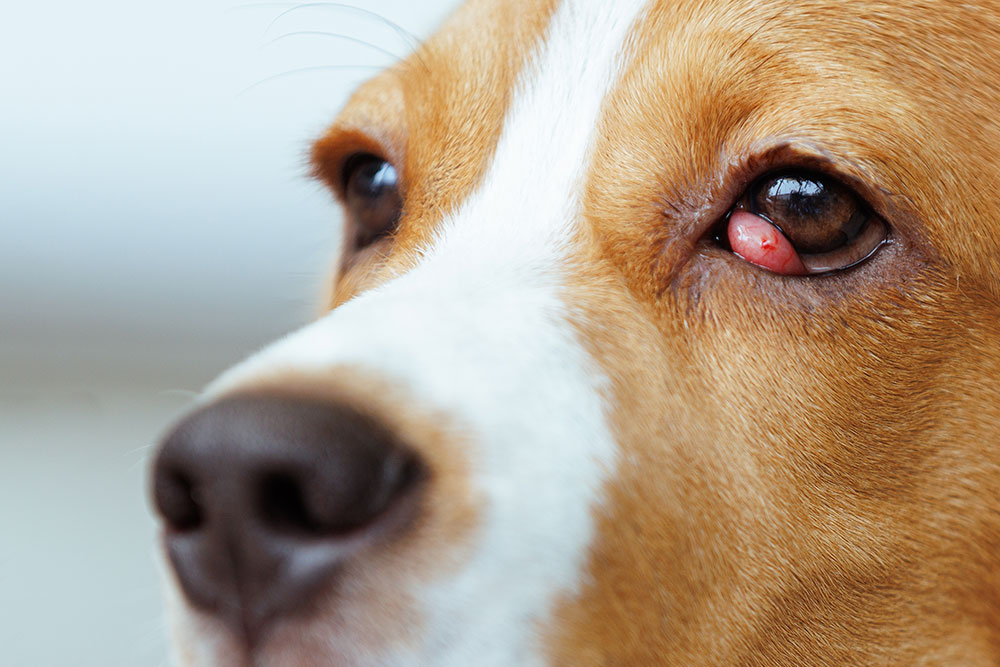
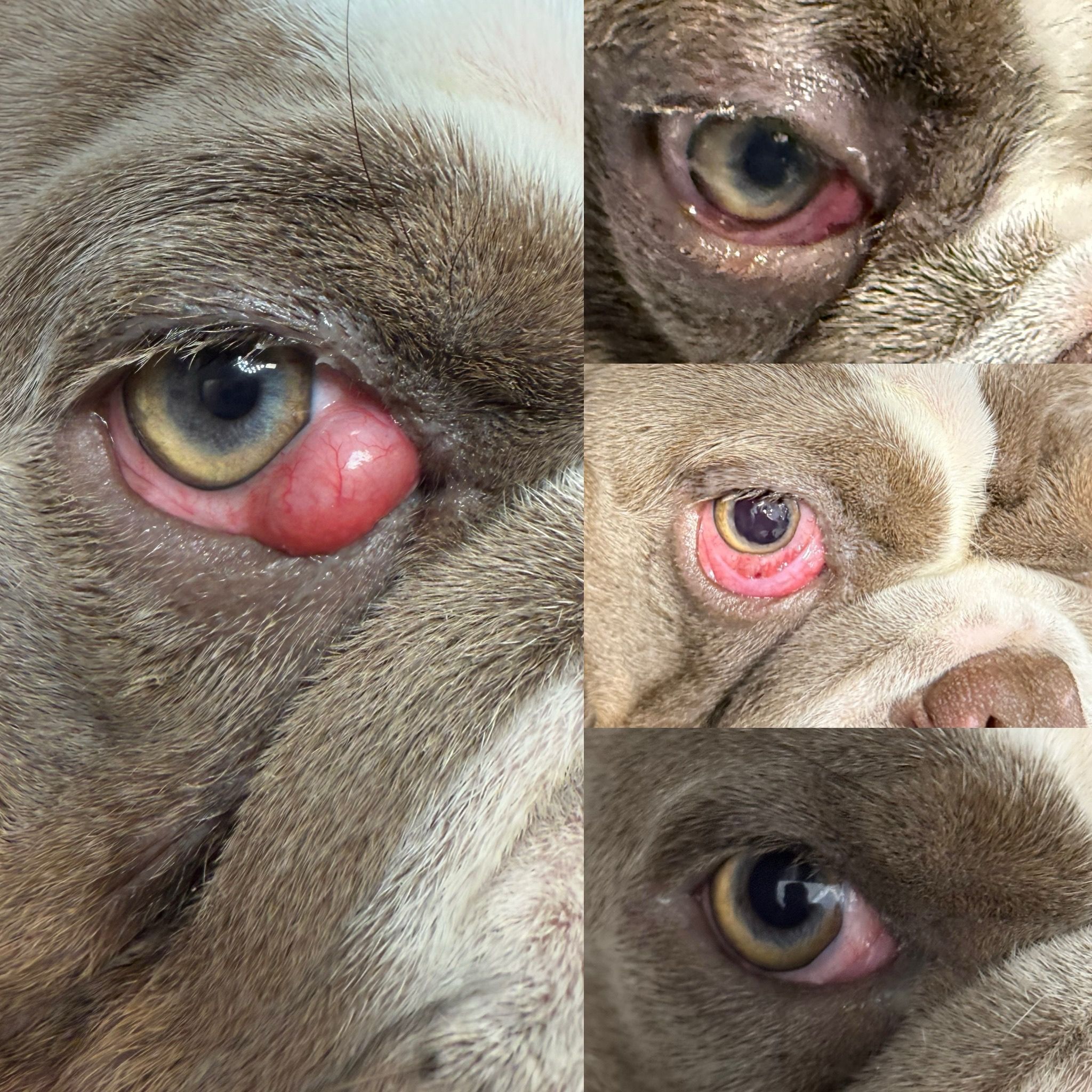
The most obvious sign of cherry eye is the appearance of a red, cherry-like mass protruding from the inner corner of the dog’s eye. This mass can vary in size, from a small pea to a larger bump. It is typically located on the nasal side of the eye, where the third eyelid originates.
Other potential symptoms that may accompany cherry eye include:
- Excessive Tearing (Epiphora): The prolapsed gland may not produce tears efficiently or may cause irritation, leading to increased tear production.
- Discharge: A watery or mucoid discharge might be present, especially if the gland becomes irritated or infected.
- Redness and Swelling: The surrounding conjunctiva (the pink tissue lining the eyelid) may appear red and inflamed.
- Paw-Rubbing or Squinting: The dog might paw at its eye or squint in an attempt to relieve discomfort or clear debris.
- Dry Eye: While the prolapsed gland is a tear producer, its displacement can disrupt the overall tear film balance, potentially leading to dry eye (keratoconjunctivitis sicca) in the long run, particularly if not treated.
The Diagnostic Process
A veterinarian will typically:
- Perform a Physical Examination: This involves a visual inspection of the eye, noting the size, location, and appearance of the mass.
- Conduct an Ophthalmic Examination: This may involve using a biomicroscope (slit lamp) to examine the eye in detail, assessing the cornea, conjunctiva, and other structures.
- Schirmer Tear Test: This test measures tear production to assess for underlying dry eye, which is a critical consideration before surgical intervention.
- Fluorescein Stain Test: This test helps to detect corneal ulcers or abrasions, which can occur due to the exposed gland or secondary trauma.
Accurate diagnosis is crucial because while cherry eye is common, other, more serious eye conditions can sometimes mimic its appearance. Prompt veterinary attention ensures the correct treatment plan is implemented.
The Path to Recovery: Treatment and Management Strategies
Fortunately, cherry eye is often a treatable condition. The goal of treatment is to return the gland to its proper position and restore its function, preventing recurrence and potential complications.
Surgical Intervention: The Gold Standard
The most common and effective treatment for cherry eye is surgery. The procedure aims to reposition the prolapsed gland back into its anatomical pocket within the third eyelid. There are a few surgical techniques, but the most frequently employed methods include:
- Tacking or Suturing: This involves carefully suturing the gland back into place. The sutures are typically placed in a way that tucks the gland securely within the orbital rim of the third eyelid. This technique is often favored as it preserves the tear-producing gland, which is vital for eye health.
- Pocket Technique: In this method, a small “pocket” is created in the conjunctiva of the third eyelid, and the prolapsed gland is then tucked into this pocket and secured with sutures.
- Resection (Less Common): In cases where the gland is severely damaged, inflamed, or recurrent after other treatments, it might be surgically removed. However, this is generally avoided if possible because of the gland’s significant contribution to tear production. Removing it can significantly increase the risk of developing dry eye, requiring lifelong management.
The success rate of these surgical procedures is generally high, especially when performed by experienced veterinary surgeons. However, as with any surgery, there are risks, including infection, suture dehiscence (stitches coming apart), and recurrence of the prolapse.
Post-Operative Care and Management
Following surgery, diligent post-operative care is essential for successful healing and to prevent complications:
- Medications: The veterinarian will prescribe antibiotic eye drops and anti-inflammatory medications to prevent infection and reduce swelling.
- E-Collar (Cone of Shame): To prevent the dog from rubbing or scratching at the surgical site, an Elizabethan collar is usually mandatory for a period of one to two weeks.
- Rest and Activity Restriction: Strenuous activity and rough play should be avoided to allow the surgical site to heal properly.
- Follow-up Appointments: Regular check-ups with the veterinarian are important to monitor healing progress and ensure the gland remains in place.
Long-Term Considerations and Prevention
While surgery is often curative, there are some long-term considerations:
- Risk of Dry Eye: Even with successful surgery, some dogs may develop a predisposition to dry eye later in life, particularly if the gland was significantly affected or if the surgical technique led to impaired tear production. Regular monitoring of tear production may be recommended.
- Recurrence: While uncommon, cherry eye can sometimes recur, especially if the underlying genetic predisposition is strong or if post-operative care is not followed diligently.
- Breeds at Risk: For owners of breeds prone to cherry eye, it’s important to be aware of the signs and to have regular veterinary check-ups. Early detection and intervention can lead to better outcomes.
Beyond the Eyeball: The Wider Implications
The discussion of “dog cherry eye” might seem purely veterinary, but it offers interesting parallels and lessons that extend into the realms of technology, branding, and finance.
Tech Parallels: Data Analysis and Predictive Modeling
The study of cherry eye, particularly its genetic predispositions and contributing factors, mirrors the work done in technology with data analysis. Researchers collect data on breed, age, environmental factors, and surgical outcomes to identify patterns and predictors. This is analogous to how AI and machine learning are used to analyze vast datasets to identify trends, predict consumer behavior, or optimize software performance.
- Identifying Risk Factors: Just as veterinarians identify breeds prone to cherry eye, tech companies analyze user data to predict churn rates or identify segments likely to adopt new features.
- Predictive Maintenance: In a similar vein to anticipating potential eye issues in certain breeds, predictive maintenance in technology uses sensors and data to anticipate equipment failures before they occur.
- Algorithmic Solutions: The search for the most effective surgical techniques for cherry eye can be seen as an ongoing process of algorithmic refinement – seeking the optimal solution through iterative improvements based on observed outcomes.
Branding and Visual Perception
The outward appearance of cherry eye, a noticeable anomaly, directly impacts how owners perceive their pet’s health and well-being. This is a powerful lesson in branding.
- Brand Identity: A healthy, bright-eyed dog contributes to a positive perception of responsible pet ownership. Cherry eye, as a visible issue, can create a visual disruption to this ideal brand image of a pet.
- Emotional Connection: The “cute” factor of dogs is a significant part of their brand. When a dog exhibits a visible health issue, it can evoke concern and a desire for immediate resolution, highlighting the importance of maintaining a positive visual presentation, even for our pets.
- Trust and Reliability: For a veterinary practice, successfully treating cherry eye and ensuring a good outcome reinforces their brand of competence and care. Conversely, complications or recurrences can negatively impact their reputation.
Financial Aspects: The Cost of Canine Care
The decision to treat cherry eye, and the associated costs, falls squarely within the realm of money and personal finance for pet owners.
- Investment in Health: Treating cherry eye is an investment in the long-term health and quality of life for a beloved pet. Understanding the costs involved is crucial for financial planning.
- Insurance and Savings: Pet insurance policies can cover a significant portion of surgical costs, highlighting the role of financial tools in managing unexpected veterinary expenses. For those without insurance, having emergency savings is paramount.
- Cost-Benefit Analysis: Owners must weigh the cost of surgery against the potential long-term consequences of leaving the condition untreated, such as chronic discomfort, increased risk of infection, or even dry eye requiring lifelong medication. This is a form of cost-benefit analysis, similar to evaluating investment opportunities.
- Breed-Specific Considerations: As noted, certain breeds are more prone to cherry eye. This can be a factor for potential owners to consider when budgeting for future pet healthcare, adding another layer to the financial planning of pet ownership.
In conclusion, while “what is dog cherry eye” might seem like a niche topic, exploring it reveals how even seemingly unrelated subjects can be interwoven. From the analytical approaches used in technology to the visual impact on brand perception and the financial planning required for pet care, the understanding and management of cherry eye offer a microcosm of broader principles across various disciplines.
aViewFromTheCave is a participant in the Amazon Services LLC Associates Program, an affiliate advertising program designed to provide a means for sites to earn advertising fees by advertising and linking to Amazon.com. Amazon, the Amazon logo, AmazonSupply, and the AmazonSupply logo are trademarks of Amazon.com, Inc. or its affiliates. As an Amazon Associate we earn affiliate commissions from qualifying purchases.