
In the vast landscape of the business world, companies come in various forms, each structured to achieve specific goals, attract certain types of capital, and operate under distinct regulatory frameworks. Among the most fundamental distinctions lies the difference between a private company and a public company. While both aim to generate profit and provide goods or services, their ownership structures, funding mechanisms, operational transparency, and strategic considerations diverge significantly. Understanding these differences is crucial not only for entrepreneurs and investors but also for consumers, employees, and anyone interested in the dynamics of the global economy, particularly as they intersect with technology, brand strategy, and financial markets.
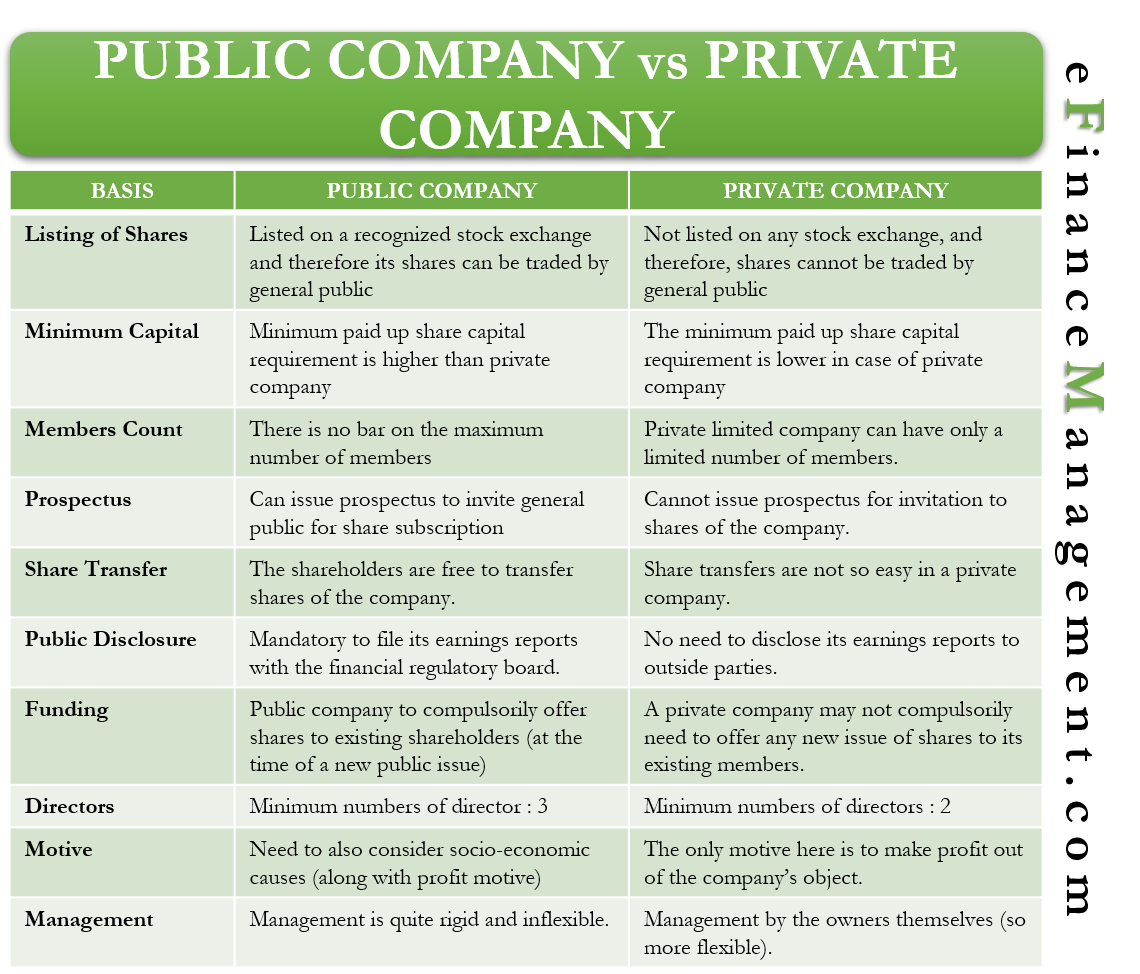
At its core, the distinction boils down to who owns the company and how its shares are traded. A private company is typically owned by a small group of individuals, often founders, families, or private equity firms, and its shares are not offered to the general public on a stock exchange. A public company, conversely, has sold a portion of its ownership to the public through an Initial Public Offering (IPO), allowing its shares to be bought and sold freely on open stock markets. This fundamental difference ripples through every aspect of a company’s existence, influencing everything from its financial reporting and decision-making processes to its brand image and ability to innovate.
The Fundamental Distinction: Ownership, Capital, and Control
The primary differentiator between private and public companies lies in their ownership structure and how they access capital, which in turn dictates the level of control and external scrutiny they face. This is particularly relevant in the modern economy, where technological innovation, brand reputation, and shrewd financial management are key to success.
Private Companies: Control, Restricted Ownership, and Niche Growth
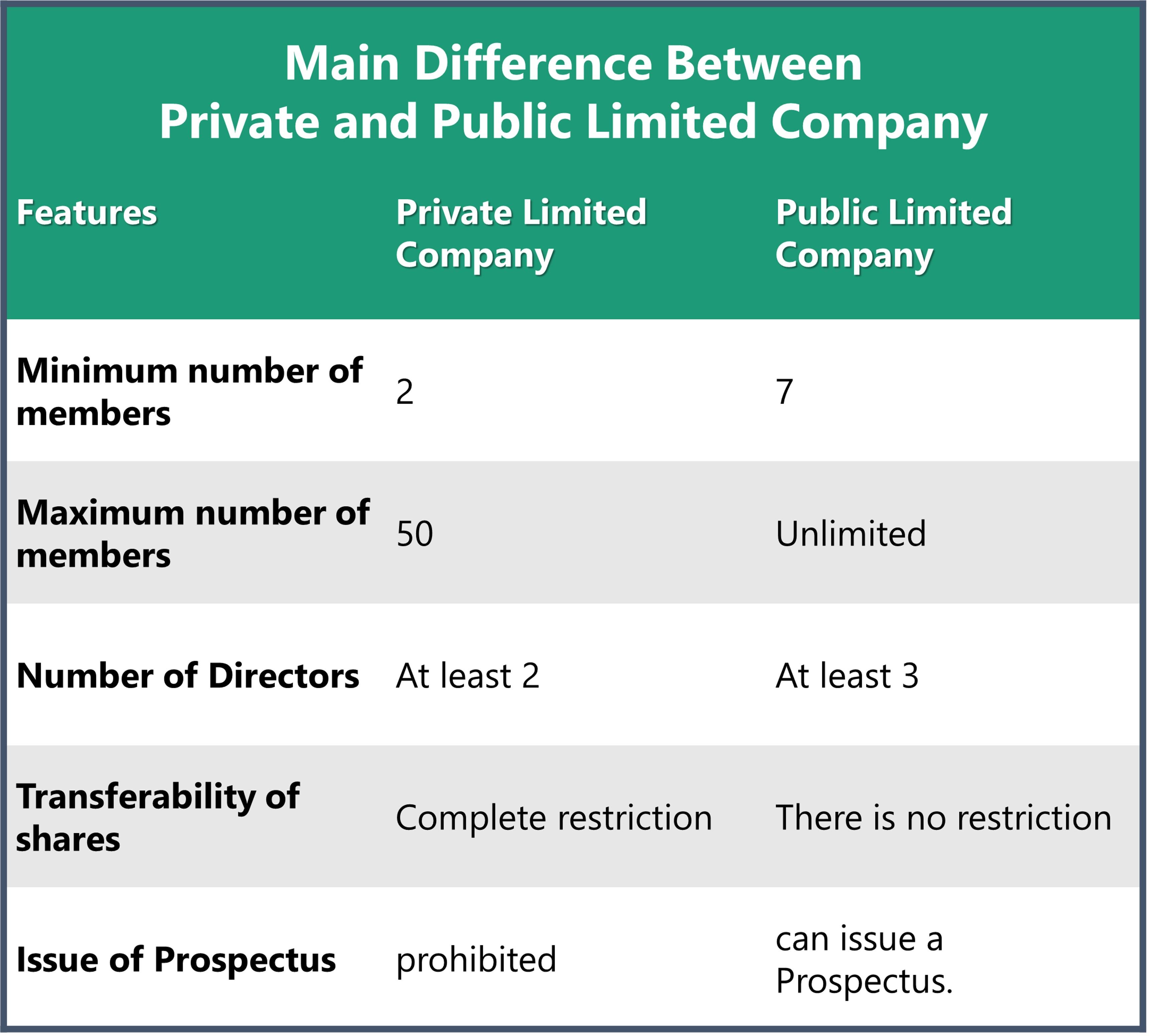
Private companies are characterized by their concentrated ownership. Their shares are not traded on public stock exchanges, meaning ownership is held by a limited number of shareholders, which can include the founders, their families, employees, or a select group of private investors like venture capitalists or private equity funds. This restricted ownership grants significant control to the owners and management team, allowing them to pursue long-term strategies without the immediate pressures of public markets.
From a money perspective, private companies raise capital through private channels. This can involve bootstrapping (self-funding), angel investors (wealthy individuals providing capital for startups), venture capital (firms investing in high-growth potential companies, often in the tech sector), or debt financing from banks. The financial decisions within a private company are primarily internal, driven by the owners’ vision and the company’s operational needs. This often allows for greater flexibility in reinvesting profits, taking calculated risks, and focusing on sustainable growth rather than quarterly earnings targets. For instance, many promising tech startups, from groundbreaking software developers to AI tool innovators, begin as private entities, securing multiple rounds of private funding to fuel their research, development, and market penetration before ever considering a public listing. This staged funding approach is critical for developing complex tech and building a strong product brand foundation without the immediate demand for profitability that public markets impose. Their brand strategy can often be more agile, targeting specific niches or building a reputation purely on product excellence rather than market cap.
Public Companies: Dispersed Ownership, Market Access, and Public Scrutiny
Public companies, on the other hand, have made their shares available for purchase by the general public on a stock exchange (such as the NYSE, NASDAQ, or London Stock Exchange). This process, known as an Initial Public Offering (IPO), transforms the company from private to public, dispersing ownership among a vast number of shareholders, ranging from individual retail investors to large institutional funds.
The core advantage for public companies, especially those in the tech space, is unparalleled access to vast amounts of capital. By issuing shares, they can raise substantial funds for expansion, research and development, acquisitions, and debt repayment. This ability to tap into the public money markets fuels massive innovation and global reach, evident in giants like Apple, Microsoft, and Google, which continuously leverage their public status to fund new tech initiatives, acquire competitors, and maintain their market dominance. However, this access comes with significant trade-offs. Public companies are accountable to their shareholders and must prioritize shareholder value, often leading to a focus on short-term financial performance. Their brand strategy is heavily influenced by public perception and investor confidence. A strong, positive brand image can attract investors and maintain stock value, while negative publicity or poor financial results can lead to rapid declines. Regular financial reporting and investor relations become a crucial part of their brand and money management, directly impacting their ability to attract future capital and talent.
Operational and Strategic Differences: Transparency, Agility, and Growth
Beyond ownership and capital, the private-public distinction profoundly impacts how companies operate, make decisions, and execute their strategies. These differences are particularly stark in areas related to transparency, regulatory compliance, and the pace of strategic shifts.
Transparency and Regulatory Compliance
One of the most significant operational distinctions lies in the level of transparency and regulatory compliance. Private companies generally face far less regulatory oversight compared to their public counterparts. They are not required to disclose their financial performance publicly, nor do they typically need to adhere to the stringent reporting requirements mandated by regulatory bodies like the Securities and Exchange Commission (SEC) in the U.S. This limited disclosure allows private companies to keep sensitive business finance information, strategic plans, and proprietary tech innovations confidential, which can be a competitive advantage. Their digital security focus might be primarily on protecting internal data rather than preparing for public financial audits.
Public companies, conversely, operate under a magnifying glass. They are legally obligated to disclose extensive financial information, including quarterly and annual reports, executive compensation, and other material events, to the public. This ensures transparency for investors but also means their financials, strategies, and even internal challenges are open for scrutiny by competitors, the media, and the general public. Compliance with these regulations is costly and complex, often requiring specialized software and extensive internal controls. The brand of a public company is intrinsically linked to its compliance and ethical conduct, as any misstep can severely impact investor confidence and market valuation. For example, a public tech company must not only innovate but also demonstrate robust financial health and adherence to data privacy laws, using advanced digital security protocols to protect both customer data and sensitive financial reports.
Decision-Making and Agility
The concentrated ownership of private companies typically translates into more agile and quicker decision-making processes. With fewer stakeholders to consult and no public shareholders demanding immediate returns, private company leaders can take a longer-term view, invest in risky but potentially high-reward tech innovations, and pivot strategies rapidly without extensive public explanation. This agility is often a critical factor for startups and emerging tech companies that need to respond quickly to market changes and competitive pressures. Their brand strategy can evolve more fluidly, allowing for experimentation and niche targeting.
Public companies, due to their broad ownership and regulatory obligations, often have more cumbersome decision-making processes. Major strategic shifts usually require board approval, and the impact on shareholder value must be carefully considered. The pressure to meet quarterly earnings expectations can sometimes lead to short-term thinking, potentially sacrificing long-term strategic investments for immediate financial gains. This can make it challenging for public companies, even tech giants, to make radical shifts or invest heavily in unproven tech without a clear and immediate path to profitability, though many do manage this by leveraging their extensive resources. Their brand strategy must be consistent and carefully managed, as public perception can directly impact stock price.
Impact on Stakeholders and Ecosystems
The choice between private and public status has profound implications for various stakeholders, including employees, customers, and the broader market ecosystem, influencing everything from personal finance to global tech trends.
Employee Incentives and Compensation
For employees, particularly in the tech sector, the type of company they work for can significantly impact their personal finance and career trajectory. Private companies often offer stock options or equity stakes that, while potentially lucrative, are illiquid until an IPO or acquisition event. This means employees can’t easily sell their shares, tying their financial reward directly to the company’s long-term success or a major liquidity event. These incentives are powerful for attracting top talent to early-stage tech companies, fostering a shared sense of ownership and dedication. Productivity tools and a collaborative culture are often emphasized to maximize the value of each employee’s contribution.
Public companies, conversely, can offer more liquid forms of equity compensation, such as Restricted Stock Units (RSUs) or readily tradable stock options. Employees can sell these shares on the open market after vesting periods, providing a direct and tangible link between their performance, the company’s stock price, and their personal finance planning. This immediate liquidity can be attractive, though it also means employees’ compensation is directly exposed to market volatility. Furthermore, the brand of a public company, its reputation for innovation, and its market capitalization can be significant draws for talent, enhancing its employer brand. Public companies often have more structured career paths and benefit packages, appealing to a broader range of professionals.
Market Perception and Brand Resonance
The public or private nature of a company heavily influences its brand strategy and market perception. Private companies often cultivate a more niche or specialized brand identity, focusing on specific customer segments or product excellence without the need for broad public appeal. Their corporate identity might be known within specific industry circles but less so by the general public. Their reputation is built organically through product quality, customer service, and word-of-mouth.
Public companies, by their very nature, aim for widespread recognition. Their brand is a public asset, constantly under scrutiny by investors, media, and consumers. A strong brand can drive sales, attract investment, and enhance stock value. Therefore, public companies invest heavily in marketing, public relations, and reputation management to maintain a positive image. Their brand strategy must be meticulously crafted to appeal to diverse stakeholders, from individual consumers to institutional investors. The public nature means their brand is often a household name, influencing tech trends through their products (e.g., Apple’s iPhones) and shaping broader societal conversations. Their marketing efforts are often global, utilizing every available channel, from traditional advertising to cutting-edge digital marketing and social media campaigns, supported by sophisticated AI tools for audience targeting and sentiment analysis.
The Journey: From Private to Public and Vice Versa
The distinction between private and public is not always static. Companies can transition from one state to another, driven by strategic objectives, market conditions, and financial necessities. These transitions represent critical junctures, each with its own set of advantages and challenges.
The IPO Process: A Transformative Step for Growth and Liquidity
The most common transition is a private company going public through an Initial Public Offering (IPO). This momentous step allows a company to raise significant capital from public investors, providing liquidity for early investors and founders, and often boosting the company’s public profile and brand. For many successful tech startups, an IPO is the ultimate validation of their innovation and growth potential. It allows them to scale operations, fund ambitious new projects, and expand into new markets at an accelerated pace, often leveraging their new public profile to attract even more talent and partnerships.
However, the IPO process is incredibly complex, costly, and demanding. It involves extensive legal and financial preparations, underwriter selection, roadshows to attract investors, and stringent regulatory compliance. Once public, the company must commit to continuous transparency, quarterly financial reporting, and the constant pressure of market expectations. The founders and management must adapt to a new paradigm where they are accountable to a multitude of shareholders. While an IPO provides immense capital for growth and can supercharge a company’s brand, it also means sacrificing a degree of control and autonomy, and subjecting the company’s every move to public and market scrutiny. From a money perspective, it’s a massive capital injection, but also an introduction to the world of quarterly earnings calls, dividend policies, and share price volatility, all of which demand careful financial tools and expert management.
The Lure of Going Private: Regaining Control and Strategic Flexibility
Less frequently, but notably, public companies may decide to “go private” again. This usually involves a buyback of all outstanding public shares, often orchestrated by a private equity firm, a consortium of investors, or even the existing management. Reasons for going private can include escaping the intense scrutiny and short-term pressures of public markets, allowing the company to make long-term strategic investments without fear of immediate stock price reactions. It can also enable a company to undergo significant restructuring, cost-cutting, or radical shifts in brand strategy away from the public eye.
For companies facing challenges or those looking to implement major transformations that might be unpopular with public shareholders, going private offers a sanctuary. It allows management to focus on long-term value creation, often through operational improvements, divestitures, or aggressive tech development, without the quarterly reporting burden. From a money standpoint, these transactions, often leveraged buyouts (LBOs), involve massive amounts of debt and complex financial engineering. While it might lead to a loss of liquidity for previous public shareholders, it can provide a company with the necessary breathing room and strategic flexibility to rebuild its brand, innovate its tech, and ultimately return to profitability, potentially even preparing for another IPO in the distant future.

Conclusion
The distinction between private and public companies is multifaceted, touching upon every aspect of a business from its foundational ownership to its daily operations, strategic outlook, and impact on the broader economy. Private companies offer greater control, agility, and privacy, often fostering innovation in niche markets, especially within the tech sector, funded by targeted money from private investors. Their brand strategy can be more focused and less susceptible to public whims. Public companies, conversely, gain unparalleled access to capital markets, providing immense resources for global expansion and large-scale tech development, while also benefiting from enhanced public visibility and a strong brand. However, this comes at the cost of intense scrutiny, stringent regulations, and the pressure of public expectations, which directly influence their money management and corporate identity.
Neither structure is inherently superior; rather, each is suited to different stages of a company’s lifecycle, strategic objectives, and risk appetites. Understanding these fundamental differences is crucial for anyone engaging with the business world – whether as an entrepreneur seeking funding, an investor looking for opportunities, an employee evaluating career paths, or a consumer interacting with various brands. In an era where technology trends constantly reshape industries, where brand strategy is paramount, and where money flows dictate innovation, the private-public divide remains a cornerstone of how businesses are built, funded, and ultimately, how they contribute to our economic landscape.
aViewFromTheCave is a participant in the Amazon Services LLC Associates Program, an affiliate advertising program designed to provide a means for sites to earn advertising fees by advertising and linking to Amazon.com. Amazon, the Amazon logo, AmazonSupply, and the AmazonSupply logo are trademarks of Amazon.com, Inc. or its affiliates. As an Amazon Associate we earn affiliate commissions from qualifying purchases.