
In the ever-evolving landscape of technology, understanding the fundamental components of our digital lives is crucial. One of the most critical, yet often overlooked, elements is data storage. At its core, data storage in a computer refers to the process and the physical or virtual mechanisms that enable a computer system to retain information for future use. This isn’t just about saving a document; it’s the backbone of every digital interaction, from the operating system that boots up your machine to the latest AI-powered application you’re using.
The concept of data storage is deeply intertwined with several key areas, particularly within the broader “Tech” umbrella of our website. It underpins the functionality of software, the development and deployment of AI tools, the security of our digital assets, and the efficiency of our productivity. Furthermore, the strategies employed in data management and storage can significantly impact business finance and even the effectiveness of branding and marketing efforts.
This article will delve into the multifaceted world of computer data storage, exploring its fundamental principles, different types of storage, how it impacts various technological applications, and its broader implications for brands and financial considerations.
The Core Function: Why Data Storage Matters
At its most basic, data storage is about persistence. Unlike the volatile nature of a computer’s Random Access Memory (RAM), which loses its contents when the power is switched off, storage solutions are designed to hold data indefinitely. This persistence is what allows us to:
- Boot Up Our Systems: Your operating system, the fundamental software that makes your computer function, is stored on a persistent storage device. Without it, your computer would be unable to start.
- Save Our Work: Whether it’s a document, a spreadsheet, a photograph, or a video project, all your creations are saved to storage. This allows you to close your application and return to your work later.
- Run Applications: While applications may load some of their code into RAM for faster access during operation, their core executables and all associated data reside on storage devices.
- Store Personal Information: This includes everything from your user profiles and preferences to your email, music library, and downloaded files.
- Facilitate System Updates and Backups: Keeping your software up-to-date and creating backups of your valuable data are essential for security and disaster recovery, both relying heavily on storage.
Without effective data storage, the digital world as we know it would cease to exist. Every piece of information, from the smallest configuration setting to the most complex dataset powering an AI model, requires a place to reside.
The Architecture of Data Persistence
To understand data storage, it’s helpful to consider the different levels of the storage hierarchy. This hierarchy is designed to balance speed, cost, and capacity, ensuring that the most frequently accessed data is readily available while less critical data is stored more economically.
Primary Storage: The Speed Demands
Primary storage, often referred to as main memory, is where the computer’s CPU directly accesses data and instructions. While technically a form of storage, it’s primarily focused on speed and immediate processing rather than long-term persistence.
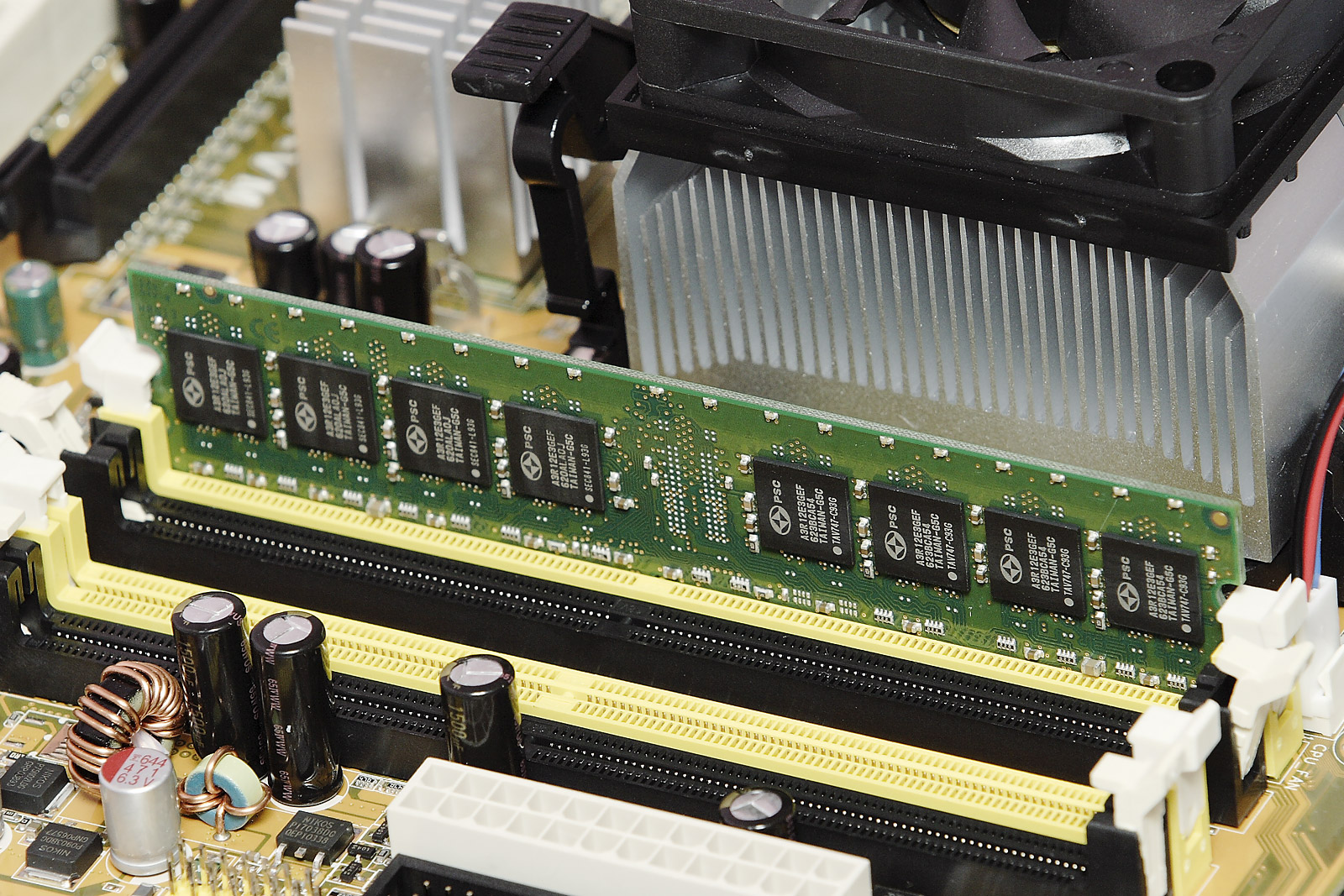
- RAM (Random Access Memory): As mentioned, RAM is volatile. It holds data and program instructions that the CPU is currently using. The more RAM a computer has, the more tasks it can handle simultaneously and the faster it can switch between them. However, its ephemeral nature makes it unsuitable for permanent data retention.
Secondary Storage: The Pillars of Persistence
Secondary storage is where the bulk of a computer’s data resides permanently. This is the storage you interact with when you save files, install software, or back up your system. It’s characterized by higher capacity and lower cost per gigabyte compared to primary storage, albeit with slower access speeds.
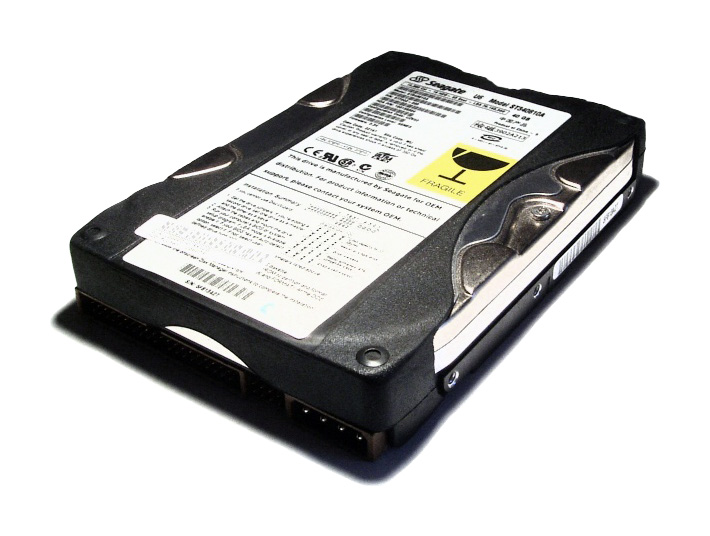
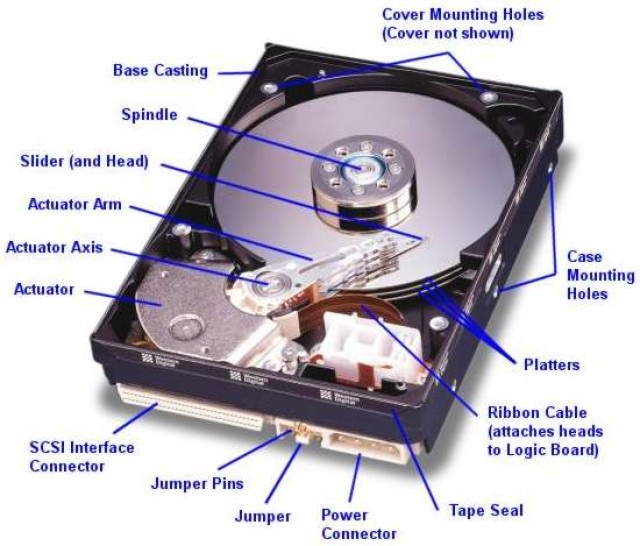
- HDDs (Hard Disk Drives): For decades, HDDs were the workhorse of secondary storage. They use spinning magnetic platters and a read/write head to store and retrieve data. HDDs offer large capacities at a relatively low cost, making them ideal for storing vast amounts of data like video libraries or large datasets. However, their mechanical nature makes them slower and more susceptible to physical damage than solid-state alternatives.
- SSDs (Solid-State Drives): SSDs have revolutionized computer storage. They use flash memory chips to store data, with no moving parts. This results in significantly faster read and write speeds, lower power consumption, and greater durability compared to HDDs. SSDs are commonly found in modern laptops and desktops, dramatically improving boot times, application loading, and overall system responsiveness. The cost per gigabyte is typically higher than HDDs, but the performance benefits often justify the investment, especially for demanding applications.
- NVMe (Non-Volatile Memory Express): This is a newer interface protocol designed specifically for SSDs, allowing them to communicate with the CPU over the PCIe bus. NVMe SSDs offer even higher speeds than SATA SSDs, making them ideal for high-performance computing, gaming, and professional creative workloads where speed is paramount.
Tertiary Storage: Archival and Backup
Tertiary storage is typically used for long-term archival purposes and large-scale backups. Access speeds are significantly slower than secondary storage, and the cost per gigabyte is often the lowest.
- Optical Media (CDs, DVDs, Blu-ray): While less common now for primary data storage, optical media are still used for distributing software, movies, and for archival purposes due to their longevity.
- Magnetic Tapes: Tapes remain a cost-effective solution for backing up massive amounts of data, particularly in enterprise environments. They offer high capacity and a long shelf life but require specialized drives for access.
- Cloud Storage: A ubiquitous form of tertiary storage, cloud storage services (like Google Drive, Dropbox, OneDrive, AWS S3) offer a scalable and accessible way to store data remotely. This is crucial for backups, collaboration, and accessing data from multiple devices, and it’s becoming increasingly vital for businesses managing large datasets for AI training and operations.
Data Storage in Action: Powering Tech Trends
The advancements in data storage are not merely about bigger drives; they are directly enabling and accelerating many of the “Tech” trends we see today.
The Engine of AI and Machine Learning
Artificial intelligence and machine learning (AI/ML) are inherently data-hungry. The ability to collect, store, and rapidly access massive datasets is fundamental to training sophisticated AI models.
- Training Data: AI models learn by analyzing vast quantities of data. This data, ranging from images and text to sensor readings, needs to be stored efficiently and accessed quickly during the training process. The sheer volume of data required for deep learning models necessitates high-capacity, high-speed storage solutions.
- Model Deployment: Once trained, AI models are deployed to make predictions or decisions. The storage of these models themselves, along with the data they process in real-time, also requires robust storage infrastructure.
- Edge AI: As AI moves to the “edge” (devices like smartphones, smart cameras, and IoT devices), the need for efficient, embedded storage solutions that can handle local data processing and model inference becomes critical.
Fueling Software and Application Development
The complexity and functionality of modern software applications are directly tied to the underlying storage capabilities.
- Large Software Suites: Modern operating systems, creative suites, and enterprise software packages can be massive, requiring significant storage space for installation and updates.
- Data-Intensive Applications: Applications that handle large amounts of data, such as video editing software, CAD programs, and databases, rely heavily on fast and reliable storage for smooth operation.
- Gaming: The immersive worlds of modern video games are built upon massive datasets for textures, models, and game logic. Fast SSDs and NVMe drives are now essential for reducing load times and enhancing the gaming experience.
Enhancing Digital Security and Productivity
Data storage plays a pivotal role in safeguarding our digital lives and maximizing our efficiency.
- Data Backups and Disaster Recovery: Robust data storage solutions are the foundation of any effective backup and disaster recovery strategy. Regular backups to separate storage media or cloud services ensure that data can be restored in case of hardware failure, cyberattacks, or accidental deletion.
- Encryption and Security: Protecting sensitive data stored on drives is paramount. Encryption technologies, applied at the storage level or at the file system level, ensure that data remains unreadable to unauthorized individuals.
- Productivity Tools: Cloud storage services, in particular, have revolutionized collaboration and productivity. They enable seamless file sharing, real-time co-editing of documents, and access to work from anywhere, anytime. The speed of these cloud storage services is directly influenced by the underlying storage infrastructure of the cloud providers.
Data Storage, Brands, and the Bottom Line
Beyond the purely technical aspects, data storage has significant implications for “Brand” and “Money.”
Brand Reputation and Data Integrity
- Customer Data Management: For any business, the secure and reliable storage of customer data is critical. Data breaches or loss of customer information can severely damage a brand’s reputation, leading to loss of trust and customer churn.
- Intellectual Property Protection: Businesses store vast amounts of intellectual property, trade secrets, and proprietary information. Secure data storage is essential to prevent theft or unauthorized access, which could cripple a company.
- Marketing and Analytics: The effectiveness of marketing campaigns often relies on analyzing customer data stored in databases. The ability to quickly and accurately access this data through efficient storage solutions directly impacts the insights derived and the success of marketing strategies. Case studies of successful brands often highlight their robust data management practices, which are underpinned by their storage infrastructure.
Financial Considerations of Data Storage
The cost of data storage is a significant factor in both personal and business budgets.
- Hardware Costs: The purchase of HDDs, SSDs, or enterprise-grade storage arrays represents a considerable upfront investment.
- Cloud Storage Subscriptions: While offering flexibility, ongoing cloud storage subscriptions can accumulate, becoming a significant operational expense for businesses. The pricing models of cloud storage providers (e.g., per gigabyte, per transaction) need careful consideration.
- Data Management and Maintenance: The cost of managing, backing up, and maintaining data storage infrastructure, including specialized IT personnel, adds to the overall expense.
- The Cost of Data Loss: The financial impact of data loss can be catastrophic, far outweighing the cost of robust storage and backup solutions. This includes lost revenue, recovery costs, reputational damage, and potential legal liabilities.
Therefore, making informed decisions about data storage – balancing performance, capacity, security, and cost – is a crucial aspect of both personal financial planning and business finance. Strategies like tiered storage (moving less frequently accessed data to cheaper storage) and data deduplication can help optimize costs.
The Future of Data Storage
The evolution of data storage is relentless. We are constantly seeing innovations driving faster speeds, greater densities, and new paradigms for data management. Technologies like DNA data storage, while still in their nascent stages, hint at future possibilities for storing immense amounts of data with incredible longevity. For now, the focus remains on optimizing existing technologies like NVMe, developing more efficient solid-state memory, and leveraging the scalability and accessibility of cloud storage.
In conclusion, data storage is far more than just a technical component; it’s the silent enabler of our digital existence. It powers the technology trends we marvel at, safeguards our personal and professional lives, and has profound implications for how brands are built and how businesses manage their finances. Understanding “what is data storage in a computer” is the first step towards appreciating the intricate infrastructure that underpins our increasingly digital world.
aViewFromTheCave is a participant in the Amazon Services LLC Associates Program, an affiliate advertising program designed to provide a means for sites to earn advertising fees by advertising and linking to Amazon.com. Amazon, the Amazon logo, AmazonSupply, and the AmazonSupply logo are trademarks of Amazon.com, Inc. or its affiliates. As an Amazon Associate we earn affiliate commissions from qualifying purchases.