
The term “Civil Division Court” might evoke images of traditional courtrooms and lengthy legal battles. However, in today’s rapidly evolving world, understanding the function of civil courts is crucial, especially as our lives become increasingly intertwined with technology, branding, and complex financial landscapes. While the core principles of civil law remain, the nature of disputes reaching these courts has transformed dramatically. This article delves into what civil division court is, exploring its purpose, common types of cases it handles, and how its operations are increasingly influenced by the digital age – a realm heavily focused on by our platform’s core topics of Tech, Brand, and Money.
The Foundation of Civil Disputes: Resolving Private Wrongs
At its heart, civil division court is the arena where individuals, businesses, and sometimes government entities resolve disagreements that do not involve criminal offenses. Unlike criminal courts, where the state prosecutes an individual for breaking the law, civil courts deal with “private wrongs” – disputes between parties where one party alleges that another has caused them harm or violated their rights. The primary goal of civil litigation is not punishment, but rather to provide a remedy for the injured party, often in the form of monetary compensation (damages) or an order to perform or cease a specific action (injunction).
The Parties Involved and the Legal Process
In a civil case, the party initiating the lawsuit is known as the plaintiff, while the party being sued is called the defendant. The plaintiff believes they have suffered some form of loss or injury due to the defendant’s actions or inactions. The legal process typically begins with the plaintiff filing a complaint or petition with the court, outlining their claims against the defendant. The defendant is then formally notified and has the opportunity to respond.
Following the initial pleadings, the case enters a phase called discovery. This is a critical stage where both sides gather evidence to support their arguments. This can involve:
- Interrogatories: Written questions that must be answered under oath.
- Requests for Production of Documents: Demands for relevant documents, emails, financial records, and other tangible evidence.
- Depositions: Out-of-court testimony taken under oath from witnesses or parties involved.
- Requests for Admission: Formal requests for the opposing party to admit or deny specific facts.
The discovery phase is where the influence of Tech becomes profoundly apparent. The sheer volume of digital information – emails, social media posts, cloud storage, digital communications – often forms the backbone of evidence. E-discovery, the process of identifying, collecting, and producing electronically stored information, has become a specialized and complex field. Companies and individuals must have robust digital security practices in place to ensure they can produce relevant data and protect sensitive information during litigation. Failure to manage digital evidence effectively can have severe consequences.
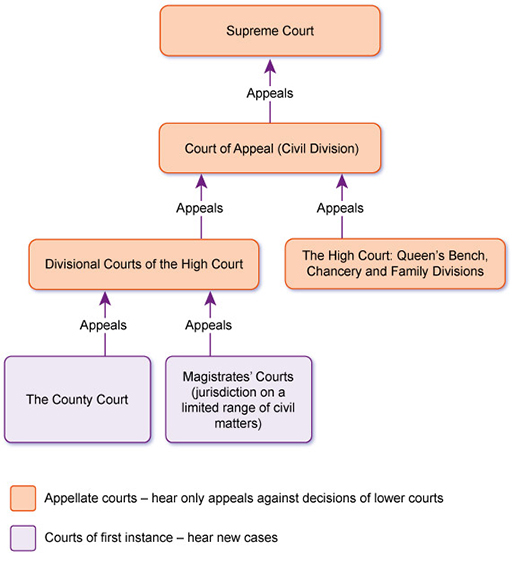
After discovery, if a resolution isn’t reached through negotiation or mediation, the case may proceed to trial. In a trial, evidence is presented, witnesses testify, and a judge or jury ultimately decides the outcome. The losing party may have the option to appeal the decision to a higher court.
Common Cases Heard in Civil Division Court: A Spectrum of Disputes
The scope of civil division court is vast, encompassing a wide array of disputes that touch upon nearly every aspect of our personal and professional lives. Given our focus on Tech, Brand, and Money, many of the most prevalent and complex civil cases today directly relate to these domains.
Disputes in the Digital Realm: Technology, Intellectual Property, and Online Conduct
The rapid advancement of Technology has opened up new avenues for disputes, and civil courts are increasingly grappling with the legal implications of the digital world.
Intellectual Property Infringement: Protecting Digital Creations
A significant category of civil cases involves intellectual property (IP) infringement. This is particularly relevant to the Brand and Tech topics. When someone uses another person’s or company’s copyrighted material, patented invention, or trademark without permission, it can lead to a lawsuit.
- Copyright Infringement: This can involve unauthorized use of software code, digital art, website content, music, or videos. As creators increasingly share their work online, accidental or intentional copyright violations are common. Tutorials on how to use software or create digital assets can sometimes inadvertently lead to copyright issues if proper attribution or licensing is not observed.
- Patent Infringement: This often arises in the tech industry, where companies may sue each other for using patented technologies in their products or services. The development of new AI tools or innovative gadgets can lead to complex patent disputes.
- Trademark Infringement: This occurs when a business uses a brand name, logo, or slogan that is confusingly similar to an existing trademark, potentially misleading consumers. This directly impacts Brand strategy and can lead to significant financial losses.
Digital Security Breaches and Data Privacy Violations
In an era of constant data generation and online transactions, Digital Security is paramount. Civil lawsuits frequently arise from data breaches and violations of privacy.
- Data Breach Lawsuits: When a company fails to adequately protect sensitive customer information (e.g., credit card details, personal identifiable information) and it is compromised, individuals or groups of affected consumers may sue for damages. This highlights the importance of robust cybersecurity measures, a key aspect of Tech.
- Privacy Violations: This can encompass issues like the unauthorized collection, use, or disclosure of personal information, especially in the context of online tracking, social media data, or the misuse of AI-powered surveillance technologies.
Online Defamation and Misrepresentation
The ease with which information can be published online has led to an increase in defamation cases.
- Online Defamation: False statements made online (e.g., on social media, review sites, blogs) that harm an individual’s or business’s reputation can lead to civil lawsuits. This is a direct concern for Personal Branding and Corporate Identity. The swift spread of negative information online can cause irreparable damage, making timely legal intervention crucial.
Financial Disputes: Navigating the Complexities of Money and Business
The Money pillar of our platform directly informs a significant portion of civil litigation. Disputes involving financial matters are commonplace in civil division courts.
Contract Disputes: The Backbone of Business and Personal Agreements
At the core of many civil cases are disputes arising from broken promises and unmet obligations outlined in contracts.
- Breach of Contract: This occurs when one party fails to fulfill their obligations as stipulated in a legally binding agreement. This can range from consumer contracts for goods and services to complex business-to-business agreements, employment contracts, and real estate transactions. For instance, a dispute over the delivery of custom software, the terms of a marketing campaign, or a loan agreement would likely be heard in civil court. The clarity of contract terms, often facilitated by well-defined Brand guidelines and financial projections, can prevent many such disputes.
Business and Commercial Litigation: The Engine of Commerce
Civil courts are essential for resolving disagreements that arise in the course of business operations.
- Partnership Disputes: Disagreements between business partners regarding management, profit sharing, or dissolution of the business.
- Shareholder Disputes: Conflicts among shareholders of a corporation.
- Business Torts: Wrongful acts committed by businesses that cause harm to others, such as fraud, misrepresentation, or interference with contractual relations. This can also extend to disputes related to Reputation management and the fallout from poor business practices.
- Debt Collection: Cases where a creditor seeks to recover unpaid debts from a debtor.
Personal Finance and Investment Disputes
While not always reaching the complexity of large-scale commercial litigation, personal finance issues can also lead to civil court appearances.
- Disputes over Loans and Mortgages: Borrowers and lenders may end up in civil court over terms, payments, or foreclosure proceedings.
- Investment Disputes: Disagreements between investors and financial advisors or institutions over investment performance, advice, or alleged mismanagement of funds. Cases involving fraudulent investment schemes or breaches of fiduciary duty fall under this category.
Personal Injury and Tort Claims: Seeking Redress for Harm
While not directly aligned with our core pillars in the same way as Tech, Brand, and Money, personal injury claims represent a fundamental area of civil law and are often intertwined with business and product liability.
Negligence and Liability
These cases involve claims that a defendant’s negligence or wrongful act caused the plaintiff to suffer injury or loss.
- Car Accidents: Disputes over fault and damages following vehicle collisions.
- Slip and Fall Incidents: Claims against property owners for injuries sustained due to unsafe conditions.
- Product Liability: Lawsuits against manufacturers or sellers of defective products that cause harm. This is particularly relevant to Tech gadgets and consumer products. A malfunctioning AI-powered device or a poorly designed piece of software could lead to such claims.
The Evolving Landscape: Civil Court in the Age of Digital Transformation
The core function of civil division court remains the same: to provide a forum for resolving private disputes. However, the way cases are initiated, investigated, and presented is profoundly changing due to the pervasive influence of Technology.
The Rise of E-Filing and Online Dispute Resolution (ODR)
Many courts are embracing digital solutions to streamline processes. E-filing systems allow parties to submit legal documents electronically, reducing paper usage and speeding up filing times. This directly impacts the Productivity of legal professionals and the efficiency of the court system.
Furthermore, Online Dispute Resolution (ODR) is gaining traction. For certain types of disputes, particularly those involving smaller monetary amounts or simpler contractual disagreements, ODR platforms offer a cost-effective and convenient alternative to traditional court proceedings. This can involve negotiation, mediation, or arbitration conducted entirely online.
Data Analytics and AI in Legal Practice
As mentioned, e-discovery is a significant component of modern litigation. Beyond that, AI Tools are beginning to play a role in various aspects of civil law:
- Legal Research: AI-powered platforms can quickly analyze vast legal databases to identify relevant case law and statutes, saving legal professionals considerable time.
- Document Review: AI can assist in sifting through large volumes of documents during discovery, flagging potentially relevant information.
- Predictive Analytics: Some legal professionals are exploring AI to analyze past case outcomes and predict the likelihood of success in certain types of civil litigation, aiding in Case Studies and strategic decision-making.
The Interplay with Brand Reputation and Financial Scrutiny
Civil disputes, especially those involving businesses, often have significant repercussions for Brand Reputation. Negative publicity surrounding a lawsuit can damage a company’s image, affecting customer loyalty and market value. Similarly, the financial aspects of litigation – from legal fees to potential damages – can have a substantial impact on a company’s Business Finance. Understanding the financial implications and potential reputational damage is as crucial as the legal strategy itself.
Conclusion: A Vital Mechanism for Order in a Complex World
Civil division court is a fundamental pillar of a functioning society, providing a structured and impartial avenue for resolving disputes that impact individuals, businesses, and their stakeholders. As our world becomes increasingly digitized and interconnected, the types of cases heard in these courts are evolving, with Technology, Brand concerns, and complex Money matters at the forefront. From navigating intellectual property disputes in the digital space to resolving contractual disagreements and seeking redress for financial harm, civil courts play a vital role. Understanding their function, the processes involved, and the growing influence of technological advancements is essential for anyone operating in today’s dynamic landscape, whether as a consumer, a business owner, or a creator. The ability to effectively manage digital assets, protect intellectual property, and conduct sound financial practices can not only prevent disputes but also equip individuals and organizations to navigate the legal system more effectively should the need arise.
aViewFromTheCave is a participant in the Amazon Services LLC Associates Program, an affiliate advertising program designed to provide a means for sites to earn advertising fees by advertising and linking to Amazon.com. Amazon, the Amazon logo, AmazonSupply, and the AmazonSupply logo are trademarks of Amazon.com, Inc. or its affiliates. As an Amazon Associate we earn affiliate commissions from qualifying purchases.