
The term “cattle manure” might conjure images of sprawling farms, earthy scents, and perhaps a nostalgic rural landscape. For many, it’s a familiar, albeit often overlooked, element of agricultural life. However, in an era increasingly driven by innovation, sustainability, and a keen eye for resource optimization, understanding the multifaceted nature of cattle manure is more relevant than ever. This isn’t just about waste; it’s about a resource brimming with potential, a natural compound that can be leveraged across various sectors, from enhancing agricultural yields to informing cutting-edge bio-tech applications.
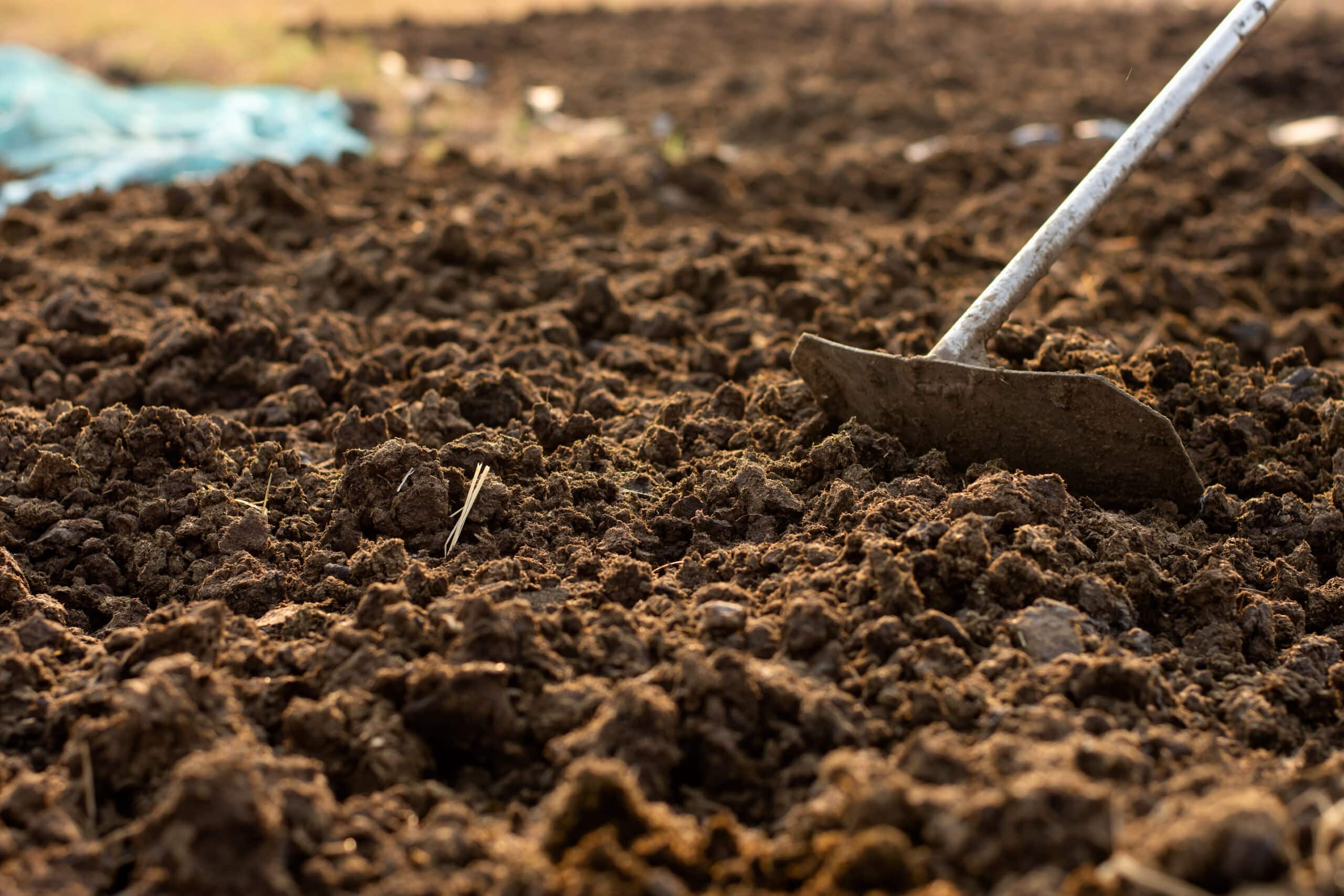
At its core, cattle manure is the excrement produced by bovine animals – cows, bulls, steers, and calves. While seemingly a simple biological byproduct, its composition is a complex matrix of undigested food matter, gut bacteria, water, and various nutrients. This intricate blend makes it far more than just organic waste; it’s a potent source of nitrogen, phosphorus, potassium, and a wealth of other micronutrients essential for plant growth. Historically, its primary role has been as a natural fertilizer, enriching soil fertility and improving soil structure. Farmers have relied on it for centuries to boost crop production and maintain the health of their land.
However, the story of cattle manure doesn’t end in the field. Its potential extends into the realms of technology, branding, and even finance, reflecting the interconnectedness of our modern world. As we delve deeper into the capabilities and applications of this humble material, we uncover a narrative that touches upon innovation, resource management, and the evolving definition of value in a circular economy. This exploration will shed light on how what was once considered mere waste is being re-evaluated as a valuable commodity, capable of driving progress in diverse fields.
The Biological Foundation: Understanding the Composition and Properties of Cattle Manure
To truly appreciate the value of cattle manure, we must first understand its fundamental nature. Its composition is not static; it varies significantly based on a multitude of factors, including the animal’s diet, age, breed, health, and the environmental conditions of its housing. This variability is crucial to consider when discussing its application and processing.
Nutrient Richness: A Natural Fertilizer’s Backbone
The primary allure of cattle manure as a resource lies in its rich nutrient profile. Nitrogen (N), phosphorus (P), and potassium (K) are the macronutrients that are most vital for plant health and growth, and cattle manure is a significant supplier of all three.
- Nitrogen (N): Essential for leaf growth and chlorophyll production, nitrogen is a key component of proteins and enzymes. In manure, nitrogen exists in both organic and inorganic forms. Organic nitrogen must be mineralized by soil microbes to become available to plants. This slow-release characteristic is a significant advantage, reducing the risk of nutrient leaching and providing a steady supply of nitrogen over time.
- Phosphorus (P): Crucial for root development, flowering, and seed formation, phosphorus plays a vital role in energy transfer within plants. It also contributes to disease resistance.
- Potassium (K): Important for overall plant vigor, water regulation, and disease resistance, potassium strengthens stems and improves fruit quality.
Beyond these primary macronutrients, cattle manure also contains a spectrum of essential micronutrients like calcium, magnesium, sulfur, iron, manganese, zinc, and copper. These trace elements, though required in smaller quantities, are indispensable for various biochemical processes within plants, contributing to their overall health and productivity.
Organic Matter and Soil Health Enhancement
The presence of substantial organic matter in cattle manure is as significant as its nutrient content. When added to soil, this organic matter undergoes decomposition by microorganisms, leading to a cascade of benefits:
- Improved Soil Structure: Organic matter acts as a binding agent, aggregating soil particles. This improves aeration, water infiltration, and drainage, creating a more hospitable environment for root growth.
- Enhanced Water Retention: Organic matter has a high capacity to hold water, making it a valuable amendment in arid or drought-prone regions. This reduces the need for frequent irrigation.
- Increased Microbial Activity: Manure introduces a diverse population of beneficial microbes into the soil, fostering a healthy soil ecosystem. These microbes play crucial roles in nutrient cycling, disease suppression, and organic matter decomposition.
- Buffering Capacity: The organic content of manure can help buffer soil pH, making it more resistant to drastic fluctuations, which can stress plants.
Factors Influencing Manure Composition
The precise chemical and physical properties of cattle manure are not uniform. Several factors influence its characteristics:
- Diet: The type and quality of feed consumed by cattle have a direct impact on nutrient content. Diets rich in grains might lead to manure with higher concentrations of certain nutrients compared to those primarily fed forage.
- Water Content: The amount of water in manure can vary drastically, affecting its handling, transport, and decomposition rate. Fresh manure typically has a high water content, while composted or aged manure is drier.
- Bedding Material: In many cattle operations, bedding materials like straw, wood shavings, or sawdust are used. These materials are incorporated into the manure and can dilute nutrient concentrations while adding to the organic matter content.
- Age and Storage: The longer manure is stored or composted, the more its composition changes. Volatile compounds like nitrogen can be lost through volatilization and leaching, while the organic matter breaks down.
Understanding these variations is critical for optimizing its use, whether for direct application as fertilizer, processing into compost, or as feedstock for advanced technologies.
Transforming Waste into Value: Technological Innovations in Cattle Manure Utilization
The perception of cattle manure as mere waste is rapidly changing, thanks to a wave of technological innovations. These advancements are unlocking its potential as a valuable resource, driving efficiency, sustainability, and even creating new economic opportunities. From advanced composting techniques to its role in renewable energy production, technology is at the forefront of transforming this natural byproduct.
Advanced Composting and Nutrient Management
Composting is an age-old method of processing organic waste, but modern techniques have elevated it to a sophisticated process for creating high-quality soil amendments. Advanced composting methods for cattle manure focus on maximizing nutrient retention and producing a stable, pathogen-free product.
- Aerobic Composting: This process involves controlled aeration and moisture management to encourage the activity of aerobic microorganisms. These microbes efficiently break down organic matter and convert nutrients into more stable forms. Techniques like forced aeration systems and turning schedules are employed to optimize the process and minimize odors.
- In-vessel Composting: Enclosed systems, such as rotating drums or static piles within bins, offer greater control over environmental conditions, leading to faster composting times and reduced environmental impact. This method is particularly effective for large-scale operations.
- Vermicomposting: Utilizing earthworms to break down manure, vermicomposting produces nutrient-rich “worm castings” that are highly prized by gardeners and horticulturalists. The worms not only consume the manure but also aerate and process it, creating a highly beneficial product.
These advanced composting methods produce a more consistent and refined fertilizer product, reducing the risk of nutrient burn to plants and minimizing the presence of weed seeds and pathogens. This refined product can then be marketed and sold, creating a revenue stream from what was once a disposal challenge.
Bioenergy Production: Fueling the Future with Manure
One of the most significant technological advancements in cattle manure utilization is its role in renewable energy production, primarily through anaerobic digestion.
- Anaerobic Digestion (AD): This biological process occurs in the absence of oxygen, where microorganisms break down organic matter into biogas and digestate. Biogas is a mixture primarily composed of methane and carbon dioxide, which can be captured and used as a fuel source. This methane can be used for:
- Electricity Generation: Burning biogas in generators to produce electricity, often used to power the farm itself or fed into the grid.
- Heat Production: Using biogas for direct heating purposes, such as warming buildings or agricultural processes.
- Biomethane (Renewable Natural Gas): Purifying biogas to remove CO2 and other impurities, creating biomethane that is chemically identical to natural gas and can be injected into existing natural gas pipelines for use in homes, businesses, or vehicles.
The benefits of AD extend beyond energy production. The process also significantly reduces greenhouse gas emissions by capturing methane that would otherwise be released into the atmosphere from decomposing manure. Furthermore, the digestate, the byproduct of AD, is a nutrient-rich material that can be used as a liquid or solid fertilizer, offering a sustainable alternative to synthetic fertilizers.
Emerging Technologies: Beyond Traditional Uses
The innovation doesn’t stop with composting and bioenergy. Researchers and entrepreneurs are exploring even more novel applications for cattle manure:
- Bioplastics and Biodegradable Materials: The cellulose and other organic compounds present in manure can be processed to create biodegradable plastics and packaging materials. This offers a sustainable alternative to petroleum-based plastics.
- Bioremediation: Specific microorganisms found in manure can be harnessed for bioremediation purposes, helping to break down pollutants in soil and water.
- Nutrient Recovery and Extraction: Technologies are being developed to efficiently extract specific valuable nutrients, such as phosphorus, from manure for concentrated use or sale, reducing the overall nutrient load on land.
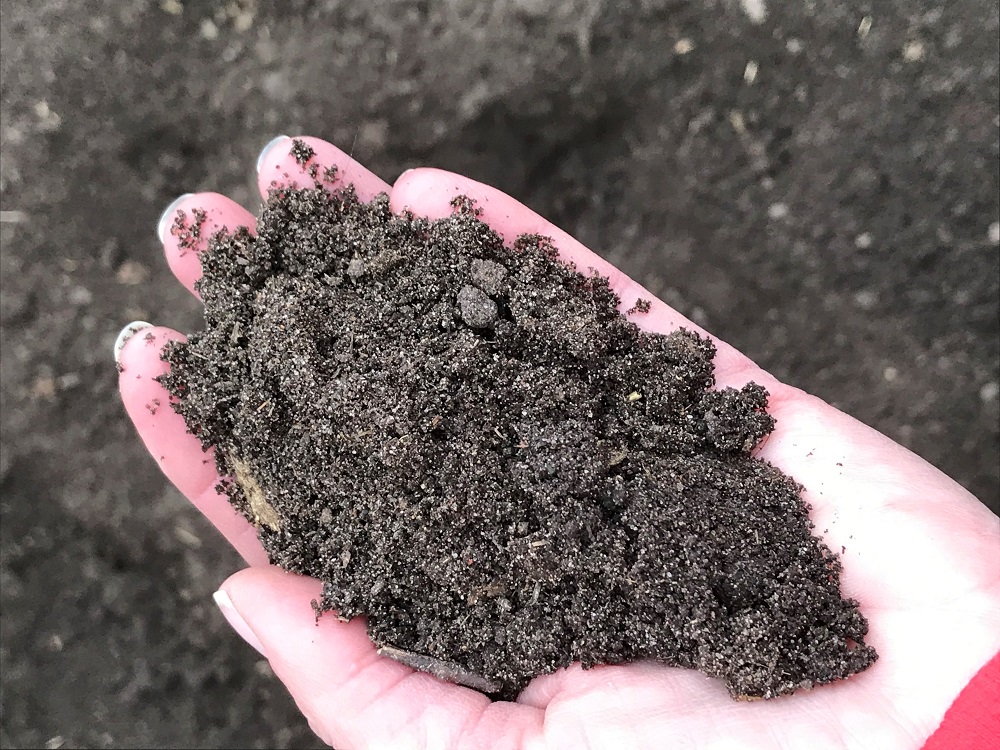
These emerging technologies highlight the dynamic potential of cattle manure, positioning it as a key component in the development of a more sustainable and circular economy.
Branding and Marketing Opportunities: The “Green” Edge of Cattle Manure Products
In today’s conscious consumer landscape, the origin and sustainability of products are paramount. This presents a significant opportunity for businesses to leverage cattle manure not just as a raw material but as a powerful branding and marketing tool. By highlighting the eco-friendly, natural, and circular economy aspects of products derived from manure, companies can gain a competitive edge and resonate deeply with environmentally aware consumers.
The “Sustainable” Story: Building Brand Identity
The narrative surrounding cattle manure is inherently one of sustainability and resourcefulness. Products that are made from or utilize manure can tap into this compelling story to build a strong brand identity.
- Environmental Responsibility: Brands can emphasize their commitment to reducing waste and promoting a circular economy by using manure as a feedstock. This positions them as environmentally responsible players in their respective industries.
- Natural and Organic Appeal: For fertilizer and soil amendment products, the “natural” origin of manure is a significant selling point. Consumers often associate natural products with health, safety, and a lower environmental impact.
- Local Sourcing and Community Support: If manure is sourced from local farms, this can be a powerful marketing angle. It supports local agriculture, reduces transportation emissions, and fosters a connection with the community. This can be particularly effective for businesses looking to build a strong regional presence.
- Innovation and Technology: For companies utilizing manure in advanced applications like bioplastics or biofuels, the narrative can focus on cutting-edge technology and forward-thinking solutions. This appeals to consumers who value innovation and progress in sustainability.
Case Studies: Successful Branding with Manure-Derived Products
Several industries are already effectively leveraging the branding potential of manure-derived products:
- Organic Fertilizers and Soil Amendments: Companies selling organic compost and fertilizers often prominently feature the natural, nutrient-rich origins of their products. Their branding emphasizes soil health, plant vitality, and the absence of synthetic chemicals. Marketing often includes imagery of healthy plants and fertile soil, reinforcing the connection to natural processes.
- Bioenergy Companies: Businesses involved in anaerobic digestion and biogas production often market their services and products with a strong emphasis on renewable energy and carbon footprint reduction. Their branding might showcase clean energy solutions and a commitment to tackling climate change.
- Sustainable Packaging and Material Manufacturers: As the market for biodegradable and compostable materials grows, companies utilizing manure-based feedstocks are positioning themselves as leaders in sustainable innovation. Their branding highlights the reduction of plastic waste and the creation of environmentally friendly alternatives.
Marketing Strategies: Communicating Value Effectively
To effectively market products derived from cattle manure, clear and honest communication is key.
- Transparency in Sourcing and Processing: Consumers appreciate knowing where their products come from and how they are made. Clearly communicating the sourcing of manure and the processing methods (e.g., composting, anaerobic digestion) builds trust.
- Highlighting Benefits, Not Just Origins: While the origin is important, the tangible benefits to the consumer must be clearly articulated. For fertilizers, this means emphasizing improved crop yields, healthier plants, and better soil structure. For energy, it’s about clean power and reduced emissions.
- Educational Content: Many consumers may not be fully aware of the potential of cattle manure. Providing educational content through blogs, social media, and product packaging can help to demystify the process and build appreciation for the product’s value.
- Certifications and Endorsements: Obtaining relevant certifications (e.g., organic, renewable energy) can lend credibility to marketing claims and reassure consumers. Partnering with environmental organizations or agricultural experts can also enhance brand reputation.
By strategically incorporating the story of cattle manure into their branding and marketing efforts, businesses can cultivate a loyal customer base, differentiate themselves in the marketplace, and contribute to a more sustainable future.
The Financial Implications: Monetizing Cattle Manure as a Resource
The reclassification of cattle manure from waste to resource opens up significant financial implications, creating new revenue streams and cost-saving opportunities. This shift impacts various stakeholders, from individual farmers to large-scale industrial operations, influencing business models and investment strategies within the agricultural and broader green economy sectors.
From Disposal Cost to Revenue Generator
For centuries, managing cattle manure has primarily been a cost. Farmers incurred expenses for collection, storage, and disposal to comply with environmental regulations and maintain sanitary conditions. However, with advancements in technology and a growing demand for sustainable products, manure is increasingly becoming a revenue generator.
- Sale of Fertilizer and Soil Amendments: High-quality composted manure, whether sold in bulk to agricultural operations or packaged for retail gardening markets, represents a direct income stream. The value is determined by nutrient content, purity, and market demand.
- Biogas and Energy Sales: The production of biogas through anaerobic digestion creates opportunities for selling renewable energy. This can involve selling electricity to the grid, supplying biomethane to gas networks, or using the energy internally to reduce operational costs, thereby increasing profitability.
- Digestate as a Valuable Byproduct: The digestate from anaerobic digestion is a nutrient-rich liquid or solid fertilizer. Its sale can further enhance the financial viability of AD projects, providing a sustainable alternative to synthetic fertilizers and reducing reliance on off-farm nutrient inputs.
- Carbon Credits and Environmental Incentives: In many regions, operations that capture methane from manure through AD or other methods are eligible for carbon credits or government incentives. These financial mechanisms can significantly boost the profitability of manure management projects.
Investment Opportunities in the Manure Economy
The growing recognition of manure’s value is attracting investment from various sources, creating a burgeoning “manure economy.”
- Venture Capital and Private Equity: Investors are increasingly looking at companies and technologies that facilitate the efficient and profitable utilization of manure. This includes investments in AD plant developers, advanced composting facilities, and companies developing innovative manure-derived products.
- Government Grants and Subsidies: Many governments offer grants, low-interest loans, and subsidies to support the development of renewable energy projects and sustainable agricultural practices, including those focused on manure management.
- Agricultural Cooperatives and Partnerships: Farmers are increasingly collaborating to share the costs and benefits of manure processing. Cooperatives can invest in shared AD facilities or develop collective marketing strategies for manure-based products.
- Corporate Social Responsibility (CSR) Investments: Many large corporations are investing in manure-related projects as part of their CSR initiatives, aiming to improve their environmental footprint and support sustainable supply chains.
Financial Tools and Planning for Manure Management
Effective financial planning and the utilization of appropriate financial tools are crucial for maximizing the economic benefits of cattle manure.
- Cost-Benefit Analysis: Thorough analysis of the costs associated with collection, processing, and marketing versus the potential revenue streams is essential for making informed investment decisions.
- Life Cycle Costing: Considering the entire life cycle of manure management, from on-farm handling to product sales and environmental impact reduction, provides a more comprehensive financial picture.
- Risk Management: Diversifying revenue streams (e.g., selling both energy and fertilizer) and securing long-term contracts for energy or product sales can help mitigate financial risks.
- Access to Financing: Understanding the various financing options available, including traditional loans, green bonds, and government programs, is critical for scaling up manure utilization projects.
- Market Research and Pricing Strategies: Understanding the market demand and competitive landscape for manure-derived products is vital for setting appropriate prices and developing effective sales strategies.
By viewing cattle manure through a financial lens, it becomes clear that this often-underestimated resource holds immense economic potential, driving innovation and creating sustainable value chains across multiple industries.

Conclusion
The humble substance of cattle manure, once primarily associated with agricultural waste, is undergoing a remarkable transformation. As we’ve explored, its journey from the farm to various technological, branding, and financial arenas reveals a potent resource with a multifaceted value proposition. From its fundamental role as a nutrient-rich organic fertilizer that enhances soil health to its pivotal function in the production of renewable energy and biodegradable materials, cattle manure is a testament to the power of innovation and the principles of a circular economy.
The technological advancements in composting, anaerobic digestion, and emerging bio-material applications are not only mitigating environmental challenges but also unlocking significant economic opportunities. These innovations are turning a disposal problem into a profitable venture, creating new revenue streams for farmers and driving investment in the burgeoning green economy.
Furthermore, the inherent sustainability of manure-derived products provides a powerful platform for branding and marketing. Businesses that can effectively communicate their commitment to environmental responsibility, natural sourcing, and innovative solutions will resonate with an increasingly conscious consumer base, building brand loyalty and market differentiation.
The financial implications are equally compelling. What was once a cost center is now a source of income, influencing investment strategies and business models across sectors. The monetization of manure, through the sale of fertilizers, energy, and innovative materials, underscores its potential to contribute significantly to economic growth and sustainability.
Ultimately, understanding “what is cattle manure” in the modern context means recognizing it not as an end product of an agricultural process, but as a valuable starting point for a host of sustainable solutions. It’s a resource that, when harnessed with intelligence and innovation, can fuel our farms, power our homes, and contribute to a healthier planet, proving that sometimes, the greatest value lies in what we once overlooked.
aViewFromTheCave is a participant in the Amazon Services LLC Associates Program, an affiliate advertising program designed to provide a means for sites to earn advertising fees by advertising and linking to Amazon.com. Amazon, the Amazon logo, AmazonSupply, and the AmazonSupply logo are trademarks of Amazon.com, Inc. or its affiliates. As an Amazon Associate we earn affiliate commissions from qualifying purchases.