
Cardiac calcification, a seemingly technical medical term, represents the build-up of calcium deposits within the heart and its surrounding blood vessels. While often silent and asymptomatic in its early stages, this process can be a significant indicator of underlying cardiovascular disease, posing a serious threat to heart health. Understanding cardiac calcification is crucial for proactive health management, and as we delve into this topic, we’ll explore how the very domains that define our modern world – Technology, Brand, and Money – are converging to revolutionize our approach to this silent adversary.
The Silent Accumulation: What Exactly is Cardiac Calcification?
At its core, cardiac calcification refers to the deposition of calcium, primarily in the form of calcium phosphate crystals, within the soft tissues of the heart. This can occur in various locations, including the coronary arteries (the vessels supplying blood to the heart muscle), heart valves, and the heart muscle itself.
The Coronary Arteries: A Primary Concern
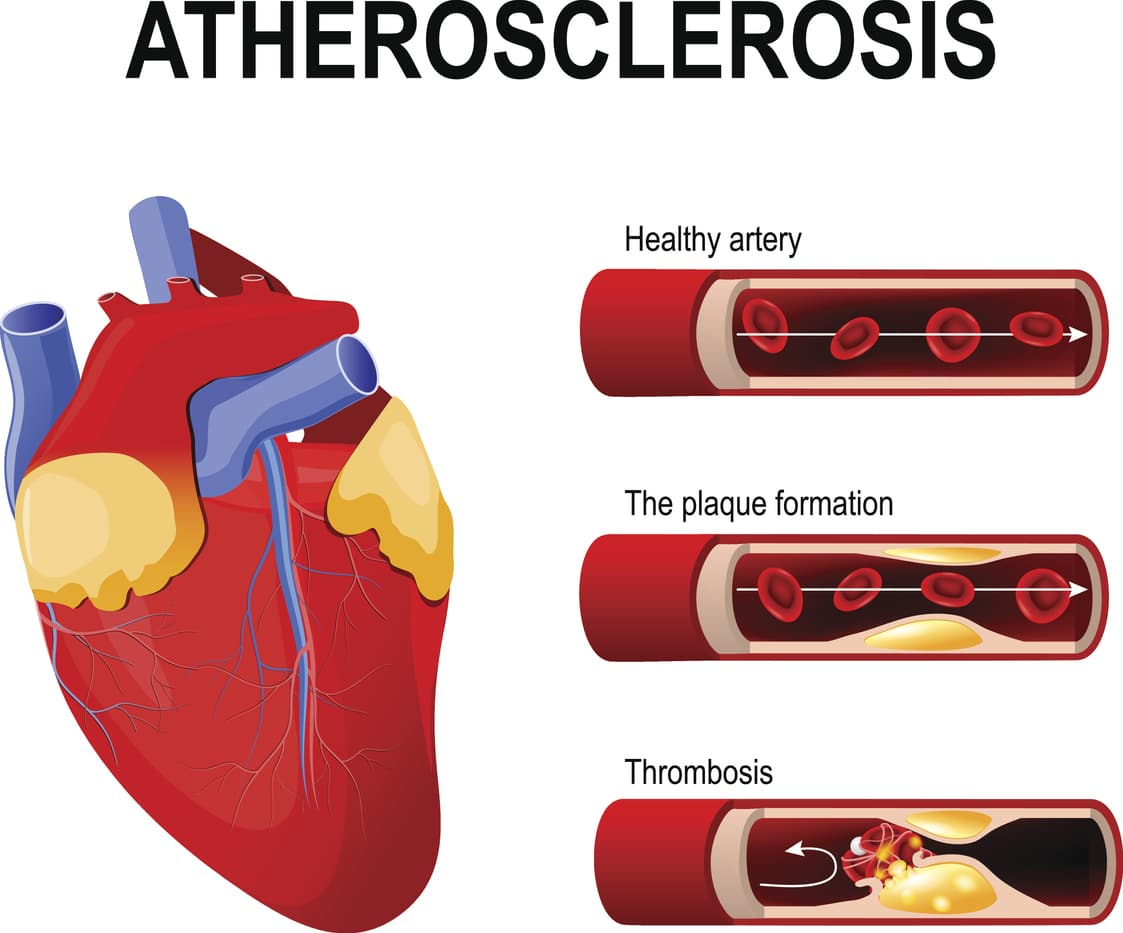
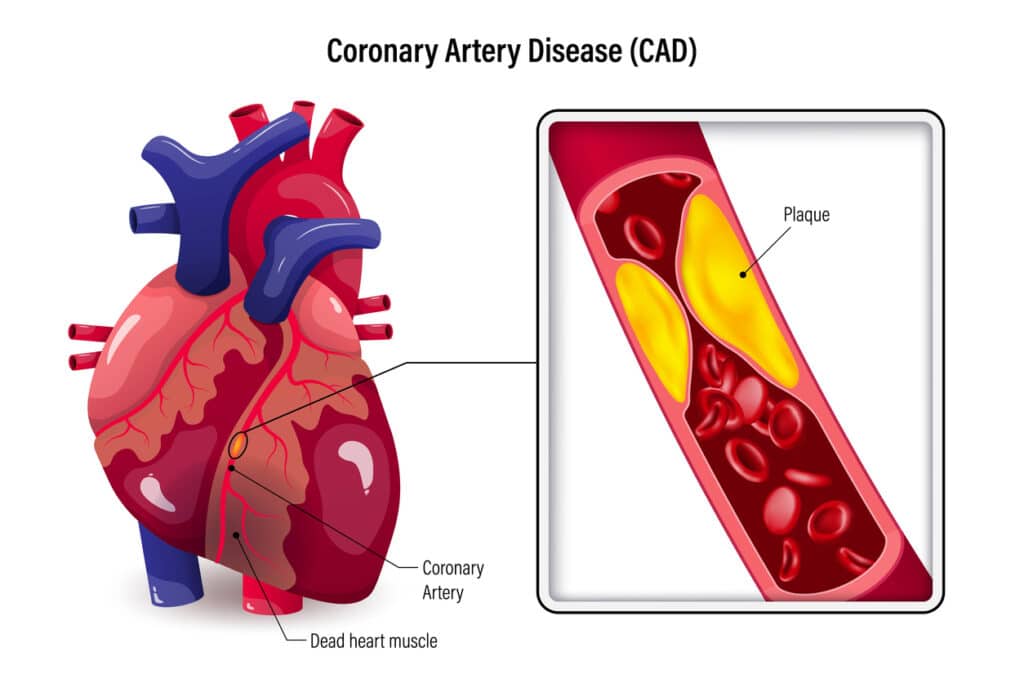
The most clinically significant form of cardiac calcification is found in the coronary arteries. Here, calcium deposits are often a manifestation of atherosclerosis, a progressive disease characterized by the hardening and narrowing of arteries due to plaque build-up. This plaque isn’t just fat; it’s a complex mixture of cholesterol, inflammatory cells, cellular debris, and, significantly, calcium. As atherosclerosis advances, these calcium deposits harden the arterial walls, making them less flexible and more prone to blockages.
Heart Valves: The Flow Regulators
Calcification can also affect the heart valves – the critical structures that ensure unidirectional blood flow through the heart. Commonly affected valves include the aortic valve and the mitral valve. When these valves calcify, they can become stiff and unable to open or close properly, leading to either stenosis (narrowing, restricting blood flow) or regurgitation (leakage, allowing blood to flow backward). This forces the heart to work harder, potentially leading to heart failure.
The Myocardium: A Less Common but Significant Finding
While less frequent than arterial or valvular calcification, calcium can also deposit within the heart muscle (myocardium) itself. This can occur in certain genetic conditions or as a result of chronic inflammation or injury. Myocardial calcification can impair the heart’s ability to contract effectively, impacting its pumping function.
The “Why” Behind the Build-up: Factors Contributing to Cardiac Calcification
The exact mechanisms driving cardiac calcification are complex and multifactorial, often intertwined with the broader processes of aging and cardiovascular disease. However, several key contributing factors have been identified:
The Atherosclerotic Cascade: More Than Just Cholesterol
As mentioned, atherosclerosis is a major driver of coronary artery calcification. The process begins with damage to the inner lining of the artery. This damage can be caused by factors such as high blood pressure, high cholesterol, smoking, and inflammation. This triggers an inflammatory response, attracting cholesterol-laden cells that accumulate within the artery wall, forming a fatty streak. Over time, this plaque can grow, incorporating other cellular components and eventually calcium. The presence of calcium in atherosclerotic plaques is often a marker of advanced disease, indicating a more stable but potentially significant blockage.
Aging: A Natural, But Not Inevitable, Factor
With age, some degree of calcification in the arteries and valves is considered a natural part of the aging process. However, the rate and extent of calcification can be significantly accelerated by the presence of cardiovascular risk factors. Therefore, while age is a factor, it’s not the sole determinant.
Chronic Kidney Disease: A Surprising Link
There’s a strong and often underestimated link between chronic kidney disease (CKD) and cardiac calcification. Damaged kidneys struggle to filter waste products from the blood, including excess phosphorus. This can lead to a build-up of both calcium and phosphorus in the bloodstream. Furthermore, CKD disrupts the body’s hormonal balance that regulates calcium and phosphate metabolism, creating a favorable environment for calcification to occur throughout the body, including the heart.
Genetic Predispositions: Inherited Tendencies
Certain genetic conditions can predispose individuals to earlier or more severe cardiac calcification. These can range from rare inherited disorders affecting calcium metabolism to genetic factors influencing the propensity for atherosclerosis.
Lifestyle and Metabolic Factors: The Modifiable Risks
Beyond the established risk factors like high blood pressure and high cholesterol, other lifestyle and metabolic factors play a crucial role:
- Diabetes: Poorly controlled diabetes accelerates atherosclerosis and can contribute to calcification through various mechanisms, including increased inflammation and oxidative stress.
- Obesity: Obesity is often associated with metabolic syndrome, a cluster of conditions that increase the risk of heart disease, including high blood pressure, high cholesterol, and insulin resistance, all of which can promote calcification.
- Inflammation: Chronic low-grade inflammation throughout the body is a key player in the development of atherosclerosis and subsequent calcification.
- Diet: Diets high in saturated fats, trans fats, and processed foods can contribute to elevated cholesterol levels and inflammation, indirectly promoting calcification.
Detecting the Unseen: Technological Advancements in Cardiac Calcification Assessment
Historically, cardiac calcification was often only discovered incidentally during other diagnostic procedures or once symptoms of advanced heart disease emerged. However, the rapid evolution of medical imaging technology has transformed the ability to detect, quantify, and assess the significance of cardiac calcification, often before it causes overt problems.
Computed Tomography (CT) Scans: The Gold Standard for Calcification Scoring
Cardiac CT, particularly with low-dose protocols, has become the cornerstone for evaluating coronary artery calcification. This non-invasive imaging technique uses X-rays to create detailed cross-sectional images of the heart and its vessels. Specialized software then analyzes these images to identify and quantify calcium deposits, assigning a “calcium score.”
The Agatston Score: Quantifying the Burden
The most widely used scoring system is the Agatston score. This method not only measures the area of calcified lesions but also assigns a density value to each lesion, resulting in a weighted score. A higher Agatston score generally indicates a greater burden of calcific plaque and a higher risk of future cardiovascular events.
Beyond the Score: Understanding the Nuances
While the Agatston score provides valuable prognostic information, it’s important to understand its limitations. A high calcium score doesn’t automatically mean an imminent heart attack. It’s a risk assessment tool. Furthermore, CT scans primarily detect calcified plaque, which tends to be more stable. Non-calcified or soft plaque, which can be more prone to rupture and cause acute events, may not be as readily visualized or quantified by calcium scoring alone.
Other Imaging Modalities: Complementary Insights
While CT reigns supreme for direct calcium quantification, other imaging techniques can offer complementary insights:
- Echocardiography (Ultrasound of the Heart): Echocardiography can detect calcification of the heart valves, assessing their structure and function. It can also visualize thickening or abnormalities of the heart muscle that might be related to myocardial calcification.
- Magnetic Resonance Imaging (MRI): Cardiac MRI can also identify calcification, particularly within the myocardium or in certain types of cardiac masses. It offers excellent soft-tissue contrast and can provide functional information about the heart.
The Power of Data and AI: Revolutionizing Cardiac Calcification Detection and Risk Prediction
The sheer volume of data generated by cardiac imaging, combined with the increasing sophistication of artificial intelligence (AI) and machine learning (ML) algorithms, is poised to revolutionize how we understand, detect, and manage cardiac calcification.
AI-Powered Image Analysis: Speed, Accuracy, and Consistency
Traditional manual analysis of cardiac CT scans for calcium scoring can be time-consuming and subject to inter-observer variability. AI algorithms are being developed and deployed to automate this process. These algorithms can:
- Identify and Segment Calcifications: Precisely delineate calcified lesions within coronary arteries and other cardiac structures.
- Calculate Calcium Scores: Rapidly and consistently generate Agatston scores and other relevant metrics.
- Detect Subtle Findings: Potentially identify calcifications that might be missed by the human eye, especially in complex cases.
- Improve Workflow Efficiency: Significantly reduce the time radiologists and cardiologists spend on image analysis, allowing them to focus on interpretation and patient care.
Predictive Analytics: Moving Beyond Static Scores
The true power of AI lies in its ability to analyze vast datasets and identify patterns that predict future outcomes. For cardiac calcification, AI can be used to:
- Integrate Multiple Data Sources: Combine calcium scores with other clinical data (e.g., patient history, lab results, genetic information, other imaging findings) to provide a more comprehensive and personalized risk assessment.
- Predict Future Cardiovascular Events: Develop sophisticated models that predict the likelihood of heart attacks, strokes, or other cardiovascular events based on the characteristics of calcification and other risk factors.
- Identify Individuals at High Risk: Proactively identify individuals who may benefit from earlier or more aggressive preventive interventions, even if they are currently asymptomatic.
- Personalize Treatment Strategies: Tailor treatment plans based on an individual’s specific risk profile and the nature of their cardiac calcification.
The Role of Technology Brands and Platforms
Leading technology companies and specialized medical imaging firms are at the forefront of developing these AI-powered solutions. Their “brand” in the healthcare space is built on innovation, reliability, and the ability to deliver tangible improvements in patient care. These platforms often integrate with existing hospital Picture Archiving and Communication Systems (PACS), enabling seamless adoption. The development of user-friendly interfaces and comprehensive validation studies are crucial for building trust and ensuring widespread adoption of these advanced technologies.
The Financial Implications: Investing in Prevention and Early Detection
The recognition of cardiac calcification as a significant marker of cardiovascular risk has profound implications for personal finance, public health spending, and the business of healthcare.
The Cost of Untreated Cardiovascular Disease
Cardiovascular disease remains a leading cause of morbidity and mortality globally, imposing a tremendous economic burden on individuals, families, and healthcare systems. The costs associated with treating heart attacks, strokes, heart failure, and the long-term management of these conditions are astronomical. This includes:
- Direct Medical Costs: Hospitalizations, surgeries, medications, rehabilitation, and ongoing medical care.
- Indirect Costs: Lost productivity due to illness and disability, premature death, and the emotional toll on families.
The Economic Case for Early Detection and Prevention
Investing in early detection of cardiac calcification, through readily available and increasingly affordable CT scans, presents a compelling economic argument. By identifying individuals at high risk before they experience a major cardiovascular event, we can implement preventive strategies that are often far less costly and more effective than treating established disease.
Personal Finance and Health Investments
For individuals, understanding their cardiac calcification status can empower them to make proactive health decisions. This might involve:
- Prioritizing Lifestyle Modifications: Increased motivation to adopt a heart-healthy diet, engage in regular exercise, manage stress, and quit smoking.
- Engaging in Regular Check-ups: Advocating for appropriate screening based on their risk factors and age.
- Strategic Health Spending: Investing in preventive health measures, such as regular check-ups and potentially cardiac calcium scoring when recommended by their physician. This can be viewed as a long-term investment in their financial well-being, as avoiding major health crises preserves earning potential and reduces unexpected financial burdens.
The Business of Cardiovascular Health
The development of advanced cardiac imaging and AI-driven risk assessment tools represents a significant market opportunity for technology companies and healthcare providers. The “money” aspect here extends beyond direct sales of equipment to include:
- Service-Based Models: Offering AI-powered analysis as a subscription service to hospitals and clinics.
- Data Monetization (Ethical Considerations): Anonymized and aggregated data can be invaluable for research and the development of new predictive models, though strict ethical guidelines and patient consent are paramount.
- Preventive Care Packages: Healthcare systems are increasingly offering comprehensive preventive care packages that may include cardiac risk assessments, making early detection a profitable business model focused on long-term patient health.

Conclusion: A Proactive Approach to a Silent Threat
Cardiac calcification, while often silent, is a critical indicator of underlying cardiovascular disease. The advancements in technology, particularly in AI and imaging, are transforming our ability to detect and stratify risk associated with these calcium deposits. By embracing these technological innovations and understanding the financial implications of both proactive prevention and reactive treatment, we can collectively move towards a future where cardiac calcification is no longer a silent threat, but a manageable aspect of cardiovascular health. The convergence of Tech, Brand, and Money is not just about innovation; it’s about empowering individuals, shaping healthcare strategies, and ultimately, saving lives by making informed decisions about our heart health.
aViewFromTheCave is a participant in the Amazon Services LLC Associates Program, an affiliate advertising program designed to provide a means for sites to earn advertising fees by advertising and linking to Amazon.com. Amazon, the Amazon logo, AmazonSupply, and the AmazonSupply logo are trademarks of Amazon.com, Inc. or its affiliates. As an Amazon Associate we earn affiliate commissions from qualifying purchases.