
The federal interest rate—specifically the federal funds rate—is often described as the most important price in the global economy. While it might seem like a dry, macroeconomic abstraction, it is the invisible hand that guides almost every financial decision you make, from the interest you pay on a credit card to the returns you see in your 401(k). For anyone looking to master their personal finances, understanding how this rate works is not just an academic exercise; it is a fundamental requirement for strategic wealth management.

The Mechanics of the Federal Funds Rate
To understand how the federal interest rate affects your wallet, one must first understand what it actually is and who controls it. In the United States, the “federal interest rate” usually refers to the federal funds rate, which is the target interest rate set by the Federal Reserve (the “Fed”).
What is the Federal Interest Rate?
At its core, the federal funds rate is the interest rate at which commercial banks borrow and lend their excess reserves to each other overnight. The law requires banks to maintain a certain level of reserves to ensure they remain solvent. When a bank has more than the required amount, it lends the surplus to a bank that is short. While this is an “interbank” rate, it acts as the base level for all other interest rates in the economy. When it costs banks more to borrow from each other, they pass those costs on to consumers and businesses.
The Role of the Federal Open Market Committee (FOMC)
The federal interest rate is not determined by the free market alone. It is set by the Federal Open Market Committee (FOMC), a group within the Federal Reserve consisting of twelve members. This committee meets eight times a year to review economic data—such as Gross Domestic Product (GDP) growth, unemployment figures, and Consumer Price Index (CPI) reports—to decide whether to raise, lower, or maintain the rate. Their decisions are the primary tool for executing the nation’s monetary policy.
Why the Fed Adjusts Rates: The Dual Mandate
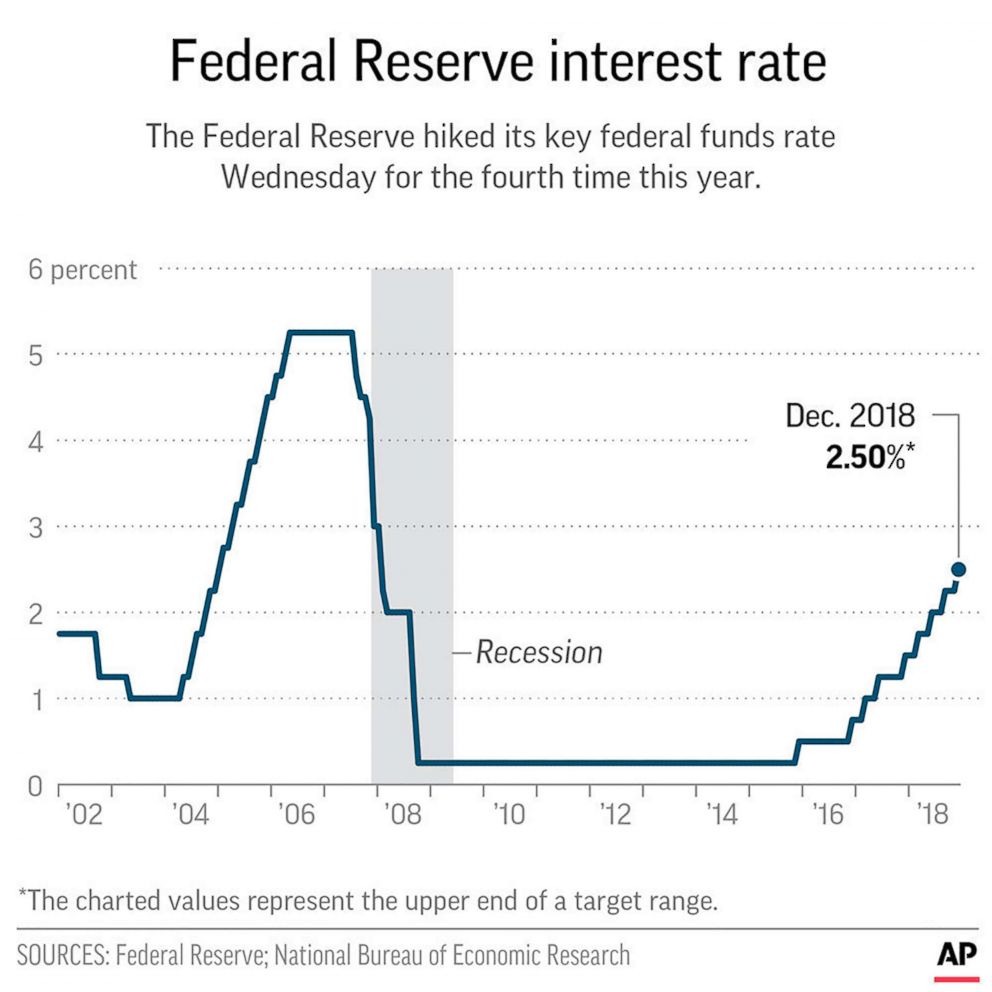
The Federal Reserve operates under a “dual mandate” assigned by Congress: to promote maximum employment and stable prices (low inflation). When the economy is growing too slowly and unemployment is high, the Fed lowers interest rates to make borrowing cheaper, encouraging businesses to expand and consumers to spend. Conversely, when the economy is “overheating” and inflation is rising, the Fed raises rates to cool down spending and bring prices back under control. Finding the “neutral rate”—where the economy grows without sparking inflation—is the ultimate goal of the FOMC.
How the Federal Interest Rate Impacts Your Wallet
The transition from a central bank meeting in Washington D.C. to your local bank account happens rapidly. This transmission mechanism affects your ability to borrow, your motivation to save, and your overall purchasing power.
Borrowing Costs: Mortgages, Auto Loans, and Credit Cards
The most immediate impact of a change in the federal interest rate is felt in the cost of debt. Most consumer loans are tied to the “Prime Rate,” which is typically 3% higher than the federal funds rate.
- Mortgages: While long-term mortgage rates are influenced by the 10-year Treasury yield, they generally move in tandem with the Fed’s direction. A 1% increase in the federal rate can translate to hundreds of dollars more in monthly payments for a new homebuyer.
- Credit Cards: Most credit cards have variable interest rates. When the Fed hikes rates, your Annual Percentage Yield (APR) usually climbs within one or two billing cycles, making it significantly more expensive to carry a balance.
- Auto Loans: Higher rates increase the total cost of ownership for vehicles, often forcing consumers to opt for longer loan terms or less expensive models.
The Bright Side: High-Yield Savings and CDs
It is not all bad news when rates rise. For savers, a high federal interest rate environment is a period of opportunity. For over a decade following the 2008 financial crisis, interest rates on savings accounts were near zero, meaning money kept in the bank actually lost purchasing power due to inflation. When the Fed raises rates, banks eventually increase the yields on High-Yield Savings Accounts (HYSAs) and Certificates of Deposit (CDs). This allows conservative investors to earn a respectable “risk-free” return on their cash reserves.
Managing Personal Debt in a High-Rate Environment
In a rising rate environment, the strategic priority for personal finance shifts from growth to debt suppression. Financial advisors often recommend “locking in” fixed rates whenever possible. If you hold a variable-rate loan or a Home Equity Line of Credit (HELOC), rising federal rates can cause your minimum payments to balloon. Prioritizing the “debt avalanche” method—paying off the highest-interest debt first—becomes crucial when the federal interest rate is on an upward trajectory.
The Federal Rate’s Influence on Investing and Wealth Building
Investors watch the Federal Reserve more closely than perhaps any other group. This is because the federal interest rate is the benchmark against which all other investments are measured.
The Inverse Relationship Between Rates and Stock Market Volatility
There is a traditional inverse relationship between interest rates and stock valuations. When interest rates rise, the “discount rate” used by analysts to value future corporate earnings also rises. This makes future profits look less valuable in today’s dollars, often leading to a sell-off in growth stocks and tech companies that rely on future earnings projections. Furthermore, higher borrowing costs eat into corporate profit margins, which can lead to lower stock prices across the board.
Fixed-Income Securities: Bonds and Treasury Yields
The bond market is the first to react to Fed policy. There is a fundamental rule in fixed income: when interest rates go up, bond prices go down. This is because new bonds are being issued with higher coupon rates, making existing bonds with lower rates less attractive. However, for an investor looking to build a portfolio, higher federal rates mean that new bonds and Treasury bills offer much higher yields than they have in years, providing a steady stream of income that can rival the returns of the stock market with significantly less risk.
Real Estate Investing in a Shifting Interest Landscape
For real estate investors, the federal interest rate is a double-edged sword. Higher rates increase the cost of financing (the “cap rate” expansion), which can put downward pressure on property values. However, it also tends to cool down the housing market, potentially creating buying opportunities for those with high cash reserves. In a high-rate environment, the “cash-on-cash” return becomes the most important metric, as the cost of the mortgage takes a larger bite out of the rental income.
Strategic Financial Planning for a Changing Economic Cycle
Successful wealth building requires an adaptable strategy that accounts for the “cost of money.” Whether rates are at historic lows or decade highs, there are specific moves you can make to optimize your financial position.
Leveraging High Rates for Passive Income
When the federal interest rate is high, the “cash” component of your portfolio should not be ignored. Utilizing financial tools like Treasury inflation-protected securities (TIPS) or building a “CD Ladder” allows you to capture high yields while maintaining liquidity. This is an ideal time for retirees or those nearing retirement to shift a portion of their wealth into these safer, high-yielding instruments to protect their principal while generating consistent passive income.
Refinancing Strategies and Timing
The timing of a refinance can save a homeowner or business owner thousands of dollars. When the Fed signals that it is beginning a “rate-cutting cycle,” it is often wise to wait until the bulk of the cuts have occurred before locking in a new mortgage rate. Conversely, if the Fed is in a “tightening cycle” (raising rates), it is often beneficial to accelerate any planned borrowing or refinancing before the next committee meeting.

Protecting Your Portfolio Against Monetary Policy Shifts
Diversification is the ultimate defense against the unpredictability of the Federal Reserve. A well-constructed portfolio should include assets that perform well in different rate environments.
- Low-Rate Environments: Focus on equities, real estate, and growth-oriented side hustles.
- High-Rate Environments: Focus on short-term bonds, high-yield savings, and value stocks with strong cash flows and low debt.
By monitoring the federal interest rate and understanding its ripple effects, you transition from a passive participant in the economy to a strategic manager of your own wealth. Whether you are paying down a student loan, investing in the S&P 500, or launching an online business, the Fed’s decisions provide the context in which your financial success is built. Understanding this “rate-driven” world allows you to anticipate market moves rather than merely reacting to them, ensuring that your financial plan remains robust regardless of which way the economic winds blow.
aViewFromTheCave is a participant in the Amazon Services LLC Associates Program, an affiliate advertising program designed to provide a means for sites to earn advertising fees by advertising and linking to Amazon.com. Amazon, the Amazon logo, AmazonSupply, and the AmazonSupply logo are trademarks of Amazon.com, Inc. or its affiliates. As an Amazon Associate we earn affiliate commissions from qualifying purchases.