
In today’s hyper-connected world, the volume, velocity, and variety of information generated by consumers and businesses are exploding. This phenomenon, known as “big data,” has fundamentally reshaped how marketers operate. Gone are the days of broad-stroke campaigns and generic messaging. Instead, marketers are leveraging big data to understand their audiences with unprecedented depth, personalize their outreach, and ultimately drive more effective and profitable marketing strategies. But what exactly is big data in the context of marketing, and how is it being wielded to achieve success?
At its core, big data in marketing refers to the immense and complex datasets that marketing teams collect, process, and analyze. These datasets are so large and intricate that traditional data processing applications are inadequate to handle them. Instead, sophisticated technologies and advanced analytical techniques are required to extract meaningful insights. These insights then inform every facet of a marketing campaign, from understanding customer behavior and preferences to optimizing ad spend and predicting future trends.
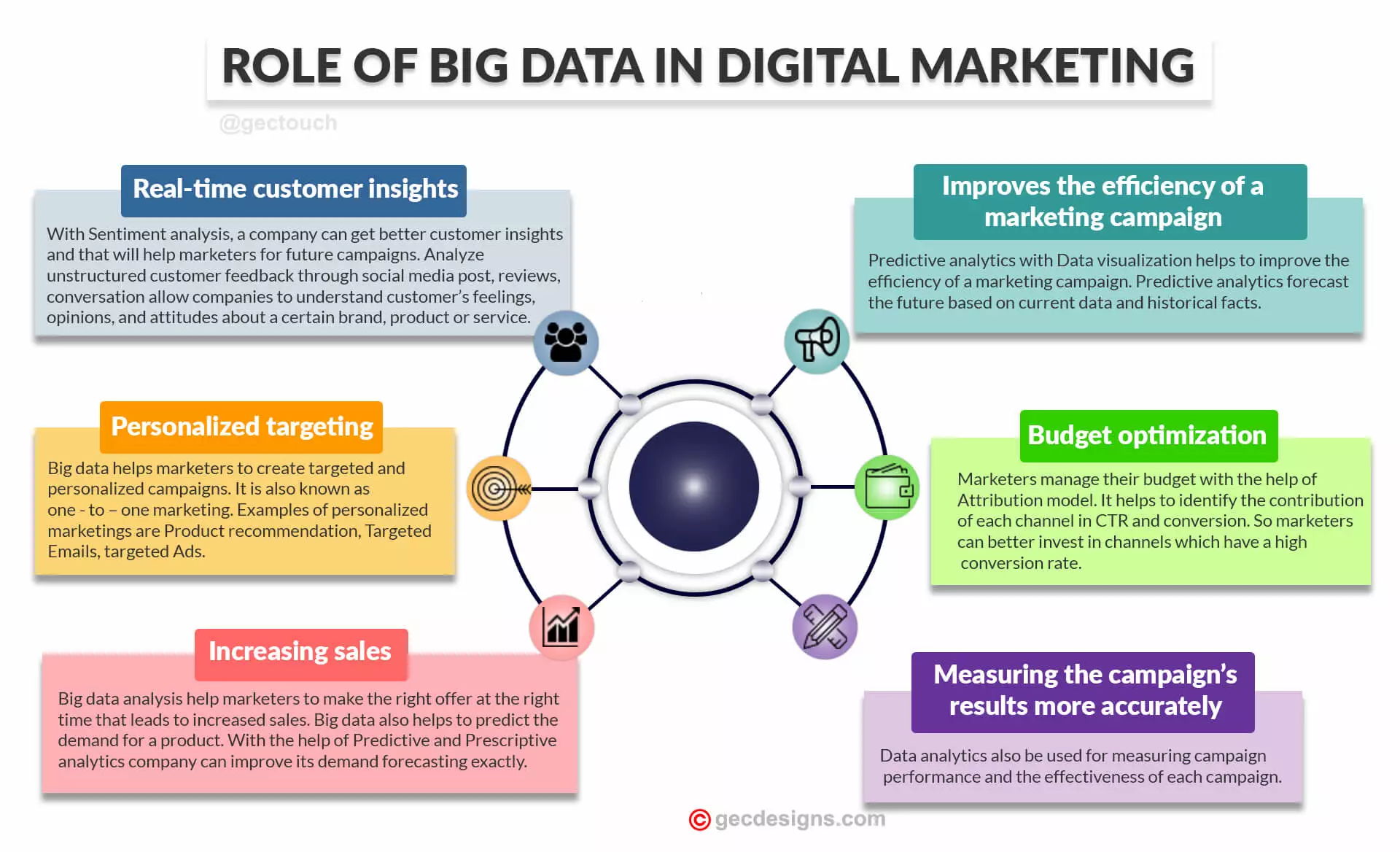
The integration of big data into marketing is not merely an optional upgrade; it’s a strategic imperative for any brand aiming to thrive in the modern marketplace. Brands that effectively harness big data gain a significant competitive edge by understanding their customers on a granular level, delivering hyper-personalized experiences, and making data-driven decisions that maximize ROI.
The Pillars of Big Data in Marketing
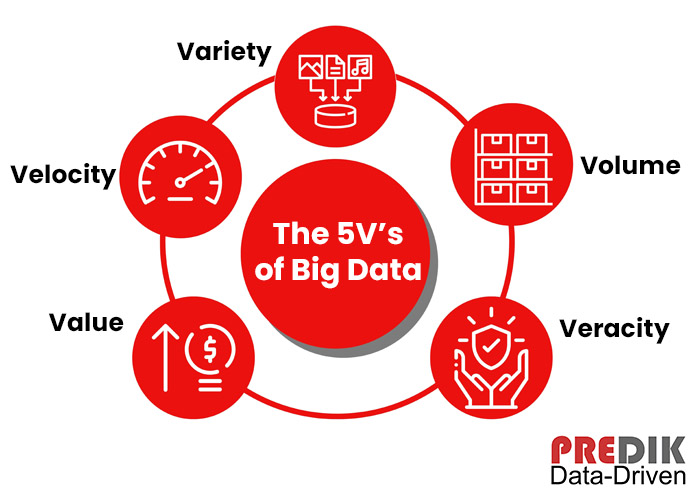
To truly grasp the significance of big data in marketing, it’s essential to understand its foundational characteristics, often referred to as the “Vs.” While the original concept focused on three Vs (Volume, Velocity, and Variety), the definition has expanded to encompass more attributes that highlight the complexity and potential of these datasets.
Volume: The Sheer Scale of Information
The “Volume” of big data refers to the sheer quantity of information being generated. Consider the vast amounts of data produced every second from:
- Website interactions: Clicks, page views, time spent on page, scroll depth, form submissions, and download activity.
- Social media engagement: Likes, shares, comments, posts, direct messages, and follower demographics.
- Transaction records: Purchase history, product preferences, return rates, and payment methods from e-commerce platforms and physical stores.
- Customer service interactions: Call logs, chat transcripts, email correspondence, and feedback surveys.
- Mobile app usage: In-app actions, location data, device information, and user preferences.
- IoT devices: Smart home devices, wearables, and connected car data, which are increasingly collecting user behavior information.
For marketers, this sheer volume means a richer, more comprehensive view of their customers. Instead of relying on small, limited samples, they can analyze the behavior of millions of individuals, uncovering patterns and trends that would otherwise remain hidden. The challenge here lies in the efficient storage, management, and processing of these colossal datasets.
Velocity: The Speed of Data Generation and Analysis
“Velocity” pertains to the speed at which data is generated and needs to be processed. In today’s digital landscape, data is not static; it’s constantly flowing.
- Real-time website analytics: Marketers need to understand user behavior as it happens to make immediate adjustments to website content, offers, or ad targeting.
- Social media monitoring: Tracking brand mentions and sentiment in real-time allows for rapid response to customer feedback, crises, or emerging trends.
- Dynamic pricing and promotions: E-commerce platforms can adjust prices and offers based on competitor activity, inventory levels, and customer demand in real-time.
- Fraud detection: Financial institutions and e-commerce sites use high-velocity data analysis to identify and prevent fraudulent transactions as they occur.
The ability to process and analyze data at speed is crucial for making timely and relevant marketing decisions. This often involves employing streaming analytics and real-time dashboards to provide marketers with up-to-the-minute insights.
Variety: The Diverse Nature of Data Sources
“Variety” highlights the different types and formats of data that big data encompasses. This data can be:
- Structured data: This is highly organized information that fits neatly into rows and columns, such as customer databases, sales figures, and CRM entries.
- Unstructured data: This data lacks a predefined format and includes text documents, emails, social media posts, images, videos, and audio files. Analyzing unstructured data requires natural language processing (NLP) and machine learning techniques to extract meaning.
- Semi-structured data: This data falls somewhere in between, possessing some organizational properties but not adhering to strict tabular structures, such as log files and XML documents.
The diverse nature of big data means marketers need to integrate information from various sources, from traditional customer relationship management (CRM) systems to social media feeds and sensor data. This integration is key to building a holistic view of the customer journey.
Veracity: Ensuring Data Accuracy and Trustworthiness
While not part of the original three, “Veracity” has become increasingly critical. It addresses the uncertainty and quality of data. Not all data is accurate or reliable.
- Incomplete or inaccurate customer information: Typos in email addresses, outdated phone numbers, or incorrect demographic data can skew analysis.
- Misleading survey responses: Customers might not always provide honest or accurate answers in surveys.
- Bot traffic and fake accounts: Social media platforms can be infiltrated by non-human activity that distorts engagement metrics.
Marketers must implement robust data cleansing and validation processes to ensure the accuracy of their insights. Without trustworthy data, even the most sophisticated analytical models will produce flawed results, leading to ineffective marketing strategies.
Value: Extracting Actionable Insights
Ultimately, the true power of big data lies in its ability to deliver “Value.” This refers to the process of transforming raw data into actionable insights that drive business objectives. It’s not just about collecting data; it’s about understanding what the data means and how it can be used to improve marketing efforts, enhance customer experiences, and boost profitability.
- Identifying high-value customer segments: Understanding which customer groups are most profitable and likely to convert.
- Personalizing content and offers: Delivering tailored messages and promotions based on individual preferences and past behavior.
- Optimizing marketing channel performance: Allocating budget to the channels that yield the best return on investment.
- Predicting customer churn: Identifying customers at risk of leaving and implementing retention strategies.
- Improving product development: Understanding customer needs and preferences to inform new product offerings.
Without a clear strategy for extracting and acting upon this value, the other Vs become mere data overload.
How Big Data Transforms Marketing Strategies
The application of big data principles extends across the entire marketing spectrum, from initial strategy development to the execution and optimization of campaigns. Here’s how it’s making a tangible difference:
Enhanced Customer Understanding and Segmentation
Traditional segmentation relied on broad demographic categories. Big data allows for hyper-segmentation based on granular behavioral patterns, psychographics, and even predictive intent.
- Predictive Analytics for Customer Behavior: By analyzing past purchase history, browsing behavior, and engagement with marketing materials, marketers can predict future actions. This includes predicting the likelihood of a customer making a purchase, responding to a promotion, or even churning.
- Micro-segmentation: Instead of broad segments like “young women,” big data enables segmentation like “eco-conscious urban women aged 25-34 who frequently purchase organic products and engage with sustainability-focused content on Instagram.” This level of detail allows for highly targeted messaging.
- Customer Lifetime Value (CLV) Optimization: Identifying customers with the highest potential CLV allows marketers to focus retention efforts and allocate resources more effectively, nurturing long-term relationships.
Hyper-Personalized Marketing Campaigns
Personalization is no longer a luxury; it’s an expectation. Big data fuels the ability to deliver truly individualized marketing experiences.
- Dynamic Content Personalization: Websites, emails, and ads can dynamically change content, offers, and product recommendations based on the individual user’s profile and real-time behavior. For example, a website might show different product banners to a returning customer versus a first-time visitor.
- Personalized Product Recommendations: E-commerce giants like Amazon and Netflix have mastered this, using algorithms to suggest products or content that a user is highly likely to be interested in, based on their past interactions and those of similar users.
- Tailored Email Marketing: Moving beyond simple name personalization, emails can be crafted with subject lines, content, and offers that resonate with individual preferences and buying stages, increasing open rates and conversion.
Optimizing Marketing Spend and ROI
Data-driven insights are crucial for ensuring that marketing budgets are spent efficiently and effectively.
- Attribution Modeling: Understanding which marketing touchpoints contribute most to conversions is vital. Big data allows for sophisticated multi-touch attribution models that go beyond last-click, providing a clearer picture of campaign effectiveness across various channels.
- Predictive Budget Allocation: By analyzing historical campaign performance and market trends, marketers can forecast the potential return on investment for different marketing initiatives, allowing for more strategic budget allocation.
- A/B Testing and Multivariate Testing at Scale: Big data platforms can manage and analyze the results of numerous A/B tests simultaneously, allowing for continuous optimization of ad copy, landing pages, and calls to action to improve conversion rates.
Enhanced Customer Experience and Service
Understanding customer pain points and preferences through data leads to improved customer service and overall experience.
- Proactive Customer Support: By analyzing customer interaction data, brands can identify potential issues before they escalate and proactively reach out to customers with solutions.
- Personalized Support Interactions: When customers do need support, agents equipped with comprehensive customer data can provide more efficient and personalized assistance, understanding their history and preferences.
- Streamlined Customer Journeys: Analyzing how customers navigate through different touchpoints of the brand helps identify friction points and areas for improvement, creating a smoother and more enjoyable experience.
Challenges and Considerations in Big Data Marketing
While the benefits are immense, implementing big data strategies in marketing is not without its hurdles.
Data Privacy and Security
With great data comes great responsibility. Marketers must navigate a complex landscape of data privacy regulations (like GDPR and CCPA) and ensure the secure storage and handling of sensitive customer information. Building trust with consumers is paramount, and any data breach can have severe reputational and financial consequences.
Data Integration and Management
Collecting data from disparate sources is only the first step. Integrating this data into a unified, accessible platform that can be readily analyzed is a significant technical challenge. Many organizations struggle with siloed data systems that prevent a holistic view.
Talent and Skill Gaps
Extracting value from big data requires specialized skills. Marketers need to understand data analytics, machine learning, and data visualization. The demand for data scientists and analysts often outstrips the supply, creating a talent gap for many companies.
The Need for the Right Technology Stack
Effective big data marketing relies on robust technological infrastructure. This includes data warehouses, data lakes, business intelligence tools, AI-powered analytics platforms, and customer data platforms (CDPs). Selecting and implementing the right tools is crucial for success.
Ethical Considerations and Avoiding Bias
As algorithms become more sophisticated, so does the potential for bias. Marketers must be vigilant in identifying and mitigating biases in their data and algorithms to ensure fair and equitable marketing practices. The goal is to inform, not to manipulate, and to treat all customers with respect.
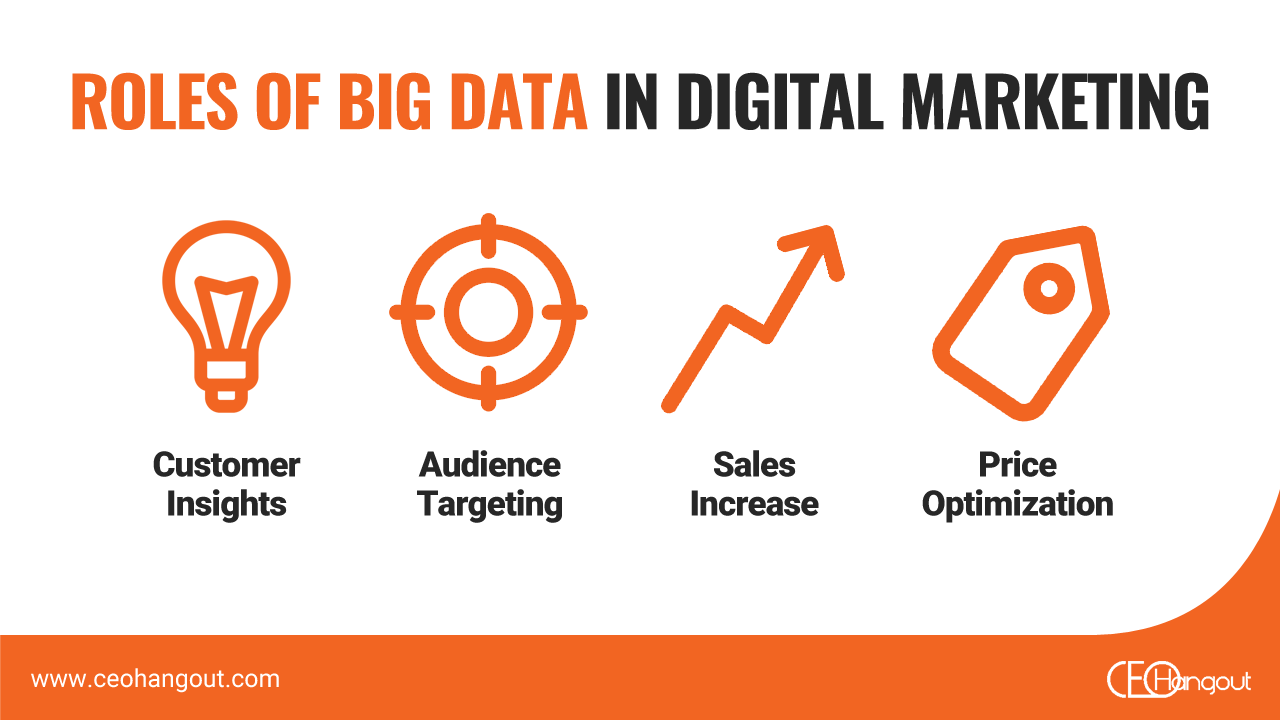
The Future of Big Data in Marketing
The evolution of big data in marketing is far from over. We can anticipate even more sophisticated applications and integration with emerging technologies:
- AI and Machine Learning: Expect further advancements in AI-powered predictive analytics, natural language generation for personalized content, and automated campaign optimization.
- Real-time Personalization at an Unprecedented Scale: The ability to personalize experiences in real-time across all channels will become even more refined.
- Augmented Reality (AR) and Virtual Reality (VR) Data: As AR and VR technologies become more mainstream, they will generate new forms of data that marketers can leverage to create immersive and interactive experiences.
- Ethical AI and Data Usage: Increased scrutiny and evolving regulations will drive a greater focus on transparent, ethical, and responsible data usage.
In conclusion, big data has transitioned from a buzzword to an indispensable component of modern marketing. By understanding its foundational principles, embracing its transformative potential, and proactively addressing its challenges, brands can unlock unprecedented levels of customer insight, drive exceptional engagement, and achieve sustainable growth in an increasingly data-driven world. The ability to effectively harness the power of big data is no longer a differentiator; it’s a prerequisite for marketing success.
aViewFromTheCave is a participant in the Amazon Services LLC Associates Program, an affiliate advertising program designed to provide a means for sites to earn advertising fees by advertising and linking to Amazon.com. Amazon, the Amazon logo, AmazonSupply, and the AmazonSupply logo are trademarks of Amazon.com, Inc. or its affiliates. As an Amazon Associate we earn affiliate commissions from qualifying purchases.