
In a world increasingly driven by data, algorithms, and sophisticated technologies, it’s easy to get lost in the “how” and the “what.” We marvel at the latest AI advancements, strategize intricate marketing campaigns, and navigate the complex landscape of personal finance. But underlying every technological innovation, every successful brand, and every financial decision is a fundamental force: human behavior. This is where behavioral science steps in, offering a powerful lens through which to understand the intricate tapestry of human actions, motivations, and decision-making.
Behavioral science isn’t a single discipline; it’s an interdisciplinary field that draws from psychology, economics, sociology, neuroscience, anthropology, and more. Its core objective is to explain why people do what they do, often in ways that defy pure rationality. It seeks to uncover the underlying principles that govern our choices, habits, and interactions, and critically, how these insights can be applied to improve individual lives, organizational effectiveness, and societal outcomes.

Think about the products you use daily, the brands you trust, the financial choices you make, and even the way you approach learning new technologies. Each of these is, in some way, influenced by behavioral principles. Understanding these principles can empower you to be a more informed consumer, a more effective professional, and a more insightful individual.
The Pillars of Behavioral Science: Understanding the Foundations
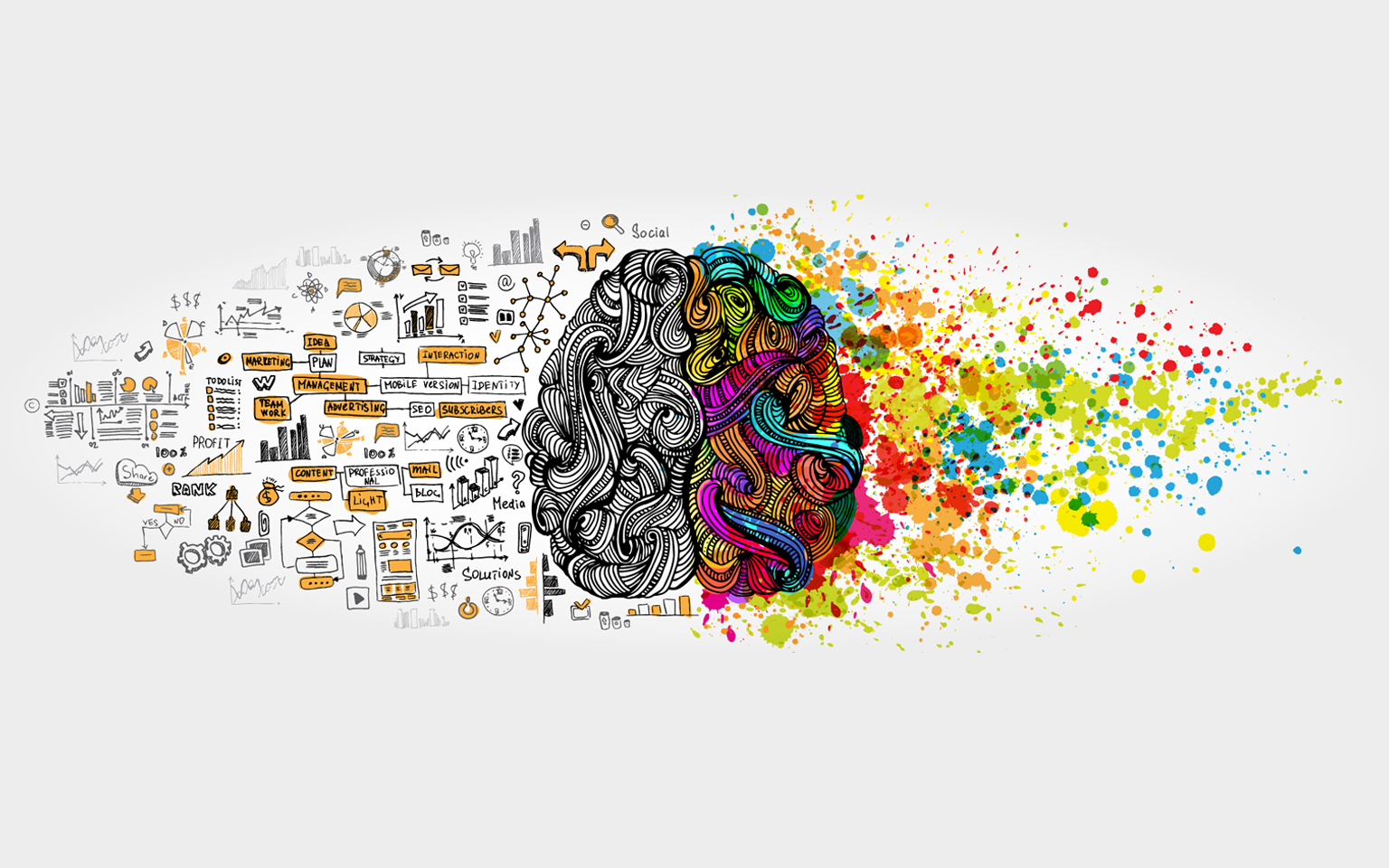
At its heart, behavioral science challenges the long-held assumption that humans are always rational actors. While we are capable of logical thought, our decisions are frequently shaped by a complex interplay of cognitive biases, emotional influences, social pressures, and environmental cues. Behavioral science seeks to illuminate these less obvious, yet profoundly impactful, drivers.
Cognitive Biases: The Mental Shortcuts That Shape Our Reality
One of the most significant contributions of behavioral science is the identification and study of cognitive biases. These are systematic patterns of deviation from norm or rationality in judgment. They are essentially mental shortcuts, or heuristics, that our brains use to process information quickly and efficiently. While often helpful, they can also lead to predictable errors in thinking.
Consider the confirmation bias, the tendency to favor information that confirms our existing beliefs. This can manifest in how we consume news, interact on social media, or even in how we conduct market research. If we are looking for evidence that a particular AI tool is revolutionary, we are more likely to notice and highlight information that supports this view, while downplaying or ignoring contradictory evidence.
Another pervasive bias is the availability heuristic, where we overestimate the likelihood of events that are more easily recalled in memory. This can lead to skewed perceptions of risk. For example, vivid news reports of a rare cyberattack might lead individuals to overestimate the general threat of cybercrime, potentially leading to excessive security measures or unnecessary anxiety.
The anchoring bias is also incredibly common, where we rely too heavily on the first piece of information offered (the “anchor”) when making decisions. In finance, this might be the initial price presented for an investment, influencing our perception of its true value. In marketing, the original price of a product before a discount acts as an anchor, making the sale price seem more attractive.
Understanding these and many other cognitive biases – such as the endowment effect (valuing something more simply because we own it), the framing effect (being influenced by how information is presented), and the bandwagon effect (doing or believing things because many other people do or believe the same) – is crucial. It allows us to recognize when our own thinking might be compromised and to develop strategies to mitigate these biases in our decision-making, whether in tech adoption, brand building, or financial planning.
The Influence of Context and Environment: Nudging Towards Better Outcomes
Behavioral science also emphasizes the profound impact of our environment and the context in which decisions are made. This understanding has given rise to the concept of “nudging,” a term popularized by Richard Thaler and Cass Sunstein. Nudging involves subtly altering the “choice architecture” – the way in which options are presented – to encourage certain behaviors without restricting choice or altering economic incentives.
Imagine a company aiming to increase employee participation in a new productivity app. Instead of simply announcing the app, they could implement a nudge. For example, by making the app the default option for task management, or by sending gentle reminders at strategic times, they can increase adoption rates. This leverages the status quo bias, our preference for keeping things as they are.
In the realm of personal finance, nudging can be incredibly effective. Automatic enrollment in retirement savings plans, where employees are automatically enrolled unless they opt-out, has significantly boosted savings rates. Similarly, framing bills to show how much energy is consumed compared to neighbors can encourage conservation.
The design of digital interfaces also heavily relies on behavioral principles. The placement of a “buy now” button, the use of progress bars in online forms, and the personalization of product recommendations are all designed to influence user behavior, aiming for engagement, conversion, and satisfaction. Understanding these nudges, both as users and as creators of technology or brands, is key to navigating the digital world effectively and ethically.
The Power of Social Influence: We Are Social Creatures
Humans are inherently social beings, and our behavior is profoundly shaped by the actions and beliefs of others. Social influence operates through various mechanisms, including conformity, obedience, and social norms.
Conformity is the tendency to change one’s beliefs or behavior to match those of a group. This is evident in fashion trends, the adoption of new technologies, and even in how we perceive the success of a particular business strategy. If everyone in your industry is investing in a specific AI tool, you might feel compelled to do the same, even if you haven’t fully evaluated its individual merit.
Social norms – the unwritten rules of behavior that are considered acceptable in a group or society – also play a significant role. For businesses, understanding and leveraging social norms can be a powerful marketing tool. Testimonials, reviews, and the showcasing of popular choices all tap into the desire to align with what others are doing.
The concept of social proof is a prime example. When we see that many other people have purchased a product, left positive reviews, or are using a particular app, we are more likely to trust and adopt it ourselves. This is why case studies are so vital in marketing and business development; they provide tangible evidence of success driven by the behavior of others.
In personal finance, peer comparisons can also influence spending and saving habits. Understanding these social dynamics allows individuals and organizations to better predict and influence behavior, from encouraging sustainable practices to driving adoption of innovative software.
Applying Behavioral Science in Tech, Brand, and Money
The insights gleaned from behavioral science are not merely academic curiosities; they have profound practical applications across various domains, especially within the interconnected worlds of technology, branding, and finance.
Tech: Designing for Engagement and Adoption
The technology sector is a fertile ground for behavioral science application. From the design of user interfaces to the strategies behind product launches, understanding how people interact with technology is paramount.
- User Experience (UX) Design: Behavioral principles are embedded in every aspect of UX. For instance, the liking principle (we are more likely to be influenced by people we like) can be applied through friendly onboarding processes and helpful customer support. The principle of consistency (people like to be consistent with what they have previously done or said) is leveraged by encouraging users to perform small, consistent actions that lead to larger commitments, like completing profile information or trying a new feature.
- AI and Machine Learning: AI tools are increasingly being developed to understand and predict human behavior. This ranges from personalized recommendations on e-commerce platforms to sentiment analysis in social media monitoring. However, it’s crucial to apply behavioral science ethically, ensuring that AI is used to empower users rather than exploit their biases. Understanding reinforcement learning, where agents learn through trial and error by receiving rewards or punishments, is key to designing AI systems that encourage desired user actions.
- Productivity Apps and Digital Well-being: Many productivity apps are designed to combat procrastination and improve focus. They often leverage principles like habit formation, breaking down tasks into smaller, manageable steps, and providing immediate feedback to reinforce positive behavior. Conversely, understanding the behavioral drivers of digital addiction is crucial for developing tools and strategies that promote healthier technology use.
Brand: Building Trust and Loyalty Through Human Understanding
In the competitive landscape of branding and marketing, a deep understanding of consumer psychology is not just an advantage – it’s a necessity. Behavioral science provides the roadmap.
- Brand Strategy and Identity: A strong brand identity resonates with consumers on an emotional level. Behavioral science helps marketers understand what triggers positive emotions, builds trust, and fosters a sense of belonging. The authority principle (we are more likely to obey figures of authority) can be leveraged through endorsements from credible figures or experts.
- Marketing Campaigns: Effective marketing campaigns tap into psychological triggers. Understanding loss aversion (people prefer avoiding losses to acquiring equivalent gains) can inform promotional strategies, such as limited-time offers or emphasizing what customers might miss out on. The scarcity principle (perceived scarcity generates demand) is another powerful marketing tool.
- Customer Relationships and Reputation Management: Building lasting customer relationships requires understanding customer needs and motivations. Behavioral science helps identify drivers of customer loyalty, such as reciprocity (people feel obligated to return favors) and the mere-exposure effect (people tend to prefer things they are familiar with). Managing online reputation effectively involves understanding how negative experiences can spread rapidly and employing strategies to foster positive word-of-mouth.
Money: Empowering Financial Decisions and Well-being
The domain of personal and business finance is heavily influenced by human behavior, often in ways that lead to suboptimal outcomes. Behavioral science offers solutions to promote better financial health.
- Personal Finance Management: Understanding present bias (valuing immediate rewards more highly than future rewards) is key to addressing issues like overspending and undersaving. Financial tools and apps can be designed using behavioral principles to encourage saving, budgeting, and debt reduction. For instance, gamifying savings goals or providing clear visualizations of financial progress can be highly effective.
- Investing: Behavioral finance, a subfield of behavioral economics, highlights how psychological factors impact investment decisions, often leading to market bubbles and crashes. Recognizing biases like herd mentality and overconfidence is crucial for investors to make rational choices rather than emotional ones. Understanding loss aversion can also help investors avoid making impulsive decisions during market downturns.
- Online Income and Side Hustles: For those pursuing online income or side hustles, understanding consumer behavior is vital for product development, marketing, and customer service. Behavioral science can help identify unmet needs, craft compelling value propositions, and build trust with online customers. Strategies to overcome analysis paralysis (the tendency to overthink and delay decisions) are also important for entrepreneurs.
The Future of Behavioral Science: A Holistic Approach
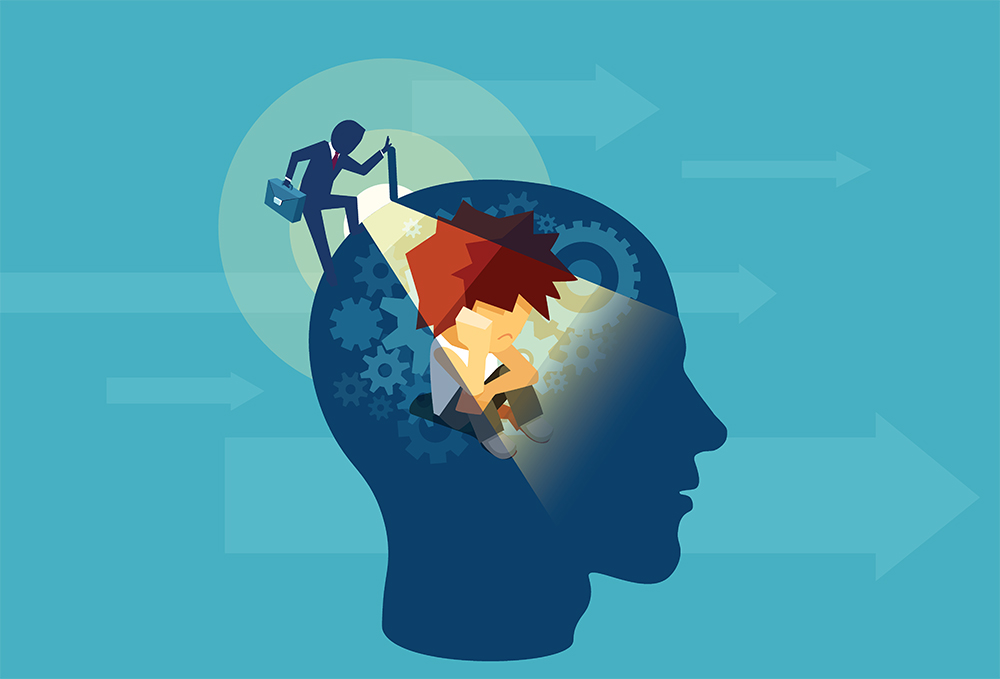
As we navigate an increasingly complex and interconnected world, the principles of behavioral science will only become more relevant. The confluence of technology, branding, and finance presents a unique opportunity to apply these insights for the betterment of individuals and society.
The ethical application of behavioral science is paramount. As we develop more sophisticated ways to understand and influence behavior, it is crucial to do so with transparency, respect for individual autonomy, and a commitment to fostering well-being. The goal is not to manipulate, but to empower individuals to make choices that align with their long-term interests and values.
Whether you are developing the next groundbreaking app, crafting a compelling brand narrative, or striving for financial freedom, understanding “what is behavioral science” provides an invaluable toolkit. By delving into the “why” behind human actions, we unlock the potential to design better products, build stronger brands, make wiser financial decisions, and ultimately, lead more fulfilling lives. The future is behavioral, and by embracing its principles, we can shape it for the better.
aViewFromTheCave is a participant in the Amazon Services LLC Associates Program, an affiliate advertising program designed to provide a means for sites to earn advertising fees by advertising and linking to Amazon.com. Amazon, the Amazon logo, AmazonSupply, and the AmazonSupply logo are trademarks of Amazon.com, Inc. or its affiliates. As an Amazon Associate we earn affiliate commissions from qualifying purchases.