
Understanding the anatomy of a stock market crash is essential for any investor seeking to navigate the volatile waters of global finance. While every market downturn has its unique nuances, historical data and economic theory consistently point toward two primary catalysts that drive a standard correction into a full-scale collapse: excessive speculative overvaluation and sudden systemic liquidity shocks. These two factors do not operate in isolation; rather, they form a symbiotic relationship that creates a fragile environment where a single spark can lead to a catastrophic loss of value.
When we examine the most significant crashes in history—from the Great Depression of 1929 to the Dot-com bubble of 2000 and the Great Recession of 2008—the fingerprints of these two factors are everywhere. By deconstructing how overvaluation and liquidity constraints interact, we can better understand the warning signs of market instability and the structural vulnerabilities of the modern financial system.

The Role of Speculative Overvaluation and Market Euphoria
The first and perhaps most visible factor contributing to a stock market crash is the presence of extreme speculative overvaluation. This occurs when the market prices of assets significantly exceed their intrinsic value, often driven by a collective psychological state known as “irrational exuberance.” In this phase, investors stop looking at fundamental metrics—such as price-to-earnings (P/E) ratios, cash flow, and debt levels—and begin making decisions based on the “greater fool theory.” This theory suggests that you can profit from an overpriced asset as long as there is someone else willing to pay an even higher price for it.
The Psychology of the Bubble
Every major crash is preceded by a period of sustained growth that eventually transitions into a speculative bubble. During this time, the narrative often shifts from sound financial planning to a “new era” philosophy. Investors start to believe that the traditional rules of economics no longer apply due to technological advancements, changes in government policy, or demographic shifts.
This psychological shift is reinforced by FOMO (Fear Of Missing Out). As neighbors, colleagues, and media personalities highlight their massive returns, more retail and institutional capital pours into the market. This influx of capital creates a self-fulfilling prophecy where rising prices attract more buyers, pushing prices even further away from reality. When valuations reach a point where they can no longer be justified by even the most optimistic growth projections, the market becomes a “house of cards,” waiting for a catalyst to bring it down.
Margin Trading and the Danger of Leverage
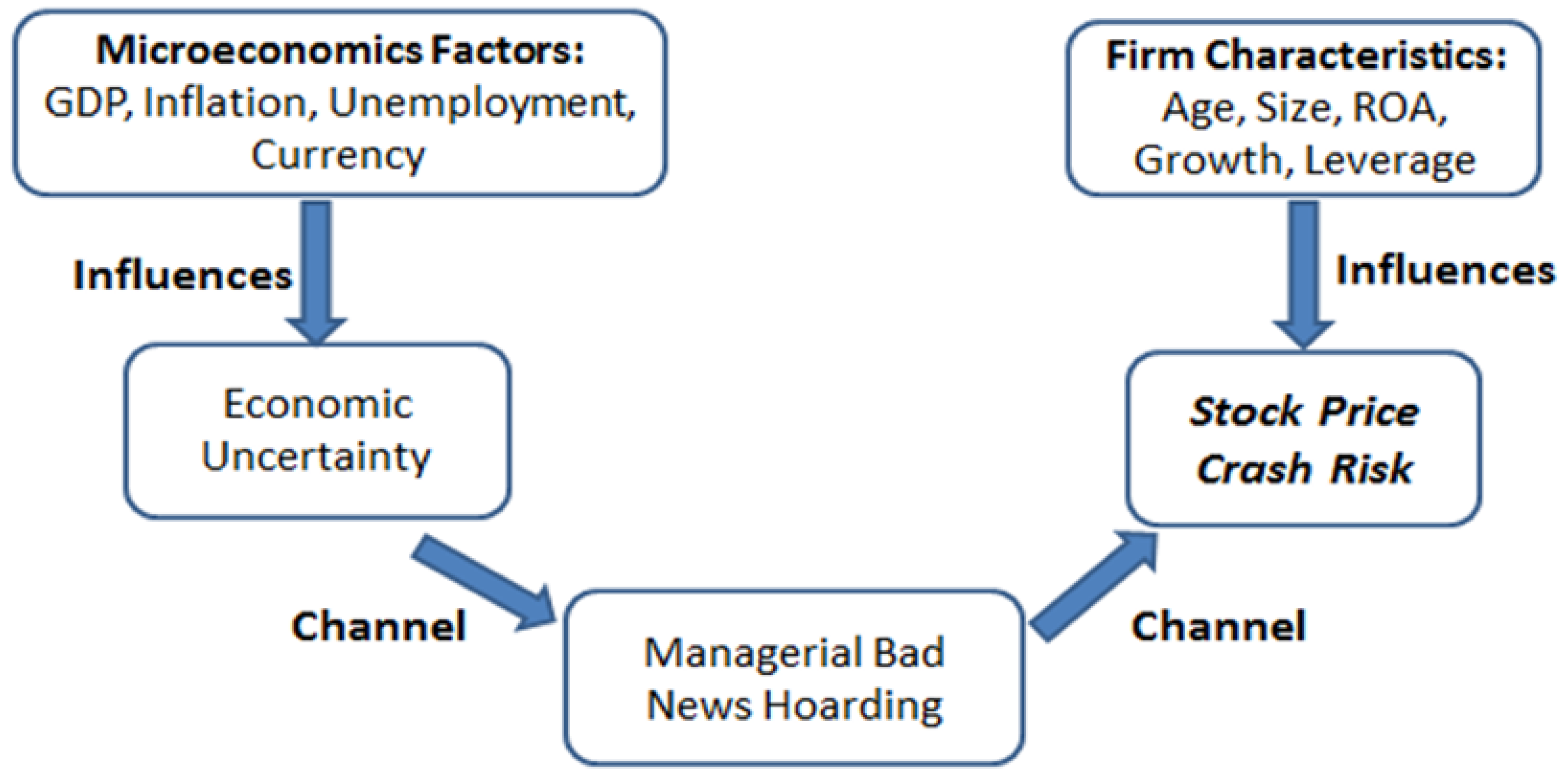
Speculative overvaluation is often fueled by cheap debt. When interest rates are low and credit is easy to obtain, investors are encouraged to use leverage—borrowing money to buy more stocks. Margin trading amplifies gains during a bull market, but it creates a dangerous vulnerability.
If stock prices begin to dip, brokers issue “margin calls,” requiring investors to either deposit more cash or sell their positions immediately to cover the loan. In a highly leveraged market, a small decline can trigger a wave of forced selling. This forced selling puts further downward pressure on prices, leading to more margin calls and creating a cascading effect. Leverage effectively turns a minor correction into a localized panic, laying the groundwork for a total market crash.
Systemic Liquidity Shocks and Monetary Contraction
If speculative overvaluation is the wood that builds the fire, a liquidity shock is the match that ignites it. Liquidity refers to the ease with which assets can be converted into cash without affecting their market price. In a healthy market, there are always enough buyers and sellers to facilitate transactions. However, during a crash, liquidity often evaporates in an instant.
A liquidity shock typically stems from one of two sources: a sudden change in central bank policy or a crisis in the credit markets. When the flow of money slows down, the entire financial architecture begins to groan under the weight of its own complexity.
The Impact of Central Bank Policy and Interest Rates
Central banks, such as the Federal Reserve, play a pivotal role in maintaining market stability. However, their efforts to curb inflation or cool an overheating economy can unintentionally trigger a crash. When a central bank raises interest rates, the cost of borrowing increases. This has a two-fold effect on the stock market.
First, higher interest rates make fixed-income assets, like bonds, more attractive relative to stocks. Investors begin to rotate their capital out of “risky” equities and into “safer” yields. Second, higher rates increase the operating costs for corporations, leading to lower earnings and reduced capital expenditure. If a central bank tightens monetary policy too aggressively or too quickly, it can drain the liquidity that was supporting high stock valuations. Without a constant stream of cheap capital to prop up prices, the market’s upward momentum stalls and reverses.
The “Credit Freeze” and Institutional Panic
Liquidity is also tied to the health of the banking system. In many historical crashes, the stock market collapse was preceded or accompanied by a freeze in the interbank lending market. Banks lend to one another to maintain their daily reserve requirements; when trust between these institutions breaks down—often due to fears about “toxic assets” or insolvency—lending stops.
When banks stop lending, the entire economy experiences a credit crunch. Businesses cannot fund their operations, and consumers cannot get loans for houses or cars. In the stock market, this manifests as a “bid-side vacuum.” Sellers want to exit their positions, but there are no buyers with the available capital or the willingness to take the other side of the trade. This lack of liquidity causes prices to “gap down,” falling precipitously in a matter of minutes or hours, as seen in various “flash crashes” throughout the 21st century.
Lessons from History: How These Factors Interact
To truly understand how overvaluation and liquidity shocks work together, we must look at the historical precedents that have shaped modern financial regulation. While the catalysts change, the underlying mechanics remains remarkably consistent.
The 1929 Great Depression: A Study in Margin and Policy Failure
In the late 1920s, the U.S. stock market was characterized by extreme speculation. Investors were buying stocks on “10% margin,” meaning they only needed $10 of their own money to buy $100 worth of stock. This created a massive valuation bubble. The second factor—the liquidity shock—came from the Federal Reserve’s decision to raise interest rates to combat speculation, followed by a failure to act as a “lender of last resort” when the banking system began to fail. The combination of forced margin selling and a shrinking money supply led to the most devastating economic collapse in modern history.
The 2008 Financial Crisis: Real Estate and the Shadow Banking System
In 2008, the speculative overvaluation was centered in the housing market and the complex derivatives (MBS and CDOs) tied to it. When house prices began to fall, the value of these derivatives plummeted. The liquidity shock occurred when Lehman Brothers collapsed, causing a global panic. Financial institutions realized they were holding billions in assets they couldn’t value or sell. The “plumbing” of the financial system became clogged, and the stock market crashed as investors sold anything that wasn’t nailed down to raise cash.
Mitigating Risk: Protecting Your Portfolio from the Next Crash
For the modern investor, identifying these two factors is not just an academic exercise; it is a strategy for survival. While it is impossible to time the market perfectly, being aware of valuation levels and liquidity conditions can help you make more informed decisions about asset allocation.
Monitoring Fundamental Valuations
Investors should keep a close eye on macro-valuation indicators such as the CAPE Ratio (Cyclically Adjusted Price-to-Earnings). When these ratios reach historical extremes, it indicates that the “overvaluation” factor is high. In such environments, it is often wise to rebalance your portfolio, taking profits from high-growth stocks and moving into more defensive sectors or increasing your cash position. Defensive sectors, such as utilities or consumer staples, tend to hold their value better during a crash because their earnings are less dependent on speculative growth.

The Importance of Diversification and Cash Reserves
To combat the “liquidity” factor, an investor must ensure their own personal liquidity. This means maintaining an emergency fund and not being “all-in” on illiquid or highly volatile assets. Diversification across different asset classes—including stocks, bonds, real estate, and precious metals—can provide a buffer. If one sector suffers a liquidity shock, others may remain stable.
Furthermore, having a cash reserve allows you to be the provider of liquidity when others are panicking. Some of the greatest fortunes in history were made by investors who had the cash and the courage to buy when the “two factors” had driven prices to their absolute floor.
The stock market crash is a recurring feature of the capitalist system. By recognizing that crashes are almost always driven by the dual forces of speculative overvaluation and systemic liquidity shocks, investors can move beyond the “why” of a market decline and focus on the “how” of protecting and growing their wealth in an inherently uncertain environment. Professionalism in investing requires not just the pursuit of gains, but the disciplined management of the risks that these two factors inevitably present.
aViewFromTheCave is a participant in the Amazon Services LLC Associates Program, an affiliate advertising program designed to provide a means for sites to earn advertising fees by advertising and linking to Amazon.com. Amazon, the Amazon logo, AmazonSupply, and the AmazonSupply logo are trademarks of Amazon.com, Inc. or its affiliates. As an Amazon Associate we earn affiliate commissions from qualifying purchases.