
For the modern investor, the question “When will the stock market open today?” is more than a simple inquiry about a timestamp. It is the starting gun for a race involving trillions of dollars, high-frequency algorithms, and the collective sentiment of millions of participants worldwide. Understanding the rhythm of the financial markets—the opening bell, the midday lull, and the frantic closing auction—is essential for anyone looking to navigate the complexities of personal finance and institutional investing.
In the United States, the primary equity markets operate on a schedule designed to maximize liquidity and ensure orderly price discovery. However, the rise of digital trading platforms and global connectivity has blurred the lines between “open” and “closed,” making it imperative for investors to understand the nuances of standard sessions, extended hours, and the impact of international time zones.
Understanding Standard Trading Hours for Major US Exchanges
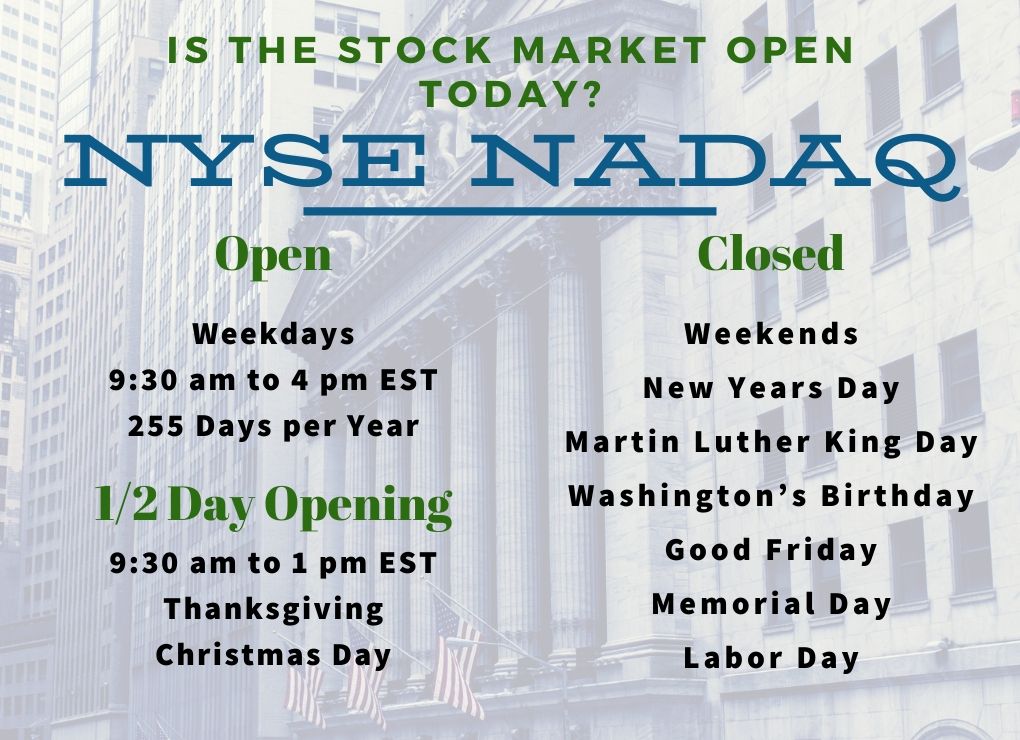
The core of the financial world in the United States revolves around the two largest exchanges: the New York Stock Exchange (NYSE) and the Nasdaq Stock Exchange. For the vast majority of retail and institutional investors, the “trading day” refers to the standard session.
The Core Session: 9:30 AM to 4:00 PM ET
The standard trading hours for the NYSE and Nasdaq are Monday through Friday, from 9:30 AM to 4:00 PM Eastern Time (ET). This 6.5-hour window is when the highest volume of trading occurs, ensuring that the “bid-ask spread”—the difference between what a buyer is willing to pay and what a seller is willing to accept—is at its narrowest.
During these hours, designated market makers (DMMs) and electronic liquidity providers are most active. This period is characterized by the highest level of stability and the most reliable price discovery. For most long-term investors, executing trades within this window is recommended to avoid the slippage and volatility often found in off-hours.
The Significance of the Opening Bell
The 9:30 AM opening bell is not just a tradition; it is a critical mechanical event. On the NYSE, the “Opening Auction” or “Opening Cross” occurs at this time. This process gathers all the buy and sell orders that have accumulated overnight and calculates a single price that clears the most volume.
This initial price discovery phase is often the most volatile part of the day. Overnight news—such as earnings reports, geopolitical events, or economic data releases—must be integrated into stock prices instantly. For the retail investor, the first 15 to 30 minutes of the market open can be treacherous, as price swings can be erratic before a clear trend is established.
Why 4:00 PM ET Marks the End of the “Official” Day
Just as the market opens with a cross, it closes with a “Closing Auction.” At 4:00 PM ET, the exchanges run a final calculation to determine the official closing price of the day. This price is vital because it is used by mutual funds to calculate their Net Asset Value (NAV) and by index providers to rebalance their benchmarks. The “Closing Cross” often sees a massive surge in volume, sometimes representing a significant percentage of the entire day’s trading activity in a single minute.
Pre-Market and After-Hours Trading: Extending the Opportunity
While the “official” market hours are 9:30 AM to 4:00 PM ET, the digital nature of modern finance allows for trading well beyond these constraints. Through Electronic Communication Networks (ECNs), investors can participate in pre-market and after-hours sessions.
Navigating the Pre-Market Window
Pre-market trading typically begins as early as 4:00 AM ET and runs until the official open at 9:30 AM ET. While this session allows investors to react to breaking news from Europe or early-morning economic reports (such as the Consumer Price Index or Unemployment numbers), it comes with significant caveats.
The primary challenge of pre-market trading is low liquidity. With fewer participants, a single large order can move a stock price significantly. Retail brokerages often limit the types of orders allowed during this time, usually requiring “limit orders” to protect investors from executing at unfavorable prices.
The Dynamics of the After-Hours Session
After-hours trading occurs from 4:00 PM to 8:00 PM ET. This is arguably the most dramatic time for individual stocks, as the majority of publicly traded companies release their quarterly earnings reports shortly after the 4:00 PM bell.
Investors watching their portfolios during this window may see a stock rise or fall 10% or more in a matter of seconds. Because the “official” market is closed, these moves happen in a thinner environment, often leading to “overshooting”—where a stock moves further than it would have during regular hours because there aren’t enough contrarian traders to balance the move.
Risks and Volatility in Extended Hours
The “Money” aspect of extended hours trading is double-edged. While it offers the opportunity to get in “early” on a trend, the risks are magnified. The lack of liquidity leads to wider spreads. For example, a stock that has a one-cent spread during the day might have a fifty-cent spread at 6:00 PM. Additionally, many institutional investors do not participate heavily in these sessions, meaning the price action may not reflect the “true” consensus that will emerge when the full market opens the following morning.

Holiday Schedules and Early Closures: When the Markets Rest
A critical part of knowing when the stock market opens is knowing when it doesn’t. The US stock market follows a strict holiday schedule that occasionally differs from the federal holiday calendar.
The NYSE and NASDAQ Holiday Calendar
There are typically nine or ten days a year when the US stock markets are closed entirely. These include:
-
New Year’s Day
-
Martin Luther King, Jr. Day
-
Washington’s Birthday (Presidents’ Day)
-
Good Friday
-
Memorial Day
-
Juneteenth National Independence Day
-
Independence Day
-
Labor Day
-
Thanksgiving Day
-
Christmas Day
When a holiday falls on a Saturday, the market usually closes on the preceding Friday. If it falls on a Sunday, the market closes on the following Monday. Being aware of these dates is vital for managing options expirations and avoiding the “liquidity trap” that occurs the day before a long holiday weekend.
Early Closures: The 1:00 PM ET Rule
On certain days—most notably the Friday after Thanksgiving and sometimes the day before or after Christmas or Independence Day—the market observes an early close. On these days, the regular session ends at 1:00 PM ET.
Trading volume on early-close days is notoriously thin. Most professional traders and institutional desks are minimally staffed, leading to “drifting” markets. From a strategic perspective, these are often considered “non-trading” days for professionals because the price action lacks the conviction provided by high volume.
Weekend Trading Realities
Currently, the US stock market is closed on Saturdays and Sundays. While there have been ongoing discussions about 24/7 trading (similar to the cryptocurrency markets), the traditional equity markets remain tethered to the five-day work week. This weekend break provides a necessary “cooling off” period for the financial system, allowing for the settlement of trades and giving human participants a reprieve from the high-stress environment of the trading floor.
Global Market Interconnectivity: Trading Beyond US Borders
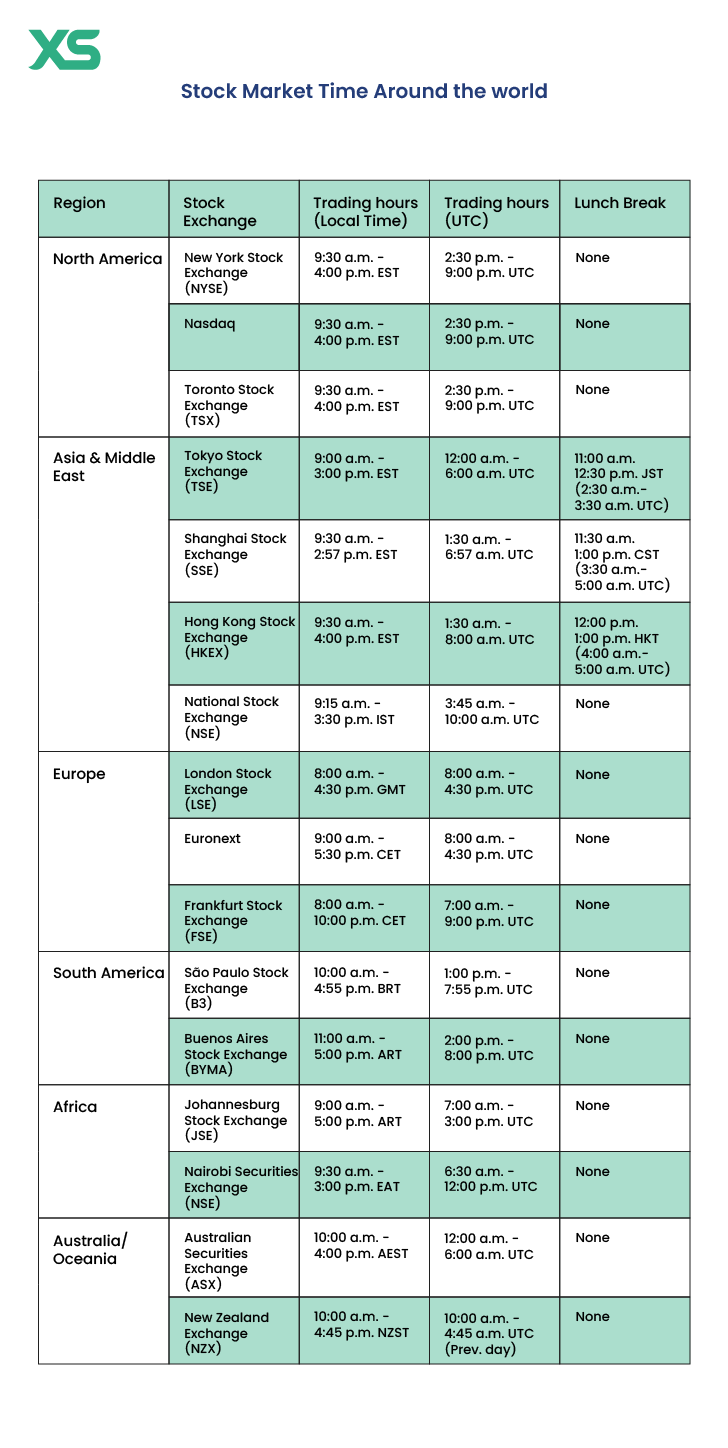
In the realm of personal finance and global investing, the US market does not exist in a vacuum. The “opening” of the US market is often a reaction to what has already happened in London, Tokyo, and Hong Kong.
European and Asian Market Hours
The global trading day effectively begins in Asia. The Tokyo Stock Exchange (TSE) opens while it is still evening in New York. Shortly after Asia closes, the European markets, led by the London Stock Exchange (LSE) and the Euronext, begin their sessions.
The London market is particularly important because it overlaps with the US market for several hours in the morning (from 9:30 AM to 11:30 AM ET). This “overlap” period is often the most liquid time of the day for global assets, including currencies and large-cap multinational stocks.
The Impact of Overnight International Moves on US Openings
When the US market opens at 9:30 AM, it is often reacting to the “close” of the European session. If European markets have sold off sharply due to a regional crisis, the US markets will likely open lower in sympathy. For investors, monitoring the “S&P 500 Futures” (which trade almost 24 hours a day) is a better way to predict where the market will open than simply looking at the previous day’s close.
Synchronizing Your Strategy Across Time Zones
For those trading international stocks or ETFs that track foreign indices, understanding these time differences is paramount. For instance, if you are trading an ETF that tracks Japanese stocks, the underlying assets are not trading during US market hours. This creates a “stale price” environment where the ETF’s price is based on the previous night’s close in Tokyo plus any speculation about what will happen when Tokyo reopens.
Tools and Strategies for Timing Your Market Entry
Knowing when the market opens is the first step; knowing how to act at that moment is where financial success is built. Successful investors use a combination of tools and rules to manage their timing.
Economic Calendars and Earnings Releases
The most significant price movements often happen right at the open because of data released at 8:30 AM ET. This is the standard time for US government reports like Gross Domestic Product (GDP) and Retail Sales. An investor should always check an economic calendar before the 9:30 AM open to see if any “market-moving” data is expected.
Using Limit Orders to Manage Opening Volatility
Because the market open is so volatile, professional financial advisors often recommend against using “market orders” at 9:30 AM. A market order executes at whatever price is available, which could be significantly higher or lower than expected during a fast-moving open. Instead, using “limit orders”—which specify the maximum price you are willing to pay—ensures that you do not get caught on the wrong side of an opening swing.
The Psychological Aspect of Market Timing
Finally, there is the psychological component. The first hour of trading is often driven by “dumb money”—emotional retail reactions to overnight news. The “smart money” (institutional investors) often waits for the “IB” (Initial Balance) to be set—the high and low of the first hour—before committing significant capital. By understanding that the market open is a process rather than a single point in time, investors can develop the patience required to wait for stable entries, preserving their capital and increasing their chances of long-term financial growth.
aViewFromTheCave is a participant in the Amazon Services LLC Associates Program, an affiliate advertising program designed to provide a means for sites to earn advertising fees by advertising and linking to Amazon.com. Amazon, the Amazon logo, AmazonSupply, and the AmazonSupply logo are trademarks of Amazon.com, Inc. or its affiliates. As an Amazon Associate we earn affiliate commissions from qualifying purchases.