
For the modern investor, timing is often as critical as the assets themselves. Whether you are a day trader looking for the morning’s peak volatility or a long-term investor waiting for the right moment to execute a rebalancing trade, the question of “when will the stock market open” extends far beyond a simple glance at a clock. The global financial ecosystem is a 24-hour machine, yet the primary liquidity sessions are strictly regulated by specific exchange hours. Understanding these windows—and the mechanics that govern them—is foundational to professional financial management.
Understanding Standard Trading Hours in Major Markets
The rhythm of the global economy is dictated by the opening and closing bells of major financial hubs. While digital platforms allow for some level of activity at all hours, the “Core Session” is where the vast majority of volume and price discovery occurs.
The New York Stock Exchange (NYSE) and NASDAQ
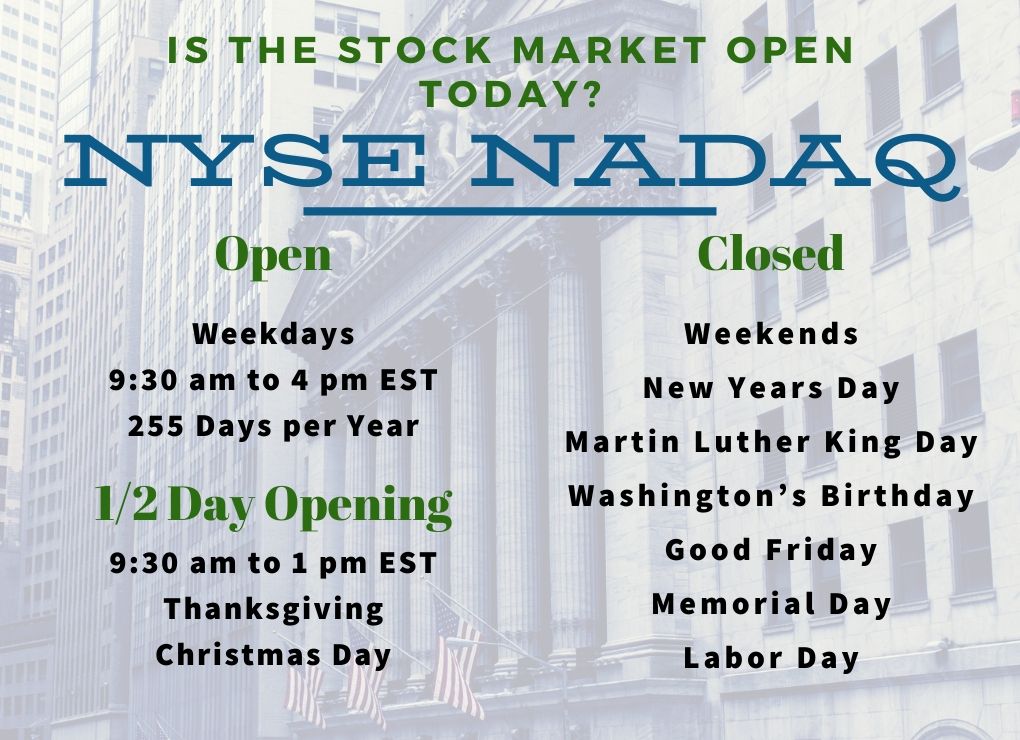
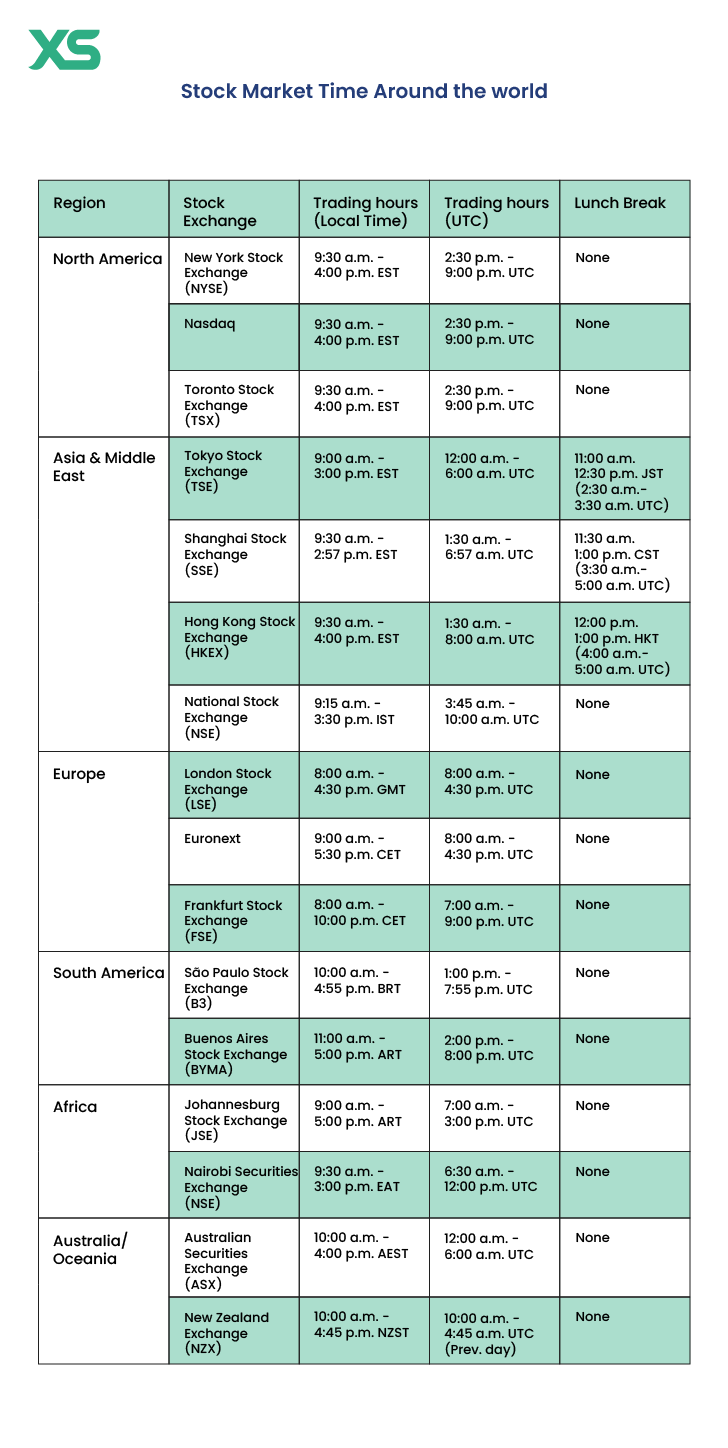
In the United States, the primary equity markets—the NYSE and the NASDAQ—operate on a synchronized schedule. The standard trading session begins at 9:30 AM Eastern Time (ET) and concludes at 4:00 PM ET. This six-and-a-half-hour window is the period of highest liquidity, meaning bid-ask spreads are generally at their narrowest, and large institutional orders are most efficiently filled.
The opening bell at 9:30 AM is more than a ceremonial tradition; it marks the “opening cross,” an automated process that matches buy and sell orders accumulated overnight to determine a fair opening price. For investors, this moment represents the first opportunity to react to news that broke after the previous day’s close.
European Markets: The London Stock Exchange and Euronext
Moving across the Atlantic, the European markets provide a bridge between the Asian and American sessions. The London Stock Exchange (LSE), one of the world’s oldest and most significant venues, opens at 8:00 AM Greenwich Mean Time (GMT) and closes at 4:30 PM GMT.
Other major European exchanges, such as Euronext (Paris, Amsterdam, Brussels) and the Deutsche Börse (Frankfurt), typically operate from 9:00 AM to 5:30 PM Central European Time (CET). Because of the time zone difference, there is a significant overlap between the end of the European session and the beginning of the U.S. session, often resulting in a surge of global trading volume around 9:30 AM ET.
Asian Markets: Tokyo, Hong Kong, and Shanghai
The trading day effectively begins in the East. The Tokyo Stock Exchange (TSE) opens at 9:00 AM and closes at 3:00 PM JST, notably including a lunch break from 11:30 AM to 12:30 PM. This midday hiatus is a common feature in many Asian markets, including the Hong Kong Stock Exchange (HKEX) and the Shanghai Stock Exchange (SSE), which also pause for an hour or more between morning and afternoon sessions. These breaks allow traders to digest morning news and recalibrate strategies before the final hours of the day.
Pre-Market and After-Hours Trading: Extending the Opportunity Window
While the core hours represent the peak of activity, the “market” never truly sleeps. Electronic Communication Networks (ECNs) allow for extended-hours trading, which can be broken down into the pre-market and the after-hours sessions.
How Extended Hours Work
In the U.S., pre-market trading can begin as early as 4:00 AM ET, although the bulk of activity starts around 8:00 AM ET. After-hours trading begins immediately after the 4:00 PM ET closing bell and can continue until 8:00 PM ET.
These sessions are predominantly used by institutional investors and high-net-worth individuals to trade on corporate earnings releases, which almost always occur outside of standard hours to prevent sudden, extreme volatility during the main session. If a major tech giant reports earnings at 4:05 PM, the “true” market reaction happens in the after-hours session.
Risks and Rewards of Non-Standard Trading
For the retail investor, the extended-hours market offers the advantage of immediate reaction. However, it comes with substantial risks. The most significant of these is “low liquidity.” Because fewer participants are active, the gap between what a buyer is willing to pay and what a seller is willing to accept—the spread—can widen dramatically. This means an investor might end up paying a much higher price (or receiving a much lower one) than they would have during standard hours. Furthermore, price movements in the pre-market or after-hours sessions are often “thin,” meaning they may not accurately reflect where the market will actually trade once the 9:30 AM bell rings and the full weight of the market’s capital is applied.
Market Holidays and Early Closures: Staying Ahead of the Calendar
The stock market does not follow the standard 365-day calendar. It observes specific federal holidays, and occasionally, it closes early for “half-day” sessions. For anyone managing a portfolio, being unaware of a market holiday can lead to missed opportunities or the inability to exit a position during a period of global volatility.
Major U.S. Stock Market Holidays
In the United States, the markets are closed on the following days:
-
New Year’s Day
-
Martin Luther King, Jr. Day
-
Washington’s Birthday (Presidents’ Day)
-
Good Friday
-
Memorial Day
-
Juneteenth National Independence Day
-
Independence Day
-
Labor Day
-
Thanksgiving Day
-
Christmas Day
If a holiday falls on a Saturday, the market usually closes on the preceding Friday. If it falls on a Sunday, the market closes on the following Monday.
The Impact of Early Closures
Beyond full closures, the U.S. markets frequently observe early closures, typically at 1:00 PM ET. These usually occur on the day after Thanksgiving (Black Friday) and on Christmas Eve (if it falls on a weekday). These abbreviated sessions are often characterized by “low volume,” as many institutional traders are away. While the market is technically open, the lack of participation can lead to erratic price movements, making it a difficult environment for executing large-scale strategies.
The Psychology and Strategy of Market Openings
The first and last hours of the trading day are often referred to as “the amateur hour” and “the professional hour,” respectively, though this is a simplification. Understanding the psychology of the market open is essential for any disciplined investor.
The “Opening Bell” Volatility
When the market opens at 9:30 AM ET, it is often a chaotic environment. All the news, economic data, and geopolitical events that occurred over the preceding 17 hours are suddenly being priced into the market simultaneously. This leads to high volatility. Professional traders often advise against placing “market orders” (orders to buy or sell at whatever the current price is) during the first 15 to 30 minutes of the day. Instead, they use “limit orders” to ensure they do not get caught in a sudden price spike or dip.
Trading the “Gap”
One of the most common strategies involving the market open is “trading the gap.” A gap occurs when a stock opens significantly higher or lower than it closed the previous day. Investors analyze these gaps to determine if they represent a “breakaway” (a fundamental shift in the company’s value) or a “fade” (an overreaction that will likely revert to the mean). By understanding the timing of the market open, traders can position themselves to capitalize on these institutional imbalances.
Global Economic Interconnectivity: Why Time Zones Matter
In the age of digital finance, no market exists in a vacuum. The opening of the New York market is heavily influenced by how the London and Tokyo sessions performed just hours prior.
The Ripple Effect of Overnight Markets
If the Hang Seng Index in Hong Kong drops by 3% overnight due to regulatory changes, it is highly likely that U.S.-listed companies with exposure to Asia will open lower at 9:30 AM ET. For the proactive investor, “when the market opens” is a process that begins long before the actual bell. Monitoring “Futures”—contracts that trade 23 hours a day and track the expected opening price of indices like the S&P 500—allows investors to see where the market is likely to open well before the official session begins.

Tools for Tracking Real-Time Openings
To navigate these global cycles, financial tools are indispensable. Modern trading platforms provide “Market Clocks” that show the status of every major exchange worldwide. Additionally, economic calendars are vital for tracking the release of data—such as the Consumer Price Index (CPI) or Federal Reserve interest rate decisions—which often occur at 8:30 AM ET or 2:00 PM ET, specifically timed to coincide with market liquidity.
By mastering the schedule of the stock market, an investor transitions from being a passive participant to a strategic actor. Knowing when the market opens is about more than just the time; it is about understanding the flow of global capital, the timing of volatility, and the windows of maximum opportunity. Whether you are navigating the standard session, the pre-market, or the global overnight cycle, timing remains the ultimate tool in the investor’s arsenal.
aViewFromTheCave is a participant in the Amazon Services LLC Associates Program, an affiliate advertising program designed to provide a means for sites to earn advertising fees by advertising and linking to Amazon.com. Amazon, the Amazon logo, AmazonSupply, and the AmazonSupply logo are trademarks of Amazon.com, Inc. or its affiliates. As an Amazon Associate we earn affiliate commissions from qualifying purchases.