
For the modern investor, the concept of a “market opening” is both a literal schedule and a psychological trigger. In the world of high-stakes finance, timing is often as critical as the asset itself. Whether you are a day trader looking for the volatility of the opening bell or a long-term investor monitoring global shifts, understanding when the trade market opens—and the nuances of various time zones—is foundational to a successful financial strategy.
The global financial ecosystem is a relay race that never truly stops. As one major financial hub closes its doors for the evening, another is preparing for its morning rituals. This continuous cycle ensures that liquidity flows around the clock, though the nature of that liquidity changes depending on which part of the world is currently “open for business.”
The Core Hours of Major Equity Markets
When most people ask when the trade market opens, they are referring to the major stock exchanges. These centralized hubs have strict operating hours that dictate the flow of billions of dollars in equity trades.
The North American Sessions: NYSE and NASDAQ
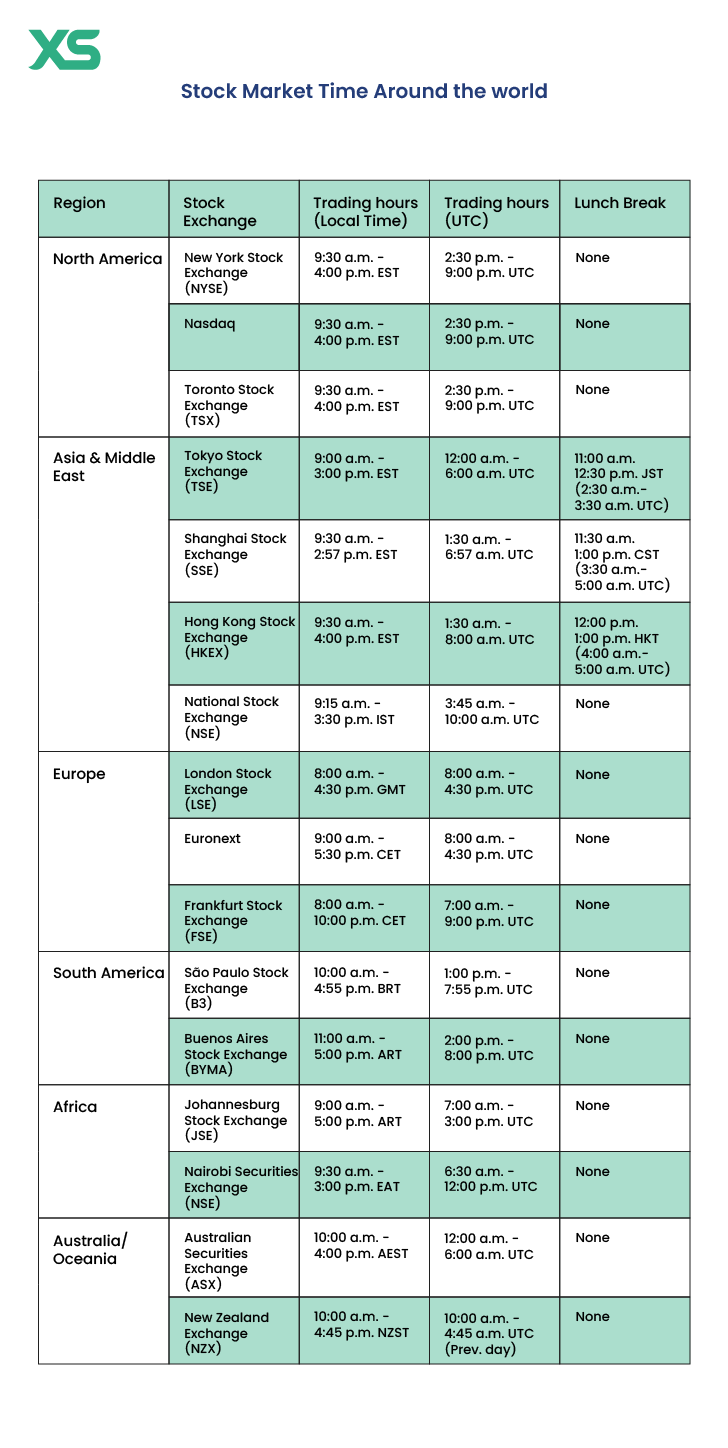
In the United States, the primary markets are the New York Stock Exchange (NYSE) and the NASDAQ. Both operate on a standard schedule from Monday through Friday. The “regular” trading session begins at 9:30 AM Eastern Time (ET) and concludes at 4:00 PM ET.
The opening at 9:30 AM is characterized by the “opening cross,” a process where the exchange’s computers calculate the opening price based on the buy and sell orders that accumulated overnight. This first half-hour of trading is often the most volatile period of the day, as traders react to news, earnings reports, or economic data released while the market was closed. Professional investors often refer to this as “price discovery,” where the market seeks a fair value for assets in real-time.
The European Powerhouses: LSE and Euronext
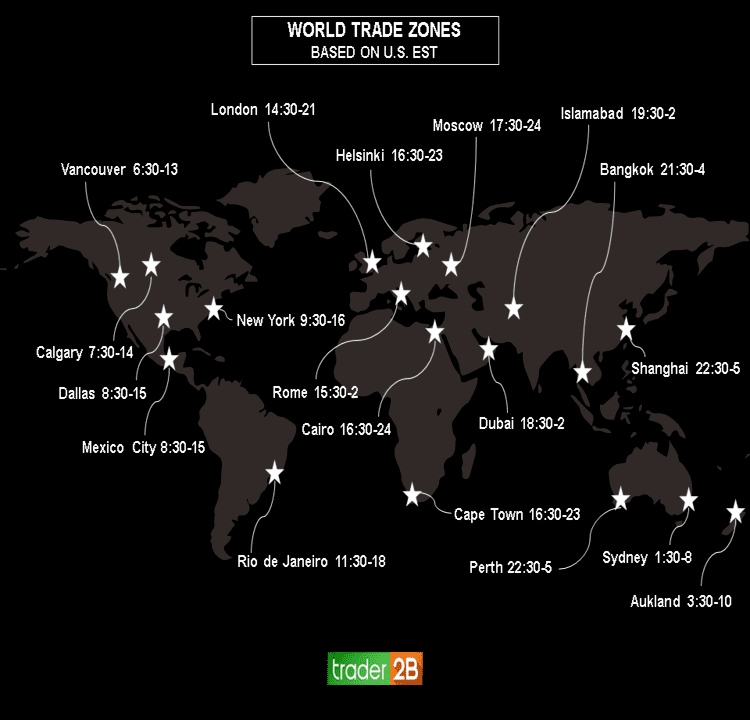
Moving across the Atlantic, the London Stock Exchange (LSE) is one of the world’s oldest and most influential markets. It opens at 8:00 AM Greenwich Mean Time (GMT) and closes at 4:30 PM GMT. Because of London’s geographical position, its trading day overlaps with both the closing of the Asian markets and the opening of the North American markets.
Other significant European markets, such as the Euronext (Paris, Amsterdam, Brussels) and the Frankfurt Stock Exchange (DAX), typically open at 9:00 AM Central European Time (CET) and close at 5:30 PM CET. These markets are essential for those looking to diversify into international equities and provide a bridge between the Eastern and Western financial worlds.
The Asian-Pacific Markets: Tokyo, Hong Kong, and Sydney
The trading day technically begins in the East. The Australian Securities Exchange (ASX) in Sydney is one of the first major markets to open, starting at 10:00 AM local time (which is late afternoon or evening in the US, depending on Daylight Saving Time).
Following Australia, the Tokyo Stock Exchange (Japan) opens at 9:00 AM JST, followed shortly by the Hong Kong Stock Exchange and the Shanghai Stock Exchange. A unique feature of many Asian markets is the “lunch break.” Unlike Western markets, which trade continuously through the day, many Asian exchanges pause for 60 to 90 minutes in the middle of the day, allowing traders a reprieve before the afternoon session begins.
Beyond the Regular Session: Extended-Hours Trading
The “opening bell” is no longer the absolute start of the trading day for many investors. Technology has facilitated extended-hours trading, which allows participants to buy and sell stocks outside the standard 9:30 AM to 4:00 PM window.
Pre-Market Trading
In the United States, pre-market trading can begin as early as 4:00 AM ET, though the bulk of the volume usually occurs after 8:00 AM ET. Pre-market trading is primarily used by institutional investors and experienced individual traders to position themselves ahead of the official opening. If a company releases an earnings report at 7:30 AM, the stock price will begin moving in the pre-market long before the general public has access to the NYSE or NASDAQ floor.
After-Hours Trading
After the closing bell at 4:00 PM ET, the “after-hours” session begins, typically lasting until 8:00 PM ET. This session is crucial for reacting to news that breaks after the market closes, such as late-day corporate announcements or geopolitical events.
However, investors must be cautious. Extended-hours trading is characterized by significantly lower liquidity and higher volatility. With fewer participants, the “bid-ask spread”—the difference between what a buyer is willing to pay and what a seller is willing to accept—can widen dramatically, leading to less favorable prices.
The 24-Hour Markets: Forex and Cryptocurrency
While the stock market adheres to a rigid schedule, other segments of the financial world operate on a much more fluid basis. For those who want to trade at 3:00 AM on a Tuesday or 10:00 PM on a Sunday, the Forex and Cryptocurrency markets are the primary avenues.
The Foreign Exchange (Forex) Cycle
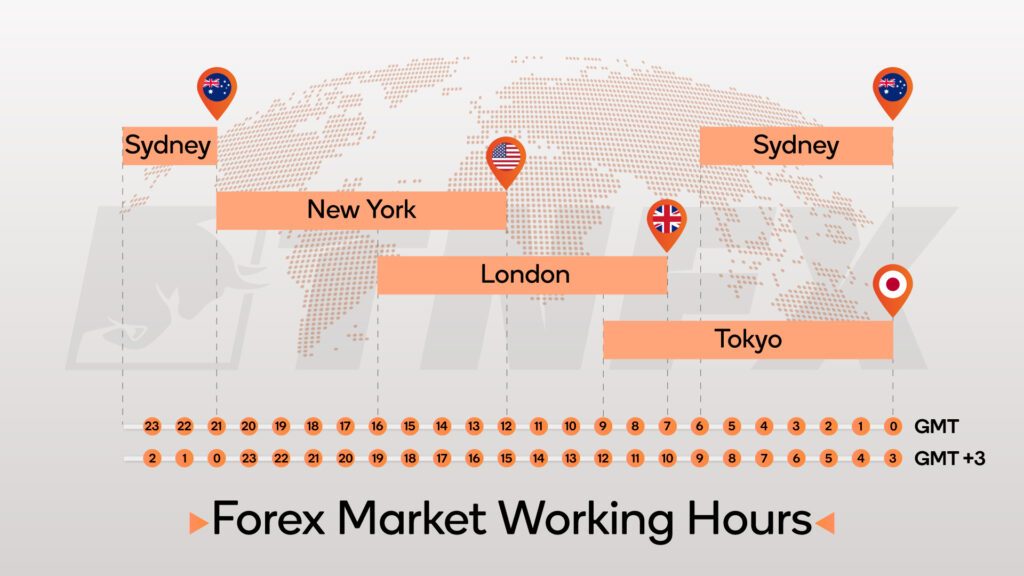
The Forex market is the largest and most liquid financial market in the world. It does not have a single physical location; instead, it is a global network of banks and brokers. Forex is open 24 hours a day, five days a week.
The market opens on Sunday at 5:00 PM ET (coinciding with the Sydney open) and remains open continuously until Friday at 5:00 PM ET (the New York close). The most profitable and volatile times to trade Forex are during the “overlaps”—periods when two major regional markets are open simultaneously. The most notable is the London/New York overlap (8:00 AM to 12:00 PM ET), where the highest volume of currency exchange occurs.
Cryptocurrency: The Market That Never Sleeps
Digital assets like Bitcoin and Ethereum have redefined the “trade market” by operating 24 hours a day, 7 days a week, 365 days a year. There are no holidays, no weekends, and no closing bells in the crypto world.
This constant uptime offers unparalleled flexibility but also presents unique challenges for risk management. Because the market never closes, significant price movements can happen while a trader is asleep, necessitating the use of automated tools and limit orders to protect capital.
Strategic Timing: When Should You Trade?
Knowing when the market opens is only half the battle; knowing when to execute trades within those windows is what separates professional investors from amateurs.
The Power of the “Opening” and “Closing” Hours
Statistics show that the highest volume of trading occurs during the first hour and the last hour of the regular session. The first hour (9:30 AM to 10:30 AM ET) is fueled by the accumulation of overnight news and sentiment. This is a period of high opportunity but also high risk.
The final hour, often called the “Power Hour” (3:00 PM to 4:00 PM ET), is when institutional investors—such as mutual funds and pension funds—rebalance their portfolios. This creates a surge in liquidity and often dictates the trend for the following day. For most retail investors, the middle of the day (the “mid-day doldrums”) is often slower, with less movement and lower volume.
The Impact of Economic Calendars
Regardless of when the exchange opens, certain “micro-events” act as secondary openings. The release of the Monthly Jobs Report (Non-Farm Payrolls) or a Federal Reserve interest rate announcement can cause a market to “re-open” in terms of volatility and volume. Traders must align their clocks with the economic calendar to ensure they aren’t caught off guard by these high-impact moments.
Global Holidays and Market Closures
It is also essential to be aware of when the market doesn’t open. Major holidays like New Year’s Day, Good Friday, Independence Day (US), and Christmas Day result in total market closures. Furthermore, early closures (typically at 1:00 PM ET) often occur around Thanksgiving and Christmas. Trading on the days immediately preceding or following a major holiday is often characterized by “thin” markets, where low volume can lead to unpredictable price swings.
Navigating Time Zones and Technology
In the digital age, your physical location matters less than your digital connection. However, the logistical challenge of managing multiple time zones remains a reality for global investors.
Tools for Global Market Tracking
To manage the complexity of global openings, professional traders use specialized dashboards that convert all market hours into their local time. Financial platforms provide real-time clocks for the NYSE, LSE, Nikkei, and other major exchanges. Utilizing these tools prevents the costly error of attempting to place a trade on a closed exchange or missing a critical opening in a foreign market.
The Psychological Aspect of Market Timing
Finally, there is a psychological component to the trade market’s opening. The opening bell creates a sense of urgency. For many, the “rush” of the open leads to impulsive decision-making. Developing a disciplined routine—researching before the open, waiting for the initial volatility to settle, and executing based on a pre-defined plan—is the hallmark of a sophisticated investor.
Whether you are trading blue-chip stocks in New York, currency pairs in London, or Bitcoin from a home office, the market’s clock is the heartbeat of your financial endeavors. By mastering the schedule of the global trade markets, you gain the ability to navigate liquidity, manage risk, and capitalize on the unique opportunities that each session provides. The market may never truly sleep, but the successful investor knows exactly when to wake up.
aViewFromTheCave is a participant in the Amazon Services LLC Associates Program, an affiliate advertising program designed to provide a means for sites to earn advertising fees by advertising and linking to Amazon.com. Amazon, the Amazon logo, AmazonSupply, and the AmazonSupply logo are trademarks of Amazon.com, Inc. or its affiliates. As an Amazon Associate we earn affiliate commissions from qualifying purchases.