
In an increasingly automated and data-driven world, precise measurement, rigorous monitoring, and intelligent control are not merely desirable – they are absolutely essential. This is the realm of instrumentation, a foundational discipline that underpins virtually every aspect of modern technology and science. From the complex systems governing a nuclear power plant to the tiny sensors in your smartphone, instrumentation is the silent architect that transforms abstract physical phenomena into actionable data and enables sophisticated control over our environment. It bridges the gap between the physical world and the digital domain, allowing humans and machines alike to understand, interact with, and manipulate processes with unprecedented accuracy.
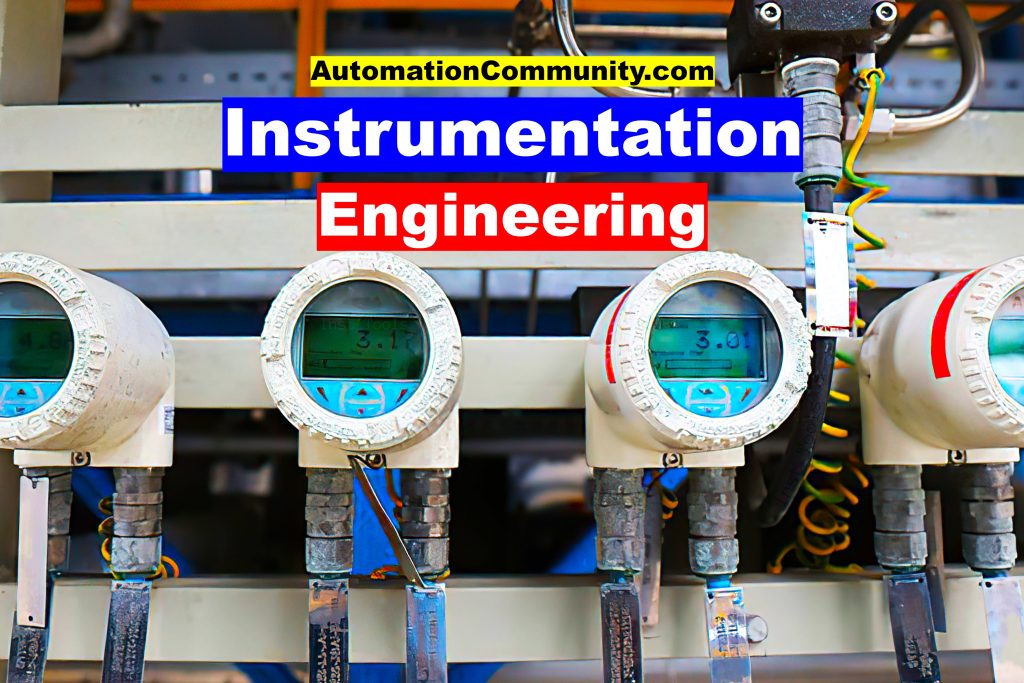
At its core, instrumentation is about equipping us with the tools to observe the unseen, quantify the unquantifiable, and regulate the unpredictable. It’s the technology that empowers scientists to conduct groundbreaking research, engineers to design safer and more efficient systems, and industries to optimize production and ensure quality. Without robust instrumentation, many of the technological marvels we take for granted today would simply not exist, and the quest for further innovation would be severely hampered. This article will delve into what instrumentation truly entails, exploring its fundamental principles, essential components, diverse applications, and the trajectory of its evolution in the digital age.
The Core Concept: Measurement, Monitoring, and Control
Instrumentation is more than just a collection of devices; it is a systematic approach to interacting with the physical world, driven by the need for accuracy, reliability, and precision. It forms the essential feedback loop that enables intelligence within technological systems.
Defining Instrumentation: More Than Just Tools
At its broadest, instrumentation refers to the development, deployment, and study of measuring and controlling instruments. It encompasses the theory of measurement, the design of transducers and sensors, the engineering of data acquisition systems, and the implementation of control algorithms. It’s a multidisciplinary field drawing from physics, electrical engineering, computer science, materials science, and various application-specific domains. The goal is to provide quantitative information about a physical variable or process and, often, to use that information to maintain or modify the process in a desired manner. This can range from a simple thermometer providing temperature readings to a complex distributed control system managing an entire industrial facility.
The Fundamental Pillars
Every instrumentation system, regardless of its complexity or application, is built upon three fundamental pillars: measurement, monitoring, and control. These functions often operate in a continuous cycle, forming a closed-loop system that is central to automation and precision engineering.
Measurement: Quantifying the Physical World
Measurement is the most basic and critical function of instrumentation. It involves converting a physical quantity (like temperature, pressure, flow, light intensity, pH, or voltage) into a quantifiable signal, typically an electrical one, that can be interpreted and processed. This conversion is achieved through sensors and transducers, which are specifically designed to respond to changes in a particular physical parameter. The accuracy and resolution of these measurements directly impact the reliability and effectiveness of the entire system. Without precise measurement, subsequent monitoring and control actions would be based on flawed data, leading to suboptimal or even dangerous outcomes.
Monitoring: Continuous Observation and Data Collection
Once a physical quantity has been measured, the next step is often continuous monitoring. This involves the systematic collection, recording, and often visualization of data over time. Monitoring systems track trends, detect anomalies, and provide real-time insights into the state of a process or environment. This data can be displayed to human operators via dashboards and graphical interfaces, or fed directly into computational systems for automated analysis. Effective monitoring is crucial for identifying potential problems before they escalate, optimizing performance, and understanding the long-term behavior of a system. It provides the historical context and immediate awareness necessary for informed decision-making.
Control: Regulating Systems Based on Measurements
The ultimate goal of many instrumentation systems is control. This involves using the data obtained from measurements and monitoring to influence and regulate a physical process, ensuring it operates within desired parameters. Control systems analyze measured values, compare them to predefined setpoints, and then generate output signals to actuators. Actuators are devices (like valves, motors, or heaters) that directly manipulate the physical system to bring the measured variable closer to the setpoint. This feedback loop – measure, compare, act – is the essence of automation, enabling systems to maintain stability, achieve specific outcomes, and adapt to changing conditions without constant human intervention.
Key Components and Technologies in Instrumentation Systems
A functional instrumentation system is a sophisticated assembly of interconnected components, each playing a crucial role in the overall process of measurement, monitoring, and control. Understanding these core technologies is vital to appreciating the capabilities and complexities of modern instrumentation.
Sensors and Transducers: The Eyes and Ears
Sensors are the primary interface between the physical world and the instrumentation system. They are devices that detect and respond to changes in physical phenomena, such as temperature, pressure, light, sound, motion, or chemical composition. A transducer is a device that converts energy from one form to another; often, sensors are also transducers, converting physical energy into an electrical signal. For example, a thermocouple (a sensor) converts temperature into a small voltage (electrical signal), while a strain gauge converts physical deformation into a change in electrical resistance. The choice of sensor is critical, as it dictates the range, accuracy, and type of measurement that can be made. Advances in sensor technology, including miniaturization and enhanced sensitivity, are continuously expanding the capabilities of instrumentation.
Data Acquisition Systems (DAS): Capturing the Information
Once a sensor converts a physical parameter into an electrical signal (often analog), a Data Acquisition System (DAS) is needed to process and digitize this information. A DAS typically consists of several key elements: signal conditioning (amplification, filtering, impedance matching), analog-to-digital converters (ADCs) to transform analog signals into digital data, and multiplexers to handle multiple sensor inputs sequentially. The digital data can then be stored, transmitted, and analyzed by a computer or controller. The performance of a DAS, particularly its sampling rate and resolution, directly impacts the fidelity and richness of the captured data, which is crucial for accurate analysis and control.
Controllers and Actuators: The Brains and Muscles
In a control system, the controller acts as the “brain,” receiving processed data from the DAS, comparing it to desired setpoints, and calculating the necessary control action. Modern controllers are often microprocessors or programmable logic controllers (PLCs) in industrial settings, or even complex software algorithms running on embedded systems. They implement control strategies, such as PID (Proportional-Integral-Derivative) control, to maintain system stability and optimize performance.
Actuators are the “muscles” of the system, responsible for carrying out the commands issued by the controller. These devices convert electrical or pneumatic signals into physical action. Examples include electric motors that adjust valve positions, solenoids that open or close gates, heaters that regulate temperature, or robotic arms that manipulate objects. The speed, force, and precision of actuators are critical for effective control and depend heavily on the specific application.
Software and Human-Machine Interfaces (HMIs): The Intelligence Layer
The increasing complexity of instrumentation systems necessitates sophisticated software and intuitive Human-Machine Interfaces (HMIs). Software is used for a multitude of tasks: configuring sensors, managing data acquisition, implementing control algorithms, performing advanced data analysis (e.g., statistical process control, trend prediction), and generating reports. HMIs provide operators with a graphical representation of the system’s status, allowing them to monitor processes, adjust setpoints, and respond to alarms effectively. These interfaces can range from simple digital displays to elaborate touchscreen panels and web-based dashboards, enabling remote monitoring and control from anywhere in the world. The intelligence embedded in software algorithms is key to achieving autonomous operation, predictive maintenance, and complex decision-making within instrumentation systems.
The Multifaceted Applications of Instrumentation Across Industries
Instrumentation is not confined to a single industry; its principles and technologies are universally applicable, driving innovation and efficiency across an incredible diversity of sectors. Its pervasive nature makes it an indispensable tool for progress.
Industrial Automation and Manufacturing
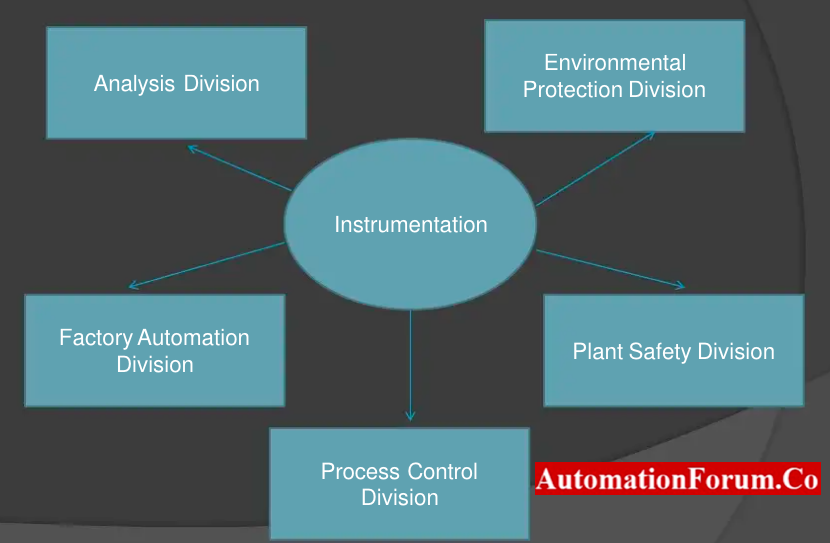
This is perhaps the most visible application of instrumentation. In factories and process plants (e.g., chemical, oil & gas, pharmaceutical, food & beverage), instrumentation is used to control everything from temperature and pressure in reactors to flow rates in pipelines and the precise movement of robotic arms on assembly lines. It ensures product quality, optimizes resource consumption, enhances safety, and enables continuous, high-volume production. Distributed Control Systems (DCS) and PLCs rely heavily on vast networks of sensors and actuators to manage complex industrial processes.
Healthcare and Biomedical Engineering
Instrumentation plays a life-saving role in medicine. Diagnostic devices like MRI machines, CT scanners, and X-ray systems utilize sophisticated instrumentation to non-invasively visualize the human body. Patient monitoring systems (e.g., ECG, blood pressure monitors, pulse oximeters) continuously track vital signs. Surgical robots, automated drug delivery systems, and laboratory analytical instruments (e.g., blood analyzers) all depend on precise sensors, data acquisition, and control mechanisms to function accurately and reliably.
Environmental Monitoring and Science
Understanding and protecting our planet relies heavily on instrumentation. Weather stations deploy sensors to measure temperature, humidity, wind speed, and precipitation. Environmental monitoring systems detect air and water pollutants, measure greenhouse gas concentrations, and track ecological changes. Oceanographic instruments monitor currents, salinity, and marine life. In earth sciences, seismic sensors, GPS instruments, and remote sensing technologies provide critical data for understanding geological processes and natural disasters.
Research and Development
Every scientific discipline, from physics and chemistry to biology and material science, relies on instrumentation for experimentation and discovery. High-precision laboratory equipment – spectrometers, microscopes, chromatographs, particle accelerators – are all complex instrumentation systems designed to probe the fundamental nature of matter and energy. Researchers use instrumentation to precisely control experimental conditions, collect vast amounts of data, and validate theoretical models, pushing the boundaries of human knowledge.
Aerospace and Defense
In aviation and space exploration, instrumentation is paramount for safety and mission success. Aircraft rely on instrumentation for navigation, flight control (e.g., altimeters, airspeed indicators, gyroscopes), engine monitoring, and communication systems. Satellites use sophisticated sensors for Earth observation, weather forecasting, and astronomical research. In defense, instrumentation is critical for surveillance, target acquisition, missile guidance, and battlefield management, often operating in harsh and challenging environments.
Smart Infrastructure and IoT
The rise of the Internet of Things (IoT) has propelled instrumentation into everyday life and urban planning. Smart homes integrate sensors for temperature, light, and security, connected to control systems. Smart cities utilize instrumentation for traffic management, utility monitoring (water, electricity grids), structural health monitoring of bridges and buildings, and public safety. IoT devices, essentially miniature instrumentation systems, are transforming how we interact with our environment, enabling unprecedented levels of connectivity, data collection, and automated response.
The Evolution and Future of Instrumentation
Instrumentation has undergone a profound transformation, moving from rudimentary mechanical devices to highly sophisticated, interconnected digital systems. This evolution continues at a rapid pace, driven by technological advancements and the increasing demand for intelligence and autonomy.
From Analog to Digital: A Historical Perspective
Early instrumentation systems were largely mechanical or pneumatic, relying on physical principles to measure and control. The mid-20th century saw the emergence of electronic instrumentation, which offered greater speed and accuracy. However, the true revolution began with the advent of digital technology and microprocessors. Digital instrumentation allowed for more complex data processing, improved accuracy, noise reduction, and the ability to integrate with computer systems. This shift paved the way for distributed control systems and ultimately, the networked systems we see today.
The Impact of AI, IoT, and Big Data
The future of instrumentation is inextricably linked with artificial intelligence (AI), the Internet of Things (IoT), and big data analytics. IoT sensors are expanding the reach of instrumentation to previously unmonitored domains, generating massive datasets. AI algorithms are transforming how this data is analyzed, enabling predictive maintenance, anomaly detection, autonomous decision-making, and self-optimizing control loops. Machine learning can learn patterns from sensor data to anticipate equipment failures, optimize energy consumption, or fine-tune complex chemical reactions, moving instrumentation beyond reactive control to proactive intelligence.
Miniaturization and Wireless Connectivity
The trend towards miniaturization continues, allowing for the deployment of tiny, unobtrusive sensors in new applications, from wearable health monitors to embedded structural integrity sensors. Coupled with wireless communication technologies (5G, Wi-Fi, Bluetooth, LoRaWAN), these miniaturized instruments can form vast, interconnected networks, eliminating the need for extensive wiring and simplifying deployment in remote or hazardous locations. This enables truly pervasive sensing and control, gathering data from virtually everywhere.
Cybersecurity in Instrumentation
As instrumentation systems become more interconnected and critical to infrastructure, cybersecurity emerges as a paramount concern. Industrial Control Systems (ICS) and Operational Technology (OT) networks are increasingly targeted by malicious actors. Protecting sensors, data acquisition units, controllers, and communication pathways from cyber threats is essential to prevent system compromise, data manipulation, industrial espionage, and catastrophic failures. The future of instrumentation must integrate robust cybersecurity measures from the design phase to ensure the integrity and reliability of these vital systems.
Why Instrumentation Matters: Driving Innovation and Efficiency
The ubiquitous presence of instrumentation in modern society is a testament to its profound impact. It is not merely a technical field but a fundamental enabler of progress, safety, and economic prosperity.
Enhancing Precision and Reliability
Instrumentation dramatically reduces reliance on human observation and intervention, thereby minimizing human error and variability. It enables measurements to be taken with far greater precision and at higher frequencies than could ever be achieved manually. This enhanced precision translates directly into more reliable processes, higher quality products, and more consistent scientific results. For critical applications, this reliability can be the difference between success and failure, or even life and death.
Optimizing Processes and Resource Utilization
By providing real-time data and granular control, instrumentation allows industries to fine-tune their operations for maximum efficiency. It enables optimized resource allocation, reduces waste, minimizes energy consumption, and shortens production cycles. For instance, in manufacturing, instrumentation ensures that raw materials are used optimally, and processes run at peak performance, leading to significant cost savings and reduced environmental footprints. This continuous optimization is a cornerstone of lean manufacturing and sustainable practices.
Enabling Scientific Discovery and Technological Advancement
At the frontier of human knowledge, instrumentation is the indispensable partner of discovery. Every major scientific breakthrough, from understanding the cosmos with advanced telescopes to unraveling the secrets of the genome with sequencing machines, depends on sophisticated instrumentation. It provides scientists with the tools to observe phenomena that are imperceptible to the human senses, conduct experiments with unprecedented control, and collect the data necessary to formulate and validate theories, continuously pushing the boundaries of what is known and possible.
Ensuring Safety and Compliance
In many industries, particularly those involving hazardous materials or high-risk operations, instrumentation is critical for ensuring safety. It continuously monitors critical parameters, detects dangerous conditions (e.g., gas leaks, overheating), and can initiate automatic shutdown procedures to prevent accidents and protect personnel. Moreover, instrumentation provides the verifiable data needed to demonstrate compliance with strict regulatory standards and environmental mandates, which is essential for legal operation and public trust.
Conclusion
Instrumentation stands as a cornerstone of modern technology, a discipline whose principles and applications are woven into the very fabric of our connected, automated world. From the microscopic components of medical devices to the macroscopic control systems of power grids, it is the silent force that empowers us to measure, monitor, and control with unparalleled precision. It transforms raw physical data into meaningful information, enabling intelligent decision-making and driving the relentless pursuit of efficiency, safety, and discovery.
As we venture further into an era defined by AI, IoT, and increasingly autonomous systems, the role of instrumentation will only become more profound. Its evolution will continue to be marked by greater intelligence, connectivity, and miniaturization, paving the way for innovations that are currently beyond our imagination. Understanding “what is instrumentation” is not just grasping a technical concept; it is recognizing a fundamental pillar upon which the future of technology, science, and industry will be built. It is truly the backbone of progress, empowering us to better understand and shape the world around us.
aViewFromTheCave is a participant in the Amazon Services LLC Associates Program, an affiliate advertising program designed to provide a means for sites to earn advertising fees by advertising and linking to Amazon.com. Amazon, the Amazon logo, AmazonSupply, and the AmazonSupply logo are trademarks of Amazon.com, Inc. or its affiliates. As an Amazon Associate we earn affiliate commissions from qualifying purchases.