
Understanding the operational hours of the stock market is a fundamental requirement for any investor, whether you are a seasoned day trader or a long-term personal finance enthusiast. While many people believe the market functions on a simple nine-to-five schedule, the reality of modern global finance is far more complex. The opening bell represents more than just the start of the workday; it signals the beginning of a high-stakes environment where liquidity, volatility, and economic data converge to dictate the value of global assets.
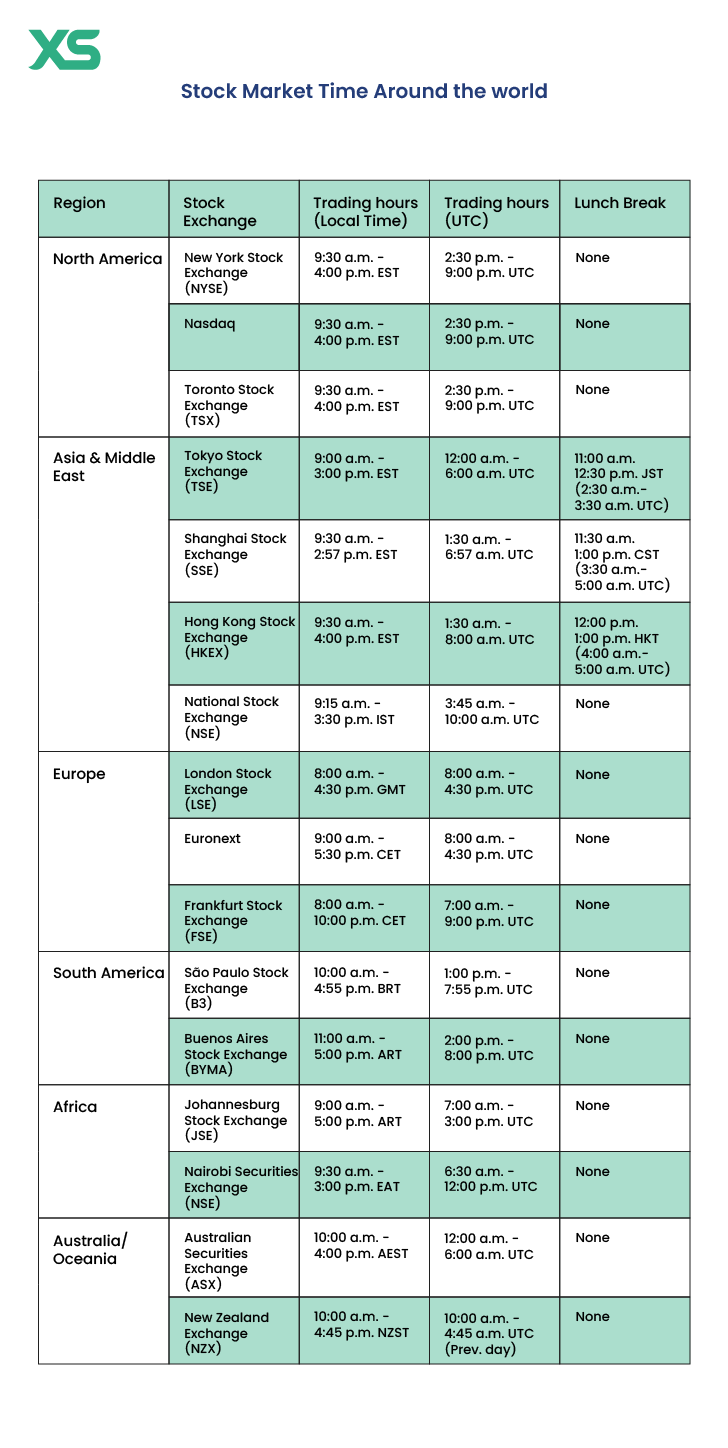
To navigate the financial markets successfully, one must understand not only the standard operating hours of major exchanges like the New York Stock Exchange (NYSE) and the Nasdaq but also the nuances of extended hours trading and the global nature of the 24-hour financial cycle.
Understanding Standard Trading Hours for Major US Exchanges
For the vast majority of retail investors in the United States, the “stock market” refers to the two primary exchanges: the New York Stock Exchange (NYSE) and the Nasdaq. Both of these institutions follow a synchronized schedule that provides a structured window for price discovery and asset exchange.
The New York Stock Exchange (NYSE) and Nasdaq
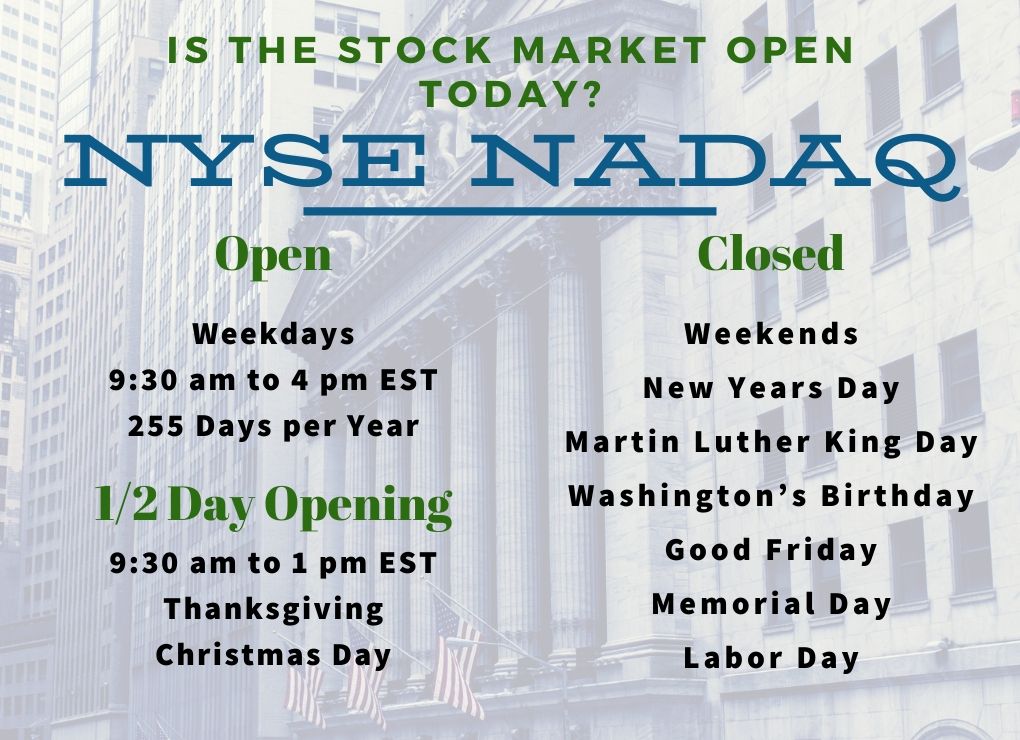
The standard trading hours for both the NYSE and the Nasdaq are from 9:30 AM to 4:00 PM Eastern Time (ET), Monday through Friday. These hours were established to provide a concentrated period of high liquidity, ensuring that buyers and sellers can find one another easily. When the 9:30 AM bell rings, it marks the “Opening Cross,” a specialized auction process designed to determine the opening price of every stock based on the orders that accumulated overnight.
This seven-and-a-half-hour window is when the highest volume of trading occurs. Because institutional investors, mutual funds, and pension funds execute their largest trades during these hours, the bid-ask spreads (the difference between the price a buyer is willing to pay and a seller is willing to accept) are typically at their narrowest. For the average personal finance investor, this is the safest and most cost-effective time to execute trades.
Time Zones and Global Synchronization
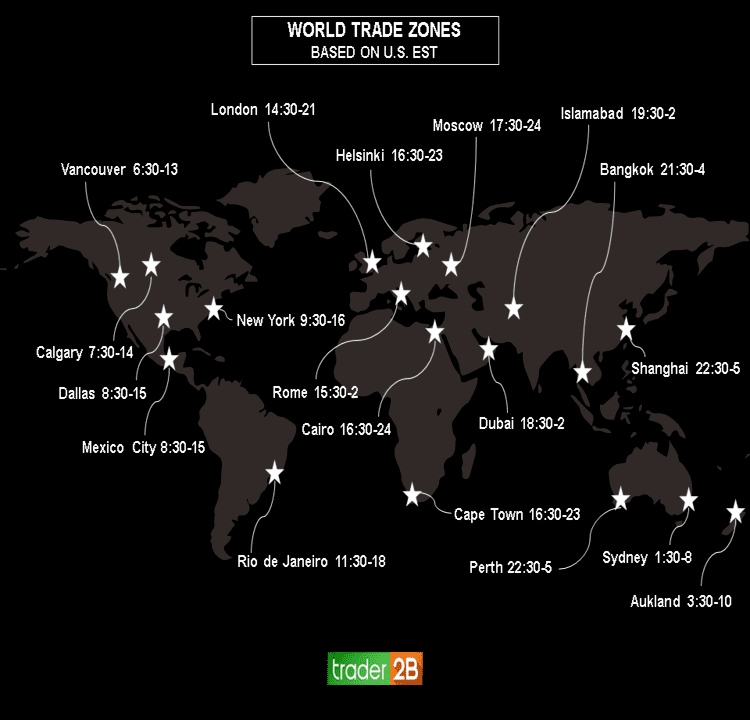
While the markets are physically and administratively centered in New York, their influence is global. Investors living in different time zones must adjust their schedules accordingly. For an investor in Los Angeles, the market opens at 6:30 AM and closes at 1:00 PM. Conversely, an investor in London sees the US market open at 2:30 PM and close at 9:00 PM.
This synchronization is vital because major economic reports, such as the Consumer Price Index (CPI) or the monthly Jobs Report, are typically released at 8:30 AM ET—exactly one hour before the market opens. This allows the market to digest the news and incorporate the data into the opening prices, often leading to significant “gaps” up or down from the previous day’s close.
Extended Hours Trading: The World of Pre-Market and After-Hours
In the digital age, trading does not strictly begin at 9:30 AM or end at 4:00 PM. Electronic Communication Networks (ECNs) allow for “extended hours” trading, which provides opportunities for investors to react to news that breaks outside of standard hours. However, this environment is vastly different from the regular session.
Pre-Market Sessions
The pre-market session in the US generally begins as early as 4:00 AM ET and runs until the official opening at 9:30 AM ET. Most retail brokerages, however, do not grant access to their clients until 7:00 AM or 8:00 AM ET.
Pre-market trading is primarily driven by news. If a company releases an earnings report early in the morning or if a geopolitical event occurs overnight, the pre-market is where the initial price reaction happens. Because there are fewer participants, price movements can be erratic and exaggerated. A stock might jump 5% on low volume in the pre-market, only to see that gain vanish once the “big money” enters at 9:30 AM.
After-Hours Trading
After-hours trading begins immediately after the closing bell at 4:00 PM ET and can continue until 8:00 PM ET. This session is particularly critical during “earnings season.” Most major corporations release their quarterly financial results shortly after 4:00 PM to ensure that the information is disseminated when the main market is closed, preventing instantaneous, chaotic volatility.
For investors who use side hustles or active trading to supplement their income, the after-hours session provides a window to manage positions after their primary job ends. However, the same risks of low liquidity and wide spreads apply here as they do in the pre-market.
The Risks and Rewards of Extended Trading
The primary advantage of extended hours is the ability to act first. If a company announces a major merger at 5:00 PM, an after-hours trader can buy shares before the general public has a chance to at 9:30 AM the next day.
The downside is the “liquidity trap.” In the regular session, thousands of buyers and sellers keep prices stable. In extended hours, there might only be a handful of participants. This can lead to “slippage,” where your order is filled at a much worse price than you intended. For most long-term investors, the risks of extended trading far outweigh the rewards, but for those managing sophisticated portfolios, it is a necessary tool.
Global Market Schedules: Investing Beyond Wall Street
The modern investor’s portfolio is rarely limited to US stocks. Diversification often requires looking toward international markets, each of which operates on its own local schedule. Understanding these overlaps is key to understanding global capital flows.
European Markets: The London Stock Exchange (LSE)
The London Stock Exchange is one of the most important financial hubs in the world. It typically opens at 8:00 AM local time (3:00 AM ET) and closes at 4:30 PM local time (11:30 AM ET). There is a significant period of overlap between the London afternoon session and the New York morning session. This “overlap” (roughly from 9:30 AM ET to 11:30 AM ET) is often the most liquid period for global currencies and large-cap international stocks, as traders on both sides of the Atlantic are active simultaneously.
Asian Markets: Tokyo and Hong Kong
The Asian markets represent the first major opening of the “trading day” in chronological terms. The Tokyo Stock Exchange (TSE) opens at 9:00 AM local time (which is 7:00 PM or 8:00 PM ET the previous night). A unique feature of many Asian exchanges, including Tokyo and the Hong Kong Stock Exchange, is the “lunch break.” Unlike Western markets that trade continuously, these exchanges often close for an hour or ninety minutes in the middle of the day to allow participants to reset.
The Concept of the “24-Hour” Global Cycle
While individual stock exchanges have closing times, the financial world never truly sleeps. The Foreign Exchange (Forex) market, for instance, operates 24 hours a day, five days a week. As one market closes, another opens. For a macro investor, the “market” opens on Sunday evening at 6:00 PM ET when the first Asian markets begin their week and doesn’t truly close until Friday afternoon when the NYSE rings its final bell.
Market Holidays and Weekend Closures: Planning Your Financial Calendar
Just as important as knowing when the market opens is knowing when it stays closed. The US stock market follows a specific holiday schedule that generally aligns with federal holidays, though there are exceptions.
Federal Holidays and Early Closures
The NYSE and Nasdaq close for major holidays, including New Year’s Day, Martin Luther King Jr. Day, Washington’s Birthday (Presidents’ Day), Good Friday, Memorial Day, Juneteenth, Independence Day, Labor Day, Thanksgiving, and Christmas.
On certain days—most notably the Friday after Thanksgiving and Christmas Eve (if it falls on a workday)—the market often has a “half-day,” closing early at 1:00 PM ET. From a personal finance perspective, these days often see extremely low volume, as many institutional traders are away. This “thin” market can lead to unexpected volatility or, more commonly, total stagnation.
Why the Market Closes on Weekends
In an era of digital dominance, some argue that the market should be open 24/7, much like the cryptocurrency markets. However, the weekend closure serves a vital purpose in traditional finance. It provides a “cooling-off” period for investors to digest a week’s worth of news without the pressure of immediate price fluctuations. It also allows for essential administrative tasks, such as the clearing and settlement of trades, and provides a necessary break for the human elements of the financial system—the traders, analysts, and regulators.
Strategic Timing: When is the Best Time to Trade?
Simply knowing that the market opens at 9:30 AM is only the first step. For those looking to optimize their entries and exits, the quality of the time spent in the market is just as important as the quantity.
The Volatility of the Opening Hour
The first 30 to 60 minutes of the trading day (9:30 AM to 10:30 AM ET) is often referred to as the “amateur hour,” though this is something of a misnomer. It is actually a period of intense institutional activity as firms adjust positions based on overnight news. This is when volatility is highest and price discovery is most aggressive. For disciplined investors, this period offers the most opportunity but also the highest risk of being caught in a “fake-out” move.
The Lunchtime Lull
From roughly 12:00 PM to 1:30 PM ET, volume typically drops off significantly as traders in New York take their mid-day break and European markets begin to close. During this “lull,” prices may drift aimlessly. Professional traders often advise against placing large orders during this time because the lack of liquidity can make it difficult to get a fair price on a large position.
The Power Hour: Closing Market Dynamics
The final hour of trading (3:00 PM to 4:00 PM ET) is known as the “Power Hour.” This is when many day traders close out their positions to avoid “overnight risk” and institutional investors make their final moves to influence the day’s closing price. The “Closing Cross” at 4:00 PM is perhaps the most important single event of the day, as it determines the final price used by mutual funds to calculate their Net Asset Value (NAV).
By mastering the clock, an investor moves from a passive participant to a strategic operator. Whether you are managing a retirement account or building a business through active trading, understanding the heartbeat of the market—its opens, its closes, and its pauses—is essential for long-term financial success.
aViewFromTheCave is a participant in the Amazon Services LLC Associates Program, an affiliate advertising program designed to provide a means for sites to earn advertising fees by advertising and linking to Amazon.com. Amazon, the Amazon logo, AmazonSupply, and the AmazonSupply logo are trademarks of Amazon.com, Inc. or its affiliates. As an Amazon Associate we earn affiliate commissions from qualifying purchases.