
In the fast-paced world of global finance, timing is often as critical as the assets themselves. For the modern investor, knowing when the “closing bell” rings is not just a matter of administrative curiosity; it is a fundamental component of a sophisticated trading strategy. The global financial ecosystem operates on a rotating schedule that spans time zones, cultures, and regulatory frameworks. Understanding these operational windows allows investors to manage liquidity, navigate volatility, and capitalize on price movements that occur during the transitions between different market sessions.

While the phrase “what time does the exchange close” might seem straightforward, the answer depends entirely on which market you are trading, the type of asset class involved, and whether you are participating in standard sessions or extended-hours trading.
Understanding the Standard Operating Hours of Major Global Exchanges
The heartbeat of the global economy is felt most strongly through the major stock exchanges. These institutions provide the primary venues for buying and selling equities, and their operating hours dictate the flow of capital worldwide.
The North American Powerhouses: NYSE and NASDAQ
For most retail and institutional investors in the West, the primary focus is on the New York Stock Exchange (NYSE) and the NASDAQ. Both of these exchanges, located in New York City, operate on Eastern Time (ET).
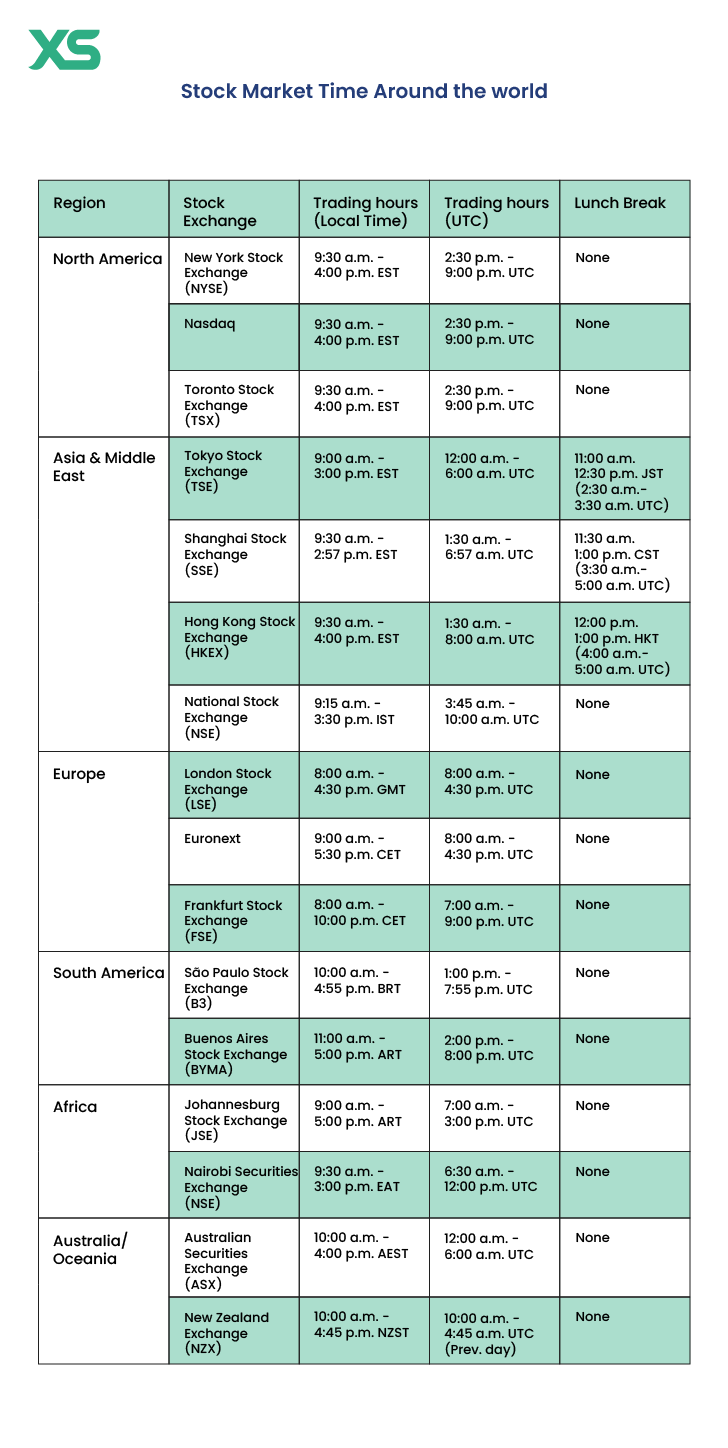
The standard trading session for the NYSE and NASDAQ begins at 9:30 AM ET and ends at 4:00 PM ET. Unlike some international counterparts, these major U.S. exchanges do not close for lunch. This continuous six-and-a-half-hour window is when the highest volume of trading occurs and when liquidity is at its peak. The “closing bell” at 4:00 PM ET marks the end of regular trading, but it also triggers the “closing cross,” a sophisticated process where the exchange matches buy and sell orders to determine the official closing price for each security.
European Markets: Navigating Different Time Zones
European markets operate on a schedule that overlaps with both the end of the Asian trading day and the start of the North American session. The London Stock Exchange (LSE), one of the world’s oldest and most influential, typically opens at 8:00 AM and closes at 4:30 PM local time (GMT or BST).
Across the continent, Euronext—which operates markets in Paris, Amsterdam, Brussels, and Lisbon—generally follows a similar schedule, typically closing at 5:30 PM Central European Time (CET). Investors trading in Europe must be mindful of the volatility that often occurs when the U.S. markets open at 2:30 PM or 3:30 PM local European time, as the sudden influx of American capital can shift price trends established earlier in the day.
The Asian-Pacific Circuit: Trading in the East
The Asian markets provide the first glimpse of global sentiment at the start of each new calendar day. The Tokyo Stock Exchange (TSE) in Japan operates from 9:00 AM to 3:00 PM local time, but with a notable distinction: a lunch break. The TSE closes between 11:30 AM and 12:30 PM.
Similarly, the Hong Kong Stock Exchange (HKEX) operates from 9:30 AM to 4:00 PM local time, with a midday break between 12:00 PM and 1:00 PM. These breaks serve to reduce volatility during the middle of the day and allow traders to recalibrate their strategies based on morning performance. For Western investors, these markets represent the “overnight” session, where geopolitical developments in the East can set the stage for the opening of the European and U.S. markets.
Beyond the Closing Bell: After-Hours and Pre-Market Trading
The 4:00 PM ET closing bell in New York does not mean that trading stops entirely. In the digital age, Electronic Communication Networks (ECNs) allow for extended-hours trading, which includes both “pre-market” and “after-hours” sessions.
How Extended Hours Trading Works
Most major brokerages now offer clients the ability to trade outside of standard hours. Pre-market trading in the U.S. can begin as early as 4:00 AM ET, though the bulk of the activity occurs after 8:00 AM ET. After-hours trading begins immediately following the 4:00 PM ET close and typically runs until 8:00 PM ET.
These sessions are vital for reacting to news that breaks outside of the standard window. Corporate earnings reports, for instance, are almost always released either before the market opens or after it closes to prevent massive, knee-jerk volatility during the main session. By utilizing after-hours trading, investors can adjust their positions the moment a company’s quarterly results hit the wires.
The Risks and Rewards of Post-Market Orders
While the flexibility of trading until 8:00 PM ET is appealing, it comes with significant caveats. The primary risk of after-hours trading is “thin liquidity.” During the standard session, millions of shares change hands, and the “bid-ask spread”—the difference between the highest price a buyer will pay and the lowest price a seller will accept—is usually very narrow.
After the exchange closes, fewer participants are active. This means the bid-ask spread can widen significantly, leading to “slippage,” where your order is executed at a much worse price than anticipated. Furthermore, volatility is heightened; a small sell order that would barely register during the day can cause a significant price drop in the after-hours market. Professional investors often use limit orders exclusively during these times to ensure they do not get caught on the wrong side of a wide spread.
The Significance of Market Holidays and Early Closures
Investors must also account for the calendar. Markets do not operate on a strict 365-day schedule; they observe national holidays and occasionally participate in “early close” sessions.
Cultural and National Holidays
In the United States, the NYSE and NASDAQ are closed on major holidays such as New Year’s Day, Martin Luther King Jr. Day, Presidents’ Day, Good Friday, Memorial Day, Juneteenth, Independence Day, Labor Day, Thanksgiving, and Christmas.
International markets follow their own cultural calendars. For example, the Hong Kong Stock Exchange closes for the Lunar New Year, while the London Stock Exchange closes for Bank Holidays. Being unaware of these dates can lead to “trapped liquidity,” where an investor wants to exit a position but cannot because the primary exchange is closed, even if global news is driving prices down in other active markets.
Half-Day Sessions and Strategic Liquidity
There are also specific days where the exchange closes early—typically at 1:00 PM ET in the United States. This usually occurs on the day after Thanksgiving (Black Friday) and sometimes on Christmas Eve.
Trading volume on early-close days is notoriously low. Many institutional traders take these days off, leaving the market to retail participants and automated algorithms. For the savvy investor, these low-volume days are often best spent observing rather than active trading, as the lack of liquidity can create “false” price movements that are quickly reversed once the full market returns to normal operation.
Why Timing Matters: How the Closing Bell Impacts Your Portfolio
The time the exchange closes is not just a deadline for placing orders; it is a psychological and technical inflection point. The final hour of trading, often referred to as the “Power Hour,” is frequently the most volatile and high-volume period of the day.
Volatility at the Close: The “MOC” Phenomenon
As the close approaches, institutional investors, mutual funds, and ETFs must rebalance their portfolios. Many of these large players use “Market-on-Close” (MOC) orders. These are orders to buy or sell a stock at the official closing price. Because these orders must be executed exactly at the close, they can create a massive surge in volume in the final minutes of the day.
For a retail investor, the 3:50 PM to 4:00 PM ET window can be a dangerous time to place market orders. Prices can swing wildly as the exchange’s matching engine reconciles thousands of MOC orders. Conversely, observing the “closing auction” can provide valuable insights into where the “smart money” is positioning itself for the following day.
Managing Risk Across Different Time Zones
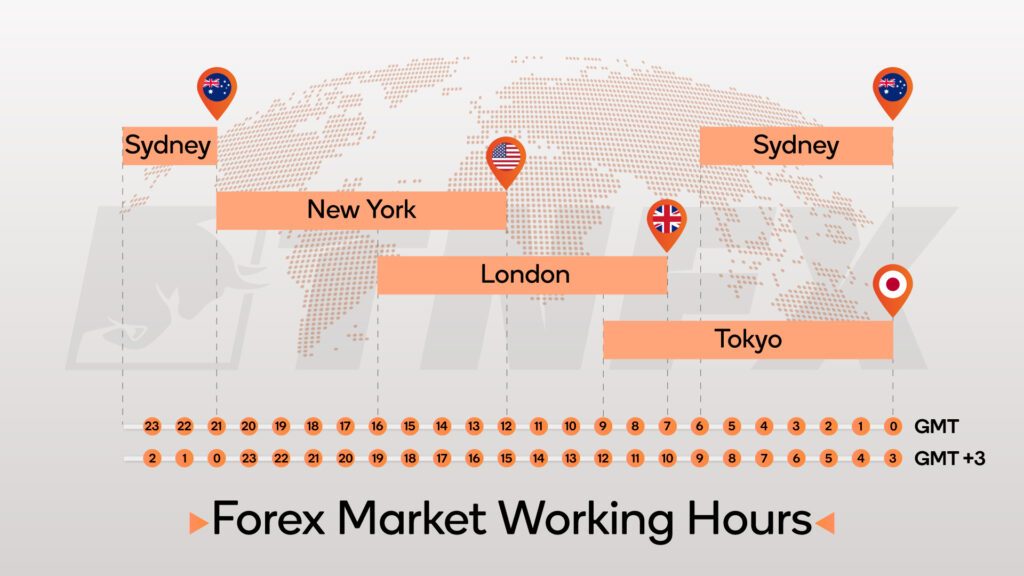
For those with global portfolios, the closing times of different exchanges create a “relay race” of risk. If a negative economic report is released in Japan after their market closes, it will likely impact the European open, which in turn will influence the U.S. open.
Strategic investors use these staggered closing times to hedge their positions. If an investor holds a large position in U.S. tech stocks and sees a major sell-off in Asian tech components overnight, they may choose to use the pre-market session in New York to trim their exposure before the standard 9:30 AM open. Understanding the “hand-off” between the Tokyo, London, and New York closes is essential for managing global macro risk.
Leveraging Technology and Automation for Round-the-Clock Market Access
The modern financial landscape has largely evolved beyond the constraints of physical trading floors and manual bells. Today, technology allows for a level of market interaction that was previously reserved for high-frequency trading firms.
Sophisticated trading platforms now allow investors to set “conditional orders” that trigger based on the clock. For example, an investor can set an order to sell a position only if the price reaches a certain level during the after-hours session. Similarly, automated “algorithmic” tools can be programmed to participate in the closing auction of the London Stock Exchange while the investor is still asleep in California.
However, the democratization of 24/7 market access requires a disciplined approach to personal finance. The fact that an exchange is “open” or that after-hours trading is available does not mean one should constantly be trading. The closing bell serves as a necessary period of reflection. It is a time to analyze the day’s data, review corporate filings, and prepare for the next session with a clear mind. In the world of investing, knowing when to step away from the screen is just as important as knowing when the exchange opens.
By mastering the schedule of the global exchanges, understanding the nuances of the closing auction, and navigating the risks of extended-hours trading, investors can move beyond simply asking “what time does the exchange close” and begin asking “how can I best utilize the time the exchange is open?” Success in finance is often found in the details, and the clock is perhaps the most significant detail of all.
aViewFromTheCave is a participant in the Amazon Services LLC Associates Program, an affiliate advertising program designed to provide a means for sites to earn advertising fees by advertising and linking to Amazon.com. Amazon, the Amazon logo, AmazonSupply, and the AmazonSupply logo are trademarks of Amazon.com, Inc. or its affiliates. As an Amazon Associate we earn affiliate commissions from qualifying purchases.