
For investors living on the West Coast of the United States, the rhythm of the financial world is dictated by a clock that begins ticking long before the sun rises over the Pacific. While the center of global finance sits firmly in the Eastern Time Zone, the digital nature of modern trading allows participants from Seattle to San Diego to engage with the markets in real-time. However, success in this environment requires more than just a brokerage account; it demands a precise understanding of market timing, the discipline to manage early-morning volatility, and a strategic approach to the unique window of opportunity that the Pacific Standard Time (PST) zone provides.
The Core Trading Session: Synchronizing with the New York Bell
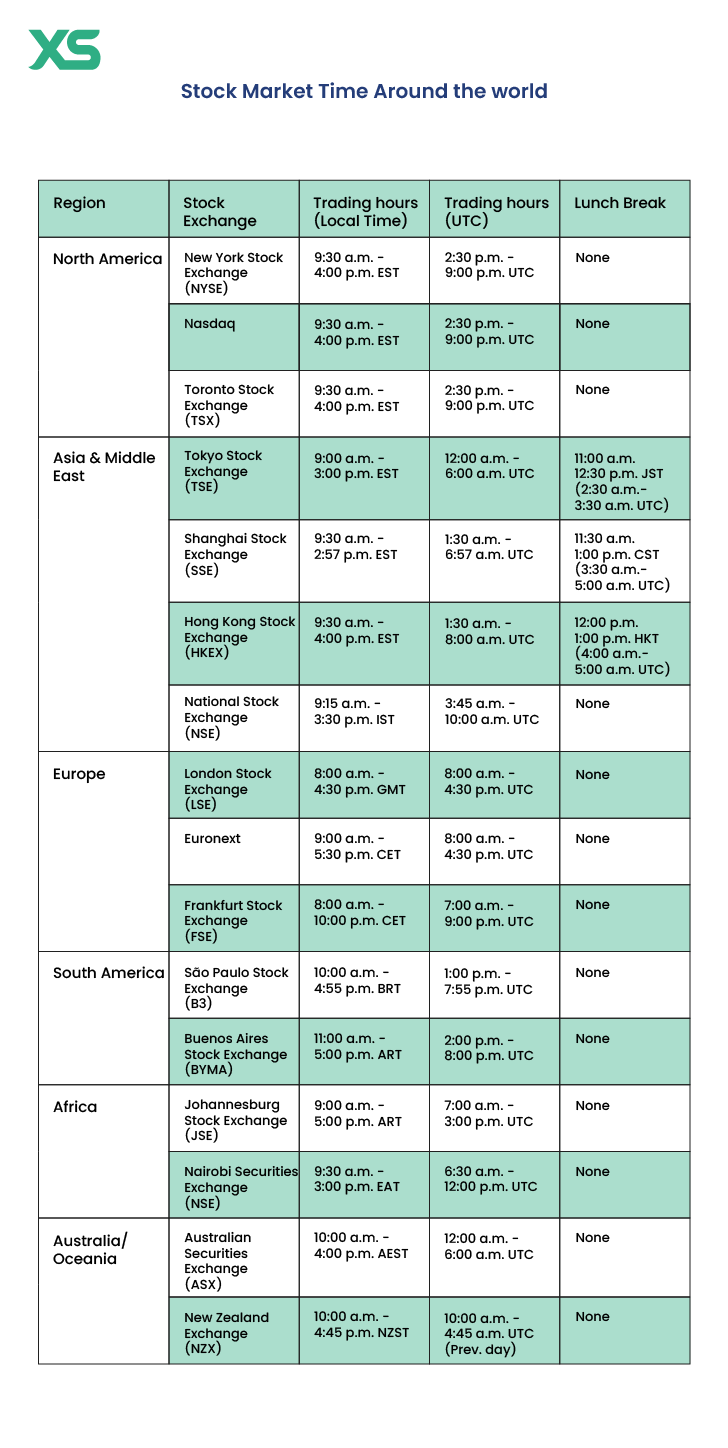
The primary trading session for the two largest stock exchanges in the world—the New York Stock Exchange (NYSE) and the NASDAQ—operates from 9:30 AM to 4:00 PM Eastern Time (ET). For those on the West Coast, this translates to an opening bell at 6:30 AM PST and a closing bell at 1:00 PM PST.
This three-hour offset creates a unique lifestyle and professional dynamic for West Coast investors. While a trader in New York might start their day with a leisurely breakfast before the market opens, a trader in California or Oregon is often analyzing pre-market data at 5:00 AM.
The 6:30 AM PST opening is frequently characterized by “opening volatility.” This is the period where the market price-discovers based on news, earnings reports, and global events that occurred overnight while the U.S. markets were closed. For the disciplined investor, the first 30 minutes of trading (6:30 AM to 7:00 AM PST) can be the most profitable, but also the most dangerous. Orders placed during this window are often met with wide bid-ask spreads as the market seeks equilibrium.
By 10:00 AM PST (1:00 PM ET), the market often enters what is known as the “midday lull.” This corresponds with the lunch hour in New York, where trading volume typically thins out. For West Coast investors, this is an excellent time to step away, perform deep research, or adjust long-term portfolio allocations before the “Power Hour” begins. The final hour of trading, from 12:00 PM to 1:00 PM PST, sees a significant surge in volume and volatility as institutional investors square their positions before the day’s end.
The Impact of Daylight Saving Time
It is crucial to note that the three-hour difference remains consistent because both the East and West Coasts observe Daylight Saving Time synchronously. Whether it is Pacific Standard Time (PST) or Pacific Daylight Time (PDT), the market will always open at 6:30 AM local time for West Coast residents. The only exceptions occur during the brief windows when international markets (like the London Stock Exchange) shift their clocks on different schedules, which can affect the “macro” feel of the early morning session.
Navigating the Extended Hours: Premarket and After-Hours Trading
While the “official” market hours are 6:30 AM to 1:00 PM PST, the reality of modern finance is that the markets rarely truly sleep. Electronic Communication Networks (ECNs) allow for trading outside of regular hours, providing opportunities for those who are awake early enough—or those who wish to react to news after the closing bell.
Premarket Trading for the Early Riser
Premarket trading can begin as early as 1:00 AM PST, though liquidity is incredibly thin during these deep-overnight hours. Most retail brokerages allow their clients to begin trading at 4:00 AM or 5:00 AM PST.
For the West Coast investor, the 4:00 AM to 6:30 AM PST window is critical. This is when the U.S. Bureau of Labor Statistics and other government agencies release major economic indicators, such as the Consumer Price Index (CPI) or the Monthly Jobs Report. These reports are typically released at 8:30 AM ET, which is a crisp 5:30 AM PST. Being active during this time allows West Coast investors to position themselves before the massive wave of liquidity hits at the 6:30 AM opening bell.
After-Hours Trading: The Afternoon Shift
The market does not stop at the 1:00 PM PST closing bell. After-hours trading continues until 5:00 PM PST. This session is of particular importance because the vast majority of publicly traded companies release their quarterly earnings reports shortly after the market closes—usually starting at 1:01 PM PST.

For an investor on the West Coast, the work day is far from over at 1:00 PM. The period between 1:00 PM and 2:30 PM PST is often when the most significant price movements of the day occur for individual stocks. Managing a portfolio from the West Coast means that while your East Coast counterparts are heading home for dinner, you are in the prime window for analyzing earnings calls and adjusting positions based on corporate guidance.
Strategic Advantages of the West Coast Time Zone
While waking up before dawn may seem like a disadvantage, the PST time zone actually offers several strategic benefits for personal finance management and professional trading.
1. The Afternoon Research Window
One of the greatest advantages of the 1:00 PM PST close is that it leaves a significant portion of the business day available for non-trading activities. In New York, the market closes at 4:00 PM, leaving little time for reflection before the day ends. On the West Coast, an investor can finish their active trading by early afternoon and use the remaining hours of the standard workday to conduct deep-dive research, speak with financial advisors, or manage other income-producing ventures.
2. Global Market Overlap
Living in the PST zone provides a unique “bridge” between Asian and European markets. Late-night investors on the West Coast can watch the opening of the Tokyo (TSE) and Hong Kong (HKEX) markets in the early evening (typically starting around 4:00 PM or 5:00 PM PST). Conversely, as the West Coast trader wakes up at 5:00 AM, the European markets are in the middle of their afternoon sessions. This allows for a comprehensive global perspective that is often more difficult to maintain when operating purely on Eastern Time.
3. Psychological Discipline
The 6:30 AM start requires a level of discipline that can actually improve trading outcomes. Successful West Coast traders often develop rigorous morning routines—exercise, meditation, and news consumption—all before the market opens. This prevents the “rushed” feeling that can lead to impulsive trading decisions. By the time the bell rings, the PST investor has often been awake and analytical for two hours, while others might be jumping straight from sleep into their trading screens.
Technical Tools and Workflow for PST Investors
To effectively manage a portfolio from the West Coast, investors must utilize specific tools and settings to ensure they aren’t caught off guard by the time difference.
Automation and Limit Orders
Because the market opens so early, it is not always feasible or healthy to be at a desk for every opening bell. Utilizing limit orders and “Good ‘Til Canceled” (GTC) instructions is essential. A West Coast investor can set their entry and exit points the evening before, allowing the brokerage’s automated systems to execute trades at 6:30 AM PST without requiring the investor to be physically present. This removes the emotional volatility associated with the early morning hours.
Alert Systems
Mobile alerts are the West Coast investor’s best friend. Setting price alerts that trigger at 5:30 AM PST (when economic data drops) ensures that you are only woken up if the news is impactful enough to require action. Most modern trading platforms allow for sophisticated “if-then” alerts that can be sent via push notification or SMS, keeping the investor informed even if they are away from their primary workstation.
Calendar Synchronization
Managing corporate actions, such as dividend ex-dates and earnings releases, requires a calendar that is strictly set to PST. It is a common mistake for novice investors to see an “8:00 AM” earnings call scheduled on a company’s IR page and forget that it refers to Eastern Time. Ensuring all financial calendars are localized prevents missed opportunities and costly timing errors.

Conclusion: Mastering the Pacific Market Cycle
Navigating the stock market from the Pacific Time Zone is a testament to the flexibility of modern capitalism. While the 6:30 AM PST opening requires a shift in lifestyle, it offers a structured environment that can lead to greater focus and better long-term financial health.
By viewing the early start not as a burden but as a strategic window, West Coast investors can take advantage of pre-market data releases, utilize the afternoon for intensive research, and maintain a global perspective that spans from the close of the European markets to the opening of the Asian exchanges. Whether you are a day trader, a long-term value investor, or someone managing a side hustle in the equities market, mastering the PST clock is the first step toward achieving consistent success in the world of finance. The market waits for no one, but for those on the West Coast, it offers a unique head start on the day’s opportunities.
aViewFromTheCave is a participant in the Amazon Services LLC Associates Program, an affiliate advertising program designed to provide a means for sites to earn advertising fees by advertising and linking to Amazon.com. Amazon, the Amazon logo, AmazonSupply, and the AmazonSupply logo are trademarks of Amazon.com, Inc. or its affiliates. As an Amazon Associate we earn affiliate commissions from qualifying purchases.