
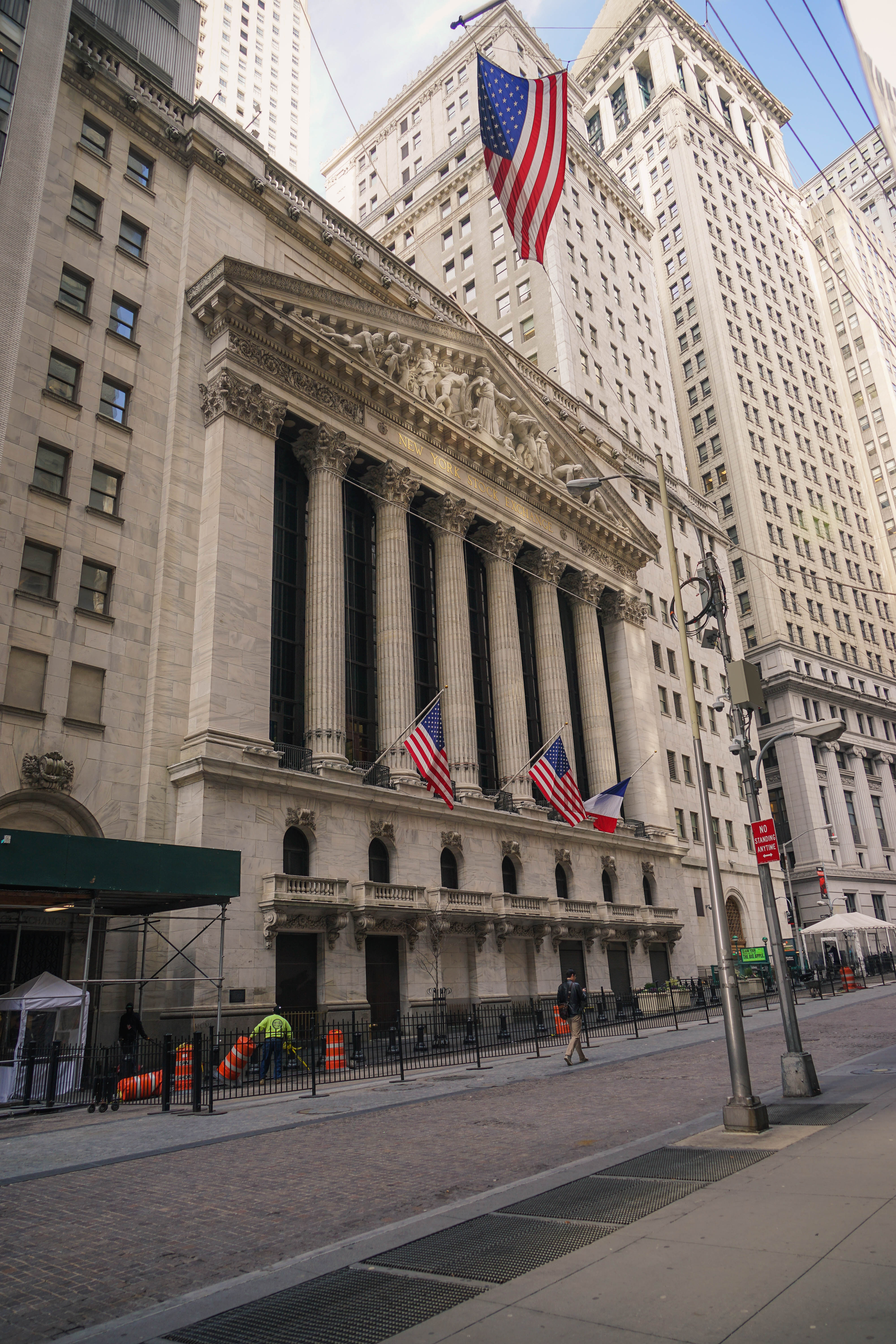
The New York Stock Exchange (NYSE), located at 11 Wall Street in Lower Manhattan, stands as the world’s largest stock exchange by market capitalization. For investors, traders, and financial professionals, the operating hours of this institution dictate the flow of global capital and influence the movement of markets across every continent. Understanding the precise timing of the opening and closing bells, as well as the nuances of extended-hours trading, is fundamental to navigating the complexities of modern finance.
While the “standard” trading window is well-known, the ecosystem surrounding these hours involves pre-market sessions, after-hours activity, and specific protocols for holidays and emergency halts. For anyone looking to manage a portfolio or execute a high-frequency strategy, timing is not merely a logistical detail—it is a critical component of risk management and opportunity.
Understanding Core Trading Hours: The Rhythm of Wall Street
The core trading session of the New York Stock Exchange is designed to concentrate liquidity, ensuring that buyers and sellers can transact efficiently with minimal price slippage. This concentrated window allows for price discovery to occur in a transparent, regulated environment.
The Opening Bell: 9:30 AM ET
The NYSE trading day officially begins at 9:30 AM Eastern Time. This moment is marked by the iconic ringing of the opening bell, a tradition that dates back to the 1870s. From a technical perspective, the opening is one of the most volatile periods of the day. Overnight news, international market movements, and corporate earnings releases that occurred after the previous day’s close all culminate in a surge of orders at 9:30 AM.
Professional traders often refer to the first 30 to 60 minutes of the day as the “opening range.” During this time, the market digests information, and the initial price direction is established. For retail investors, this period can be treacherous due to high volatility and wide bid-ask spreads, but for institutional players, it provides the necessary volume to execute large positions.
The Closing Bell: 4:00 PM ET
The market closes its core session at 4:00 PM Eastern Time. The final hour of trading, often called the “Power Hour,” typically sees a significant increase in volume and volatility. Fund managers often rebalance their portfolios during this window, and institutional “market-on-close” (MOC) orders are executed.
The closing price of a stock is particularly significant because it serves as the benchmark for mutual fund Net Asset Values (NAVs), margin requirements, and historical data analysis. The NYSE utilizes a “Closing Auction” process to determine the final price of the day, ensuring that the closing price reflects a true consensus of value based on all available buy and sell interest.
Why Eastern Time?
The NYSE operates on Eastern Time (ET) because New York City serves as the financial capital of the United States. Whether you are trading from London, Tokyo, or Los Angeles, the exchange operates according to the clock in New York. This includes adjustments for Daylight Saving Time. When the U.S. shifts its clocks in March and November, international investors must adjust their local schedules to align with the 9:30 AM ET opening.
Beyond the Bell: Extended Hours Trading
In the digital age, trading is no longer confined to the traditional six-and-a-half-hour window. Electronic Communication Networks (ECNs) allow for “extended hours” trading, which occurs both before the market opens and after it closes.
Pre-Market Trading (4:00 AM – 9:30 AM ET)
The NYSE Arca, the exchange’s fully electronic platform, begins accepting orders as early as 4:00 AM ET. However, the bulk of pre-market activity occurs between 8:00 AM and 9:30 AM ET.
Pre-market trading is primarily driven by reactions to “breaking news,” such as early-morning economic reports (like the Consumer Price Index or Unemployment numbers) or earnings reports from European companies. While this session allows for early positioning, it is characterized by significantly lower liquidity and higher volatility than the core session. Prices can swing wildly on low volume, meaning the “pre-market price” is not always a reliable indicator of where the stock will trade once the opening bell rings.
After-Hours Trading (4:00 PM – 8:00 PM ET)
After-hours trading begins immediately following the 4:00 PM ET close and continues until 8:00 PM ET. This session is critical for investors because the vast majority of publicly traded companies release their quarterly earnings reports shortly after the closing bell.
Investors use this window to react to earnings surprises or executive guidance. For instance, if a major tech company reports record profits at 4:15 PM, its stock price may jump 10% in the after-hours market. However, because fewer participants are active, the “spread”—the difference between the buy and sell price—is often much wider, increasing the cost of trading.
Risks and Rewards of Extended Trading
Extended-hours trading offers the advantage of speed, allowing investors to act on information before the general public. However, the risks are substantial. In addition to lower liquidity and higher volatility, many brokerages only allow “limit orders” during these sessions to protect investors from executing trades at unintended prices. Furthermore, there is a risk of “unlinked markets,” where the price on one electronic exchange may differ significantly from another.
Market Holidays and Early Closures
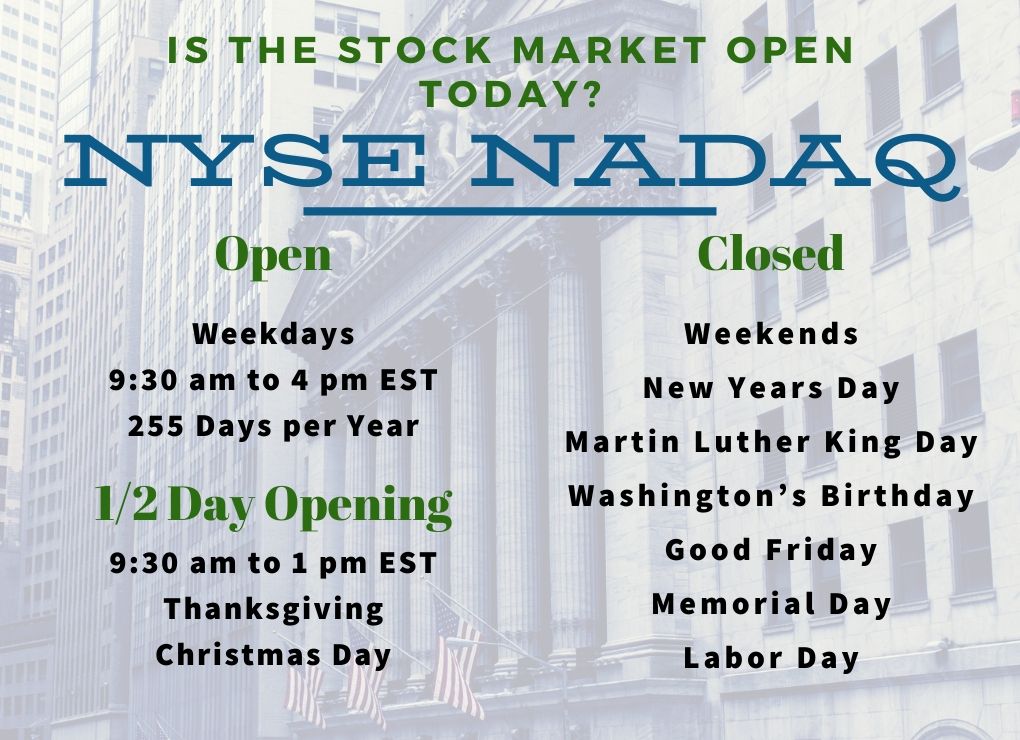
The NYSE does not operate 365 days a year. It follows a strictly regulated holiday schedule that aligns with federal holidays in the United States, with a few notable exceptions.
Scheduled NYSE Holidays
The exchange is generally closed on the following days:
-
New Year’s Day
-
Martin Luther King, Jr. Day
-
Presidents’ Day (Washington’s Birthday)
-
Good Friday (While not a federal holiday, the NYSE traditionally closes)
-
Memorial Day
-
Juneteenth National Independence Day
-
Independence Day (July 4th)
-
Labor Day
-
Thanksgiving Day
-
Christmas Day
If a holiday falls on a Saturday, the exchange is typically closed on the preceding Friday. If it falls on a Sunday, the exchange is closed on the following Monday.
Half-Day Sessions
In addition to full closures, the NYSE occasionally operates on a “half-day” schedule, closing at 1:00 PM ET. These early closures typically occur on the day after Thanksgiving (Black Friday) and sometimes on Christmas Eve, depending on which day of the week the holiday falls. These shortened sessions are usually characterized by extremely low trading volume, as many institutional traders take the time off for the holidays.
The “Weekend Effect” in Trading
Because the market is closed on Saturdays and Sundays, “weekend risk” is a significant factor for investors. Any major geopolitical event or economic shift that occurs over the weekend cannot be acted upon until the pre-market session opens on Monday morning. This often results in a “gap” in stock prices—where a stock opens Monday at a price significantly different from where it closed on Friday.
Market Volatility and Unscheduled Closures
While the NYSE has a set schedule, external events can force the exchange to deviate from its routine. The exchange utilizes specific mechanisms to handle extreme volatility or national emergencies.
Circuit Breakers: The Market’s Safety Valves
To prevent a repeat of the “Flash Crash” or the panic selling seen in 1987, the NYSE employs “circuit breakers.” These are automated halts in trading that trigger when the S&P 500 Index drops by certain percentages relative to the previous day’s close:
-
Level 1 (7% drop): Trading is suspended for 15 minutes.
-
Level 2 (13% drop): Trading is suspended for another 15 minutes.
-
Level 3 (20% drop): Trading is suspended for the remainder of the day.
These pauses are designed to give investors time to breathe, assimilate information, and make rational decisions rather than reacting out of pure fear.
Historical Context of Unexpected Closures
Unscheduled closures are rare but significant. The NYSE closed for four days following the September 11 terrorist attacks in 2001 to maintain market stability and allow for the restoration of infrastructure. Similarly, in 2012, Hurricane Sandy forced a two-day closure due to the threat to the safety of employees and the integrity of the physical trading floor. These events highlight that while the market is a global digital entity, it is still subject to physical and societal realities.
Strategic Implications for Modern Investors
Knowing the opening and closing times is the first step, but understanding the character of these timeframes can lead to more informed investment decisions.
The Power Hour: Trading at the Close
The final hour of trading (3:00 PM to 4:00 PM ET) is often the most indicative of where the “smart money” is moving. Because institutional investors manage billions of dollars, they often wait until the end of the day to execute their trades to ensure they are working with the most complete set of data for that day. A market that finishes “strong” (closing at the high of the day) is often seen as a bullish indicator for the following session.
The Midday Lull
Between 12:00 PM and 2:00 PM ET, trading volume typically drops. This is often referred to as the “Lunchtime Lull.” During this period, floor traders and institutional desks may rotate staff for breaks, and there is generally less news flow. For retail investors, this can be a good time to execute trades that require stability, as the lack of volume generally leads to less erratic price movement compared to the open or close.
Global Market Overlap: NYSE vs. London and Tokyo
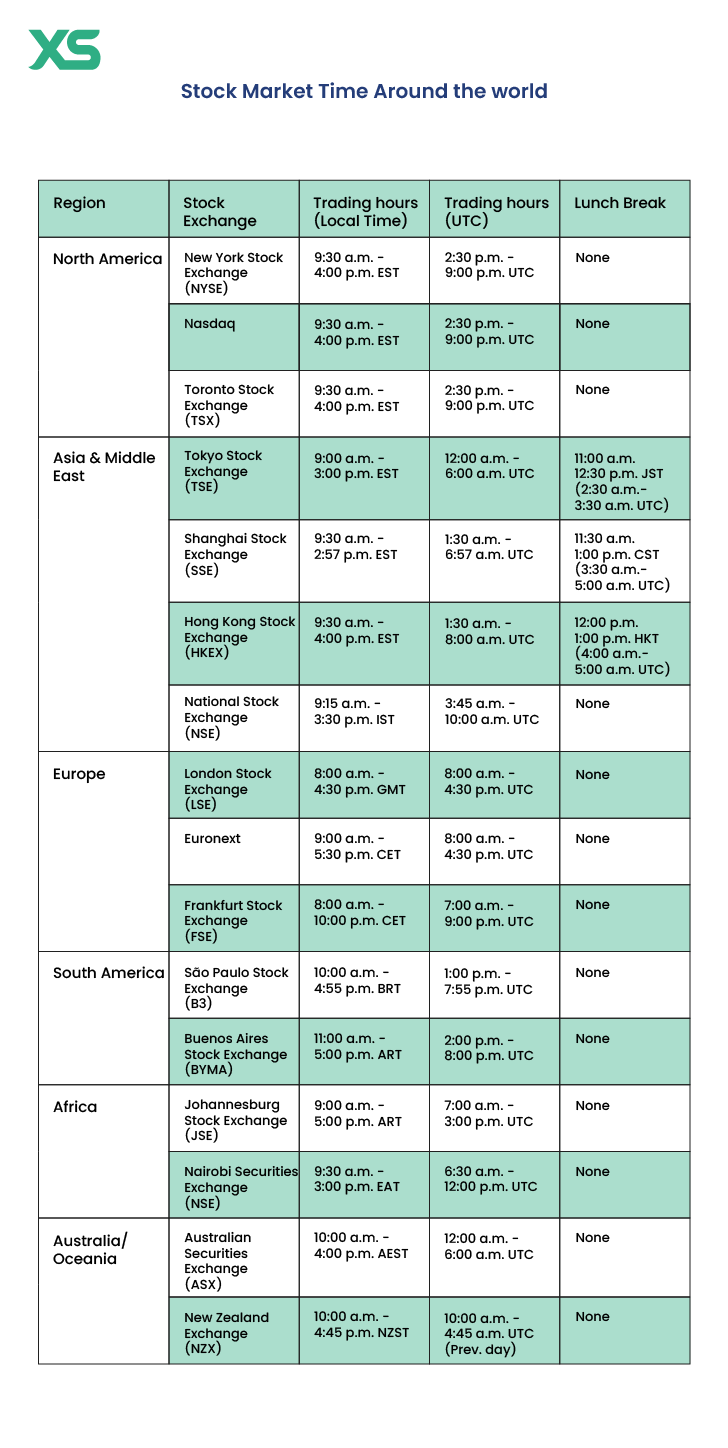
The NYSE does not operate in a vacuum. One of the most important periods for global liquidity occurs between 9:30 AM and 11:30 AM ET. This is when the New York market overlaps with the final hours of the London Stock Exchange and other European markets. This “overlap” period often sees the highest volume of currency (Forex) and large-cap stock trading, as two of the world’s largest financial hubs are active simultaneously.
By contrast, the Tokyo and Hong Kong markets are typically closed during NYSE hours, creating a hand-off of global capital as the sun moves across the time zones. Understanding this global relay race is essential for anyone trading international corporations or exchange-traded funds (ETFs) with global exposure.
In summary, the New York Stock Exchange’s hours are more than a schedule; they are the framework within which the world’s financial history is written daily. From the frantic energy of the 9:30 AM opening to the calculated maneuvers of the 4:00 PM close, each minute of the trading day offers a different environment for the savvy investor. By mastering these timings, an investor can better navigate volatility, capitalize on liquidity, and protect their capital in an ever-changing financial landscape.
aViewFromTheCave is a participant in the Amazon Services LLC Associates Program, an affiliate advertising program designed to provide a means for sites to earn advertising fees by advertising and linking to Amazon.com. Amazon, the Amazon logo, AmazonSupply, and the AmazonSupply logo are trademarks of Amazon.com, Inc. or its affiliates. As an Amazon Associate we earn affiliate commissions from qualifying purchases.