
The transition from the exuberant celebrations of New Year’s Eve into the cold reality of January often brings a period of reflection—not just on personal resolutions, but on the state of one’s finances. While the calendar marks Martin Luther King Jr. Day or Lunar New Year as the immediate chronological milestones, for the financially savvy individual, the “next holiday” represents a critical window for fiscal recalibration. The first quarter of the year is a unique economic landscape where the echoes of holiday overspending meet the urgent demands of tax preparation and annual budgeting.
To navigate this period effectively, one must look beyond the mere date on a calendar and understand the financial implications of the post-New Year cycle. This is the time to transition from a consumption-based mindset to a wealth-building strategy, ensuring that the momentum of a “new start” is translated into tangible net worth growth.
The Post-New Year Financial Recovery Phase
The immediate weeks following New Year’s Day are often characterized by what economists call the “holiday debt hangover.” For many, the joy of gift-giving and festive travel is replaced by the arrival of credit card statements. Recognizing the next holiday—whether it is a federal holiday in mid-January or a cultural celebration in February—requires first clearing the wreckage of the previous year’s spending.
Auditing the Damage: Managing Holiday Debt
The first step in any Q1 financial strategy is a comprehensive audit. Before the next holiday arrives, you must aggregate all liabilities incurred during November and December. High-interest consumer debt is the greatest predator of long-term wealth. If balances are carried over, the interest accrued can quickly negate any “deals” found during holiday sales.
The “Snowball” or “Avalanche” methods are particularly effective during this window. By focusing on the smallest balances or the highest interest rates respectively, you can create a structured path to liquidity before the spring season begins. The goal is to reach the next significant calendar break with a clean slate, allowing you to allocate funds toward investments rather than past consumption.
Resetting the Budget for Q1
January is the ideal time to implement “Zero-Based Budgeting.” This approach involves assigning every dollar of your income to a specific category—be it necessities, debt repayment, or investments—until the remaining balance is zero. This prevents the “leakage” that often occurs when people feel they have a surplus after the heavy spending of December is over. By the time the next holiday rolls around, a well-structured budget ensures that any long-weekend travel or celebratory dining is already funded, rather than borrowed against future earnings.
Martin Luther King Jr. Day and the Value of Time-Off Planning
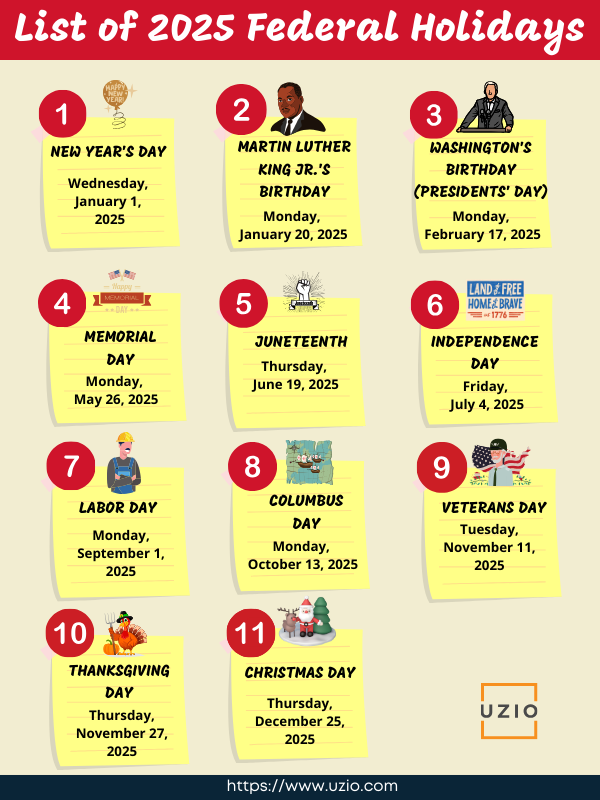
In the United States, Martin Luther King Jr. Day represents the first federal holiday after New Year’s. From a money management perspective, this three-day weekend is a litmus test for your new financial habits. It is a period where the temptation to spend on short-term “getaways” or retail sales is high, yet it offers a prime opportunity for “Financial Rest.”
Maximizing the Long Weekend without Breaking the Bank
Travel costs often spike during federal holiday weekends. A common mistake is impulsive booking driven by a desire to escape the post-holiday winter blues. Strategic personal finance suggests that if travel is desired for this mid-January break, it should have been funded by a “Sinking Fund” established months prior.
If you find yourself without a travel fund, the next holiday serves as an excellent time for a “Deep Dive Financial Weekend.” Instead of spending $500 on a brief trip, spending six hours over the long weekend reviewing your investment portfolio, rebalancing your 401(k), and shopping for better insurance rates can yield thousands of dollars in long-term savings. This is the essence of making your money work for you rather than you working for your money.
The Cost of Leisure vs. The Benefit of Financial Rest
There is a profound difference between leisure that costs money and rest that builds capacity. Professional finance isn’t just about deprivation; it’s about the optimization of resources. Using the first holiday of the year to engage in low-cost, high-value activities—such as reading financial literature, meal prepping for the coming month, or researching side hustle opportunities—sets a productive tone for the remaining eleven months.
Preparing for the Cultural and Commercial Impact of Lunar New Year and Valentine’s Day
As we move further into the first quarter, two major events dominate the commercial landscape: Lunar New Year and Valentine’s Day. Both have significant implications for global markets and personal cash flow.
Lunar New Year: Global Market Shifts and Gift-Giving Finance
For those with international investments or business interests in Asia, Lunar New Year is more than just a holiday; it is a period of massive economic shifting. Markets in China, Hong Kong, and Singapore often close for several days, leading to a temporary lull in global trade volumes.
On a personal level, for those who celebrate, the tradition of “Hongbao” (giving red envelopes with money) requires significant liquid cash. Planning for this “holiday” involves understanding the cultural expectations of your social circle and budgeting for these gifts well in advance. From an investing standpoint, the period leading up to Lunar New Year often sees increased volatility in luxury goods and travel stocks, providing opportunities for savvy traders to capitalize on seasonal trends.
Valentine’s Day: Avoiding the “Romance Premium” Inflation
Valentine’s Day is perhaps the most notorious holiday for “artificial inflation.” The prices of flowers, jewelry, and dining-out experiences surge as demand peaks within a 24-hour window. To maintain financial integrity, one must resist the social pressure of “The Romance Premium.”
Strategies such as celebrating a week early or a week late can result in 50% savings on identical goods and services. More importantly, this holiday provides a platform for couples to have “The Money Talk.” Use the period around the next holiday to align on financial goals, discuss debt levels, and plan joint investments. Transparency in financial matters is one of the strongest predictors of long-term relationship success and wealth accumulation.
The “Tax Holiday”: Navigating the Transition to Tax Season
While not a traditional holiday in the celebratory sense, the period following New Year is effectively “Tax Prep Season.” For the astute earner, this is the most critical financial period of the year. The decisions made between January and the April filing deadline can have a massive impact on your net tax liability.
Organizing Documents Early to Save Money
The “cost” of the next holiday can often be offset by the savings found in a well-managed tax return. Early organization allows you to identify missing deductions and credits that might be overlooked in a last-minute rush. If you are self-employed or have side income, this is the time to aggregate receipts and finalize your profit and loss statements. Utilizing software or professional services early in the season often results in lower fees and more thorough audits.
Strategic Contributions to Retirement Accounts
In many jurisdictions, you have until the tax filing deadline to make contributions to certain retirement accounts (like an IRA in the U.S.) that count toward the previous year’s tax benefits. This “holiday” on your tax bill is a powerful tool for wealth building. By maximizing these contributions, you are essentially paying your future self while reducing the amount of money you owe the government today. This is a primary strategy for moving from a middle-income mindset to a high-net-worth trajectory.
Building a Sustainable Side Hustle for the Year Ahead
If the goal after New Year is to increase your “Money,” then the next holiday should be viewed as a launchpad for income diversification. The “New Year, New Me” energy is at its peak in January, and this can be harnessed to start a side hustle that provides extra capital for future holidays.
Identifying Q1 Market Needs
The first quarter creates specific demands. People are looking for tax help, fitness coaching, organization services, and financial planning. If you have skills in these areas, the weeks following New Year’s Day are the prime time to market your services. The income generated from a side hustle started in January can be earmarked specifically for your summer vacation, effectively making that future holiday “free.”

Automating Your Savings Before the Next Major Break
The ultimate financial goal for the period between New Year and the next major holiday is the automation of wealth. As you identify areas to cut costs and ways to increase income, set up automatic transfers to your brokerage or high-yield savings accounts.
Automation removes the emotional friction of saving. By the time the next holiday arrives, you won’t have to “decide” to save; the work will already be done. This creates a psychological sense of security, knowing that while you enjoy the next break in the calendar, your capital is continuously working, compounding, and growing in the background.
In conclusion, “what is the next holiday after New Year” is a question that should be answered through a financial lens. Whether it is MLK Day, Lunar New Year, or the onset of Tax Season, each milestone offers a distinct opportunity to refine your budget, reduce your liabilities, and accelerate your path to financial independence. By treating the first quarter as a period of strategic positioning rather than just a wait for the next day off, you ensure that your financial health remains robust throughout the entire year.
aViewFromTheCave is a participant in the Amazon Services LLC Associates Program, an affiliate advertising program designed to provide a means for sites to earn advertising fees by advertising and linking to Amazon.com. Amazon, the Amazon logo, AmazonSupply, and the AmazonSupply logo are trademarks of Amazon.com, Inc. or its affiliates. As an Amazon Associate we earn affiliate commissions from qualifying purchases.