
In the modern financial landscape, the concept of a “share” serves as the fundamental building block of global capitalism. For the individual investor, a share represents more than just a ticker symbol on a digital screen; it is a legal claim to a portion of a company’s assets and a proportional share of its future earnings. Understanding what shares are, how they function, and the role they play in a diversified financial portfolio is essential for anyone seeking to navigate the world of personal finance and wealth accumulation.
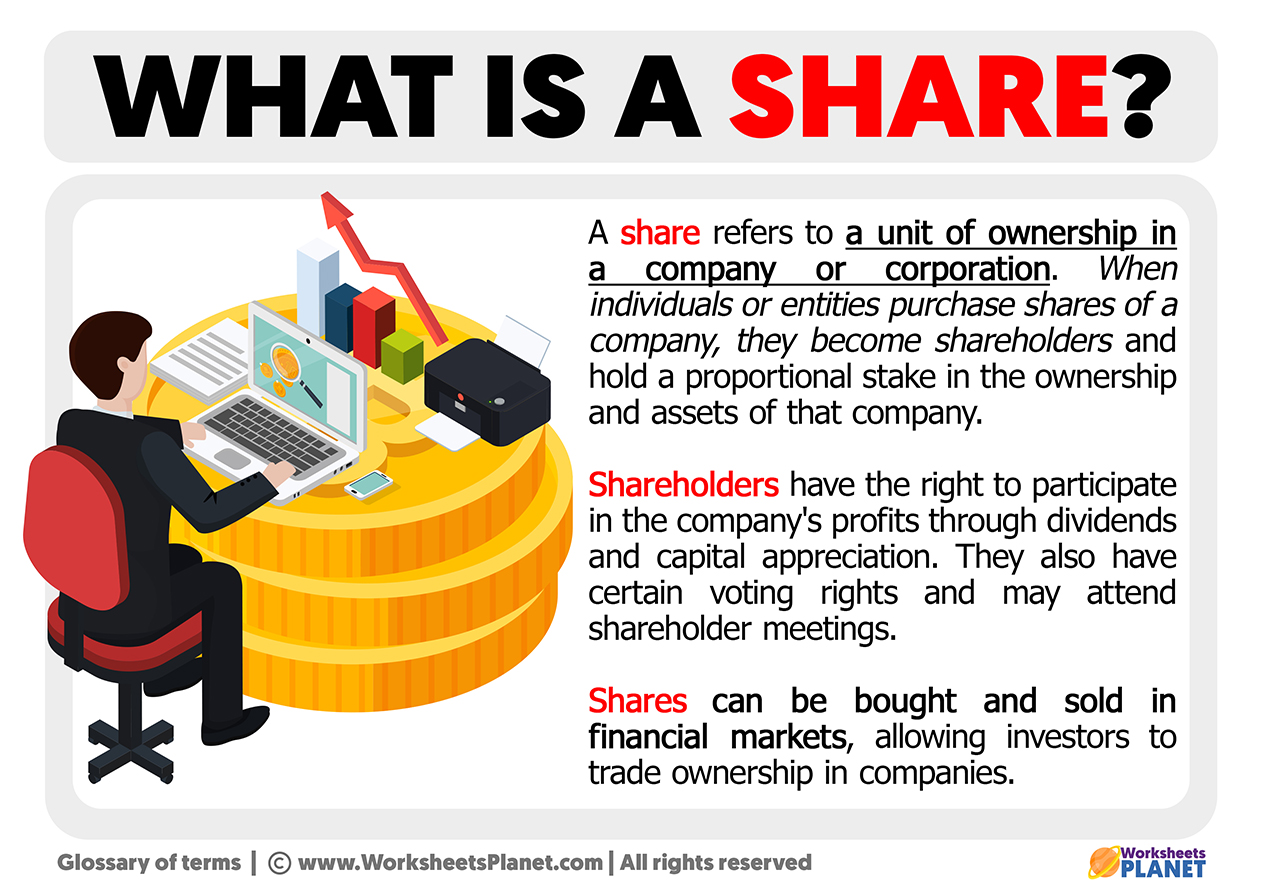
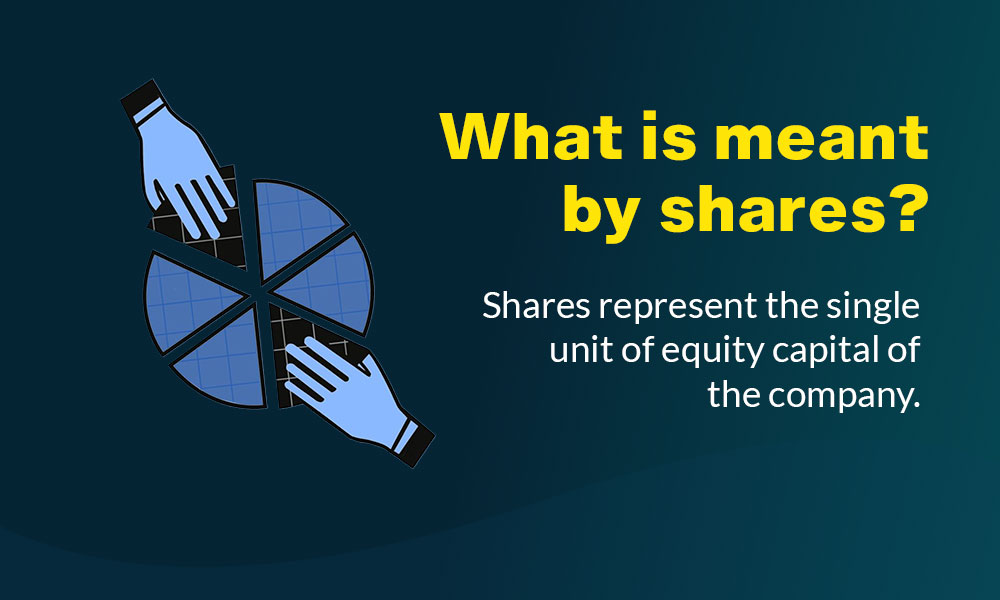
At its core, a share is a unit of ownership. When a corporation chooses to “go public,” it divides its total value into millions of small pieces, which are then sold to the public on a stock exchange. By purchasing even a single share, an individual becomes a partial owner—a shareholder—of that enterprise. This ownership grants certain rights and potential rewards, but it also carries inherent risks that every participant in the financial markets must understand.
The Mechanics of Ownership: How Shares Work
The transition of a private company into a publicly traded entity is a transformative event facilitated through shares. When you hold shares in a company, you are essentially providing capital to that business in exchange for equity. This equity represents a residual claim; should the company be liquidated, shareholders have a claim on what remains after all creditors, bondholders, and employees have been paid.
The Difference Between Stocks and Shares
While the terms are often used interchangeably in casual conversation, there is a subtle technical distinction. “Stock” is a general term used to describe the ownership certificates of any company. “Shares,” on the other hand, refers to the specific units of ownership of a particular company. For example, you might say you own “stock” in the technology sector, but specifically, you own 50 “shares” of a specific software corporation.
Common vs. Preferred Shares
Not all shares are created equal. Most individual investors deal in Common Shares. These grant the holder the right to vote on corporate policies and elect the board of directors. Perhaps more importantly, they offer the highest potential for long-term capital appreciation. However, common shareholders are last in line during a bankruptcy.
Preferred Shares function as a hybrid between a stock and a bond. They typically do not offer voting rights, but they do provide a fixed dividend that must be paid out before any dividends are issued to common shareholders. In the event of a corporate liquidation, preferred shareholders have a higher claim on assets than common shareholders, making them a more conservative equity investment.
Voting Rights and Corporate Governance
Ownership brings influence. Each share of common stock typically represents one vote. Shareholders use these votes to influence major company decisions, such as mergers, acquisitions, and the appointment of executives. While a retail investor with ten shares may have negligible influence, large institutional investors—like pension funds or mutual funds—use their massive shareholdings to steer corporate strategy, ensuring the management team acts in the best interest of the owners.
Why Companies Issue Shares: The Capital Engine
To understand shares, one must understand why a company would choose to give away pieces of itself. The primary motivation is the acquisition of capital. Businesses require massive amounts of liquidity to fund research and development, expand into new geographic markets, or pay off existing debt without the burden of high-interest bank loans.
Initial Public Offerings (IPOs)
The Initial Public Offering is the first time a company’s shares are offered to the general public. For the company, this is a massive fundraising event. For the founders and early private investors (like venture capitalists), the IPO is an “exit strategy” that allows them to convert their private equity into liquid cash. Once the IPO is complete, the shares begin trading on the “secondary market,” such as the New York Stock Exchange (NYSE) or the NASDAQ.
Equity Financing vs. Debt Financing
Companies generally have two ways to raise money: debt or equity. Debt financing involves taking out loans or issuing bonds, which must be repaid with interest regardless of the company’s performance. Equity financing, through the issuance of shares, does not require repayment. The company gets the cash it needs, and in exchange, the investors take on the risk of the business. If the company fails, the company doesn’t owe the shareholders their money back. This makes shares an attractive tool for high-growth, high-risk companies that may not yet have the cash flow to service traditional debt.
Secondary Offerings and Dilution
Even after an IPO, a company might decide to issue more shares to raise additional funds. This is known as a secondary offering. While this provides the company with more capital, it can lead to “dilution” for existing shareholders. If a company has 100 shares and you own 10, you own 10% of the company. If the company issues another 100 shares, your 10 shares now only represent 5% of the total ownership. Dilution is a critical factor for investors to monitor, as it can reduce the value of their holdings if the new capital isn’t deployed effectively to increase the company’s overall valuation.
The Investor’s Perspective: Wealth Creation through Shares
For the individual, the primary reason to hold shares is the potential for wealth creation. Historically, the stock market has outperformed most other asset classes over long periods, providing a hedge against inflation and a vehicle for compound growth.
Capital Gains: The Power of Appreciation
The most visible way to make money through shares is through capital gains. This occurs when you sell a share for a higher price than you paid for it. If you purchase a share for $100 and its market value increases to $150 due to the company’s success and increased demand, you have a “paper gain” of $50. Once you sell the share, that becomes a realized capital gain. This growth is driven by the company’s ability to increase its earnings, innovate, and capture market share.
Dividends: Generating Passive Income
Many established, profitable companies distribute a portion of their earnings back to shareholders in the form of dividends. For many investors, dividends are the hallmark of a “Money” strategy focused on cash flow. By reinvesting these dividends to buy more shares, investors can take advantage of compounding, where they earn returns on their returns. Dividend-paying shares are often favored by retirees or those seeking a more stable, income-oriented portfolio.
Diversification and Risk Management
Investing in shares allows for unparalleled diversification. Instead of putting all your capital into a single business venture, you can spread your investment across hundreds of companies in different sectors—such as healthcare, technology, energy, and consumer goods. Through shares, an individual can own a piece of the world’s most successful corporations with a relatively small amount of capital, mitigating the risk that a failure in one industry will destroy their entire financial foundation.
How to Start Investing in Shares
The barrier to entry for share ownership has never been lower. Technology and financial innovation have democratized access to the markets, allowing anyone with a smartphone and a few dollars to become a shareholder.
Brokerage Accounts and Digital Platforms
To buy shares, you need a brokerage account. These act as the intermediary between you and the stock exchanges. Modern digital brokerages have largely eliminated trading commissions, making it cost-effective to buy small amounts of shares. When choosing a platform, investors should consider the tools provided, the security of the institution, and the types of accounts offered, such as individual taxable accounts or tax-advantaged retirement accounts like IRAs.
Fundamental vs. Technical Analysis
Determining which shares to buy generally falls into two schools of thought. Fundamental Analysis involves looking at a company’s financial statements, its management team, its competitive advantages, and the overall economic environment to determine its “intrinsic value.” The goal is to find shares that are trading for less than they are worth.
Technical Analysis, conversely, ignores the company’s business fundamentals and focuses on price movements and chart patterns. Technical analysts believe that all known information is already reflected in the share price, and they look for trends to predict future price action. Most long-term “Money”-focused investors lean toward fundamental analysis as a more sustainable strategy for building wealth.
Market Orders vs. Limit Orders
When you decide to buy a share, you must tell the broker how to execute the trade. A Market Order instructs the broker to buy or sell immediately at the best available current price. While this ensures the trade happens quickly, the price may be slightly different than expected in a volatile market. A Limit Order sets a specific price at which you are willing to buy or sell. The trade will only execute if the share price hits your target, giving the investor more control over their entry and exit points.
Understanding Market Dynamics and Volatility
The price of a share is not a fixed number; it is a living reflection of collective human expectation. Share prices fluctuate constantly based on a myriad of factors, ranging from company-specific news to global geopolitical events.
Supply and Demand
At its most basic level, the price of a share is determined by supply and demand. If more people want to buy a share (demand) than sell it (supply), the price goes up. If bad news breaks and investors rush to sell, the supply exceeds demand, and the price falls. This auction-style pricing happens in milliseconds across global electronic exchanges.
Economic Indicators and Sentiment
Share prices are deeply sensitive to the broader economy. Interest rates set by central banks, inflation data, and unemployment rates all influence how much investors are willing to pay for future earnings. Furthermore, market sentiment—the collective “mood” of investors—can drive prices far away from their fundamental value. Periods of irrational exuberance can lead to market bubbles, while periods of extreme fear can lead to market crashes, offering both risks and opportunities for the disciplined investor.
The Importance of a Long-Term Mindset
The primary challenge of investing in shares is managing the emotional response to volatility. In the short term, the market can be a “voting machine,” reflecting popular opinion and noise. In the long term, however, it is a “weighing machine,” reflecting the actual substance and profitability of the underlying companies. Successful investing in shares requires the patience to weather short-term price swings in favor of the long-term trajectory of business growth. By focusing on the “Money” principles of value, patience, and diversification, shareholders can harness the power of the global economy to secure their own financial future.
aViewFromTheCave is a participant in the Amazon Services LLC Associates Program, an affiliate advertising program designed to provide a means for sites to earn advertising fees by advertising and linking to Amazon.com. Amazon, the Amazon logo, AmazonSupply, and the AmazonSupply logo are trademarks of Amazon.com, Inc. or its affiliates. As an Amazon Associate we earn affiliate commissions from qualifying purchases.