
In the landscape of modern commerce and finance, the stock company stands as the most influential organizational structure ever devised. It is the engine behind global trade, the primary vehicle for wealth creation, and the foundational unit of the world’s financial markets. At its most basic level, a stock company is a business entity that is owned by its shareholders. Each share represents a fractional piece of ownership in the corporation, granting the holder specific rights, including a claim on a portion of the company’s assets and earnings.
Understanding the mechanics of a stock company is essential for anyone navigating the worlds of personal finance, investing, or business management. This structure allows businesses to pool massive amounts of capital from diverse sources, enabling projects and innovations that would be impossible for a single individual or a small partnership to fund. By decoupling management from ownership and introducing the concept of limited liability, the stock company revolutionized how risk is managed and how value is distributed across the economy.

The Fundamental Structure and Legal Framework
The defining characteristic of a stock company—often referred to as a joint-stock company or a corporation—is its status as a distinct legal entity. Unlike a sole proprietorship, where the owner and the business are legally one and the same, a stock company is a “legal person.” It can enter into contracts, incur debt, sue or be sued, and own property independently of the individuals who hold its shares.
The Concept of Limited Liability
Perhaps the most significant innovation of the stock company is the principle of limited liability. In a traditional partnership, the owners are personally responsible for the business’s debts; if the company fails, creditors can pursue the owners’ personal assets, such as their homes or savings. In a stock company, the liability of the shareholders is limited to the amount they have invested in their shares. This protection encourages investment by capping the potential loss, allowing individuals to participate in high-risk, high-reward ventures without endangering their entire personal net worth.
Shares and Equity Capital
A stock company’s ownership is divided into units called shares or stocks. When an individual or institutional investor purchases these shares, they are providing equity capital to the firm. This capital is permanent; unlike a bank loan, it does not need to be repaid on a specific schedule. In exchange for this capital, the company provides the shareholder with a residual claim on profits. If the company thrives, the value of the shares typically increases, and the company may distribute a portion of its earnings to shareholders in the form of dividends.
Transferability of Ownership
Another hallmark of the stock company is the ease with which ownership can be transferred. Because ownership is represented by standardized shares, these units can be bought and sold without disrupting the operations of the business. In public stock companies, this liquidity is facilitated by organized stock exchanges, allowing investors to enter or exit their positions in seconds. This fluidity is a cornerstone of modern financial markets, providing the price discovery and capital mobility necessary for a healthy economy.
Public vs. Private Stock Companies
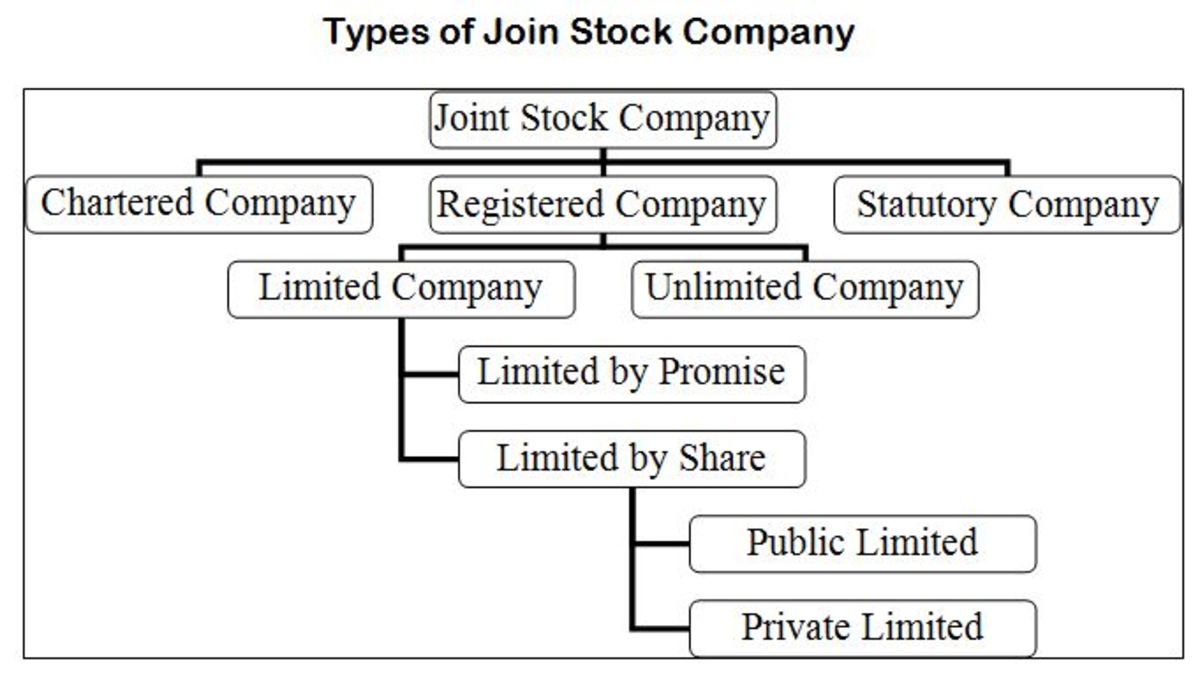
While the underlying structure remains similar, there is a profound distinction between private stock companies and public stock companies. This distinction is primarily defined by how the shares are traded and the level of regulatory scrutiny the company must undergo.
Private Stock Companies
Most companies begin as private entities. In a private stock company, shares are held by a relatively small group of investors, which may include the founders, their families, employees, and venture capital firms. These shares do not trade on public exchanges. Because the general public cannot easily buy into these companies, the regulatory requirements are often less stringent. Private companies are not required to disclose their financial statements to the public, allowing them to keep their strategic maneuvers and profit margins confidential. However, the lack of a public market means that these shares are “illiquid,” making it difficult for shareholders to turn their equity into cash quickly.
Public Stock Companies
A public stock company is one that has “gone public” by offering its shares to the general population through an Initial Public Offering (IPO). Once public, the company’s shares are listed on exchanges like the New York Stock Exchange (NYSE) or the NASDAQ.
The transition to a public company is a monumental milestone that provides access to a massive pool of capital. However, it comes with significant obligations. Public companies are subject to rigorous oversight by regulatory bodies, such as the Securities and Exchange Commission (SEC) in the United States. They must publish audited financial reports quarterly and annually, disclose major executive changes, and maintain high standards of corporate governance. This transparency is designed to protect the investing public, ensuring that anyone buying a share has access to the information needed to make an informed decision.
Capital Acquisition and the Financial Life Cycle

The primary reason a business organizes as a stock company is to facilitate growth through capital acquisition. The life cycle of a successful stock company often follows a predictable path of fundraising stages, each designed to scale the business further.
Seed Funding and Venture Capital
In the early stages, a company may issue shares to “angel investors” or venture capitalists. These investors provide the high-risk capital needed to develop a product or prove a business model. In return, they receive a significant equity stake. At this stage, the valuation of the stock company is often based on potential rather than current earnings.
The Initial Public Offering (IPO)
The IPO is the point at which a private stock company matures into a public one. By selling shares to the public for the first time, the company can raise billions of dollars to pay down debt, fund research and development, or acquire competitors. For the early investors and founders, the IPO is often a “liquidity event,” allowing them to sell their shares at a market-determined price and realize their gains.
Secondary Offerings and Debt Markets
Even after going public, a stock company can continue to raise capital by issuing “secondary offerings”—essentially creating and selling new shares. While this can dilute the value of existing shares, it provides a fast way to generate cash for expansion. Furthermore, because a public stock company has a transparent valuation and a formal structure, it often finds it easier to tap into debt markets, issuing corporate bonds at lower interest rates than a private firm might receive.
Corporate Governance and the Shareholder Ecosystem
Because a stock company can have thousands or even millions of owners, it requires a structured system of governance to ensure the business is managed in the best interest of the shareholders. This system is designed to solve the “agency problem,” which occurs when the interests of the managers (the agents) diverge from those of the owners (the principals).
The Board of Directors
Shareholders do not manage the day-to-day operations of the company. Instead, they elect a Board of Directors. The Board acts as a fiduciary for the shareholders, overseeing the executive team and making high-level strategic decisions. The Board has the power to hire and fire the CEO, set executive compensation, and approve the distribution of dividends.
Voting Rights and Proxy Statements
Most common stock carries voting rights, typically one vote per share. Shareholders use these votes to elect board members and weigh in on major corporate actions, such as mergers or changes to the company’s bylaws. In modern public companies, many shareholders exercise their rights through “proxy voting,” allowing them to cast their votes remotely or delegate them to a third party.
The Role of Institutional Investors
In the modern financial ecosystem, a large percentage of a public stock company’s shares are held not by individuals, but by institutional investors like mutual funds, pension funds, and insurance companies. These institutions wield significant influence. Because they manage billions of dollars, their decisions to buy or sell can move a stock’s price significantly, and their engagement with the Board of Directors often dictates the long-term strategic direction of the company.
Strategic Advantages for Investors and the Economy
The stock company model provides a unique set of advantages that have made it the dominant form of business organization worldwide. From a personal finance perspective, it democratizes wealth creation, allowing individuals to participate in the growth of global giants with relatively small amounts of capital.
Diversification and Risk Management
For the investor, the ability to buy fractional ownership in many different stock companies allows for diversification. Rather than putting all their capital into a single business venture, an investor can spread their money across different sectors, geographies, and company sizes. This reduces the impact of any single company’s failure on the investor’s total portfolio.
Perpetual Succession
Unlike a partnership, which may dissolve upon the death or withdrawal of a partner, a stock company has “perpetual succession.” The company exists independently of its owners. Shares can be passed down through generations or sold to new investors without stopping the assembly lines or interrupting service to customers. This stability allows stock companies to plan for decades into the future, making long-term investments in infrastructure and technology.
Efficiency and Innovation
By rewarding success with increased share prices and punishing failure with declines, the stock market creates a meritocratic environment for companies. Stock companies are incentivized to innovate, reduce costs, and expand into new markets to satisfy shareholder expectations for growth. This competitive drive has been a primary catalyst for the technological and industrial advancements of the last two centuries.
In conclusion, a stock company is more than just a business; it is a sophisticated financial and legal framework designed to aggregate capital, manage risk, and distribute ownership. Whether private or public, these entities form the backbone of the global economy, providing the structure through which the world’s most ambitious ideas are funded and brought to market. For the investor, understanding the stock company is the first step toward building a robust financial future based on the principles of equity, governance, and long-term value creation.
aViewFromTheCave is a participant in the Amazon Services LLC Associates Program, an affiliate advertising program designed to provide a means for sites to earn advertising fees by advertising and linking to Amazon.com. Amazon, the Amazon logo, AmazonSupply, and the AmazonSupply logo are trademarks of Amazon.com, Inc. or its affiliates. As an Amazon Associate we earn affiliate commissions from qualifying purchases.