
In the modern financial landscape, the phrase “buying stock” is often used synonymously with building wealth, yet the fundamental mechanics behind this action are frequently misunderstood. At its core, buying a stock is not merely a digital transaction or a speculative bet on a fluctuating ticker symbol; it is the act of acquiring a fractional piece of a living, breathing business entity. When you purchase a share of a corporation, you transition from being a consumer of their products or services to becoming a partial owner of the enterprise itself. This shift in perspective is the cornerstone of successful personal finance and long-term investing.
To truly understand what it means to buy stock, one must look beyond the flashing green and red numbers on a trading app. It requires an exploration of the legal rights, financial incentives, and economic principles that govern the global equity markets.
The Fundamental Concept of Equity Ownership
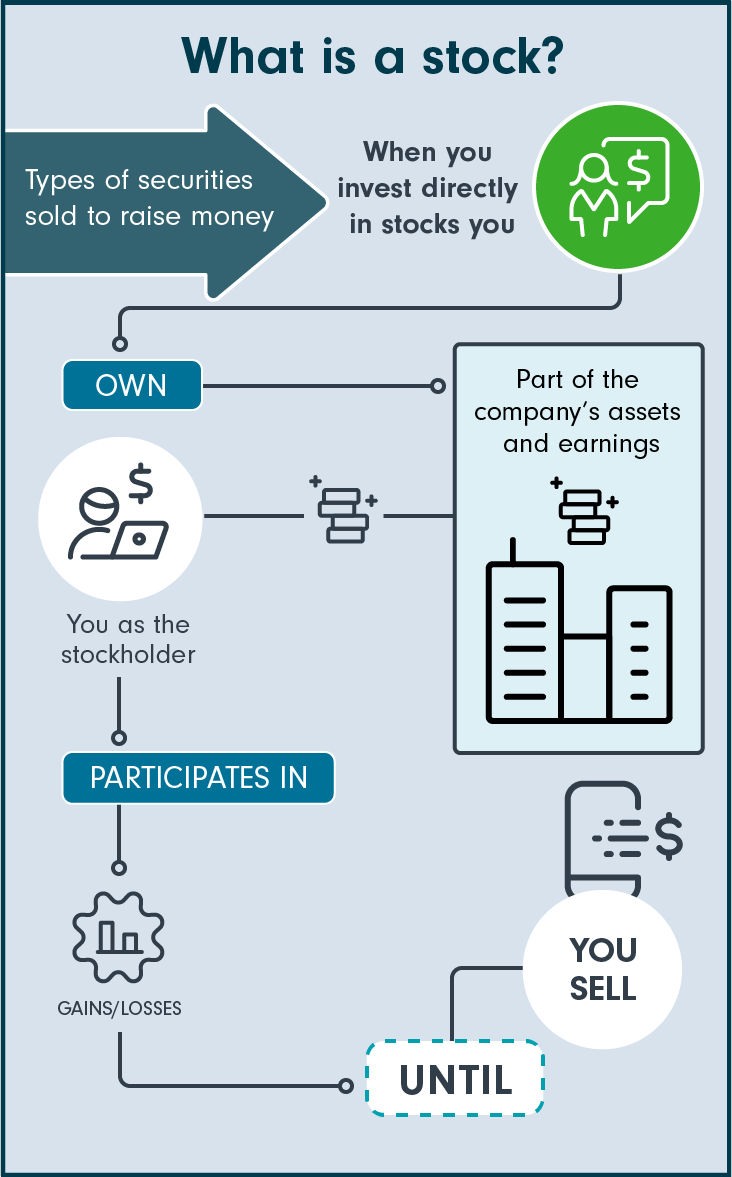
The term “stock” represents equity in a company. When a business decides to “go public,” it divides its total ownership into millions—sometimes billions—of small units called shares. By purchasing even a single share, you are legally recognized as a shareholder. This status grants you a claim on a portion of the company’s assets and, perhaps more importantly, its future earnings.
The Fractional Ownership Model
Imagine a massive real estate development. Very few individuals have the capital to buy the entire project outright. However, if the development is divided into thousands of units, individuals can buy one or two units each. Stock works similarly. It democratizes access to the wealth-generating power of major corporations. Whether you own one share of a tech giant or ten thousand, you possess the same proportional rights as any other shareholder in that specific class of stock. You own a piece of the intellectual property, the physical inventory, the real estate, and the brand equity that the company has built over decades.
Shareholder Rights and Corporate Governance
Ownership comes with more than just financial potential; it grants specific legal rights. The most common of these is voting rights. Most public companies issue “common stock,” which typically entitles the holder to one vote per share on major corporate decisions. These decisions include electing the board of directors, approving mergers and acquisitions, and authorizing changes to the company’s charter. While a retail investor holding fifty shares may not have the leverage to steer a multinational corporation alone, the collective voice of shareholders serves as a critical check on management, ensuring that the company’s leaders act in the best interests of the owners.
Claims on Assets and Earnings
In the hierarchy of finance, shareholders are “residual claimants.” This means that after a company pays its employees, suppliers, taxes, and debt holders, whatever remains—the net profit—belongs to the shareholders. In the event of a liquidation or bankruptcy, shareholders have a claim on the remaining assets, though they are last in line behind creditors and bondholders. This positioning is why stocks are considered “risk assets,” but it is also why they offer higher potential returns than debt instruments.
How Stock Ownership Generates Wealth
For the individual investor, the primary motivation for buying stock is the expectation of a return on investment. This wealth creation generally occurs through two distinct yet complementary mechanisms: capital appreciation and dividend distributions.
Understanding Capital Appreciation
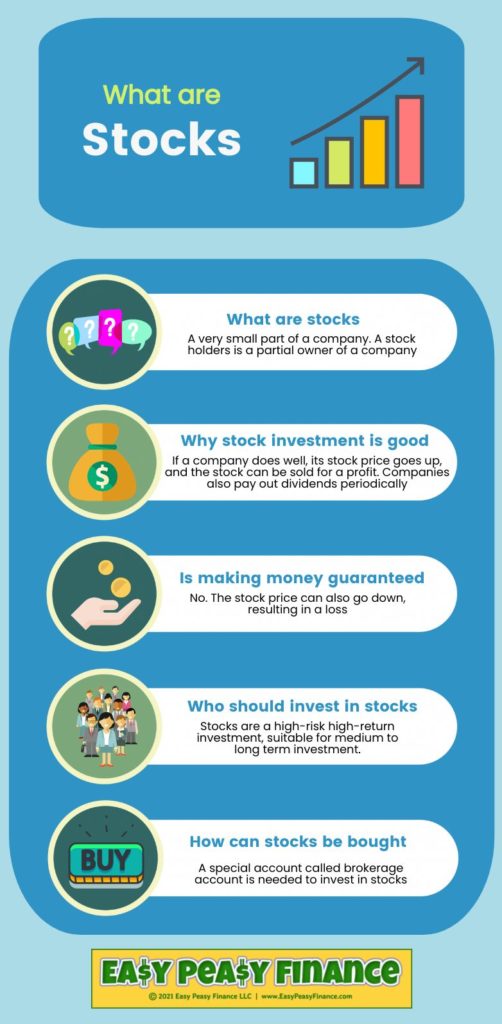
Capital appreciation is the most visible way investors profit from stocks. It occurs when the market price of a share increases above the price at which it was originally purchased. This increase is driven by the collective perception of the company’s value. If a company develops a revolutionary technology, expands into new global markets, or significantly improves its profit margins, investors will naturally want to own a piece of that success. This increased demand, relative to the fixed supply of shares, drives the price upward. When you sell those shares at the higher price, the difference is your “capital gain.”
The Power of Dividends
While capital appreciation is about the growth of the share price, dividends represent a direct sharing of the company’s current profits. Many established, profitable companies choose to distribute a portion of their earnings back to shareholders in the form of cash payments. For the investor, dividends provide a stream of passive income that can either be spent or, more effectively, reinvested to purchase more shares. Over long horizons, the reinvestment of dividends is often the single greatest contributor to total portfolio growth, thanks to the mathematical miracle of compounding.
The Compounding Effect
Buying stock is often a long-term commitment because of compounding. When a company grows its earnings, it can reinvest those earnings into more research, better equipment, or new locations, which in turn leads to even higher earnings in the future. As an owner, your investment grows exponentially as the company’s underlying value builds upon itself. By holding stocks for years or decades, you allow this cycle of growth to work in your favor, turning modest initial investments into significant financial foundations.
The Corporate Perspective: Why Companies Sell Shares
To understand the buyer’s side, one must also understand the seller’s motivation. Why would a successful company want to give away pieces of itself to the public? The answer lies in the need for “capital”—the fuel that drives business expansion.
Raising Capital Without Debt
A company has two primary ways to raise money: debt or equity. Debt involves taking out loans or issuing bonds, which must be repaid with interest regardless of the company’s performance. This can put a significant strain on cash flow. By selling stock—equity—the company raises “permanent capital.” It does not have to pay the money back to investors. Instead, it trades ownership and a share of future profits for immediate cash that can be used to build factories, hire talent, or acquire competitors.
The Initial Public Offering (IPO)
The first time a company sells its shares to the general public is known as an Initial Public Offering. This is a transformative moment for a business, shifting it from private ownership (usually held by founders and venture capitalists) to the public markets. For the company, an IPO provides a massive infusion of liquidity and increases its public profile. For the investor, it represents the first opportunity to own a piece of a company that was previously inaccessible.
Liquidity and Valuation
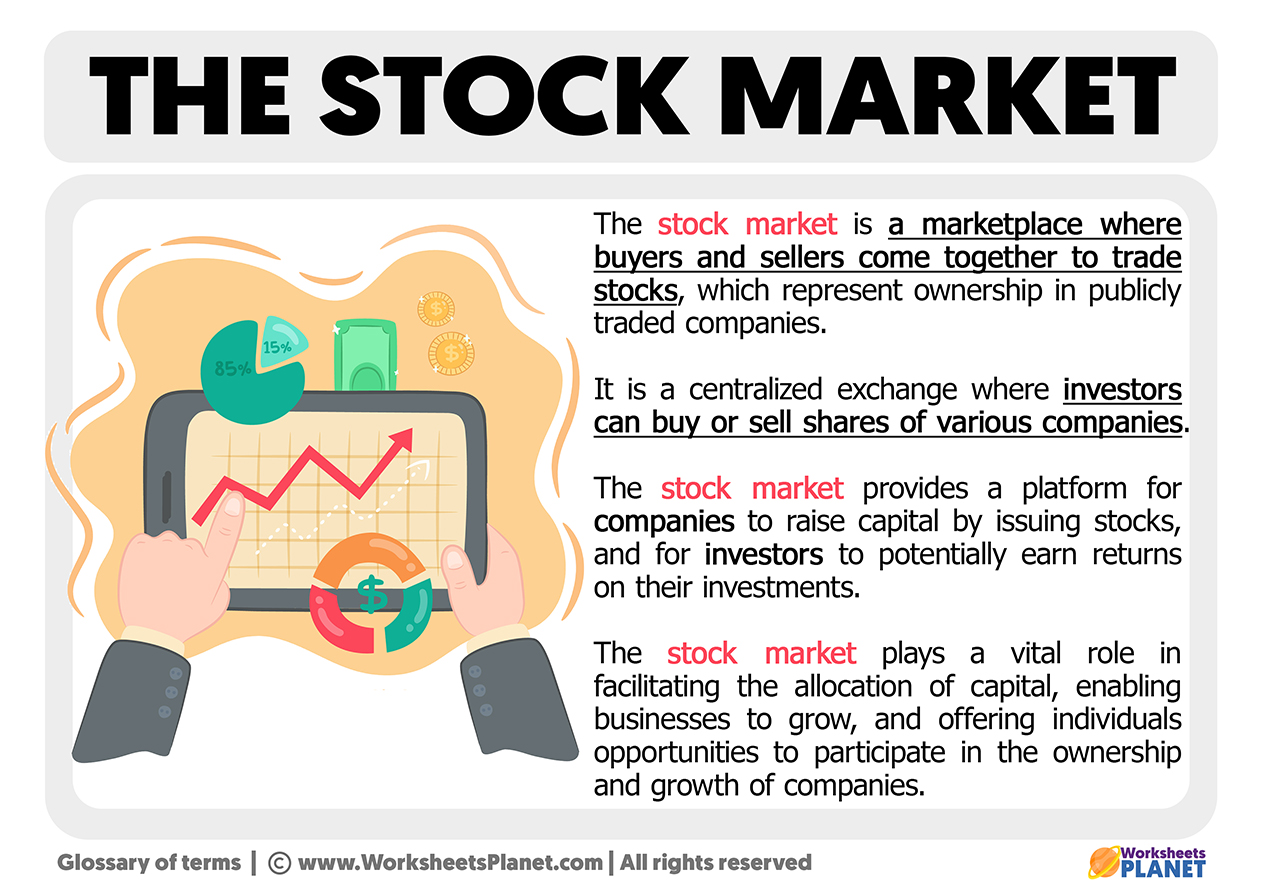
Once a company is public, its shares trade on secondary markets like the New York Stock Exchange (NYSE) or the Nasdaq. This provides “liquidity,” meaning shareholders can easily convert their ownership back into cash by selling to another investor. It also provides a continuous, market-driven valuation of the business. Management can use this valuation to gauge their performance and use their stock as a “currency” to acquire other businesses.
Factors That Drive Stock Prices
If you buy stock, you will quickly notice that the price changes every second the market is open. These fluctuations are the result of a complex interplay between fundamental data, macroeconomic trends, and human psychology.
Earnings and Fundamentals
In the long run, a stock’s price is a slave to the company’s earnings. If a company consistently makes more money each year, its stock price will eventually follow. Investors look at “fundamentals”—metrics like Revenue, Net Income, and Price-to-Earnings (P/E) ratios—to determine if a stock is a good value. When a company “beats” its earnings expectations, the price often jumps because the business is proving to be more valuable than previously thought.
The Influence of Macroeconomics
Stocks do not exist in a vacuum. They are heavily influenced by the broader economy. Interest rates set by central banks are a primary driver; when rates are low, stocks often rise because borrowing is cheap and investors seek higher returns than what bonds offer. Conversely, when inflation rises or a recession looms, stock prices may fall as investors worry about decreased consumer spending and higher operating costs for businesses.
Market Sentiment and Volatility
In the short term, stock prices are often driven by sentiment—the collective mood of the market. This is where “volatility” comes from. News cycles, geopolitical tensions, and even social media trends can cause investors to buy or sell in a panic, driving prices far away from the company’s actual “intrinsic value.” Understanding that you are buying a business, not just a price chart, helps an investor remain calm during these periods of market turbulence.
Navigating the Risks of the Modern Market
No discussion on buying stock is complete without addressing risk. Unlike a savings account, where your principal is generally protected, the value of a stock can go to zero if the company fails. However, for the informed investor, risk is something to be managed, not feared.
The Necessity of Diversification
One of the most effective ways to manage the risk of stock ownership is through diversification. “Don’t put all your eggs in one basket” is the golden rule of investing. By buying stocks in different industries (tech, healthcare, energy, consumer goods) and different geographic regions, you protect your portfolio from the failure of a single company or sector. This is why many investors choose index funds or Exchange-Traded Funds (ETFs), which allow them to buy a tiny slice of hundreds or thousands of different stocks in a single transaction.
Time Horizon and Patience
The biggest risk most retail investors face is not market volatility, but their own behavior. Buying stock should ideally be viewed with a multi-year or multi-decade time horizon. Historical data shows that while the stock market can be incredibly volatile over days or months, it has an incredibly consistent upward trajectory over periods of ten years or more. To buy stock is to express an optimistic belief in the future of human ingenuity and economic productivity.
Final Thoughts on Ownership
Ultimately, buying stock means participating in the greatest wealth-creation engine in history. It is an act of trust in a company’s management and a strategic move to ensure your capital grows at a rate that outpaces inflation. By shifting from a mindset of a consumer to that of an owner, you align your personal financial success with the growth of the global economy. When you buy a stock, you aren’t just “playing the market”—yours is a seat at the table of global commerce, holding a tangible stake in the future of the businesses that shape our world.
aViewFromTheCave is a participant in the Amazon Services LLC Associates Program, an affiliate advertising program designed to provide a means for sites to earn advertising fees by advertising and linking to Amazon.com. Amazon, the Amazon logo, AmazonSupply, and the AmazonSupply logo are trademarks of Amazon.com, Inc. or its affiliates. As an Amazon Associate we earn affiliate commissions from qualifying purchases.