
The question of when a Spirit Halloween store opens has become more than a simple logistical query for costumers; it is a seasonal phenomenon that signals a massive shift in the retail landscape. For brand strategists and marketing professionals, the arrival of the “Spirit” sign on a vacant storefront is a masterclass in seasonal brand momentum, scarcity marketing, and the psychological triggers of consumer anticipation.
Spirit Halloween does not just open a store; it activates a dormant brand identity that commands the market for exactly one quarter of the year. Understanding the strategy behind their opening dates—which typically begin as early as late July and peak in August—reveals how a brand can maintain relevance despite being physically absent for nine months of the year.
The Psychology of the Seasonal Launch: Building Anticipation Through Scarcity
The core of the Spirit Halloween brand strategy lies in the “Scarcity Principle.” By operating on a strictly limited timeline, the brand creates an inherent sense of urgency that year-round retailers struggle to replicate. When consumers ask when the store opens, they are participating in a countdown that has been carefully engineered to build psychological tension.
Creating a “Limited Time Only” Persona
In the world of brand strategy, scarcity is a powerful driver of value. Because Spirit stores are temporary, every interaction a consumer has with the brand is imbued with a “now or never” sentiment. This limited availability prevents brand fatigue. Unlike a traditional department store that must constantly reinvent its image to stay fresh, Spirit Halloween relies on its ephemeral nature to stay exciting. The opening date is not just a business start; it is the premiere of a limited-edition experience.
The Visual Cues of “Coming Soon”
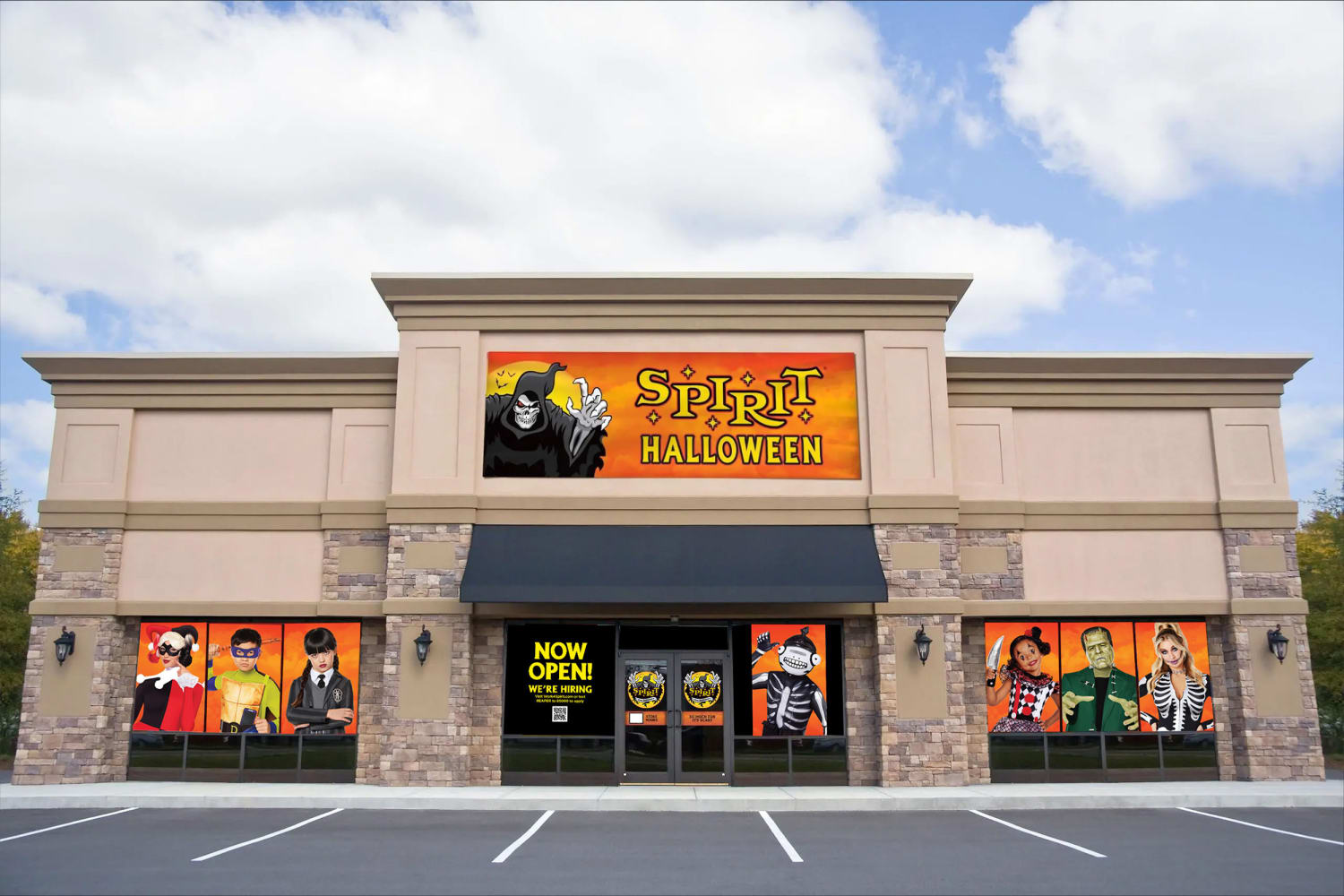
The branding process begins long before the doors actually unlock. The “Coming Soon” banners draped over the hushed remains of former big-box retailers serve as a low-cost, high-impact marketing tool. This visual “placeholder” branding builds local buzz and serves as a physical countdown. For the modern consumer, these banners are the first touchpoint in a multi-channel journey that moves from physical curiosity to digital engagement.
The “Zombie” Brand Strategy: Transforming Real Estate into Brand Equity
One of the most fascinating aspects of Spirit’s corporate identity is its ability to inhabit the “corpses” of other brands. By taking over vacant Sears, Toys “R” Us, or Bed Bath & Beyond locations, Spirit Halloween utilizes a “parasitic” real estate strategy that has become its most recognizable brand trait.
Turning Vacancy into Vitality
From a brand strategy perspective, there is a unique irony in Spirit Halloween bringing “life” back to dead retail spaces. This has become so synonymous with the brand that it has entered the cultural zeitgeist as a symbol of economic adaptability. The brand doesn’t need to invest in permanent architecture; instead, it invests in a standardized, “plug-and-play” interior design that can be deployed in any shell within days. This agility is a key component of their operational brand—the ability to be everywhere and nowhere simultaneously.
The Consistency of the Pop-Up Experience
Despite the varying layouts of the defunct stores they inhabit, Spirit maintains a rigid corporate identity inside. The “Spirit Laboratory” or the “Haunted Forest” zones within the store are consistent brand assets. This ensures that whether a customer is in a former pharmacy in Maine or a former grocery store in California, the brand experience is identical. This consistency in a chaotic, temporary environment is what builds long-term brand equity and consumer trust.
Digital Footprint and the Meme-ification of Retail

In the digital age, the question of when Spirit opens is answered as much by social media as it is by the corporate website. Spirit Halloween has successfully navigated the transition from a traditional retailer to a viral sensation, leveraging meme culture to stay relevant to younger demographics.
Meme Culture as Free Brand Equity
The “Spirit Halloween Store” meme—where social media users photoshop the Spirit logo onto everything from the White House to failing tech companies—is a testament to the brand’s cultural penetration. This organic, user-generated content provides millions of dollars in free advertising. By leaning into the joke, the brand has cultivated a personality that is self-aware and approachable. This digital strategy ensures that the brand remains top-of-mind even during the “off-season.”
The “Orange Check” and Social Proof
Spirit’s digital strategy focuses heavily on the “opening” as an event. They use social media “store locators” and countdown clocks to gamify the search for the nearest location. This creates a sense of community among “Halloween enthusiasts,” a niche but highly loyal segment of the market. When the first stores open in early August, the flood of “haul” videos and store tours on platforms like TikTok and Instagram provides the social proof needed to drive foot traffic for the rest of the season.
Strategic Timing: The Science Behind the Opening Date
The decision of when to open is not arbitrary; it is a calculated move based on consumer data and competitive positioning. While many wonder why a Halloween store would open in the heat of August, the brand’s strategy is rooted in “seasonal front-loading.”
The “Summerween” Phenomenon
Spirit Halloween has been a primary driver of “Summerween”—the trend of starting Halloween celebrations and shopping in the summer months. By opening in August, Spirit captures the “early adopter” market—professional haunters, home decorators, and influencers who need time to plan and produce content. This early opening sets the pace for the entire retail industry, forcing competitors like Target or Home Depot to move their seasonal displays earlier to keep up.
Capturing the Back-to-School Overflow
The late-summer opening date also strategically aligns with the back-to-school shopping season. By being open while parents and students are already out purchasing supplies, Spirit benefits from high incidental foot traffic. The brand positions itself not just as a costume shop, but as a destination for “back-to-college” decor, expanding its market share beyond the traditional trick-or-treater.
Lessons for Modern Marketers: Why the Spirit Model Works
The success of the Spirit Halloween opening strategy offers several vital lessons for brand managers and entrepreneurs, regardless of their industry. It demonstrates that a brand does not need to be present 365 days a year to dominate its niche.
The Power of Niche Dominance
Spirit does one thing, and they do it better than anyone else. They have achieved “top-of-mind awareness” to the point where the brand name is synonymous with the holiday itself. In branding, being the undisputed leader of a specific niche is often more profitable than being a generalist. Their opening is a reminder that specialized focus creates a “moat” that is difficult for general retailers to cross.
Cultivating an Annual Tradition
Ultimately, Spirit has transformed a retail transaction into an annual tradition. Customers don’t just go to buy a mask; they go to “see what’s new at Spirit.” By focusing on the experience of the store—the animatronics, the jump scares, and the immersive atmosphere—they have built a brand that people look forward to visiting.
When people ask, “When does Spirit store open?” they aren’t just looking for a date on a calendar. They are looking for the start of a season, the activation of a community, and the return of a brand that has mastered the art of the temporary. Spirit Halloween proves that with the right brand strategy, even a “ghost” of a business can become a retail giant. Through strategic real estate, viral digital marketing, and the clever use of scarcity, they have turned the simple act of opening a door into a national event.
aViewFromTheCave is a participant in the Amazon Services LLC Associates Program, an affiliate advertising program designed to provide a means for sites to earn advertising fees by advertising and linking to Amazon.com. Amazon, the Amazon logo, AmazonSupply, and the AmazonSupply logo are trademarks of Amazon.com, Inc. or its affiliates. As an Amazon Associate we earn affiliate commissions from qualifying purchases.