
To understand the current market position of Spirit Airlines, one must look beyond its flight schedules and ticket prices to examine a brand identity that has been in development for over half a century. While many travelers view Spirit as a modern phenomenon of the “ultra-low-cost carrier” (ULCC) era, the company’s roots stretch back to 1964. Its journey from a small trucking company to the most recognizable discount airline in the United States offers a masterclass in brand pivot, market positioning, and the strategic use of controversy as a marketing tool.

The question of “how old is Spirit Airlines” is not merely a chronological inquiry; it is an investigation into how a brand survives and thrives by embracing a polarizing identity. Through several decades of transformation, Spirit has mastered the art of “unbundled” branding, proving that a clear, consistent value proposition can outweigh traditional notions of customer prestige.
The Historical Timeline: From Ground Logistics to Sky-High Ambition
The entity we now recognize as Spirit Airlines did not begin its life in the clouds. Its origin story is one of radical transformation—a hallmark of resilient corporate branding. Founded in 1964 as the Clipper Trucking Company, the organization spent nearly two decades focused on ground logistics. It wasn’t until 1983 that the company pivoted to aviation, rebranding as Charter One, a Detroit-based travel provider that specialized in vacation packages to destinations like Atlantic City and Las Vegas.
The Birth of the Spirit Name (1992)
The brand we know today officially emerged in 1992. This was a pivotal year for the company’s identity. By changing its name to Spirit Airlines, the organization signaled its transition from a regional charter service to a scheduled commercial carrier. This era of the brand was characterized by a search for identity. Throughout the 1990s and early 2000s, Spirit operated similarly to other mid-tier airlines, offering a standard service model that struggled to compete with legacy carriers like Delta or United.
During this period, the brand lacked the distinct “edge” it is known for today. It was an airline in the middle of the pack, facing the same financial pressures that eventually led to a total strategic overhaul. The age of the company provided the operational experience, but it was the 2007 rebranding that provided the soul.
The 2007 Pivot: Defining the Ultra-Low-Cost Category
The most significant “birthday” in Spirit’s brand history is 2007. Under the leadership of Ben Baldanza, the airline made a daring strategic shift. Moving away from traditional service models, Spirit became the first American carrier to adopt the Ultra-Low-Cost Carrier (ULCC) model, inspired by European successes like Ryanair.
This was more than a pricing change; it was a total brand reimagining. The company decided to stop competing on “service quality” and start competing exclusively on “price transparency.” By unbundling their services—stripping away everything from free soda to carry-on bag space—Spirit created a brand identity centered on the “Bare Fare.” This move was risky, as it challenged the fundamental expectations of the American traveler, but it allowed Spirit to carve out a niche that has remained its stronghold for nearly two decades.
Visual Identity and the “Taxi in the Sky” Strategy
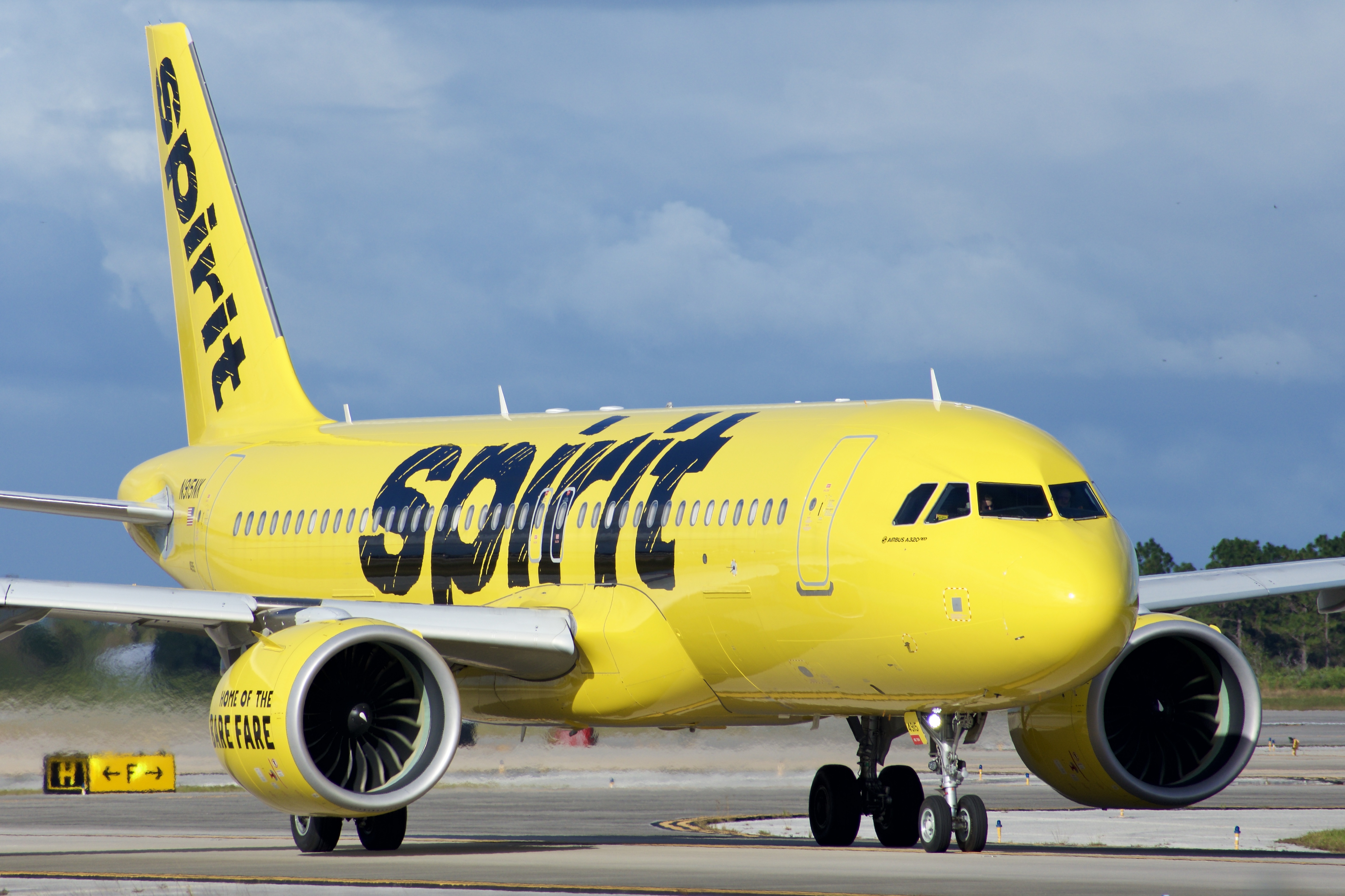
A brand’s visual identity is its most immediate form of communication. For Spirit, the visual evolution has been as dramatic as its business model. For many years, the airline used a professional but unremarkable blue and silver color palette. However, in 2014, the company underwent a visual transformation that would become one of the most recognizable—and debated—identities in the sky.
The Power of Bright Yellow
The decision to adopt a bright, monochromatic yellow livery was a calculated branding move. In a sea of white, blue, and red airplanes, a Spirit jet is unmistakable. The yellow evokes the imagery of a New York City taxi cab, which is exactly the psychological association the brand wants to cultivate.
Taxis are perceived as utilitarian, affordable, and transactional. By aligning its visual brand with this “transportation-as-a-utility” concept, Spirit subtly manages passenger expectations before they even step on the plane. The message is clear: “We are here to get you from point A to point B cheaply, not to provide a luxury lounge experience.” This visual consistency across their fleet, website, and staff uniforms reinforces a brand identity that is unapologetic about its budget nature.
Minimalism as a Brand Statement
The simplicity of Spirit’s visual design also speaks to its operational efficiency. The bold, black lettering and lack of complex gradients or icons suggest a “no-nonsense” approach. In the world of brand strategy, this is known as “signal-to-noise” optimization. Spirit removes the noise of luxury branding to focus entirely on the signal of value. For the price-sensitive traveler, this minimalism is a comforting indicator that they aren’t paying extra for “fluff” or sophisticated marketing aesthetics.

Managing a High-Friction Brand: The Marketing of Controversy
One of the most fascinating aspects of Spirit’s 60-year history is its relationship with customer sentiment. Unlike most brands that strive for high Net Promoter Scores (NPS) and universal acclaim, Spirit has flourished while being the subject of frequent criticism and social media mockery. This “high-friction” brand strategy is intentional and highly effective.
Embracing the Villain Persona
In many ways, Spirit has leaned into its reputation as the “airline people love to hate.” Instead of spending millions on PR campaigns to convince the public that they have comfortable seats, Spirit’s marketing team often uses humor and self-deprecation to address complaints.
By acknowledging that their seats don’t recline and that they charge for water, Spirit builds a unique form of brand trust. It is a “radical honesty” approach. When a brand is upfront about its shortcomings, the customer feels a sense of control. The brand strategy here is to frame the “cons” of the airline not as failures, but as choices made by the consumer in exchange for a $30 ticket.
The “Hate Thousand Miles” Campaign
A landmark example of this strategy was the “Hate Thousand Miles” campaign. Spirit actually encouraged travelers to vent their frustrations about the airline (and others) in exchange for frequent flyer miles. This was a brilliant piece of brand positioning. It allowed the company to:
-
Humanize the Brand: It showed that the company has a sense of humor and isn’t out of touch.
-
Gather Data: It provided direct insight into what customers actually cared about versus what they just liked to complain about.
-
Control the Conversation: By hosting the “hate,” Spirit took the power away from independent complaint forums and brought the dialogue into their own ecosystem.
Brand Resilience in the Modern Era
As Spirit Airlines navigates its seventh decade of existence (counting from its original 1964 roots), the brand faces new challenges that test its identity. The rise of “Basic Economy” from legacy carriers like Delta and United was a direct response to Spirit’s success, forcing the brand to innovate further to maintain its “cheapest option” status.
The JetBlue Merger Attempt and Brand Identity
The recent, though ultimately blocked, attempt by JetBlue to acquire Spirit highlighted the immense value of the Spirit brand. JetBlue, which positions itself as a “high-quality, low-cost” carrier, essentially wanted to absorb Spirit’s fleet but dissolve its brand. The regulatory pushback and the subsequent legal battles underscored Spirit’s unique position in the market.
For the Spirit brand, this period was a testament to its market necessity. The argument was made that without the “Spirit” identity in the sky, the floor of the aviation market would rise, making travel inaccessible for millions of people. This solidified Spirit’s brand purpose not just as a business, but as a “democratizer of travel.”
Adapting to the Digital-First Traveler
Today, Spirit’s brand age is being offset by a youthful digital presence. The airline’s mobile app and booking interface are designed to be “gamified” and fast. The “Bare Fare” is now a digital experience where customers can “opt-in” to various levels of service. This digital agility has allowed the brand to stay relevant to Gen Z and Millennial travelers who prioritize experiences and travel frequency over the prestige of the carrier.
The airline has also begun to refine its brand slightly, introducing “The Big Front Seat” and other tiered options. While this might seem like a departure from its “no-frills” roots, it is actually a sophisticated brand expansion. It allows Spirit to capture “value-seekers” who want a bit more comfort without losing the core identity of the budget disruptor.
Conclusion: The Legacy of a Sixty-Year Disruptor
Spirit Airlines is far older than its vibrant yellow planes suggest. From its 1964 trucking origins to its 1992 naming and its 2007 ULCC revolution, the company has constantly reinvented itself to stay ahead of market trends.
The longevity of the Spirit brand is a result of its refusal to be everything to everyone. In a world where brands often fail by trying to please every demographic, Spirit’s success comes from its narrow, intense focus on the budget-conscious traveler. By embracing transparency, leaning into controversy, and maintaining a bold visual identity, Spirit has proven that a brand doesn’t need to be “liked” to be successful—it just needs to be essential. As the airline moves forward, its age serves as a foundation of operational resilience, while its brand identity remains as disruptive and youthful as ever.
aViewFromTheCave is a participant in the Amazon Services LLC Associates Program, an affiliate advertising program designed to provide a means for sites to earn advertising fees by advertising and linking to Amazon.com. Amazon, the Amazon logo, AmazonSupply, and the AmazonSupply logo are trademarks of Amazon.com, Inc. or its affiliates. As an Amazon Associate we earn affiliate commissions from qualifying purchases.