
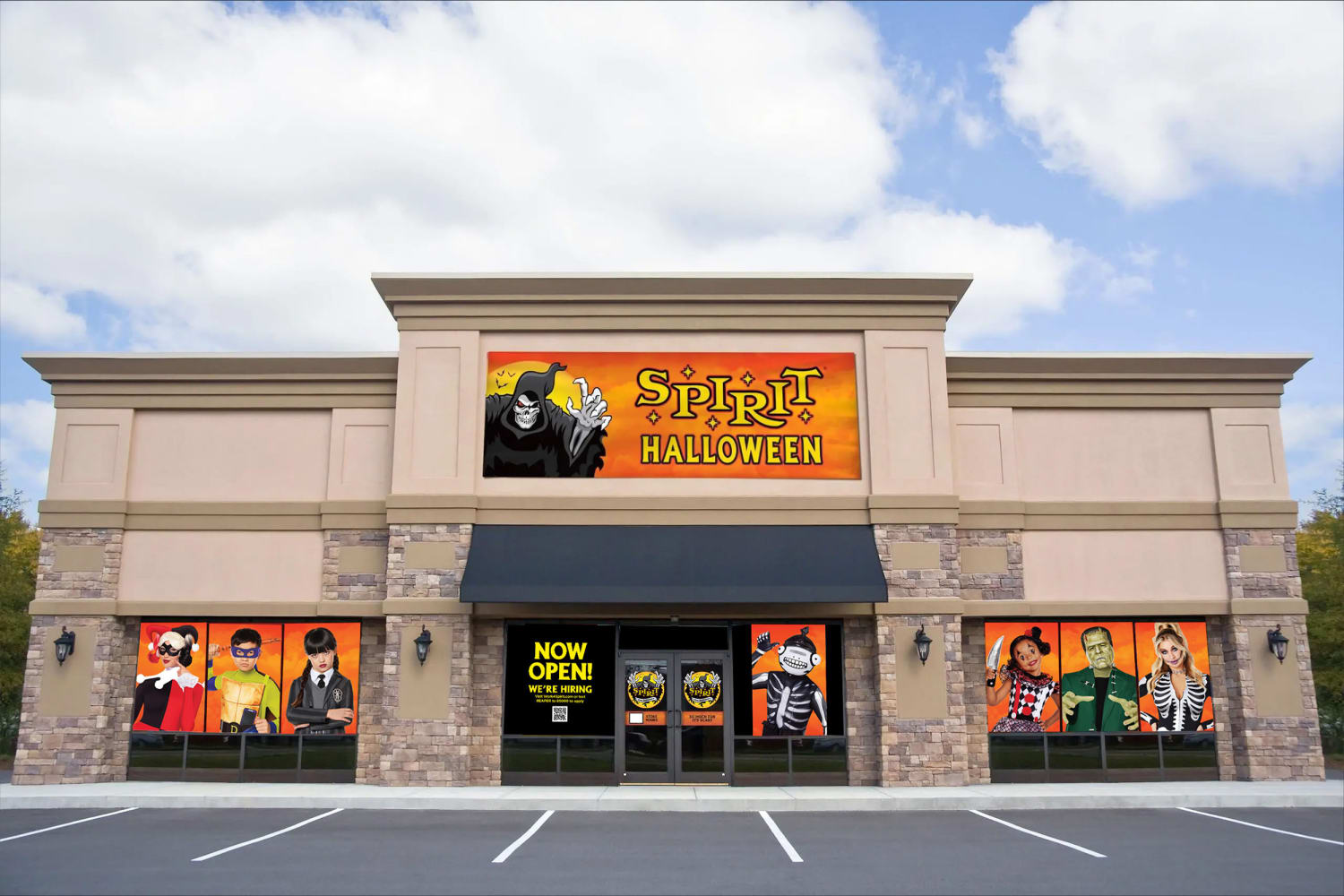
Every year, as the sweltering heat of August begins to yield to the first whispers of autumn, a curious phenomenon occurs across the North American retail landscape. Vacant storefronts—the hollowed-out shells of former Big Box retailers, department stores, and pharmacies—undergo a rapid, neon-orange metamorphosis. Within days, the banners are raised, the animatronics are plugged in, and Spirit Halloween emerges from its eleven-month hibernation.
To the casual observer, the question of “when does Spirit Halloween open” is a matter of simple logistics. However, for brand strategists and marketing professionals, the “when” is the least interesting part of the equation. The more compelling inquiry is “how”: How does a brand built on a temporary, three-month lifecycle command more cultural relevance and consumer loyalty than year-round competitors? The answer lies in a masterclass of agile branding, real estate opportunism, and an uncanny ability to lean into the “meme-ification” of its own corporate identity.

The Temporal Branding Strategy: Owning the Transition
The brilliance of Spirit Halloween’s timing is not accidental; it is a calculated psychological play. By opening doors as early as the first week of August, the brand effectively claims ownership over the “pre-season.” This is a period known in marketing circles as “seasonal creep,” where brands attempt to trigger consumer spending for upcoming holidays months in advance.
The Psychology of Anticipation
Spirit Halloween does not just sell costumes; it sells the arrival of a season. For their core demographic—Halloween enthusiasts and Gen Z consumers—the appearance of the Spirit banner is the definitive signal that summer is over. By being the first to market, the brand positions itself as the catalyst for the season rather than a participant in it. This early-mover advantage allows Spirit to capture the “planner” market—those who invest hundreds of dollars in elaborate home haunts and professional-grade animatronics—long before Target or Walmart have even cleared their back-to-school aisles.
Creating a Finite Brand Experience
The “temporary” nature of the brand is its greatest marketing asset. In branding, scarcity creates urgency. Because consumers know the store will vanish come November 1st, the shopping experience is imbued with a “buy it now or lose it” mentality. This FOMO (fear of missing out) is baked into the brand’s DNA. Unlike a year-round retailer that must constantly reinvent its value proposition, Spirit Halloween benefits from a condensed lifecycle that ensures high foot traffic and rapid inventory turnover.
Real Estate Opportunism as Brand Identity
One of the most fascinating aspects of the Spirit Halloween brand strategy is its relationship with the “retail apocalypse.” While other brands view vacant commercial space as a sign of economic decay, Spirit views it as a blank canvas for brand expansion. This “vulture” real estate model has become so synonymous with the brand that it has entered the cultural lexicon.
Turning Vacancy into Visibility
Spirit Halloween operates approximately 1,500 locations across the United States and Canada, yet it owns almost none of them. The brand’s ability to negotiate short-term, “pop-up” leases is a logistical marvel. From a branding perspective, this creates a sense of omnipresence. The brand doesn’t need to spend millions on permanent signage or prime real estate developments; it simply occupies the most recognizable landmarks in any given suburb—the old Sears, the defunct Toys “R” Us, or the shuttered Bed Bath & Beyond.
The Meme-ification of the Physical Presence
In recent years, Spirit Halloween has achieved a level of brand awareness that money cannot buy: it has become a meme. Internet culture frequently jokes about how quickly a Spirit Halloween sign appears on a building the moment a business fails. Rather than distancing itself from this “scavenger” reputation, the brand has leaned into it. By embracing the joke, Spirit has transformed from a mere retailer into a cultural icon that represents resilience and opportunistic growth. This self-awareness has endeared the brand to younger generations who value authenticity and humor in corporate communications.
Immersive Marketing: The Store as a Destination
In an era where e-commerce threatens physical retail, Spirit Halloween has doubled down on the “experience.” The brand understands that while you can buy a mask on Amazon, you cannot experience the “theatre” of Halloween through a screen.
The Animatronic Attraction
The layout of a Spirit Halloween store is designed as a walk-through attraction. The centerpiece is always the “ISE” (In-Store Experience)—a massive, themed display featuring proprietary animatronics that respond to motion and sound. This turns a shopping trip into a free, family-friendly haunted house experience. By providing entertainment, the brand increases “dwell time”—the amount of time a customer spends in the store—which directly correlates to higher transaction values.
Proprietary IP and Licensed Vertical Integration
Spirit Halloween, owned by Spencer Gifts, has masterfully navigated the world of intellectual property. They don’t just sell generic witches and vampires; they secure exclusive licensing deals for the most relevant pop-culture icons of the year. Whether it’s Stranger Things, Yellowstone, or the latest viral horror film, Spirit ensures that their inventory is the primary destination for authentic licensed goods. This strategy builds brand authority, making Spirit the “official” source for the zeitgeist of the year.
The Economic Resilience of Seasonal Branding
Perhaps the most impressive feat of the Spirit Halloween brand is its recession-proof nature. Even during periods of economic downturn, the “Halloween economy” tends to remain stable. This is due to the brand’s positioning as an “affordable luxury” and an “experiential escape.”
Data-Driven Inventory Management
The brand’s “when” is also informed by sophisticated data. Spirit Halloween monitors social media trends, film release schedules, and search data a full year in advance to predict which costumes will be the “hero” products of the season. Because they have a massive, centralized distribution network, they can pivot their inventory to match regional trends. This data-backed approach ensures that the brand remains relevant even as consumer tastes shift rapidly.
The Year-Round Digital Presence
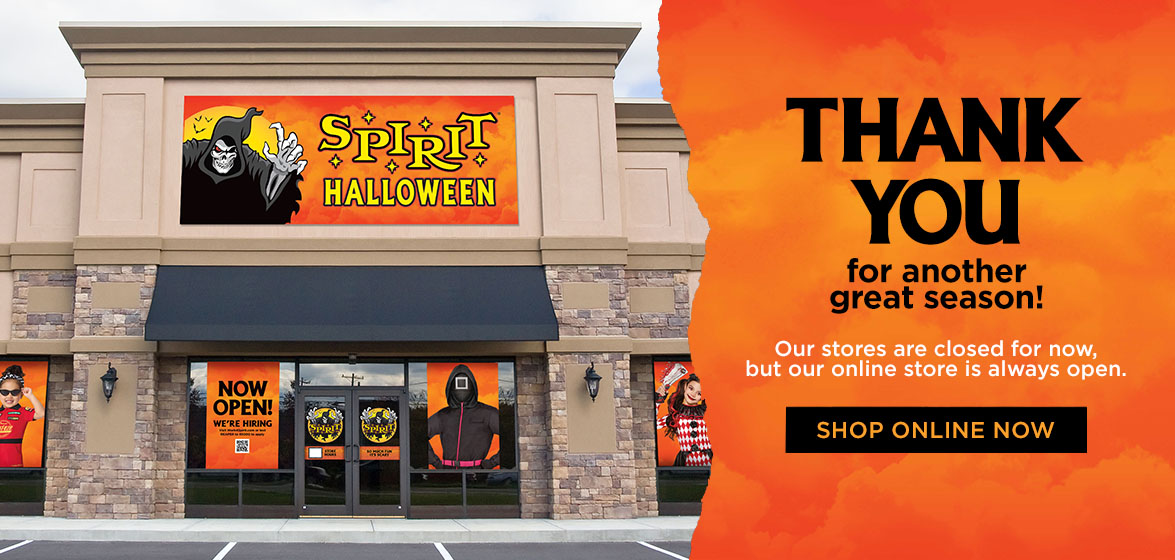
While the physical stores are seasonal, the brand is not. Spirit Halloween maintains a robust year-round e-commerce presence and a highly engaged social media community. By nurturing their “Superfans” (a community often referred to as “Spirit Halloween fanatics”) during the off-season, they ensure that the brand’s return in August is met with genuine excitement rather than apathy. They treat their opening date like a blockbuster movie premiere, complete with countdown clocks and “sneak peek” product reveals.
The Future of the Pop-Up Powerhouse
As the retail landscape continues to evolve, the Spirit Halloween model offers vital lessons for brand strategy. It proves that a brand does not need a permanent physical footprint to maintain a permanent place in the consumer’s mind. By mastering the art of the temporary, the brand has created a cycle of anticipation that most year-round retailers would envy.
The “When” of Spirit Halloween is no longer just a date on the calendar. It is a recurring brand event that signals a shift in the cultural mood. Through savvy real estate moves, immersive in-store experiences, and a brilliant grasp of internet culture, Spirit Halloween has moved beyond being a mere costume shop. It has become a case study in how to build a dominant, resilient, and highly profitable brand by owning a specific moment in time.
In the end, Spirit Halloween’s greatest trick isn’t the jump-scare animatronic at the front of the store; it’s the way they have convinced millions of consumers that the “Spirit Season” doesn’t start when the leaves turn brown—it starts when they say it does. As long as there are vacant buildings and a human desire for escapism, the orange-and-black banners will continue to be the most reliable indicator of a brand that knows exactly who it is, exactly where it needs to be, and most importantly, exactly when to arrive.
aViewFromTheCave is a participant in the Amazon Services LLC Associates Program, an affiliate advertising program designed to provide a means for sites to earn advertising fees by advertising and linking to Amazon.com. Amazon, the Amazon logo, AmazonSupply, and the AmazonSupply logo are trademarks of Amazon.com, Inc. or its affiliates. As an Amazon Associate we earn affiliate commissions from qualifying purchases.