
The search query “what time does spirit halloween close today” is more than just a logistical question from a last-minute shopper; it is a testament to one of the most successful seasonal brand strategies in modern retail history. Every year, as the leaves begin to turn, Spirit Halloween emerges from its eleven-month hibernation to occupy the skeletal remains of defunct big-box retailers. While most brands strive for year-round relevance, Spirit Halloween has mastered the art of the “ephemeral brand,” turning a 90-day window into a billion-dollar cultural phenomenon.
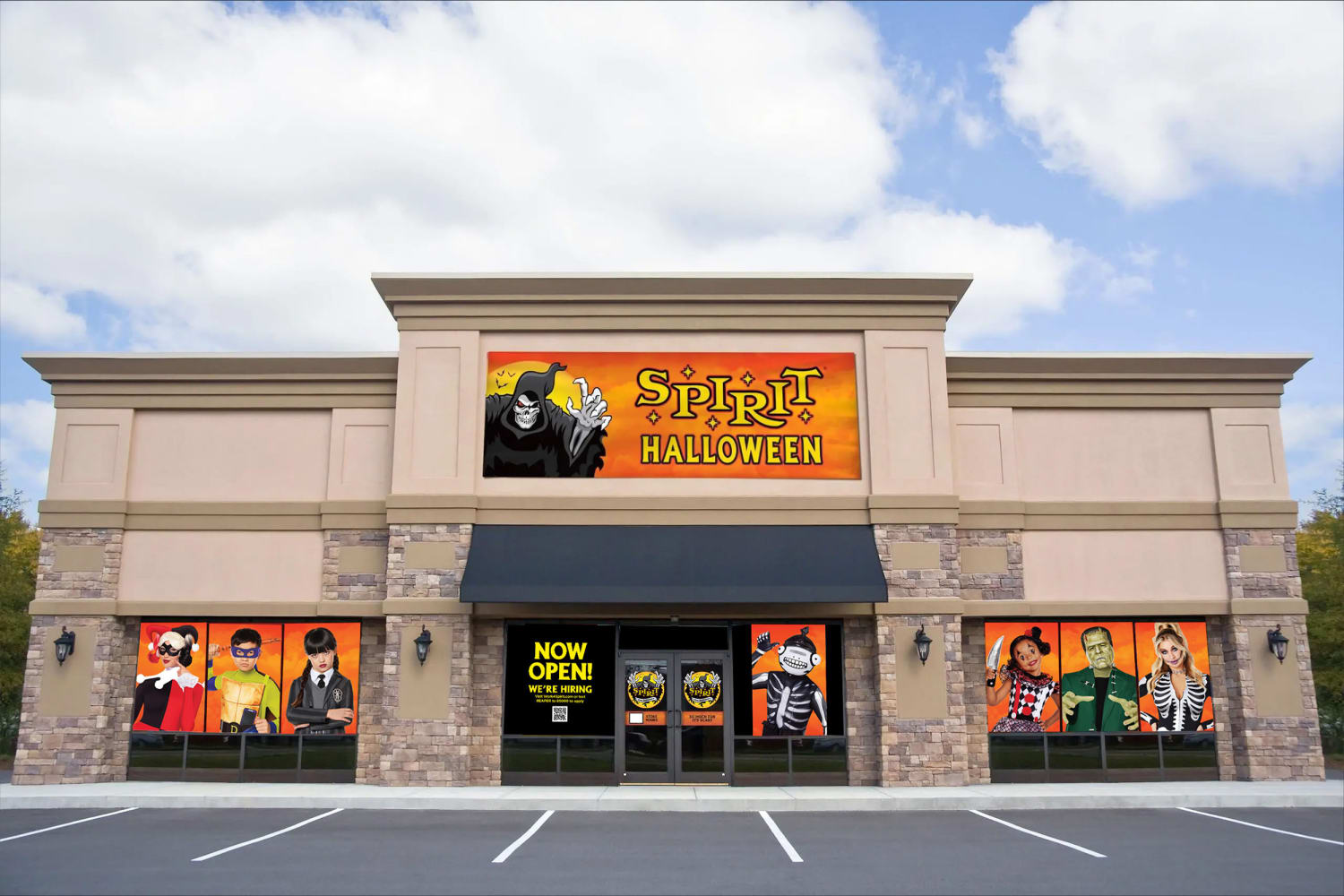
Understanding the closing times and operational hours of Spirit Halloween requires an analysis of how the brand manages its massive, temporary footprint. Because each location is a “pop-up,” hours can vary significantly based on the local mall’s schedule or the specific lease agreement of a standalone building. However, the brand’s ability to maintain a consistent identity across over 1,500 varied locations is a case study in brand agility, real estate arbitrage, and the psychology of scarcity.
The Architecture of the “Zombie” Retail Strategy
The brilliance of the Spirit Halloween brand lies in its “zombie” retail model. By taking over vacant storefronts—often left behind by Sears, Bed Bath & Beyond, or Toys “R” Us—the brand has turned the “retail apocalypse” into a seasonal goldmine. This real estate strategy is the foundation of their brand identity: they are the opportunistic survivors of the changing economic landscape.
Real Estate Arbitrage and Brand Visibility
Spirit Halloween does not invest in permanent brick-and-mortar locations. Instead, they employ a highly sophisticated real estate team that spends the entire year negotiating short-term leases. From a branding perspective, this creates a sense of “urban renewal” through a spooky lens. When a community sees the iconic orange banner draped over a familiar, empty building, it signals the official start of the Halloween season. The brand has successfully tethered its identity to the calendar itself.
Operational Agility in Temporary Spaces
Operating 1,500 stores for only three months poses a massive logistical challenge. Spirit Halloween has perfected a “kit of parts” branding approach. Regardless of whether a store is 5,000 or 50,000 square feet, the brand uses a modular design system that can be deployed in days. This ensures that when a customer asks what time the store closes, they are walking into a space that feels like a permanent flagship, despite it being a temporary installation. This consistency builds trust—a rare commodity for pop-up ventures.
The Psychology of Scarcity: Why We Search for Closing Times
The urgency behind the search for “Spirit Halloween closing times” is driven by a carefully cultivated sense of FOMO (Fear Of Missing Out). Because the brand exists only for a limited window, every hour of operation is high-stakes for the consumer. This is a deliberate brand positioning strategy that leverages seasonal scarcity to drive foot traffic and high-volume sales.
The 90-Day Lifecycle
Spirit Halloween’s brand lifecycle is a sprint. In August, they build anticipation; in September, they establish dominance; and in October, they reach a fever pitch of consumer demand. By the time November 1st hits, the brand begins to vanish. This “now or never” mentality is baked into the brand’s DNA. Unlike a year-round retailer that can afford to have a slow Tuesday in March, Spirit Halloween must maximize every minute of its operational hours.
Experiential Marketing as a Brand Pillar
People don’t just go to Spirit Halloween to buy a costume; they go for the “experience.” The brand invests heavily in in-store animatronics and “try-me” displays that turn a shopping trip into a mini haunted house visit. This experiential branding is why the closing times matter so much to families and teenagers. It is a destination. By making the store an attraction, the brand ensures that even those who don’t end up purchasing a $60 animatronic still leave with the brand’s orange bag, essentially turning every customer into a walking billboard.
Licensing and the Power of Pop Culture Relevancy

A significant portion of Spirit Halloween’s brand equity is built on its ability to stay current. In the world of branding, relevancy is the ultimate currency, and Spirit Halloween maintains its edge through aggressive licensing and a finger on the pulse of internet culture.
Owning the “Meme-ification” of the Brand
In recent years, Spirit Halloween has leaned into its status as an internet meme. When a celebrity or a public figure “fades away,” social media users often joke that a Spirit Halloween will pop up in their place. Rather than fighting this, the brand has embraced it, using self-deprecating humor and clever social media engagement to strengthen its bond with Gen Z and Millennial consumers. This reinforces the brand’s identity as a cultural fixture that is both omnipresent and elusive.
Strategic Partnerships and Exclusive Intellectual Property
The brand’s shelves are a curated museum of current pop culture. From Stranger Things to Hocus Pocus, Spirit Halloween secures exclusive licensing deals that make it the “official” home of seasonal fandom. This brand strategy moves them away from being a mere commodity seller (selling generic witches and ghosts) to being a specialized boutique for enthusiasts. When a customer checks “what time does Spirit Halloween close,” they are often looking for a specific, licensed item that cannot be found at a big-box competitor like Target or Walmart.
Scaling the Ephemeral: Lessons for Modern Brands
Spirit Halloween’s success offers profound lessons for brand managers and entrepreneurs, regardless of their industry. They have proven that you do not need a permanent physical presence to maintain a permanent place in the consumer’s mind.
Brand Recognition Through Visual Cues
The brand’s color palette—vibrant orange, deep black, and stark white—is unmistakable. Even from a distance, the “Spirit” font and the “Jack the Reaper” mascot are instantly recognizable. This visual consistency is what allows them to move into a different building every year without losing their customer base. They have decoupled their brand from their location, a feat that most retailers struggle to achieve.
The Importance of Hyper-Seasonality
While many brands try to be “everything to everyone” all year round, Spirit Halloween wins by being “everything to everyone” for one specific month. This focus allows for a depth of inventory and a level of staff expertise that generalist retailers cannot match. By dominating a niche, they have created a “category of one.” In the mind of the consumer, Spirit Halloween isn’t just a place to buy a costume; it is Halloween.
The Future of Spirit Halloween: Beyond the Pop-Up
As the brand continues to evolve, it is beginning to push the boundaries of its 90-day window. We are seeing the brand expand into media, such as the Spirit Halloween: The Movie (2022), and an increased year-round digital presence through their e-commerce platform.
Digital Transformation and Year-Round Engagement
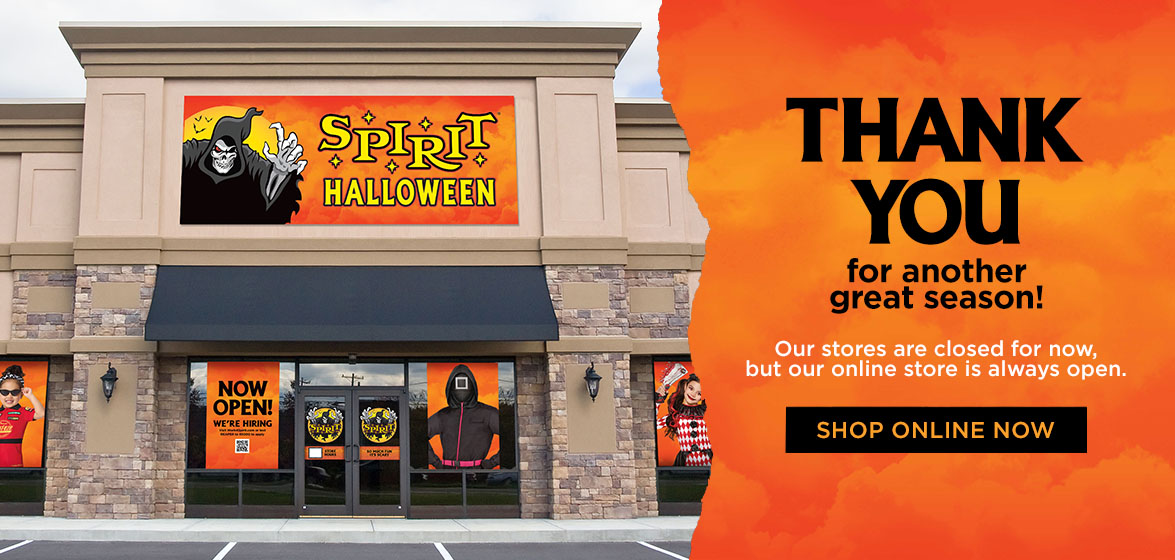
While the physical stores close their doors on November 1st, the digital brand remains active. By leveraging data collected during the peak season, Spirit Halloween maintains a year-round relationship with “home haunters” and professional enthusiasts. This omnichannel approach ensures that the brand remains top-of-mind even when the physical signs are taken down.
The Evolution of the “Spirit” Brand Identity
The brand is increasingly positioning itself as a lifestyle curator for the “spooky” subculture. This community doesn’t just celebrate on October 31st; they live the aesthetic year-round. By catering to this hardcore fan base through specialized online drops and social media community building, Spirit Halloween is successfully transitioning from a seasonal utility to a lifestyle brand.
In conclusion, the next time you find yourself searching for what time Spirit Halloween closes today, recognize that you are participating in a highly engineered brand ritual. The brand’s ability to appear, dominate the cultural conversation, and disappear—only to repeat the cycle with even more vigor the following year—is a masterclass in modern marketing. They have mastered the logistics of the temporary, the psychology of the season, and the power of a clear, unshakeable brand identity. Whether the doors close at 9:00 PM or 11:00 PM, the brand itself has already achieved a form of immortality in the American retail consciousness.
aViewFromTheCave is a participant in the Amazon Services LLC Associates Program, an affiliate advertising program designed to provide a means for sites to earn advertising fees by advertising and linking to Amazon.com. Amazon, the Amazon logo, AmazonSupply, and the AmazonSupply logo are trademarks of Amazon.com, Inc. or its affiliates. As an Amazon Associate we earn affiliate commissions from qualifying purchases.