
For the past several years, the global financial landscape has been dominated by a single, pressing question: When will interest rates finally begin their descent? After an aggressive cycle of tightening aimed at taming historic inflation, central banks—most notably the U.S. Federal Reserve—have held rates at their highest levels in decades. For homeowners, business owners, and investors, the “higher for longer” era has redefined the cost of capital and altered the trajectory of the global economy.
Understanding the timing of a rate cut requires a deep dive into the macroeconomic indicators that guide central bank policy. It is not merely a matter of picking a date on a calendar; it is a complex calculation involving inflation targets, labor market health, and the delicate balance between economic growth and stability. As we peer into the coming quarters, identifying the signals that precede a pivot is essential for anyone looking to optimize their personal or business finances.
Understanding the Federal Reserve’s Mandate and Current Stance
The primary driver behind the current interest rate environment is the Federal Reserve’s “dual mandate”: to promote maximum employment and maintain stable prices. Since early 2022, the focus has shifted heavily toward the latter. When inflation spiked to levels not seen since the 1980s, the Fed responded with a series of rapid rate hikes designed to cool an overheated economy.
The Battle Against Inflation
The Fed’s unofficial “north star” is a 2% annual inflation rate. For much of the recent tightening cycle, inflation remained stubbornly high, fueled by supply chain disruptions, high energy costs, and robust consumer spending. Interest rates are the Fed’s primary tool for combatting this; by making borrowing more expensive, they reduce the amount of money circulating in the economy, which theoretically slows price increases.
The central bank has signaled that it will not consider lowering rates until it has “greater confidence” that inflation is moving sustainably toward that 2% target. This means that even if inflation is falling, the Fed may maintain high rates to ensure that price pressures do not resurface—a phenomenon known as the “second wave” of inflation that plagued the economy in the 1970s.
Labor Market Resilience vs. Economic Cooling
Traditionally, high interest rates lead to a rise in unemployment as businesses scale back expansion and hiring. However, the current cycle has been unique. The labor market has remained remarkably resilient, with low unemployment rates and consistent job growth. While this is good for workers, it presents a challenge for the Fed. A “tight” labor market often leads to higher wages, which can, in turn, keep inflation elevated.
The Fed is looking for a “soft landing”—a scenario where inflation returns to target without triggering a significant recession or a spike in unemployment. Until the labor market shows signs of “rebalancing” (a polite term for cooling off), the impetus to cut interest rates remains low.
Key Economic Indicators to Watch for Potential Rate Cuts
Investors and economists track a specific set of data points to predict when the pivot might occur. These indicators serve as the “data-dependent” roadmap that central bankers frequently cite in their public addresses.
Consumer Price Index (CPI) and Core Inflation
The Consumer Price Index (CPI) is the most widely recognized measure of inflation, tracking the change in prices paid by consumers for a basket of goods and services. However, the Fed often pays closer attention to “Core CPI,” which excludes volatile food and energy prices, and the Personal Consumption Expenditures (PCE) price index.
To see interest rates go down, we need to see a consistent, month-over-month trend of cooling core inflation. If the data shows a “plateau” where inflation stays stuck at 3% or 3.5%, the Fed is likely to keep rates steady. Only a clear trajectory toward 2% will provide the political and economic cover necessary to begin easing.
GDP Growth and the Risk of Recession
Gross Domestic Product (GDP) measures the overall health and output of the economy. If GDP growth remains strong, the Fed feels less pressure to cut rates because the economy is clearly handling the high borrowing costs. Conversely, if GDP begins to contract or show significant weakness, the risk of a recession increases.
Central banks typically cut rates to stimulate the economy during a downturn. If the leading indicators of economic activity—such as manufacturing indices or consumer confidence—begin to crater, the Fed may be forced to lower rates sooner than expected to prevent a hard landing.
Projections and Timelines: What the Markets and Experts Say
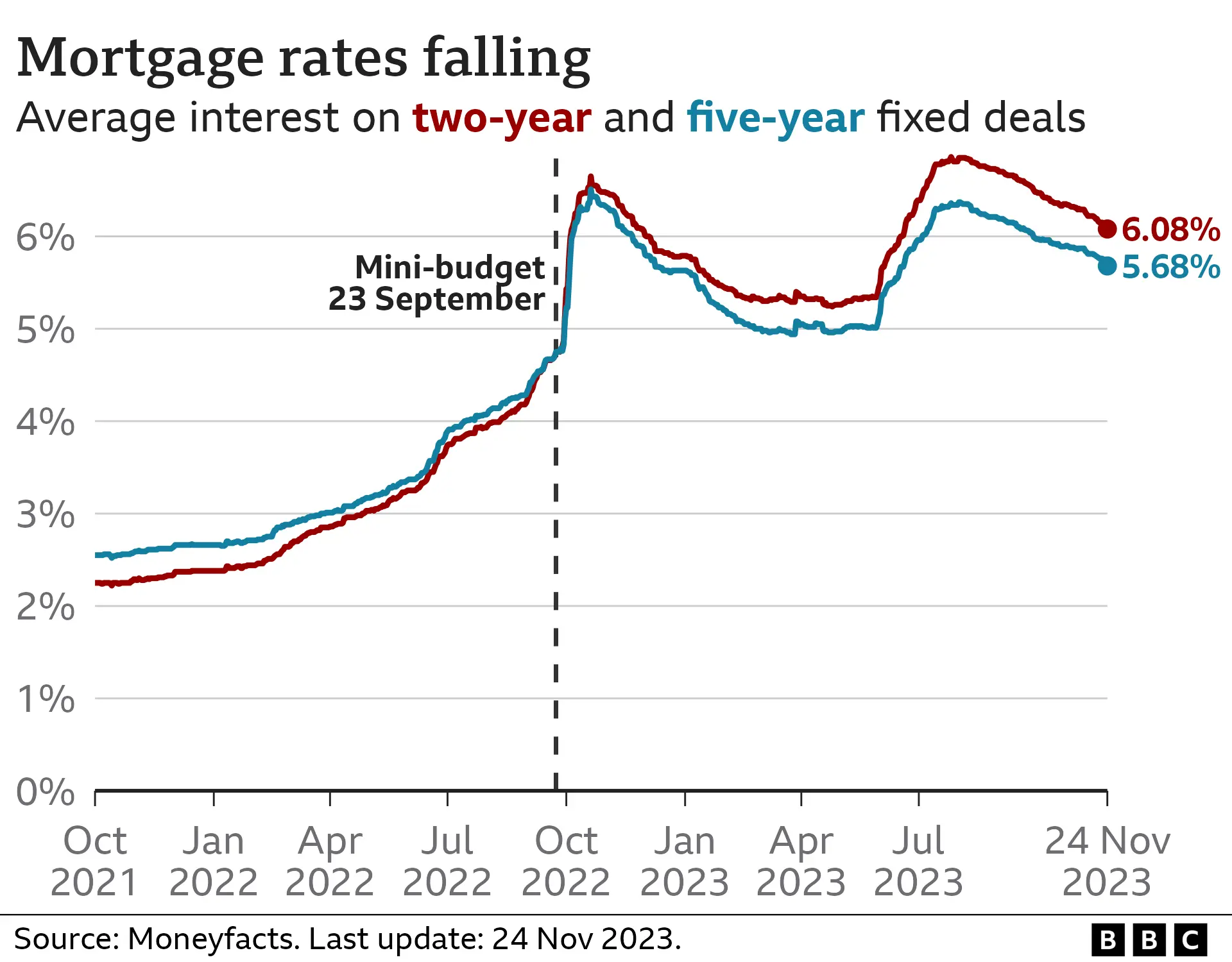
Predicting the exact month of a rate cut is a favorite pastime of Wall Street analysts, but the consensus has shifted frequently over the last year. Early projections for 2024 suggested cuts as early as the first quarter, but those hopes were dashed by persistent inflation data.
The “Higher for Longer” Sentiment
The current prevailing sentiment is “higher for longer.” This suggests that the “neutral rate”—the interest rate that neither stimulates nor restrains the economy—might be higher than it was in the decade following the 2008 financial crisis. If the economy has structurally changed, we may never return to the near-zero interest rates of the 2010s.
Economists now look toward the latter half of 2024 or even early 2025 as the most realistic window for the first rate cut. The Fed’s “dot plot,” a chart that shows where each member of the Federal Open Market Committee (FOMC) expects rates to be in the future, currently suggests a cautious approach with only a few incremental cuts on the horizon.
Consensus Forecasts and Global Trends
It is also important to look beyond the United States. Other major central banks, such as the European Central Bank (ECB) and the Bank of England, face similar dilemmas. Often, central banks move in somewhat synchronized patterns. If the ECB begins cutting rates due to stagnation in the Eurozone, it may exert pressure on the Fed to follow suit to prevent the U.S. dollar from becoming overly strong, which can hurt American exports.
Strategic Financial Moves to Make Before Rates Drop
For individuals and business owners, the period just before interest rates drop is a critical time for strategic planning. The way you manage debt and investments today will determine your financial health when the cycle finally turns.
Managing Debt and Refinancing Strategies
If you are carrying high-interest variable debt, such as credit card balances or Adjustable-Rate Mortgages (ARMs), the current environment is challenging. However, once the Fed signals a definitive move toward lower rates, a window for refinancing opens.
For those looking to buy a home or refinance an existing mortgage, the goal is to time the market without “waiting for the bottom.” Often, mortgage rates begin to drop in anticipation of a Fed cut. If you wait until the cut is officially announced, you may find yourself in a much more competitive market where housing prices rise, offsetting the savings from a lower interest rate.
Investment Implications: Fixed Income vs. Equities
Interest rates and bond prices have an inverse relationship. When rates go down, the value of existing bonds with higher yields goes up. This makes the period before a rate cut an attractive time to “lock in” high yields on long-term bonds, Certificates of Deposit (CDs), or high-yield savings accounts.
In the equity markets, certain sectors perform better when rates drop. Technology and growth stocks, which rely on future earnings and often carry significant debt for expansion, typically see a boost. Similarly, real estate investment trusts (REITs) become more attractive as borrowing costs for property acquisition decrease.
Preparing Your Personal Finances for a Lower-Rate Environment
While the prospect of lower borrowing costs is generally welcomed, a lower-rate environment also has downsides, particularly for savers who have enjoyed high returns on their cash reserves over the past two years.
Cash Reserves and High-Yield Savings Accounts
We are currently in a “golden age” for savers. High-yield savings accounts and money market funds are offering returns that actually beat inflation for the first time in years. When the Fed cuts rates, these yields will be the first to fall.
To prepare, consider moving excess cash into fixed-rate vehicles like multi-year CDs now. This allows you to guarantee a high rate of return even after the broader market rates begin to decline. Maintaining a laddered CD strategy can provide both liquidity and protection against falling interest rates.
Real Estate and the Mortgage Landscape
The real estate market has been in a state of “suspended animation” due to high mortgage rates. Many potential sellers are locked into low rates from years ago and are unwilling to move, while buyers are priced out by high monthly payments.
When rates go down, we can expect a surge in market activity. If you are a prospective buyer, the “pre-drop” period is the time to clean up your credit score and save for a larger down payment. Lower rates will increase your purchasing power, but they will also likely increase competition. Being financially prepared to move quickly will be the difference between securing a property and being outbid in a revitalized market.
Ultimately, the question of when interest rates are going down is a question of economic balance. While the exact timing remains a moving target, the indicators—inflation trends, employment data, and GDP growth—are the map. By staying informed and remaining flexible, you can navigate this transition and position your finances for success in the next chapter of the economic cycle.
aViewFromTheCave is a participant in the Amazon Services LLC Associates Program, an affiliate advertising program designed to provide a means for sites to earn advertising fees by advertising and linking to Amazon.com. Amazon, the Amazon logo, AmazonSupply, and the AmazonSupply logo are trademarks of Amazon.com, Inc. or its affiliates. As an Amazon Associate we earn affiliate commissions from qualifying purchases.