
Investing in the stock market is one of the most effective ways to build long-term wealth. Historically, the equity market has provided returns that outpace inflation, allowing individuals to grow their purchasing power over decades. However, for many beginners, the market can seem like a daunting labyrinth of ticker symbols, fluctuating charts, and complex terminology. Navigating this landscape requires a combination of strategic planning, a fundamental understanding of market mechanics, and the emotional discipline to stay the course during periods of volatility.
Successful investing is not about “timing” the market or finding the next “moonshot” stock; rather, it is about “time in” the market. By treating the stock market as a vehicle for ownership in productive businesses, rather than a casino, you can position yourself to benefit from the global economy’s growth.
Laying the Financial Foundation for Investing
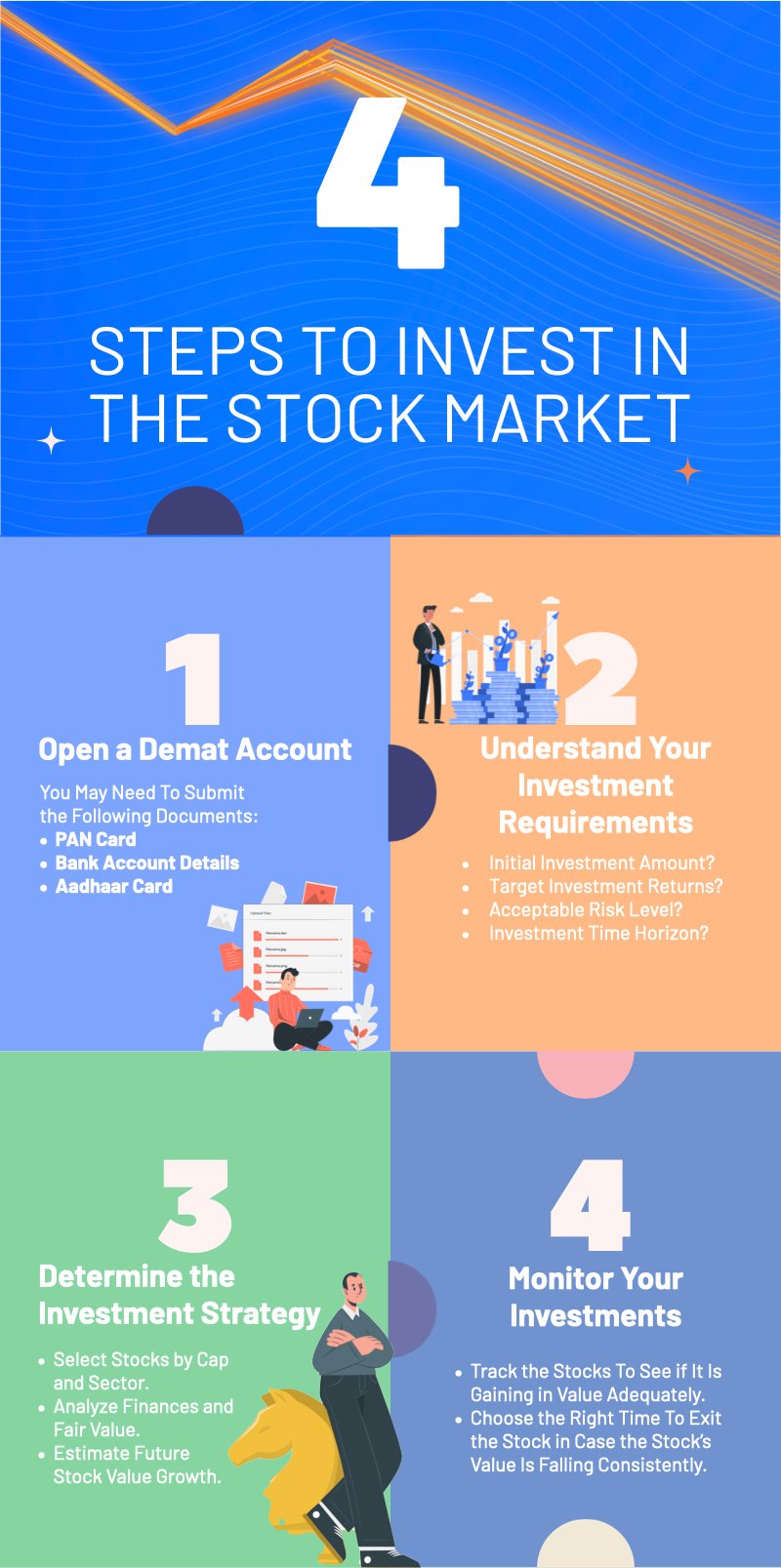
Before purchasing your first share of a company or an index fund, it is vital to ensure that your personal finances are stable. Investing involves risk, and the capital you deploy into the stock market should be money you do not need for at least five to ten years.
Assessing Your Financial Health
The first step is the creation of an emergency fund. Most financial advisors recommend saving three to six months of living expenses in a high-yield savings account. This liquidity acts as a buffer, ensuring that you won’t be forced to sell your investments at a loss if an unexpected expense arises. Furthermore, you should address high-interest debt, such as credit card balances. Since the historical average return of the stock market is roughly 7% to 10% annually (inflation-adjusted), paying off a debt with a 20% interest rate provides a “guaranteed” return that far exceeds what you are likely to earn in the market.
Defining Your Goals and Risk Tolerance
Every investor has a unique profile based on their age, income, and financial objectives. Are you investing for retirement forty years away, or are you saving for a down payment on a house in five years? Your “time horizon” is the most significant factor in determining your asset allocation.
Risk tolerance is equally critical. It is the measure of how much market volatility you can withstand without panicking. An aggressive investor might be comfortable with a 30% temporary drop in their portfolio value in exchange for higher long-term growth potential. A conservative investor might prefer a mix of stocks and bonds to dampen volatility, even if it means lower overall returns. Understanding your psychological response to market fluctuations before they happen is essential for preventing impulsive, costly decisions.
Understanding the Building Blocks of the Market
The stock market is a marketplace where ownership stakes in publicly traded companies are bought and sold. To build a portfolio, you must understand the primary instruments available to you.
Stocks, Bonds, and ETFs
A stock represents a fractional ownership interest in a corporation. When you buy a share of a company, you are betting on its future profitability. Stocks are generally categorized by market capitalization: large-cap (stable, established companies), mid-cap, and small-cap (higher growth potential but higher risk).
Bonds, on the other hand, are debt instruments. When you buy a bond, you are lending money to a government or corporation for a set period in exchange for regular interest payments. Bonds generally offer lower returns than stocks but provide a level of stability and income that can balance a portfolio.
Exchange-Traded Funds (ETFs) and Mutual Funds have revolutionized investing for the average person. Instead of picking individual stocks, you can buy a single share of an ETF that holds hundreds or even thousands of different companies. This provides instant diversification. For example, an S&P 500 ETF allows you to own a piece of the 500 largest publicly traded companies in the United States, spreading your risk across multiple sectors like technology, healthcare, and finance.
The Role of Diversification
Diversification is often called the “only free lunch in finance.” It is the practice of spreading your investments across various asset classes, industries, and geographic regions to reduce risk. If you invest all your money in a single tech company and that company fails, you lose everything. However, if you hold a diversified portfolio and one company or sector underperforms, the gains in other areas can offset those losses. A well-diversified portfolio might include domestic stocks, international stocks, government bonds, and perhaps real estate investment trusts (REITs).
Selecting Your Investment Strategy
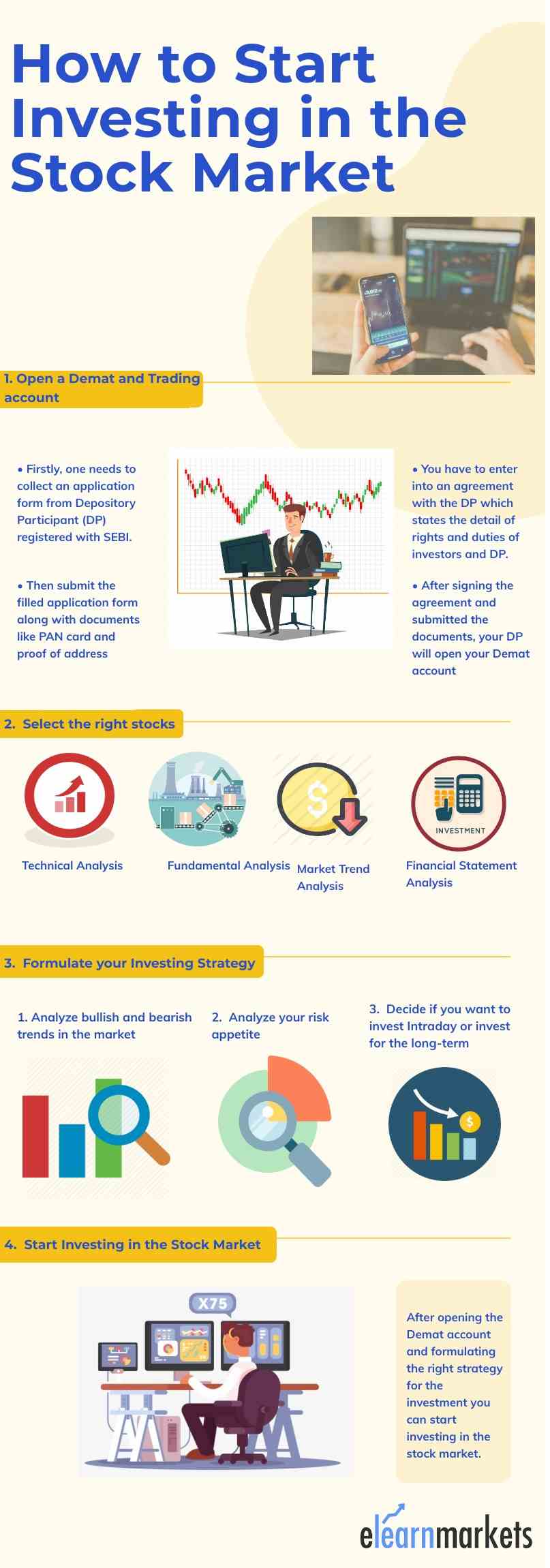
Once the foundation is set, you must decide how you will manage your investments. There are two primary schools of thought: active and passive management.
Active vs. Passive Management
Active investing involves trying to “beat the market” by picking specific stocks or timing entries and exits based on research and analysis. While the allure of finding the next big winner is strong, data consistently shows that the vast majority of active investors—including professional fund managers—fail to outperform the broader market over long periods after accounting for fees and taxes.
Passive investing, often implemented through index funds, seeks to “be the market.” Instead of trying to pick winners, you buy the entire index. This strategy is characterized by lower fees, lower tax consequences, and a focus on long-term growth. For most individual investors, a passive approach is the most reliable path to wealth accumulation.
Growth vs. Value Investing
Within the world of stock selection, two common styles are growth and value. Growth investors look for companies that are expanding their revenue and earnings at a faster-than-average rate. these companies often reinvest their profits into the business rather than paying dividends. Value investors, conversely, look for “bargains”—companies that appear to be trading for less than their intrinsic value. These are often established companies that pay consistent dividends. A balanced portfolio often incorporates elements of both styles to capture different phases of the economic cycle.
Dollar-Cost Averaging
One of the most powerful strategies for the individual investor is Dollar-Cost Averaging (DCA). This involves investing a fixed amount of money at regular intervals, regardless of the stock price. When prices are high, your fixed investment buys fewer shares; when prices are low, it buys more. This removes the emotional stress of trying to time the market and ensures that you are consistently building your position over time. Over the long term, DCA lowers the average cost per share and disciplines the investor to keep buying even during market downturns.
The Mechanics of Buying and Selling
To participate in the market, you need the right tools and a basic understanding of how transactions occur.
Choosing a Brokerage Platform
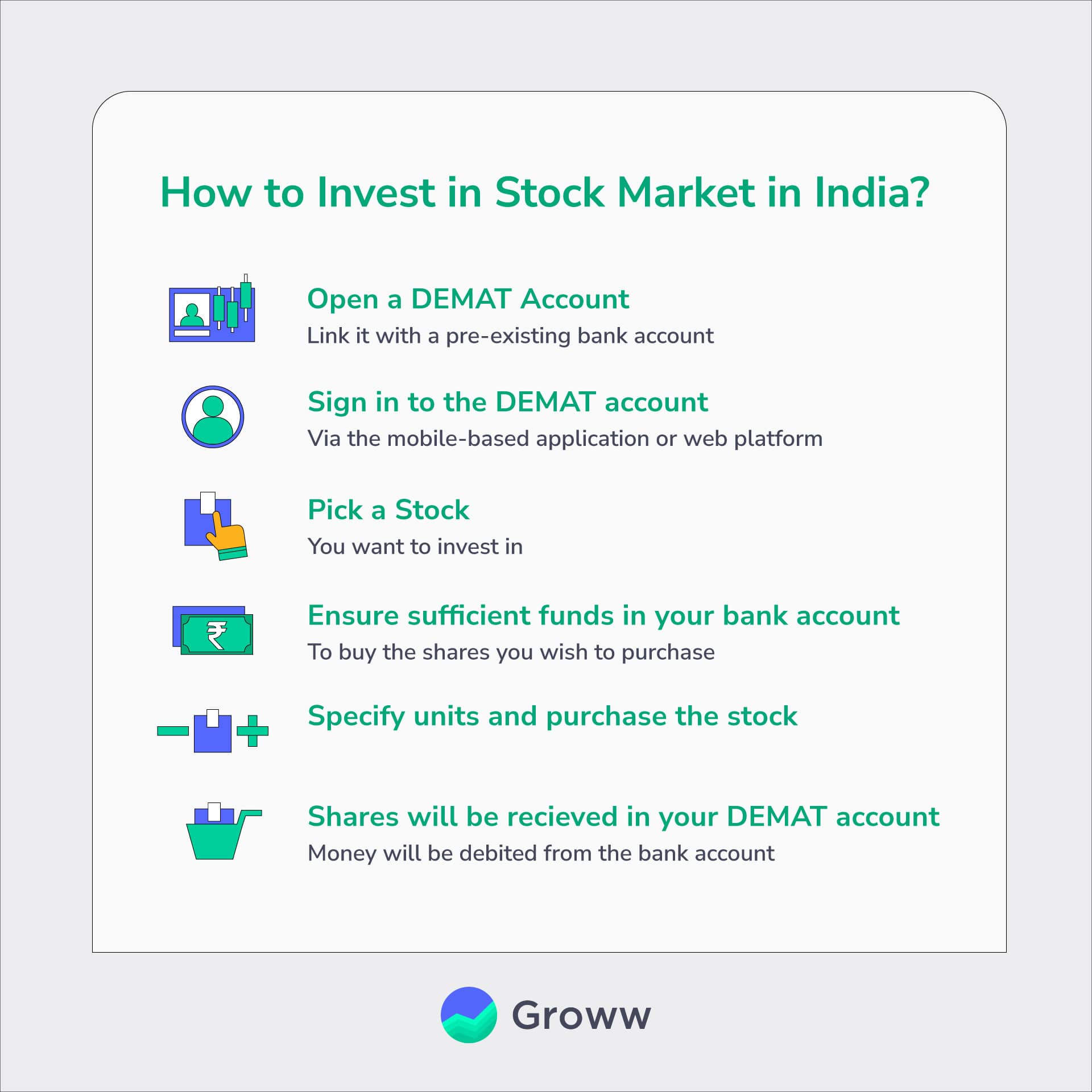
In the digital age, opening an investment account is straightforward. You can choose between full-service brokers, discount brokers, or “robo-advisors.” Robo-advisors use algorithms to build and manage a diversified portfolio for you based on your risk profile, which is excellent for those who want a “set it and forget it” experience.
It is also important to consider the type of account you open. In many regions, there are tax-advantaged accounts designed for retirement (such as a 401(k) or IRA in the U.S.). These accounts offer significant tax breaks that can accelerate your wealth-building. If you have already maximized these options, you can open a standard taxable brokerage account, which offers more flexibility but less tax protection.
Order Types and Market Execution
When you are ready to buy a stock or ETF, you will encounter different order types. A “Market Order” executes the trade immediately at the current best available price. This is useful when you want to buy or sell quickly. A “Limit Order” allows you to specify the maximum price you are willing to pay (or the minimum price you are willing to accept). The trade only executes if the market hits your price. Using limit orders can protect you from sudden, brief price spikes or drops, ensuring you don’t pay more than intended.
Long-Term Management and Psychology
The greatest challenge in stock market investing is not technical knowledge, but behavioral discipline. The market is driven by two primary emotions: fear and greed.
The Power of Compounding
Albert Einstein allegedly called compound interest the “eighth wonder of the world.” Compounding happens when the returns on your investments start earning their own returns. In the early years, the growth may seem slow. However, as the decades pass, the mathematical effect of compounding becomes exponential. This is why starting early is more important than the amount of money you start with. A person who starts investing $200 a month at age 25 will likely end up with significantly more wealth than someone who starts investing $500 a month at age 45.
Managing Emotional Turbulence
The stock market does not move in a straight line. Corrections (a 10% drop) and bear markets (a 20% or more drop) are a natural and inevitable part of the economic cycle. The most common mistake investors make is selling their holdings in a panic when the market drops, effectively locking in their losses.
To succeed, you must view market volatility as a sale rather than a threat. Successful investors maintain a “long-term bias,” understanding that the economy has historically recovered from every recession, war, and crisis it has faced. Periodically rebalancing your portfolio—selling some of what has performed well and buying more of what has underperformed to return to your original asset allocation—can help you buy low and sell high without having to guess the market’s direction.
Ultimately, investing in the stock market is a marathon, not a sprint. By maintaining a diversified portfolio, keeping costs low, and staying disciplined through the market’s inevitable ups and downs, you can leverage the power of the global economy to secure your financial future.
aViewFromTheCave is a participant in the Amazon Services LLC Associates Program, an affiliate advertising program designed to provide a means for sites to earn advertising fees by advertising and linking to Amazon.com. Amazon, the Amazon logo, AmazonSupply, and the AmazonSupply logo are trademarks of Amazon.com, Inc. or its affiliates. As an Amazon Associate we earn affiliate commissions from qualifying purchases.