
For entrepreneurs and small business owners, the acronym “SBA” is often synonymous with opportunity. Standing for the U.S. Small Business Administration, the SBA is a federal agency dedicated to helping Americans start, build, and grow businesses. While many recognize the name through its high-profile loan programs, the SBA is a multi-faceted pillar of the American financial ecosystem, providing a safety net and a springboard for the enterprises that drive the national economy.
Understanding the SBA is essential for any business owner looking to optimize their capital structure. The agency does not function like a traditional bank; rather, it acts as a guarantor and a facilitator, bridging the gap between conservative lending institutions and ambitious entrepreneurs who may not meet the stringent criteria of conventional commercial loans.
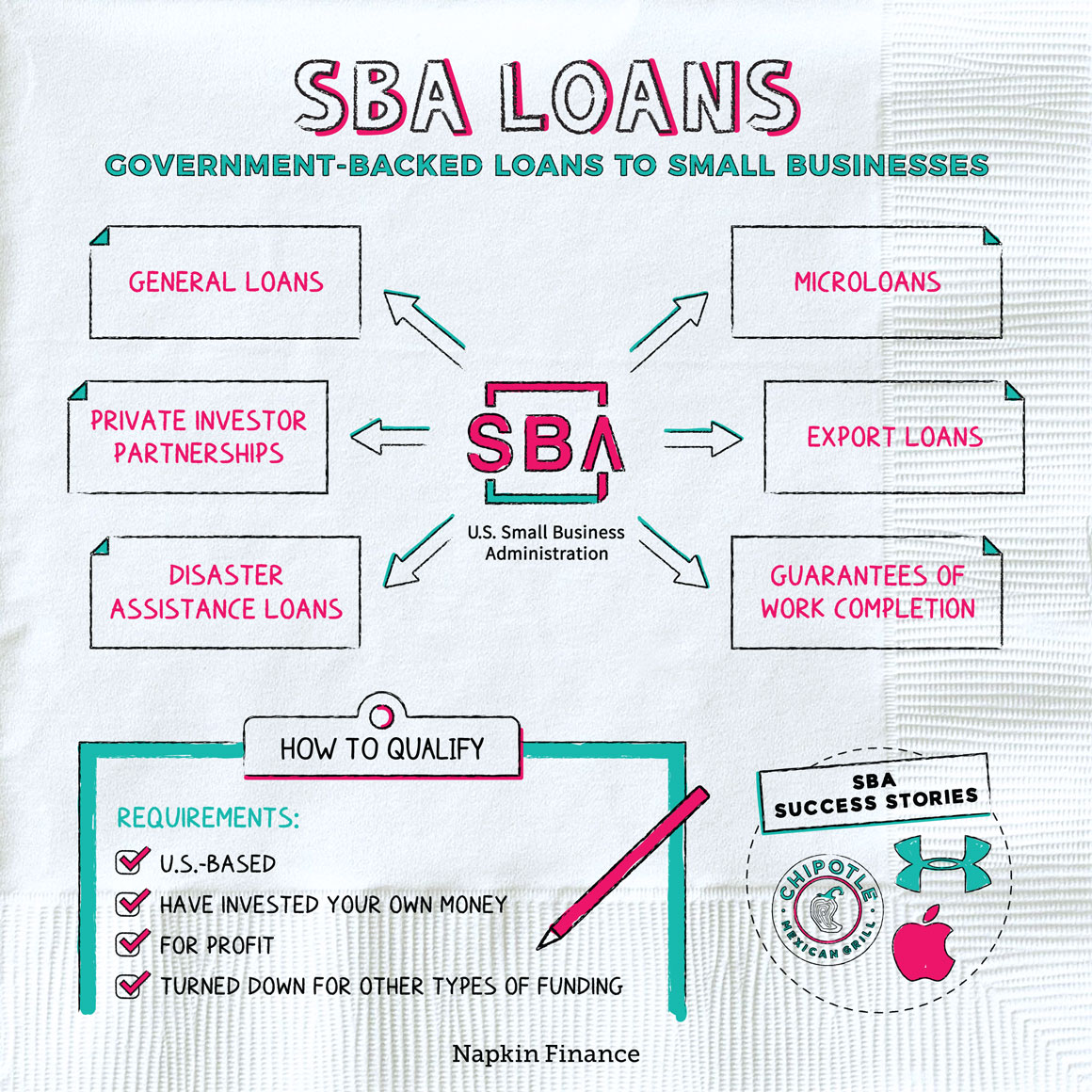
Understanding the Role of the Small Business Administration
The SBA was created by the Small Business Act of July 30, 1953, with the primary mission to “aid, counsel, assist and protect, insofar as is possible, the interests of small business concerns.” In the world of business finance, the SBA serves as a risk-mitigation tool for lenders. By guaranteeing a significant portion of a loan—sometimes up to 85%—the SBA incentivizes banks to provide capital to businesses they might otherwise deem too risky.
The Core Mission: Capital, Counseling, and Contracting
The agency’s operations are often categorized into three “Cs”: Capital, Counseling, and Contracting.
-
Capital: This is the most well-known branch, involving the various loan programs that provide much-needed liquidity for expansion, equipment, or working capital.
-
Counseling: Through a network of partners, the SBA provides free or low-cost training and mentorship to business owners at every stage of their journey.
-
Contracting: The SBA ensures that a certain percentage of federal contract dollars are awarded to small businesses, particularly those owned by disadvantaged individuals, women, and veterans.
How the SBA Functions: The Guarantor Model
It is a common misconception that the SBA lends money directly to small business owners. With the exception of Disaster Loans, the SBA rarely acts as the direct source of funds. Instead, it sets the guidelines for loans made by its partnering lenders (banks, credit unions, and community development organizations).
When a business applies for an SBA loan, they are applying through a private lender. The SBA’s role is to promise the lender that if the borrower defaults, the government will repay a predetermined percentage of the loss. This reduces the lender’s exposure, allowing them to offer more favorable terms, such as lower down payments and longer repayment periods.
Decoding SBA Loan Programs: The Path to Capital
For a business owner, navigating the different SBA loan products is a strategic exercise in financial planning. Each program is designed for a specific use case, and choosing the right one can significantly impact a company’s cash flow and long-term debt obligations.
The 7(a) Loan Program: The Versatile Flagship
The 7(a) loan is the SBA’s primary program for providing financial assistance to small businesses. It is highly flexible and can be used for a wide range of purposes, including purchasing real estate, buying out a partner, acquiring another business, or simply funding seasonal working capital.
The maximum loan amount for a 7(a) loan is $5 million. One of the greatest advantages of the 7(a) program is the repayment term length. While conventional commercial loans might require balloon payments after five years, 7(a) loans for real estate can extend up to 25 years, and equipment or working capital loans can last 10 years. This significantly lowers the monthly debt service, freeing up cash for operations.
The 504 Loan Program: Fixed-Asset Financing
If a business needs to purchase heavy machinery or commercial real estate, the 504 loan program is often the superior choice. This program is structured differently than the 7(a). It typically involves three parties: a lender (covering 50% of the project), a Certified Development Company (CDC) funded by an SBA-guaranteed debenture (covering 40%), and the business owner (contributing 10%).
The 504 program offers long-term, fixed-rate financing. It is designed to promote economic development and job creation. For established businesses looking to lock in low interest rates on a warehouse or retail space, the 504 program provides stability that is hard to find in the private market.
Microloans: Small Steps for Big Impact
Startups and very small businesses often find themselves in a “funding gap” where their capital needs are too small for large commercial banks to bother with. The SBA Microloan program addresses this by providing loans up to $50,000. These funds are distributed through nonprofit community-based organizations.
Beyond the capital, microloan recipients often receive mandatory business training and technical assistance. This holistic approach ensures that the borrower doesn’t just receive the cash, but also the financial literacy required to manage it effectively.

Disaster Loans: Resilience in Times of Crisis
Unlike the programs mentioned above, SBA Disaster Loans are direct loans from the government. These are triggered by declared disasters—such as hurricanes, wildfires, or the COVID-19 pandemic. They offer very low interest rates to help businesses repair physical damage or overcome “economic injury” (the inability to meet obligations due to the disaster).
Eligibility and the Application Process
Securing SBA-backed financing is often more rigorous than getting a credit card or a personal loan, but the financial benefits make the effort worthwhile. To benefit from these programs, a business must meet specific federal standards and demonstrate a “reasonable ability” to repay the debt.
Who Qualifies for SBA Support?
To be eligible for SBA assistance, a business must:
-
Operate for profit: Nonprofits are generally ineligible for most SBA loan programs (with certain exceptions for disaster relief).
-
Be “small” by SBA standards: The SBA defines a small business based on either its annual receipts or its number of employees, depending on the industry (NAICS code). For example, a manufacturing plant might be considered small with 500 employees, while a retail store might be judged by its annual revenue.
-
Be based in the United States: The business must operate primarily within the U.S. or its territories.
-
Have invested equity: The owner must have put their own time or money into the business.
-
Exhaust other options: The “Credit Elsewhere” test requires that the business must be unable to obtain a loan on reasonable terms from non-government sources.
Preparing Your Financial Documentation
The SBA application process requires transparency and meticulous record-keeping. Lenders will typically ask for:
-
A detailed business plan with financial projections.
-
Profit and Loss (P&L) statements and balance sheets for the last three years.
-
Personal and business tax returns.
-
A “Statement of Purpose” explaining exactly how the funds will be used.
-
Personal financial statements from any owner with 20% or more stake in the company.
The Role of Participating Lenders
Since the SBA works with private lenders, the “personality” of the bank matters. Some banks are “Preferred Lenders” (PLP), meaning the SBA has given them the authority to make final credit decisions without sending the paperwork to an SBA field office for approval. Working with a PLP can shave weeks off the approval process, which is a critical factor for businesses needing to move quickly on an acquisition or a real estate deal.
Beyond the Loan: Business Development and Government Contracting
While the financial tools are the headline, the SBA’s role in brand-building and market expansion is equally significant. Through its resource partners and contracting initiatives, the agency helps small businesses compete in arenas usually reserved for corporate giants.
Resource Partners: SCORE and SBDCs
The SBA funds a vast network of mentorship programs. SCORE (Service Corps of Retired Executives) connects nascent entrepreneurs with seasoned business veterans who provide free consulting. Small Business Development Centers (SBDCs) offer more technical assistance, helping owners with everything from market research to manufacturing processes. For women and veterans, specialized centers provide tailored resources to overcome unique hurdles in the business world.
Federal Contracting Opportunities
The U.S. government is the world’s largest buyer of goods and services. To ensure that small businesses get a piece of the pie, the SBA oversees “set-asides.” The federal government has a goal to award at least 23% of all prime contracting dollars to small businesses.
Special programs like the 8(a) Business Development Program help firms owned by socially and economically disadvantaged individuals. Participants receive training and are eligible for “sole-source” contracts, which can scale a small business into a major industry player in a matter of years.
Is an SBA Loan Right for Your Financial Strategy?
As with any financial tool, SBA loans are not a universal solution. They are strategic instruments that should be weighed against the specific needs and lifecycle of the business.
Pros and Cons of Government-Backed Financing
The primary advantages of SBA loans are the lower down payments (often as low as 10%), longer repayment terms, and competitive interest rates. These factors preserve a business’s “cash runway,” allowing them to use their liquid assets for growth rather than debt service.
However, the downsides include a lengthy application process, significant paperwork, and the requirement of a personal guarantee. In most cases, the SBA requires business owners to pledge personal assets—often their homes—as collateral if the business assets don’t fully cover the loan. This creates a higher level of personal financial risk that must be carefully managed.

Long-term Financial Planning and Debt Management
Incorporating an SBA loan into a business’s capital structure requires a long-term view. Because these loans are designed to be “patient capital,” they are ideal for scaling. For example, using a 7(a) loan to acquire a competitor can provide an immediate boost in market share while the 10-year term keeps the monthly costs manageable during the integration phase.
Ultimately, the SBA is more than just a lender; it is a comprehensive support system for the American entrepreneur. By lowering the barriers to capital and providing the education necessary to manage it, the SBA ensures that the financial engine of the country—the small business—remains resilient, competitive, and funded. For those willing to navigate the complexities of the application process, the rewards are often the foundation upon which a lasting business legacy is built.
aViewFromTheCave is a participant in the Amazon Services LLC Associates Program, an affiliate advertising program designed to provide a means for sites to earn advertising fees by advertising and linking to Amazon.com. Amazon, the Amazon logo, AmazonSupply, and the AmazonSupply logo are trademarks of Amazon.com, Inc. or its affiliates. As an Amazon Associate we earn affiliate commissions from qualifying purchases.