
A business plan is far more than a simple document required by banks or investors; it is the financial and operational blueprint of your enterprise. Whether you are launching a side hustle, seeking venture capital, or scaling a corporate subsidiary, the format of your business plan dictates how clearly your vision is communicated and how effectively your financial goals are tracked. In the realm of business finance, a well-structured plan serves as a roadmap to profitability, helping you navigate the complexities of resource allocation, market volatility, and capital management.
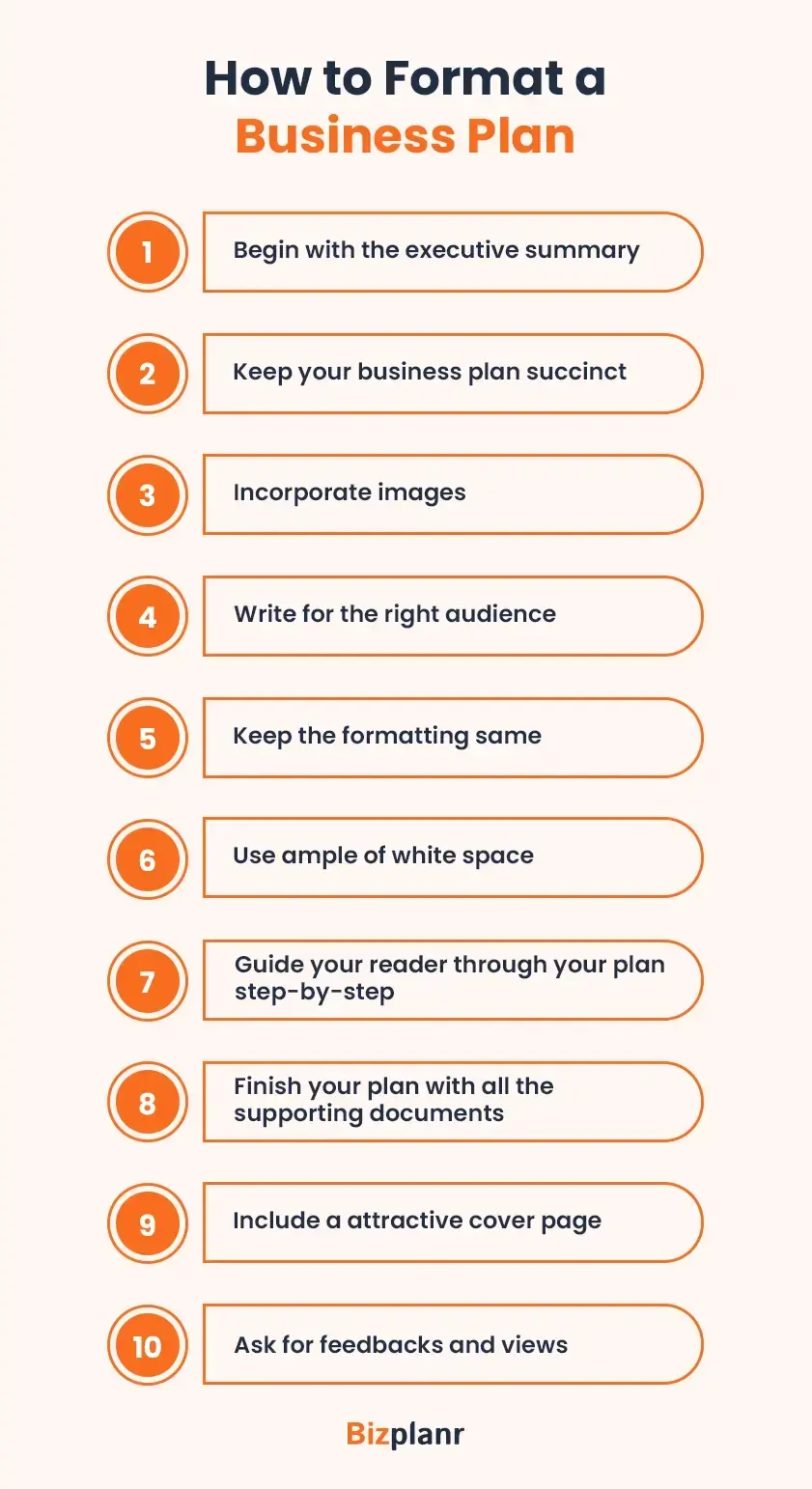
The process of drafting a business plan forces an entrepreneur to confront the hard numbers and the logical flow of their business model. Without a standardized format, critical details regarding cash flow, competitive positioning, and operational bottlenecks can be overlooked. This guide outlines the essential components of a professional business plan format, focusing on the financial integrity and strategic depth required to secure funding and ensure long-term sustainability.
The Strategic Foundation: Executive Summary and Company Description
The first sections of your business plan set the tone for the entire document. While the Executive Summary is technically the first thing a reader sees, it is often the last section written because it synthesizes every other part of the plan into a concise narrative.
Drafting a Compelling Executive Summary
The executive summary is your “elevator pitch” on paper. Within two pages, you must articulate what your business does, the problem it solves, the target market, and the high-level financial projections. For investors, this is the most critical section. If the summary does not demonstrate a clear path to return on investment (ROI), they may not read the rest of the document. You should highlight your “Big Ask”—the amount of capital you are seeking—and the specific milestones you intend to reach with that funding.
Defining Your Business Identity and Mission
Following the summary, the Company Description provides a deeper dive into the “why” and “how” of your business. This section should detail the legal structure of the business (e.g., LLC, C-Corp, S-Corp), the history of the company, and its mission statement. From a financial perspective, the legal structure is vital because it determines tax obligations and personal liability, both of which are central to the company’s financial health. You should also describe the specific problems your product or service solves and the unique advantages that give you a competitive edge in the marketplace.
Market Analysis and Revenue Modeling
A business plan is only as strong as the data supporting it. The Market Analysis section proves to stakeholders that there is a genuine demand for your offering and that you understand the economic environment in which you will operate.
Understanding Your Competitive Landscape
To build a credible financial forecast, you must first define your Total Addressable Market (TAM), Serviceable Addressable Market (SAM), and Serviceable Obtainable Market (SOM). This hierarchical approach shows that you are realistic about the portion of the market you can actually capture. You must also include a SWOT analysis (Strengths, Weaknesses, Opportunities, Threats) and a detailed look at your competitors. Knowing your competitors’ pricing models and financial strengths allows you to position your brand more effectively and justify your own pricing strategy.
Monetization Strategies and Sales Forecasts
Once the market is defined, you must explain how you will capture value. This is where you detail your revenue model. Will you rely on subscription-based income, one-time sales, or a freemium model? Each model carries different implications for cash flow and customer acquisition costs (CAC). Your sales forecast should project your expected revenue over the next three to five years. Be conservative in these estimates; seasoned investors often look for “best case,” “worst case,” and “most likely” scenarios to gauge the resilience of the business model.
Operational Structure and Management Strategy

Efficiency in operations translates directly to the bottom line. This section of the business plan format describes how the business will function on a day-to-day basis and who will be responsible for its success.
Organizational Hierarchy and Key Personnel
Investors do not just invest in ideas; they invest in people. Your management section should highlight the expertise of your leadership team. Include brief biographies that emphasize financial management experience, industry expertise, and previous successes. If there are gaps in your team, be transparent about your plans to hire for those roles. An organizational chart can be helpful here to visualize the chain of command and how departments like finance, marketing, and operations will interact.
Resource Allocation and Logistics
This sub-section outlines the physical and digital infrastructure required to run the business. This includes office space, manufacturing facilities, technology stacks, and supply chain logistics. From a financial perspective, you must distinguish between capital expenditures (CapEx)—such as buying machinery—and operating expenses (OpEx)—such as monthly software subscriptions or rent. Detailing these costs ensures that your financial projections are grounded in operational reality.
The Financial Plan: Capital Requirements and Projections
The Financial Plan is the heart of the business plan. For any serious entrepreneur, this section is the ultimate proof of concept. It demonstrates that the business is not just a creative idea, but a viable economic entity capable of generating profit.
Startup Costs and Funding Requests
If you are using the business plan to raise money, you must be explicit about your funding requirements. Break down exactly how the funds will be used. Will 40% go toward product development, 30% toward marketing, and 30% toward operations? Providing a detailed breakdown shows fiscal responsibility. You should also include your “Burn Rate”—the rate at which your company spends its venture capital to finance overhead before generating positive cash flow from operations. Understanding when you will hit the “Break-Even Point” is critical for managing investor expectations.
Profit and Loss, Cash Flow, and Balance Sheets
A professional financial plan must include three primary statements:
-
The Income Statement (Profit and Loss): This shows your revenues, expenses, and profits over a specific period. It is the primary tool for measuring the business’s ability to generate earnings.
-
The Cash Flow Statement: This is perhaps the most important document for a new business. It tracks the actual movement of cash in and out of the company. A business can be profitable on paper but still fail if it runs out of cash because of delayed payments or high inventory costs.
-
The Balance Sheet: This provides a snapshot of the business’s financial health at a specific point in time, detailing assets, liabilities, and equity.
These documents should project forward at least three years, with the first year broken down by month. This level of detail allows you to monitor variances between your projections and your actual performance, which is essential for making mid-course financial corrections.
Risk Management and Long-Term Scalability
The final part of a robust business plan format addresses the uncertainties of the future. No business operates in a vacuum, and identifying potential pitfalls demonstrates a high level of financial literacy.
Identifying Financial Risks
Every business faces risks, such as market shifts, regulatory changes, or interest rate hikes. In this section, you should identify the primary risks to your financial success and outline your mitigation strategies. For example, if your business relies on imported goods, how will you handle currency fluctuations or tariffs? If your primary customer acquisition channel is digital advertising, what happens if the cost per click doubles? Showing that you have a “Plan B” for financial contingencies builds trust with lenders and partners.

The Path to Exit or Expansion
Finally, your business plan should touch upon the long-term vision. For many investors, this means an exit strategy—whether through an Initial Public Offering (IPO), a merger, or an acquisition. For others, the goal might be long-term dividends and sustainable growth. Discussing your “Exit Strategy” or “Scale-Up Plan” shows that you are thinking about the full lifecycle of the business. You might outline the triggers for expansion, such as reaching a certain revenue milestone or capturing a specific percentage of market share. By defining these goals early, you ensure that every financial decision made today aligns with the ultimate destination of the company.
In conclusion, the format of a business plan is the scaffolding upon which a successful enterprise is built. By meticulously detailing your market research, operational logistics, and financial projections, you transform a vision into a disciplined strategy. This structured approach not only attracts the necessary capital but also provides you, the owner, with the metrics and milestones needed to manage your business with financial precision and long-term foresight.
aViewFromTheCave is a participant in the Amazon Services LLC Associates Program, an affiliate advertising program designed to provide a means for sites to earn advertising fees by advertising and linking to Amazon.com. Amazon, the Amazon logo, AmazonSupply, and the AmazonSupply logo are trademarks of Amazon.com, Inc. or its affiliates. As an Amazon Associate we earn affiliate commissions from qualifying purchases.