
The dream of owning a retail storefront often feels like a privilege reserved for those with deep pockets or access to significant venture capital. Traditional business wisdom suggests that you need a massive initial investment for inventory, a long-term lease, interior design, and staff. However, the modern financial landscape has shifted. In an era defined by the creator economy, digital marketplaces, and lean startup methodologies, it is entirely possible to launch a retail brand starting from a zero-dollar balance.
Opening a store with no money requires a fundamental shift in perspective. You are not just a merchant; you are a resourceful strategist who prioritizes sweat equity over financial capital. By leveraging specific business models, alternative funding sources, and cost-free marketing channels, you can build a retail empire from the ground up.
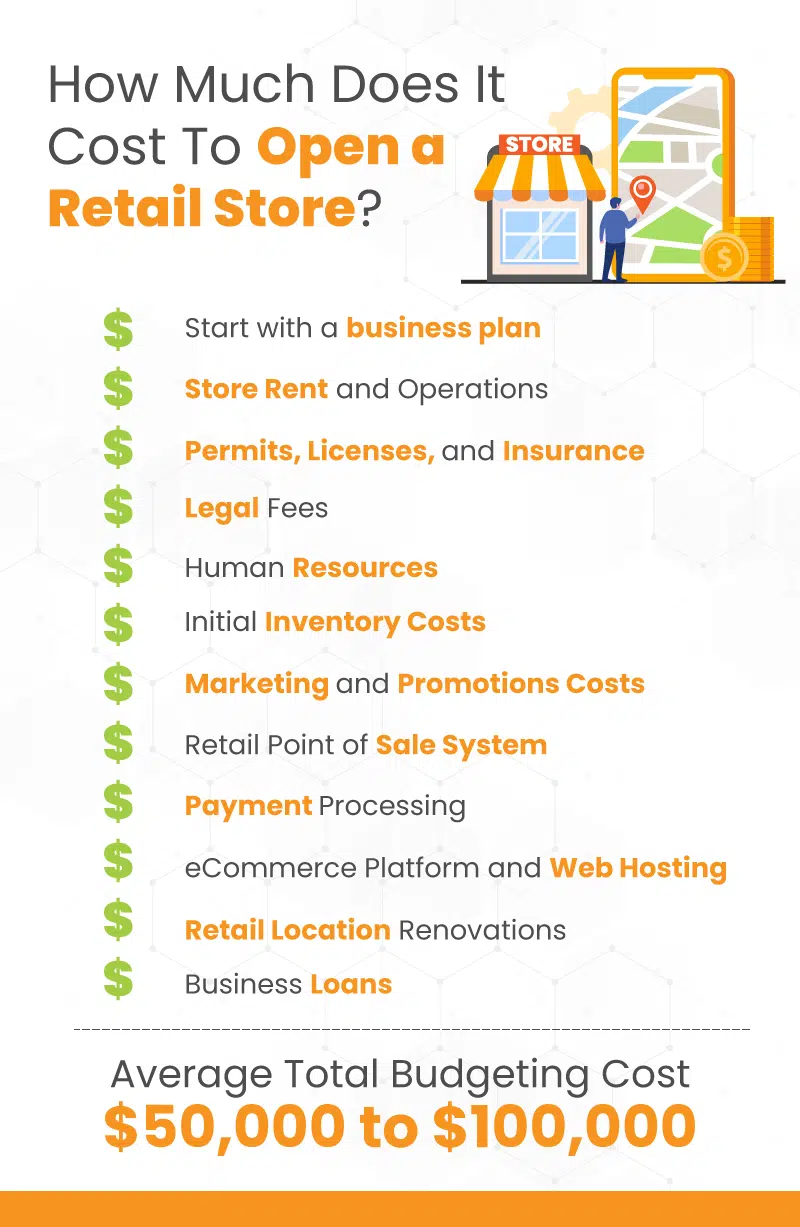
The Bootstrapper’s Blueprint: Starting with Zero Inventory Costs
The largest financial hurdle for any retail business is inventory. Purchasing products upfront ties up capital in items that may or may not sell. To open a store with no money, you must bypass the traditional wholesale-to-retail model in favor of strategies that require zero initial outlay.
The Power of Consignment Models
One of the oldest and most effective ways to stock a retail space without spending a dime is through consignment. In this model, you partner with local artisans, creators, or even people looking to sell high-end pre-owned goods. You provide the “storefront”—whether digital or a physical pop-up space—and they provide the products. You only pay the supplier after the item has been sold to a customer, keeping a percentage of the sale as your profit. This eliminates the risk of “dead stock” and ensures your cash flow remains positive from day one.
Dropshipping and Print-on-Demand
In the digital retail space, dropshipping and print-on-demand (POD) are the gold standards for zero-cost entry. With dropshipping, you act as the middleman between a manufacturer and a consumer. When a customer buys from your online store, the order is sent directly to the supplier, who then ships it to the customer. You never touch the product, and you never pay for it until the customer has already paid you. Similarly, POD services allow you to sell custom-designed apparel or home goods that are only manufactured the moment an order is placed.
Pre-Selling and “Made-to-Order” Strategies
If you have a unique product idea but no funds to manufacture it, pre-selling is your most viable financial tool. By creating a compelling prototype or a high-quality digital render, you can take orders before the product exists. The revenue generated from these pre-orders provides the capital needed to fund the initial production run. This “made-to-order” approach ensures that every dollar spent on inventory is already backed by a guaranteed sale.
Leveraging Digital Platforms to Eliminate Physical Overhead
A retail store no longer requires four walls and a roof. High rent and utility bills are the primary killers of new businesses. To start with no money, you must embrace the concept of “invisible retail” until you have the capital to expand.
Social Commerce as Your Primary Storefront
Platforms like Instagram, TikTok, and Facebook have evolved from social networks into robust retail ecosystems. By setting up a business profile, you can utilize built-in “Shop” features that allow customers to browse and buy without you ever needing to pay for a dedicated website host. These platforms offer free organic reach through short-form video content, allowing you to showcase your products to thousands of potential buyers without a marketing budget.
Utilizing Free E-commerce Tiers
While premium e-commerce platforms charge monthly fees, many offer free entry-level tiers or extended trial periods. Platforms like Big Cartel allow you to list a limited number of products for free, while others like Square offer “pay-per-sale” models where there is no monthly overhead—only a small transaction fee when you actually make money. By selecting these lean financial structures, you ensure that your fixed costs remain at zero.
The “Store-Within-a-Store” and Pop-Up Concepts
If your goal is a physical presence, avoid long-term commercial leases. Instead, look for “store-within-a-store” opportunities. Many established local businesses have unused floor space and are looking for ways to increase foot traffic or diversify their offerings. Propose a partnership where you set up a small display in their shop in exchange for a commission on sales. This gives you a physical location, electricity, and an existing customer base for zero upfront cost.
Strategic Funding: Sourcing Capital Without Traditional Debt

While you can start with zero dollars, eventually, you will need capital to scale. The key is to find “non-dilutive” or “non-debt” funding that doesn’t require you to have a high credit score or existing collateral.
Crowdfunding Your Retail Vision
Crowdfunding platforms like Kickstarter and Indiegogo are not just for tech gadgets; they are powerful tools for retail entrepreneurs. By pitching your brand story and offering “rewards” (which are essentially pre-ordered products), you can raise thousands of dollars in startup capital. This money can then be used to secure a physical location or manufacture a large inventory run. The beauty of crowdfunding is that it validates your market demand while providing the cash flow necessary to grow.
Micro-Grants and Small Business Competitions
Many local governments, non-profits, and corporations offer micro-grants to first-time entrepreneurs. These are “free money” in the sense that they do not need to be repaid. Look for grants specifically targeted at small retail businesses, minority-owned enterprises, or sustainable brands. Additionally, entering business pitch competitions can provide both cash prizes and mentorship, providing a financial cushion without the burden of a bank loan.
Bartering and Sweat Equity
In the early stages of a retail business, your time is your most valuable currency. You can “buy” professional services through bartering. Need a logo designed? Offer your product or your own skills (such as social media management) in exchange. Need a small space to sell for a weekend? Offer to clean or organize a warehouse in exchange for the use of a corner. By trading value instead of cash, you can acquire the professional assets needed to run a high-end retail operation.
Operational Leanliness: Keeping Expenses at Absolute Zero
The secret to surviving the first year of retail with no money is maintaining a radical focus on minimizing operational expenses. Every dollar that leaves the business is a dollar that could have been reinvested in growth.
Free Marketing and Organic Growth
Paid advertising is a luxury, not a necessity. To grow without a budget, you must master the art of organic marketing. Search Engine Optimization (SEO) for your online store, community engagement in niche forums, and the creation of viral-ready content are all free. Content marketing—writing blog posts or making videos that solve a customer’s problem—builds trust and drives traffic to your store for the cost of your time alone.
DIY Branding and Design
In the past, you would need to hire a graphic designer and a photographer to launch a brand. Today, tools like Canva offer robust design suites for free, and modern smartphone cameras are more than capable of producing professional-grade product photography. By taking a DIY approach to your brand’s visual identity, you save thousands of dollars in agency fees.
Negotiating “Pay-as-You-Go” Services
When you do need to use software or services, always look for the “pay-as-you-go” or “revenue share” models. Whether it’s payment processing, shipping software, or email marketing, choose vendors that only charge you when you have a transaction. This ensures that your expenses only rise in direct proportion to your income, protecting you from financial loss during slow months.
Scaling from Profit: The Transition to a Permanent Presence
The goal of starting with no money is not to stay at zero, but to use your initial profits to build a sustainable financial foundation. This is the “flywheel” effect: every cent of profit from your first few sales should be funneled back into the business.
Reinvesting for Inventory Ownership
Once you have proven your concept through dropshipping or consignment, use your accumulated profits to buy inventory in bulk. This increases your margins significantly, as wholesale pricing is always lower than individual unit fulfillment. Moving from a zero-cost model to an ownership model is the first step toward long-term financial stability in retail.
Building a Cash Reserve for a Physical Lease
If your ultimate goal is a traditional retail store, use your digital and pop-up successes to build a “lease fund.” Having six months of rent saved up before signing a contract is the only way to ensure your business survives the inevitable fluctuations of the retail cycle. By the time you move into a physical space, you should have a loyal customer base and a proven sales record, making the transition a calculated expansion rather than a financial gamble.
The Mindset of the Zero-Dollar Retailer
Opening a retail store with no money is an exercise in discipline. It forces you to focus on what truly matters: the product, the customer, and the sale. Without the “crutch” of a large budget, you are forced to innovate, to connect more deeply with your audience, and to build a business that is inherently efficient. In the long run, the lessons learned from bootstrapping will make you a more resilient and successful business owner than those who started with a full bank account.
aViewFromTheCave is a participant in the Amazon Services LLC Associates Program, an affiliate advertising program designed to provide a means for sites to earn advertising fees by advertising and linking to Amazon.com. Amazon, the Amazon logo, AmazonSupply, and the AmazonSupply logo are trademarks of Amazon.com, Inc. or its affiliates. As an Amazon Associate we earn affiliate commissions from qualifying purchases.