
Starting a business is often portrayed as a journey of passion and creative vision. While these elements are essential, the bedrock of any successful enterprise is a rigorous financial strategy. Opening a business is, at its core, a series of financial decisions that determine whether an idea becomes a sustainable reality or a cautionary tale. To transition from an aspiring founder to a business owner, one must navigate the complexities of capital allocation, tax structures, and cash flow management with precision. This guide explores the essential financial pillars required to launch a business and ensure its long-term viability in a competitive market.
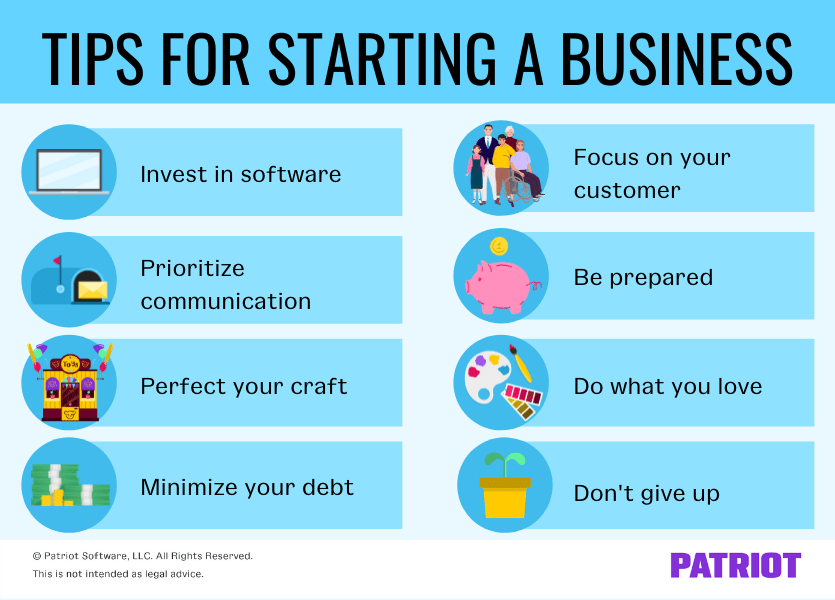
Laying the Financial Foundation: Capital Requirements and Initial Investment
The first step in opening a business is understanding exactly how much capital is required to get the doors open—and keep them open until the business becomes self-sustaining. Many entrepreneurs fail because they underestimate their “burn rate” or the amount of time it takes to reach a break-even point.
Estimating Startup Costs
Startup costs can be broadly categorized into fixed and variable expenses. Fixed costs include one-time requirements such as legal fees for incorporation, initial inventory, equipment, and security deposits for office or retail space. Variable costs, on the other hand, are the recurring expenses that keep the business running, such as utilities, marketing, and payroll.
A meticulous budget should include a “contingency fund”—typically 15% to 20% of the total estimated startup costs—to cover the inevitable unforeseen expenses that arise during the launch phase. Whether it is a delay in a supply chain or a sudden price hike in raw materials, having a financial buffer prevents the project from stalling before it begins.
Personal vs. External Funding
Before seeking outside investment, most founders look to personal savings, often referred to as “bootstrapping.” This approach allows for total control over the business but places personal assets at risk. If personal capital is insufficient, entrepreneurs must evaluate external sources. These may include “friends and family” rounds, small business loans, or crowdfunding.
When opting for external funding, it is crucial to understand the cost of capital. A high-interest loan can cripple a young business’s cash flow, while giving up too much equity to an investor can limit the founder’s future financial upside. The goal is to find a balance that provides enough runway to achieve profitability without over-leveraging the company’s future.
Navigating Legal and Tax Frameworks for Long-Term Viability
The legal structure of a business is not just a bureaucratic requirement; it is a fundamental financial decision that affects tax liabilities, personal protection, and the ability to raise capital.
Choosing the Right Business Structure
In the United States and many other jurisdictions, the choice of entity is the primary driver of how the business—and the owner—is taxed.
-
Sole Proprietorship: The simplest form, where the owner and business are the same legal entity. While easy to set up, it offers no protection for personal assets against business debts.
-
Limited Liability Company (LLC): A popular choice for small businesses, the LLC provides a “corporate veil” that protects personal assets from business liabilities while offering flexible “pass-through” taxation.
-
C-Corporation: Necessary for businesses looking to go public or seek significant venture capital. It allows for multiple classes of stock but is subject to double taxation on dividends.
-
S-Corporation: A tax designation for LLCs or corporations that meet specific criteria, allowing profits (and some losses) to be passed through directly to owners’ personal income tax returns without being subject to corporate tax rates.
Obtaining an EIN and Understanding Tax Obligations
Once the structure is defined, obtaining an Employer Identification Number (EIN) from the IRS is mandatory for most businesses. This number acts like a Social Security number for the business and is required to open a business bank account, hire employees, and file tax returns.
Entrepreneurs must also prepare for various tax categories: federal income tax, state income tax, self-employment tax, sales tax, and payroll tax. Failing to set aside funds for quarterly estimated tax payments is a common mistake that leads to significant penalties. A dedicated tax savings account, where a percentage of every dollar of revenue is automatically deposited, is a best practice for maintaining tax compliance.
Building a Scalable Banking and Cash Flow Management System

Operational efficiency starts with the way money is tracked and moved. Establishing a robust financial infrastructure from day one prevents the “commingling” of funds, which can lead to legal issues and accounting nightmares.
Separating Personal and Business Finances
The most critical rule of business finance is to maintain a strict separation between personal and business accounts. Opening a dedicated business checking account and a business credit card is essential. This separation is not only necessary for accurate bookkeeping but also reinforces the “corporate veil” of an LLC or corporation. If a business owner pays for personal groceries with a business account, a court may “pierce the veil,” making the owner personally liable for the company’s debts.
Managing Working Capital and Burn Rates
Cash flow is the lifeblood of a new business. It is entirely possible for a business to be profitable on paper while still going bankrupt because it lacks liquid cash to pay its bills. This is known as a “cash flow gap.”
To manage this, entrepreneurs must track their burn rate—the speed at which the company consumes its cash reserves before generating positive cash flow. Utilizing financial tools like QuickBooks, Xero, or FreshBooks allows for real-time monitoring of accounts receivable and accounts payable. By optimizing the “Cash Conversion Cycle”—the time it takes to turn an investment in inventory into cash from sales—a business can operate more leanly and survive periods of slow growth.
Funding Strategies: From Bootstrapping to Venture Capital
Every business requires a different injection of capital depending on its industry and growth goals. Choosing the right funding path is a strategic decision that impacts the company’s trajectory.
The Art of Bootstrapping
Bootstrapping involves growing a business using only existing resources and revenue. This method forces extreme financial discipline. It encourages founders to focus on immediate profitability rather than vanity metrics. While growth may be slower, the founder retains 100% ownership and avoids the pressure of meeting investor-driven milestones.
Accessing Loans and Lines of Credit
For businesses that require significant upfront investment in physical assets—like machinery or real estate—debt financing is often the most viable route. Small Business Administration (SBA) loans offer competitive rates for qualified entrepreneurs. Additionally, establishing a business line of credit early on is a proactive move. Even if the funds aren’t needed immediately, having access to credit provides a safety net for seasonal fluctuations or unexpected opportunities.
Venture Capital and Angel Investors
For high-growth tech startups or businesses with a massive scale potential, seeking equity investment from angel investors or venture capitalists (VCs) is common. This path involves trading a portion of the company for significant capital and expertise. However, this comes with the expectation of a “liquidity event” (an acquisition or IPO) within a specific timeframe, usually five to ten years.
Financial Planning for Sustainability and Growth
Opening a business is a sprint; keeping it open is a marathon. Long-term success requires shifting from a “launch mindset” to a “growth mindset,” which involves sophisticated financial planning and analysis.
Setting Realistic Revenue Projections
Projections should be based on market data and historical performance rather than optimism. A three-scenario model—conservative, moderate, and aggressive—helps a business prepare for different market conditions. By identifying Key Performance Indicators (KPIs) such as Customer Acquisition Cost (CAC) and Lifetime Value (LTV), an entrepreneur can determine if their business model is truly scalable. If it costs more to acquire a customer than that customer generates in profit, the business is fundamentally flawed and needs a pivot in its financial strategy.

Reinvesting Profits for Expansion
Once a business becomes profitable, the question becomes how to use that surplus. A common mistake is for owners to immediately increase their personal draw. Instead, a portion of the profits should be reinvested into the business to fuel growth. This could mean upgrading technology, hiring key talent, or expanding marketing efforts.
Furthermore, building a “business emergency fund” equivalent to six months of operating expenses provides the ultimate security. This fund ensures that the business can survive economic downturns, global supply chain disruptions, or shifts in consumer behavior without having to resort to layoffs or closure.
Opening a business is a significant financial undertaking that requires more than just a good idea. It requires a disciplined approach to capital, a deep understanding of legal and tax obligations, and a commitment to rigorous cash flow management. By building a strong financial foundation, choosing the right funding strategy, and planning for sustainable growth, entrepreneurs can turn their vision into a profitable and enduring enterprise. In the world of business, those who master the money are the ones who earn the right to stay in the game.
aViewFromTheCave is a participant in the Amazon Services LLC Associates Program, an affiliate advertising program designed to provide a means for sites to earn advertising fees by advertising and linking to Amazon.com. Amazon, the Amazon logo, AmazonSupply, and the AmazonSupply logo are trademarks of Amazon.com, Inc. or its affiliates. As an Amazon Associate we earn affiliate commissions from qualifying purchases.