
In the world of commerce, a handshake may signify trust, but a well-drafted business contract ensures financial security and operational clarity. A business contract is a legally binding agreement between two or more parties that outlines specific obligations, deliverables, and financial considerations. For entrepreneurs, freelancers, and corporate executives alike, understanding how to construct a robust contract is not merely a legal necessity; it is a critical component of risk management and financial planning. A poorly structured agreement can lead to revenue leakage, expensive litigation, and damaged professional reputations. Conversely, a meticulous contract acts as a roadmap for a successful partnership, ensuring that all parties are aligned on value exchange and liability.
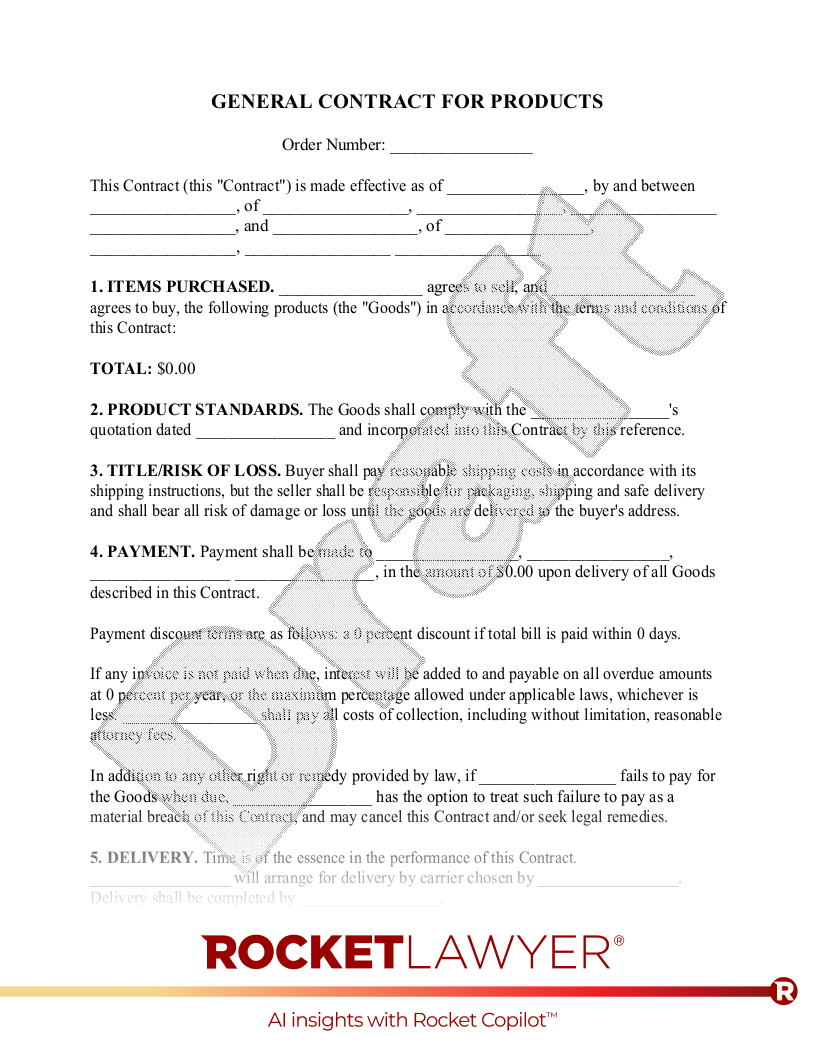
Establishing the Legal and Financial Foundation
The first step in creating a business contract is defining who is involved and what the overarching intent of the agreement is. From a financial perspective, identifying the correct legal entities is paramount. If you are contracting as a “Limited Liability Company” (LLC) or a “Corporation,” the contract must reflect that entity rather than your personal name. This distinction is vital for maintaining the “corporate veil,” which protects your personal assets from business liabilities.
Identifying the Parties
Every contract must clearly state the legal names of the parties involved. This includes the full registered name of the business, its state of incorporation, and its principal place of business. Inaccurate naming can render a contract difficult to enforce in a court of law, potentially jeopardizing your ability to collect payments or hold the other party accountable for breaches.
Mutual Assent and Consideration
For a contract to be valid under most legal frameworks, there must be “mutual assent”—an offer and an acceptance—and “consideration.” In financial terms, consideration is the value that each party provides. This is usually a payment of money in exchange for goods or services. Without clearly defined consideration, a document may be viewed as a gift or a non-binding letter of intent rather than a enforceable financial instrument.
The Recitals Section
Many professional contracts begin with “Recitals” or a “Whereas” section. While often overlooked, this section provides context regarding the business relationship. It outlines why the parties are entering the agreement, which can be invaluable if a judge or arbitrator needs to interpret the contract’s intent during a financial dispute.
Defining the Financial Exchange: Payment Terms and Deliverables
The core of any business contract is the “Scope of Work” and the corresponding “Payment Terms.” This is where the financial health of the deal is determined. Vague descriptions of services often lead to “scope creep,” where a client expects additional work without additional compensation, effectively eroding your profit margins.
Precise Scope of Work
Detail exactly what is being provided. If you are selling software, specify the features, the number of licenses, and the level of support included. If you are providing consulting services, list the specific deliverables and the timeline for completion. By explicitly stating what is included, you implicitly define what is excluded, allowing you to charge for out-of-scope requests.
Structured Payment Schedules
A robust business contract does not just state the total price; it defines how and when that money moves.
-
Upfront Deposits: Common in service-based industries to ensure cash flow and client commitment.
-
Milestone Payments: Payments tied to specific phases of a project, which mitigates the risk of non-payment for long-term engagements.
-
Net Terms: Whether payment is due immediately (Due on Receipt), in 15 days (Net-15), or 30 days (Net-30).
-
Late Fees: To protect your business from being an “interest-free lender” to your clients, include a clause for interest on overdue invoices. This encourages timely payment and compensates for the administrative cost of collections.
Reimbursable Expenses
Clearly outline which expenses are covered by the contract price and which will be billed back to the client. This includes travel, materials, or third-party software costs. Failing to define this can lead to unexpected overhead that eats into your bottom line.
Managing Risk and Protecting Financial Assets
Beyond the exchange of money for services, a contract serves as a shield against financial loss. Risk management clauses are the most scrutinized sections during legal reviews because they determine who pays when things go wrong.

Indemnification Clauses
Indemnification is a promise by one party to cover the losses or damages sustained by the other party under specific circumstances. For example, if a consultant provides advice that leads to a third-party lawsuit against the client, the consultant may be required to “indemnify” the client. From a financial standpoint, these clauses can be extremely high-stakes, as they involve potentially unlimited liability unless capped.
Limitation of Liability
Every business owner should seek to limit their financial exposure. A “Limitation of Liability” clause sets a ceiling on the amount one party has to pay the other in damages. Often, this is capped at the total amount of fees paid under the contract over the previous six to twelve months. Without this clause, a minor error could theoretically lead to a catastrophic financial claim that exceeds the value of the contract itself.
Confidentiality and Intellectual Property (IP)
In the modern economy, intellectual property is often a business’s most valuable financial asset. Your contract must clearly state who owns the IP created during the engagement.
-
Work for Hire: Often used by clients to ensure they own everything produced.
-
Licensing: Used by providers to retain ownership while granting the client the right to use the work.
Ensuring these rights are defined prevents future legal battles over the commercialization of assets. Additionally, “Non-Disclosure Agreements” (NDAs) embedded within the contract protect your trade secrets and proprietary financial data.
The Exit Strategy: Termination and Dispute Resolution
Relationships change, and business priorities shift. A contract must provide a clear “exit” that protects the financial interests of both parties should they choose to part ways before the project is complete.
Termination for Cause vs. Termination for Convenience
-
Termination for Cause: Allows a party to end the agreement immediately if the other party breaches a material term (e.g., failure to pay).
-
Termination for Convenience: Allows a party to end the agreement for any reason, usually with a notice period (e.g., 30 days).
From a financial perspective, termination clauses should outline how “pro-rated” payments are handled. If the contract ends mid-month, how much is owed?
Dispute Resolution Mechanisms
Litigation is a massive drain on corporate resources. To protect your finances, include a dispute resolution clause.
-
Mediation: A neutral third party helps negotiate a settlement.
-
Arbitration: A private judge makes a binding decision. This is often faster and more confidential than public court proceedings.
-
Choice of Law and Venue: This specifies which state’s laws apply and where the legal proceedings will happen. Forcing a dispute to be settled in your home jurisdiction can save significant travel and legal costs.
Force Majeure
This clause excuses a party from performing their obligations due to “acts of God” or unforeseen events beyond their control (e.g., natural disasters, pandemics). In the wake of global economic shifts, ensuring your contract accounts for these events prevents you from being held financially liable for circumstances you cannot influence.
Finalizing the Agreement: Execution and Maintenance
The final phase of making a business contract is the formal execution. Even the most brilliantly drafted document is useless if it isn’t signed correctly or if it sits in a drawer gathering dust while the business relationship evolves.
Signatures and Authority
Ensure that the person signing the contract has the “apparent authority” to bind the company. A signature from a junior employee might not be legally binding in a high-stakes financial dispute. In the digital age, electronic signatures (such as those via DocuSign or Adobe Sign) are generally as legally valid as wet-ink signatures, provided they comply with regulations like the ESIGN Act.
The Merger Clause
Also known as an “Entire Agreement” clause, this states that the written contract represents the complete and final agreement between the parties. It prevents someone from later claiming that a verbal promise made during a lunch meeting should be part of the deal. This is a critical financial safeguard, as it ensures the written price and terms are the only ones that matter.
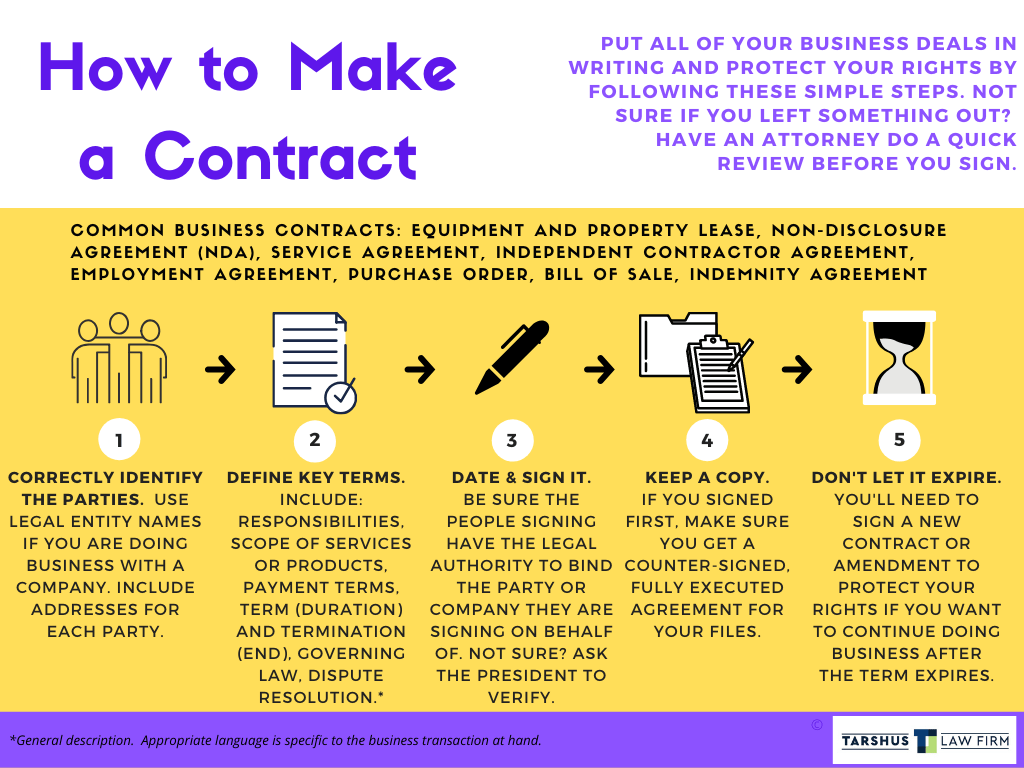
Ongoing Contract Management
A business contract is a living document. As project scopes change or market rates fluctuate, “Amendments” or “Addendums” should be drafted and signed to reflect these shifts. Regularly reviewing your contracts ensures that your financial protections remain robust and that your business operations stay aligned with your legal obligations.
By focusing on these structural and financial pillars, you can move beyond simple agreements and create professional instruments that drive growth, protect assets, and foster long-term commercial success. A well-made contract is not just about preventing conflict; it is about providing the stability necessary for businesses to invest, innovate, and thrive.
aViewFromTheCave is a participant in the Amazon Services LLC Associates Program, an affiliate advertising program designed to provide a means for sites to earn advertising fees by advertising and linking to Amazon.com. Amazon, the Amazon logo, AmazonSupply, and the AmazonSupply logo are trademarks of Amazon.com, Inc. or its affiliates. As an Amazon Associate we earn affiliate commissions from qualifying purchases.