
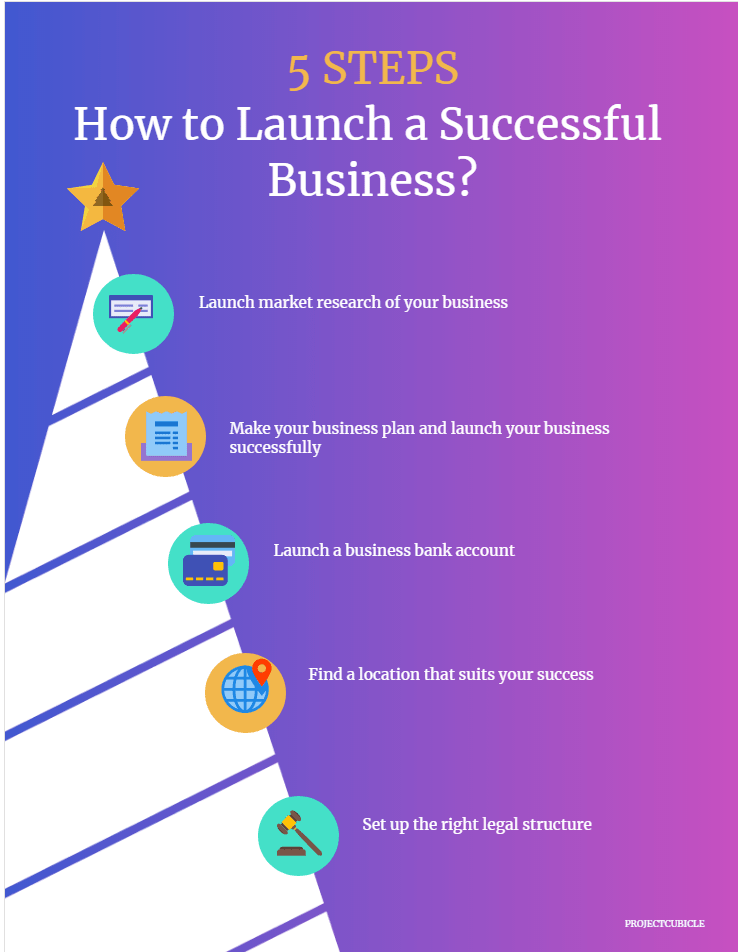
Launching a business is one of the most significant financial undertakings an individual can pursue. While the creative spark and the drive to solve a market problem are essential, the difference between a fleeting project and a sustainable enterprise lies in the mastery of business finance. A successful launch is not merely an act of marketing or product development; it is the strategic orchestration of capital, cash flow management, and revenue engineering. To navigate the complexities of the modern marketplace, entrepreneurs must view their venture through a financial lens from day one.
Establishing the Economic Foundation: Capital Structure and Initial Funding
The first hurdle every founder faces is the “capital gap.” Before a single dollar of revenue is earned, there are costs associated with legal formation, product development, and market positioning. Determining how to fund these initial steps is a critical decision that dictates the trajectory of the business and the level of control the founder retains.
Bootstrapping: The Art of Self-Funded Growth
Bootstrapping is the process of starting a company using personal savings and the initial revenue generated by the business. This approach is highly regarded in the financial community because it forces a lean operational style. When you are spending your own money, every dollar is scrutinized for its Return on Investment (ROI). The primary advantage of bootstrapping is the retention of 100% equity. Without outside investors, the founder has total autonomy over the direction of the brand and the distribution of future profits. However, the risk is entirely personal, and the speed of growth is often limited by the available cash on hand.
Seeking External Capital: Venture Capital and Angel Investment
For businesses that require significant upfront research and development (R&D) or rapid scaling to capture a market, external equity financing is often necessary. Angel investors—typically high-net-worth individuals—provide seed capital in exchange for convertible debt or ownership equity. Venture Capital (VC) firms, on the other hand, manage pooled money from institutional investors to back high-growth startups. While this path provides the “dry powder” needed to dominate a sector quickly, it comes at the cost of dilution. Founders must weigh the benefits of a smaller piece of a potentially massive pie against the autonomy of a bootstrapped venture.
Strategic Debt: Leveraging Loans and Credit Lines
Debt financing allows a business to maintain full ownership while accessing capital for growth. Small Business Administration (SBA) loans, traditional bank loans, and business lines of credit are standard tools for established industries with tangible assets. The key to successful debt utilization is the “Cost of Capital” vs. “Return on Assets.” If a business can borrow at 8% interest and deploy that capital into inventory or equipment that yields a 20% return, the debt becomes a powerful tool for wealth creation. However, over-leveraging can lead to insolvency if cash flow fluctuates, making debt a strategy best suited for businesses with predictable revenue models.
Engineering a Sustainable Revenue Model
A business is, at its core, a machine that converts capital and labor into profit. Without a clearly defined revenue model, even the most innovative products will fail. Launching a business requires a deep dive into how value is exchanged for currency and how that exchange can be optimized for long-term stability.
Identifying Your Primary Income Streams
Many modern businesses fail because they rely on a single, fragile income stream. A robust launch strategy identifies multiple avenues for monetization. For example, a service-based business might offer tiered packages: a high-margin “done-for-you” service, a medium-priced “done-with-you” consulting model, and a low-cost “do-it-yourself” digital product. By diversifying income streams, the business creates a financial buffer against market shifts and increases the “Lifetime Value” (LTV) of each customer.
Pricing for Profit: Balancing Market Entry with Margins
One of the most common mistakes in launching a business is underpricing. While low prices can lower the barrier to entry, they often signal low value and leave no room for error in the operational budget. To price effectively, founders must understand their Gross Margin—the difference between the revenue and the Direct Costs (COGS) of providing the product. A healthy margin allows for reinvestment into marketing and talent. Strategic pricing should account for the psychological perception of the brand while ensuring that the “Break-Even Point” is achievable within a reasonable timeframe.
The Power of Recurring Revenue
The most valuable businesses in the current economy are those with predictable, recurring revenue. Subscription models, retainers, and membership platforms allow for accurate financial forecasting. When you start each month with a baseline of committed revenue, you can make more aggressive and confident investments in growth. During the launch phase, prioritizing “stickiness” and recurring billing can significantly increase the valuation of the company should you ever choose to seek investment or sell the entity.
Mastering Cash Flow Management and Operational Leanliness

Profit is an accounting metric, but cash is the lifeblood of the business. Many profitable companies go bankrupt because their cash is tied up in accounts receivable or inventory while their bills remain due. Launching a business requires a disciplined approach to managing the movement of money in and out of the company.
Understanding Your Burn Rate
In the early stages of a launch, the “burn rate”—the rate at which a company spends its capital before reaching positive cash flow—is the most critical metric to monitor. Founders must calculate their “runway,” which is the total amount of cash divided by the monthly net loss. Extending this runway is done through “lean methodology”: minimizing fixed costs (like expensive office leases) in favor of variable costs that scale with revenue.
Optimizing Working Capital and Accounts Receivable
Working capital management is the art of balancing what you owe (liabilities) with what you are owed (assets). To maintain liquidity during a launch, it is essential to shorten the “Cash Conversion Cycle.” This means invoicing clients immediately, offering discounts for early payments, and negotiating longer payment terms with suppliers. Every day that a dollar stays in your bank account instead of a client’s account is a day that dollar can be earning interest or funding operations.
Implementing Modern Financial Tech Stacks
The modern entrepreneur has access to a suite of financial tools that were once reserved for large corporations. Cloud-based accounting software like QuickBooks or Xero provides real-time visibility into the balance sheet. Expense management tools like Brex or Ramp allow for granular control over team spending. Implementing these tools during the launch phase ensures that the business is “audit-ready” and that data-driven decisions replace guesswork. Financial transparency is not just for tax compliance; it is a competitive advantage.
Navigating Tax Efficiency and Business Structuring
How a business is structured legally has profound implications for its tax liability and the personal financial safety of the founders. Choosing the wrong entity at launch can result in thousands of dollars in unnecessary taxes and legal exposure.
Choosing the Right Entity for Tax Optimization
The choice between an LLC, an S-Corp, or a C-Corp is primarily a financial decision. A Sole Proprietorship or a simple LLC offers “pass-through” taxation, where business income is taxed at the individual’s rate. However, as the business grows, an S-Corp election can save the founder significant amounts in self-employment taxes by allowing them to pay themselves a “reasonable salary” and take the remaining profit as a distribution. For those planning to raise venture capital or eventually go public, a C-Corp is often the standard due to its ability to issue different classes of stock and its favorable treatment under Section 1202 (Qualified Small Business Stock), which can potentially eliminate capital gains taxes upon exit.
Capitalizing on Business Deductions and Credits
The tax code is often a roadmap of what the government wants entrepreneurs to do. By understanding available tax credits—such as the R&D tax credit for innovation or specialized deductions for home offices and equipment (Section 179)—a business can significantly reduce its effective tax rate. During the launch phase, keeping meticulous records of every startup cost is vital, as these expenses can often be amortized or deducted to offset future profits, preserving cash for growth.
Building Value for the Long Term: Scaling and Exit Planning
A business should be built with the end in mind. Whether the goal is to pass it down to the next generation, sell it to a competitor, or take it public, the focus must be on building equity and long-term value.
Focusing on EBITDA and Valuation Multiples
Professional investors and buyers value businesses based on a multiple of their EBITDA (Earnings Before Interest, Taxes, Depreciation, and Amortization). To launch a business that is truly an asset, the founder must move away from “owner-dependent” income and toward “system-dependent” profit. A business that can operate without the founder’s daily involvement commands a much higher multiple in the marketplace because it represents a lower risk to the buyer.
Reinvesting Profits vs. Taking Distributions
In the growth phase following a launch, the founder faces a choice: take the profit as personal income or reinvest it into the company. The concept of “compounding” applies to business growth just as it does to the stock market. Reinvesting in high-ROI areas—such as customer acquisition, talent, or proprietary technology—can lead to exponential growth in the business’s valuation. Successful entrepreneurs often live lean in the early years, viewing their company as a high-yield investment vehicle that will provide far greater returns than traditional asset classes over time.
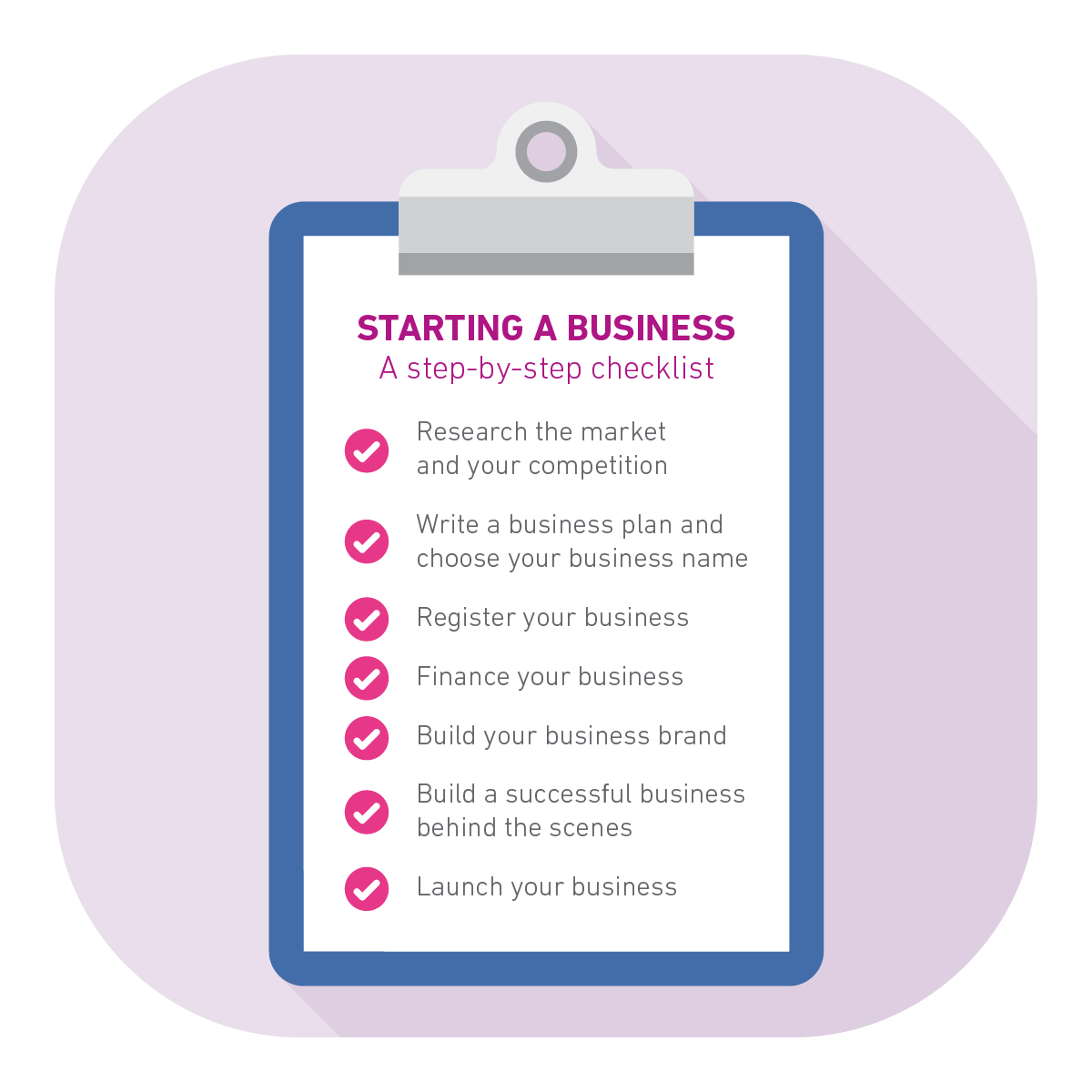
Launching a business is a sophisticated financial maneuver. By focusing on capital structure, revenue engineering, cash flow mastery, and tax strategy, an entrepreneur transforms a simple idea into a powerful engine for wealth creation. The path is demanding, but for those who respect the mechanics of money, the rewards of business ownership are unparalleled.
aViewFromTheCave is a participant in the Amazon Services LLC Associates Program, an affiliate advertising program designed to provide a means for sites to earn advertising fees by advertising and linking to Amazon.com. Amazon, the Amazon logo, AmazonSupply, and the AmazonSupply logo are trademarks of Amazon.com, Inc. or its affiliates. As an Amazon Associate we earn affiliate commissions from qualifying purchases.