
Securing capital is often the most significant hurdle for small business owners looking to scale, pivot, or launch a new venture. While traditional commercial loans exist, they often come with stringent requirements and high interest rates that can stifle a growing company’s cash flow. This is where the U.S. Small Business Administration (SBA) steps in. An SBA loan is not a direct loan from the government; rather, it is a government-guaranteed loan issued by private lenders, such as banks and credit unions. By reducing the risk for the lender, the SBA enables small businesses to access funding with lower down payments, longer repayment terms, and competitive interest rates.
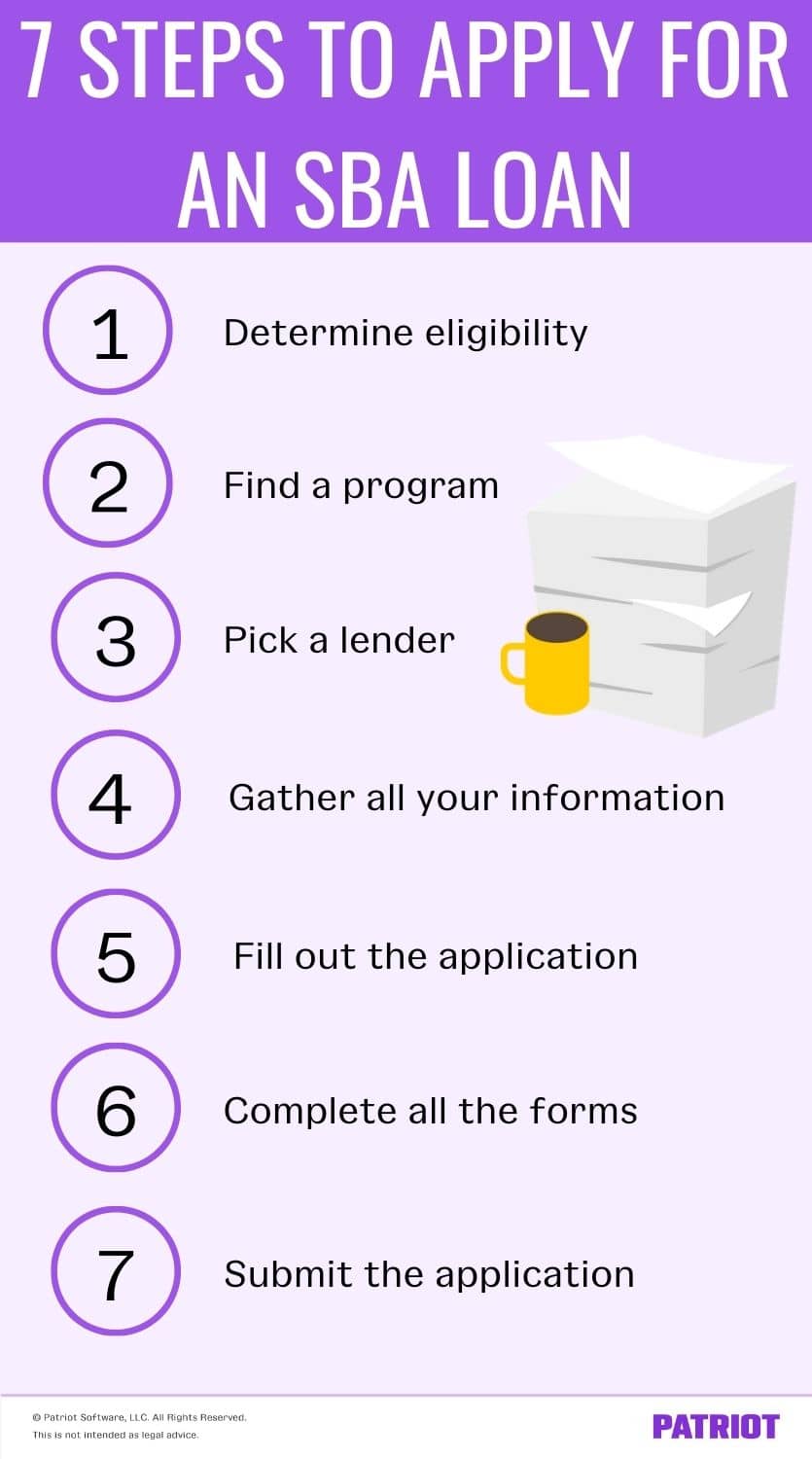
Getting an SBA loan is a rigorous process that requires meticulous preparation, financial transparency, and a clear strategic vision. This guide outlines the essential steps and strategies to successfully navigate the SBA loan landscape and secure the financing your business needs.
Navigating the Core SBA Loan Programs
Before beginning the application process, it is critical to identify which SBA product aligns with your specific financial needs. The SBA offers several programs, each designed for a different stage of business growth or type of expenditure.
The 7(a) Loan Program: The Versatile Choice
The 7(a) loan is the SBA’s primary and most popular program. It provides up to $5 million in funding and is highly flexible. Business owners typically use 7(a) loans for working capital, purchasing inventory, refinancing high-interest debt, or acquiring furniture and fixtures. Because of its versatility, it is often the first choice for general business expansion. The terms can extend up to 10 years for working capital and 25 years for real estate, making the monthly payments more manageable than most conventional commercial loans.
The 504 Loan Program: Real Estate and Fixed Assets
If your goal is to purchase land, construct new facilities, or buy long-term machinery, the 504 Loan Program is the ideal vehicle. This program is structured differently than the 7(a). It involves a partnership between a lender (usually a bank) and a Certified Development Company (CDC). The bank typically covers 50% of the project cost, the CDC covers 40% through an SBA-guaranteed debenture, and the business owner contributes a 10% down payment. This low down payment is a major advantage for businesses that want to preserve cash for operations while owning their real estate.
SBA Microloans: Support for Startups and Underserved Markets
For entrepreneurs needing smaller amounts of capital—up to $50,000—the Microloan program is an excellent entry point. These loans are distributed through nonprofit community-based organizations. Microloans are particularly beneficial for startups, newly established businesses, and those in underserved communities that might not yet qualify for a large-scale bank loan. The funds can be used for inventory, supplies, furniture, and working capital, but they cannot be used to pay existing debts or purchase real estate.
Eligibility and Pre-Qualification Standards
The SBA maintains strict eligibility criteria to ensure that the “guarantee” is applied to viable businesses that have the capacity to repay the debt. Understanding these standards before approaching a lender can save months of wasted effort.
Personal and Business Credit Scores
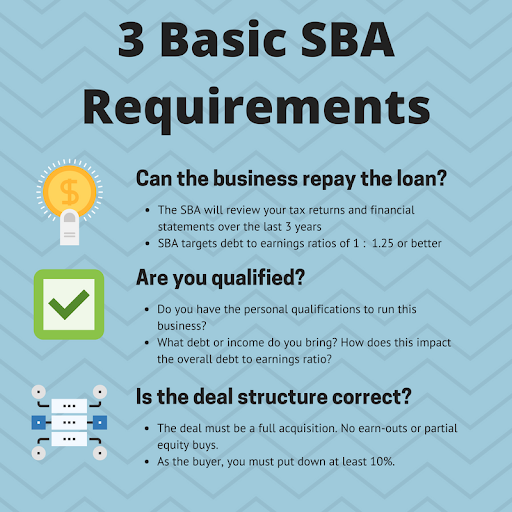
Lenders will scrutinize both your personal credit history and your business credit score. For most SBA 7(a) loans, a personal credit score of 680 or higher is generally expected. Furthermore, the SBA uses a specialized scoring system known as the FICO Small Business Scoring Service (SBSS). This score aggregates data from personal credit bureaus and business credit agencies to determine the likelihood of timely repayment. A score of 155 or higher is often required to pass the initial automated screening for 7(a) loans under $350,000.
Time in Business and Revenue Requirements
While some SBA programs are open to startups, most lenders prefer businesses that have been operational for at least two years. You must demonstrate consistent revenue and, more importantly, profitability. Lenders look at the Debt Service Coverage Ratio (DSCR), which measures your business’s ability to cover its debt obligations with its net operating income. A DSCR of 1.25 or higher is typically the benchmark for approval.
The “Credit Elsewhere” Test
One unique aspect of SBA loans is the “Credit Elsewhere” rule. The SBA is intended to help businesses that cannot obtain “conventional” financing on reasonable terms. If your business is exceptionally liquid or has a massive amount of unencumbered collateral that would easily qualify you for a standard bank loan without a government guarantee, you might actually be disqualified from SBA assistance. You must demonstrate that the SBA guarantee is necessary for you to obtain the loan terms you need.
The Documentation and Application Lifecycle
The SBA application is document-intensive. Success depends on your ability to present a professional, organized, and data-driven package to the lender.
Comprehensive Financial Statements
You will need to provide at least three years of business and personal tax returns. In addition to tax filings, you must produce current interim financial statements, including a Profit and Loss (P&L) statement and a Balance Sheet dated within the last 90 days. Lenders also require a one-year projection of income and finances, along with a detailed explanation of how you reached those figures. These projections are vital because they show the lender exactly how the loan will generate the cash flow necessary for repayment.
The Power of the Business Plan
A common mistake is treating the business plan as an afterthought. For an SBA loan, the business plan should be a sophisticated roadmap. It must include an industry analysis, a description of the management team’s experience, a marketing strategy, and a clear “Use of Proceeds” section. The “Use of Proceeds” tells the lender exactly where every dollar will go—whether it’s $200,000 for equipment or $50,000 for a new marketing hire.
Specialized SBA Forms
There are specific forms required by the government that must be filled out with absolute accuracy. SBA Form 1919 (Borrower Information Form) is mandatory for all 7(a) loans. Additionally, SBA Form 413 (Personal Financial Statement) is required for each owner with a 20% or greater stake in the company. These forms track your personal assets, liabilities, and any legal history that might impact your eligibility.
Selecting the Right Lender and Navigating Approval
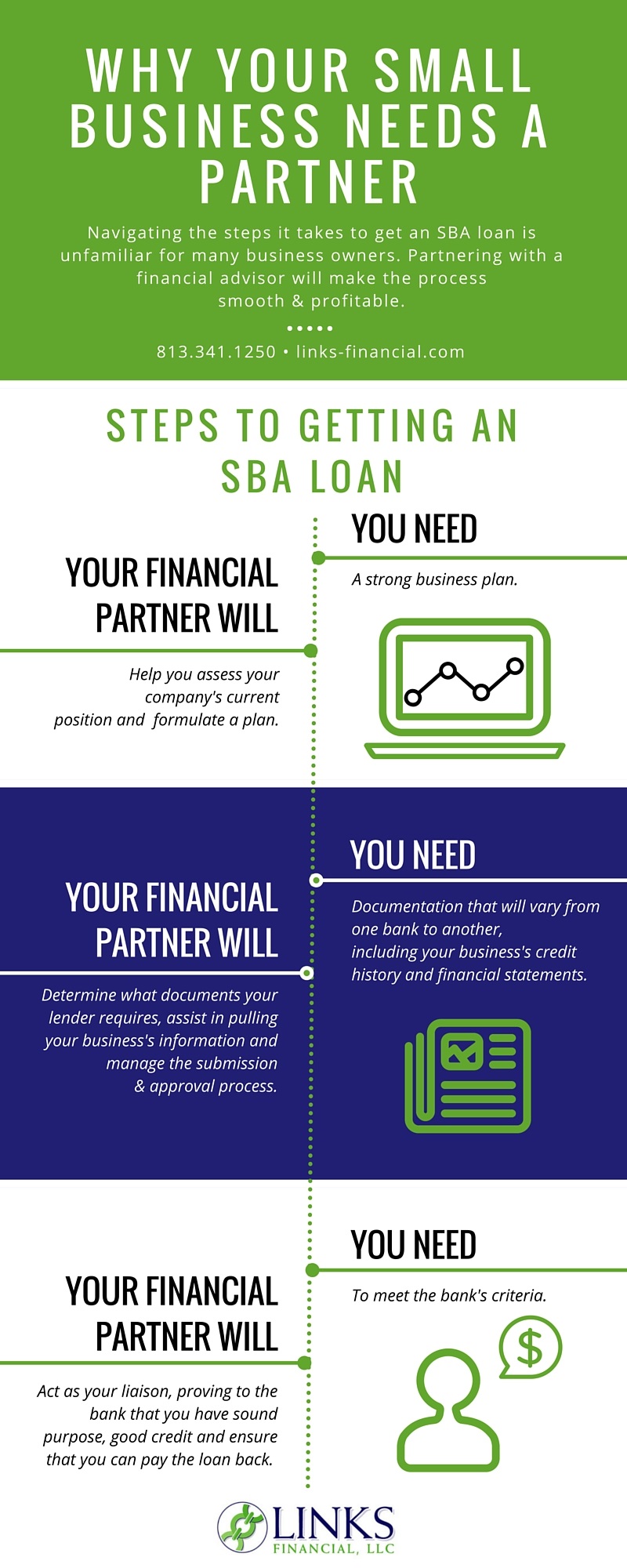
Not all lenders are created equal when it comes to the SBA. Finding the right partner is just as important as having the right financials.
Preferred Lenders Program (PLP)
When searching for a bank, look for those with “Preferred Lender” status. Lenders in the PLP have been granted delegated authority by the SBA to make the final credit decision. This significantly speeds up the process. A non-preferred lender must send your entire application package to the SBA for review, which can add weeks or even months to the timeline. PLP lenders have a deep understanding of SBA regulations and can often navigate complex files more efficiently.
The Underwriting and Closing Phase
Once you submit your package, it enters the underwriting phase. The lender’s credit department will verify your information, perform background checks, and order appraisals for any collateral. During this time, they may issue “conditions”—requests for more information or clarification on specific line items in your financials. Respond to these requests immediately. Once the loan is “Clear to Close,” you will enter the final phase where legal documents are signed, fees are paid, and funds are disbursed. Be prepared for closing costs, which include SBA guarantee fees, attorney fees, and appraisal costs. These can often be rolled into the loan amount to minimize out-of-pocket expenses.
Maximizing Your Chances of Success
The path to an SBA loan is often a marathon, not a sprint. To ensure you cross the finish line, focus on these strategic elements:
-
Transparency is Key: Never attempt to hide financial setbacks or previous credit issues. The SBA’s background checks are thorough. It is far better to provide a “Letter of Explanation” detailing how you resolved a past issue than to have the lender discover it during underwriting.
-
Demonstrate Management Depth: Lenders aren’t just betting on your business model; they are betting on you. Highlight the experience of your leadership team. If you are entering a new industry, show that you have hired consultants or managers with the requisite expertise.
-
Maintain Your Collateral: While the SBA has “collateral-blind” policies for certain smaller loans, for larger amounts, the lender will look to secure the loan with business assets and, often, a personal residence if business equity is insufficient. Ensure your assets are well-documented and their values are supported by recent evidence.
Securing an SBA loan is a transformative milestone for any small business. By leveraging the government’s guarantee, you gain access to the kind of long-term, low-cost capital that provides the stability needed for true innovation and growth. With meticulous preparation and the right lending partner, the “how” of getting an SBA loan becomes a clear, achievable path toward your company’s financial future.
aViewFromTheCave is a participant in the Amazon Services LLC Associates Program, an affiliate advertising program designed to provide a means for sites to earn advertising fees by advertising and linking to Amazon.com. Amazon, the Amazon logo, AmazonSupply, and the AmazonSupply logo are trademarks of Amazon.com, Inc. or its affiliates. As an Amazon Associate we earn affiliate commissions from qualifying purchases.