
In the modern business landscape, a sales strategy is far more than a simple set of tactics for closing deals; it is a comprehensive financial roadmap designed to maximize revenue, optimize resource allocation, and ensure long-term profitability. For any organization, from a burgeoning side hustle to an established enterprise, the ability to convert market interest into liquid capital is the primary determinant of survival and growth. A well-constructed sales strategy aligns your product offering with the financial realities of your target market, ensuring that every dollar spent on customer acquisition returns a significant dividend.

The Financial Framework: Setting Revenue Targets and Market Positioning
The foundation of any robust sales strategy begins with clear financial objectives. Without a specific destination, a sales team is merely “busy” rather than productive. Creating a strategy starts with a deep dive into your financial goals for the quarter, the year, and the three-year horizon. This requires a forensic look at your historical data—if it exists—or a rigorous projection based on market benchmarks if you are launching a new venture.
Establishing Key Performance Indicators (KPIs)
To manage what you measure, you must identify the financial metrics that matter. Beyond gross sales, a sophisticated strategy looks at the Average Contract Value (ACV), the length of the sales cycle, and the Profit Margin per Lead. Setting a goal of “increasing sales” is ineffective; setting a goal of “increasing high-margin software-as-a-service (SaaS) renewals by 15% while maintaining a Customer Acquisition Cost (CAC) under $200” provides the clarity needed for tactical execution.
Defining Your Ideal Customer Profile (ICP) from a Profitability Lens
Not all customers are created equal. From a financial perspective, the “best” customer is not necessarily the one who spends the most, but the one who offers the highest Lifetime Value (LTV) relative to the cost of acquiring them. Your sales strategy must define an Ideal Customer Profile (ICP) based on financial viability. Analyze which segments of your market have the shortest closing times and the lowest churn rates. By focusing your sales efforts on these high-ROI segments, you prevent the “leaky bucket” syndrome where revenue is lost as quickly as it is earned.
Optimizing the Sales Funnel for Maximum ROI
Once the financial targets are set, the strategy must dictate how leads move through the sales pipeline. Every stage of the sales funnel represents a financial investment. Inefficient funnels waste marketing capital and sales labor, leading to a high CAC that can stifle a business’s cash flow.
Lead Generation and Financial Qualification
The first step in funnel optimization is ensuring that the leads entering the system are worth the time of your sales force. A rigorous qualification process—often using frameworks like BANT (Budget, Authority, Need, and Timeline)—is essential. From a money management perspective, spending hours pitching to a prospect who lacks the budget or the authority to sign a check is a direct hit to your bottom line. Your strategy should prioritize “Qualified Leads” over “Total Leads,” emphasizing the financial health of the pipeline over its sheer volume.
Streamlining the Conversion Path
The transition from a “Prospect” to a “Customer” should be as frictionless as possible. Bottlenecks in the sales process—such as overly complex contract negotiations, lack of transparent pricing, or slow response times—increase the “Time-to-Revenue.” A successful sales strategy identifies these friction points and implements solutions to accelerate the velocity of the funnel. This might involve pre-approved pricing tiers or automated follow-up sequences that keep the prospect engaged without requiring constant manual intervention from a high-paid sales executive.
Balancing Customer Acquisition Cost (CAC) and Lifetime Value (LTV)
The most critical ratio in business finance is LTV:CAC. A healthy sales strategy aims for a ratio of at least 3:1, meaning the lifetime value of a customer is three times the cost of acquiring them. If your strategy focuses only on closing the deal today without considering the long-term service costs or the potential for upsells, you are ignoring the most significant drivers of wealth in a business. Your sales strategy should include specific protocols for account management and cross-selling to ensure that once a customer is acquired, their financial contribution to the company grows over time.
Leveraging Sales Technology and Data Analytics

In the digital age, a sales strategy that relies on intuition rather than data is a financial liability. The “Money” aspect of sales is increasingly found in the granular details of data analytics. Implementing the right technology stack allows a business to predict revenue with accuracy and identify where capital is being misallocated.
The Role of CRM in Financial Forecasting
A Customer Relationship Management (CRM) system is the central ledger of your sales activities. It provides the visibility needed to create accurate financial forecasts. By tracking the probability of closure for every deal in the pipeline, a sales manager can predict cash flow for the coming months. This allows the business to make informed decisions regarding hiring, inventory purchasing, and R&D investment. A sales strategy must mandate the disciplined use of a CRM to ensure the data remains a reliable asset for the finance department.
Automating the Mundane to Protect Margins
Sales professionals are among the most expensive assets in a company. Asking them to spend hours on manual data entry or basic administrative tasks is a poor use of corporate capital. An effective strategy integrates automation tools—such as AI-driven lead scoring, automated email sequencing, and digital signature platforms—to free up sales reps to focus on high-value activities: building relationships and closing complex deals. This shift increases the “Revenue per Employee,” a key metric for investors and business owners.
Strategic Pricing and Compensation Modeling
How you price your product and how you pay your salespeople are the two most powerful levers in your sales strategy. Both have a direct impact on the company’s net profit and its ability to scale.
Value-Based Pricing vs. Market-Penetration Pricing
Your sales strategy must define your pricing philosophy. Are you competing on volume (low margins, high volume) or value (high margins, lower volume)? Value-based pricing requires a sales team trained to articulate the ROI of the product rather than just its features. This approach protects your margins and positions your brand as a premium offering, which is often more sustainable from a financial standpoint than engaging in a “race to the bottom” on price.
Incentive Structures for Sustainable Growth
The way you compensate your sales team will dictate their behavior. A commission structure that rewards only the total contract value may lead reps to ignore the long-term health of the client or to offer excessive discounts just to hit a number. A more sophisticated “Money-focused” strategy might tie commissions to the gross margin of the deal or provide bonuses for multi-year contracts and low-churn accounts. By aligning the sales team’s financial incentives with the company’s financial goals, you ensure that everyone is working toward the same bottom-line result.
Risk Mitigation and Financial Pivot Strategies
No market is static. A sales strategy that works in a period of economic expansion may fail during a contraction. Part of creating a professional sales strategy is building in contingencies to protect the company’s revenue during market shifts.
Diversifying the Revenue Stream
Relying on a single large client or a specific niche market is a significant financial risk. A strategic sales plan actively seeks to diversify the customer base across different industries, geographies, or company sizes. This “portfolio approach” to sales ensures that if one sector of the economy dips, the business has other revenue streams to maintain liquidity.
Monitoring Churn and Revenue Retention
Revenue growth is the result of New Business + Expansion – Churn. Many strategies focus exclusively on the “New Business” element, but from a financial perspective, it is often five to ten times cheaper to retain an existing customer than to acquire a new one. Your strategy must include a dedicated focus on “Net Revenue Retention.” This involves monitoring the financial health of your current clients and proactively intervening when indicators suggest a risk of cancellation. By stabilizing the base, you provide a solid financial foundation upon which new growth can be built.
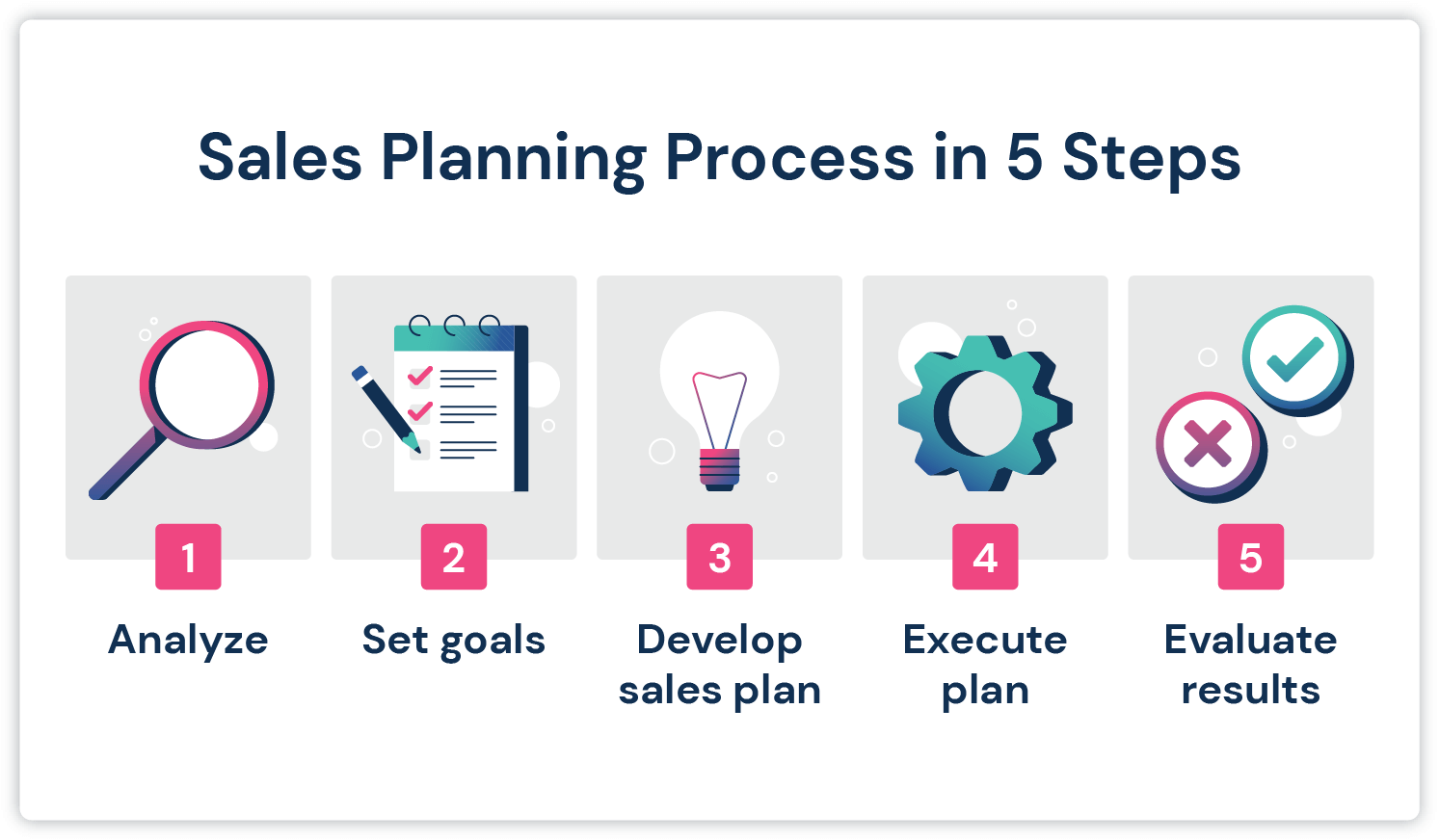
The Iterative Loop of Sales Strategy
Finally, a sales strategy is not a static document. It is a living financial instrument. It requires monthly or quarterly reviews where the actual performance is measured against the forecasted goals. If the “Win Rate” is dropping or the “Sales Cycle” is lengthening, the strategy must be adjusted. This might involve retraining the team, shifting the target market, or adjusting the pricing model. In the world of business finance, agility is a form of risk management.
Creating a sales strategy is an exercise in financial engineering. By meticulously planning your market approach, optimizing your funnel for ROI, leveraging data, and aligning incentives, you transform sales from a chaotic activity into a predictable engine of wealth creation. This structured approach ensures that every sales interaction contributes to the overall financial stability and growth of the organization.
aViewFromTheCave is a participant in the Amazon Services LLC Associates Program, an affiliate advertising program designed to provide a means for sites to earn advertising fees by advertising and linking to Amazon.com. Amazon, the Amazon logo, AmazonSupply, and the AmazonSupply logo are trademarks of Amazon.com, Inc. or its affiliates. As an Amazon Associate we earn affiliate commissions from qualifying purchases.