
The world of healthcare is in constant flux, driven by technological advancements, evolving patient needs, and shifting professional roles. Within nursing, one designation that has significantly risen in prominence is the Advanced Practice Registered Nurse (APRN). But what exactly does it mean to be an APRN? For those seeking to understand the modern healthcare landscape, particularly through the lenses of technology, strategic branding, and financial empowerment, grasping the APRN role is crucial. This article will delve into the multifaceted nature of APRNs, exploring their expanded scope of practice, the technological tools they leverage, how they build their professional brand, and the financial opportunities and considerations associated with this advanced career path.
The Evolution and Scope of APRN Practice
The journey of nursing has always been one of continuous growth and adaptation. From the foundational roles of registered nurses (RNs), the profession has branched out to encompass specialized skills and expanded responsibilities. APRNs represent the pinnacle of this evolution, operating at a higher level of autonomy and expertise.
Beyond the Traditional RN Role: What Sets APRNs Apart?
At its core, an APRN is a registered nurse who has obtained advanced education and clinical training, typically at the master’s or doctoral level. This advanced education equips them with a broader knowledge base and enhanced clinical skills, allowing them to diagnose and treat illnesses, prescribe medications, and manage patient care with a greater degree of independence than a traditional RN. The specific scope of practice for an APRN can vary by state and specialty, but generally includes:
- Diagnosis and Treatment: APRNs can assess patients, diagnose conditions, and develop treatment plans, often managing chronic diseases and acute illnesses.
- Prescribing Medications: Depending on state regulations, APRNs can prescribe a wide range of medications, including controlled substances.
- Ordering and Interpreting Diagnostic Tests: They have the authority to order and interpret laboratory tests, imaging studies, and other diagnostic procedures.
- Performing Procedures: Many APRNs are trained to perform minor surgical procedures, wound care, and other interventions.
- Patient Education and Counseling: A significant aspect of their role involves educating patients and families about health conditions, treatment options, and preventive care.
- Referral and Collaboration: APRNs work collaboratively with physicians and other healthcare professionals, referring patients to specialists when necessary.
The Diverse World of APRN Specialties
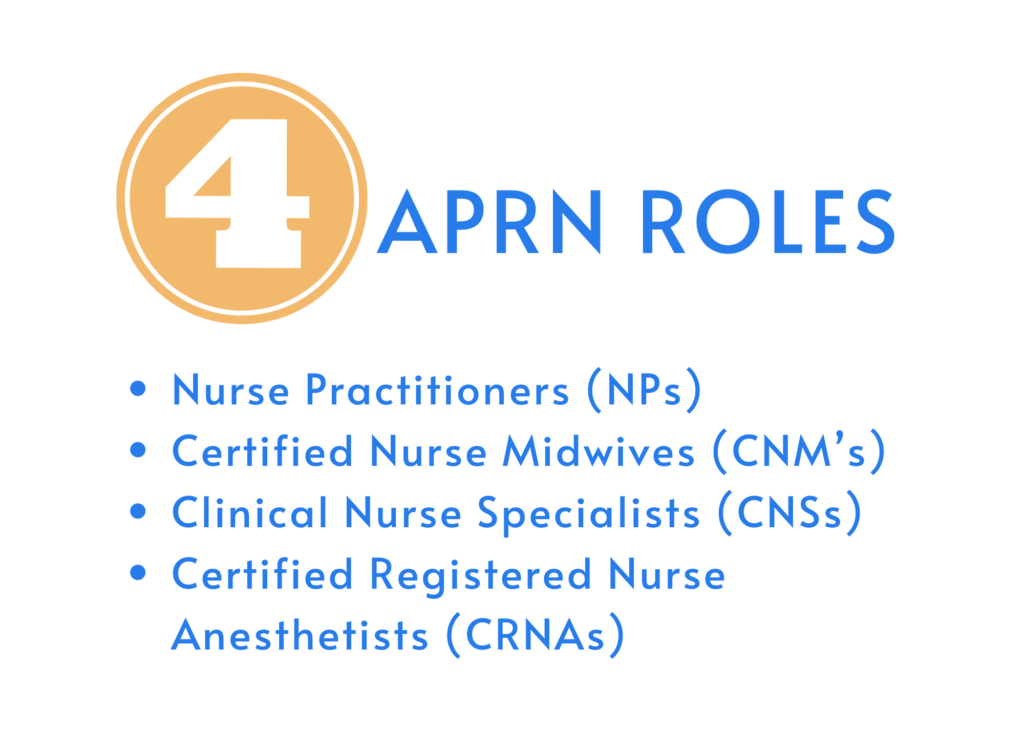
The term APRN is an umbrella designation that encompasses several distinct roles, each with its own unique focus and educational requirements. Understanding these specialties is key to appreciating the breadth of advanced practice nursing:
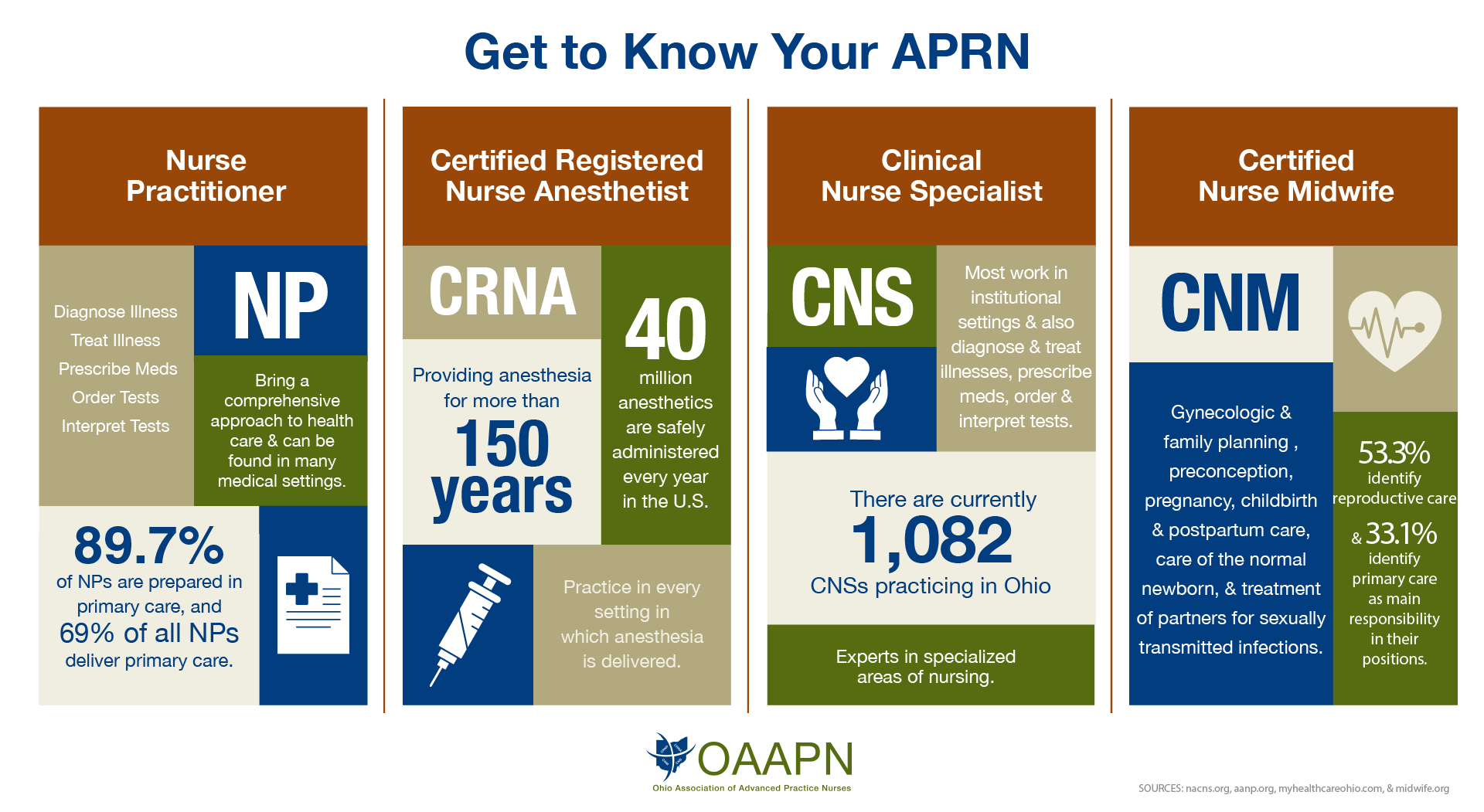
Nurse Practitioner (NP)
Nurse Practitioners are perhaps the most widely recognized type of APRN. They typically focus on primary, acute, or specialty care and can specialize in areas such as:
- Family Nurse Practitioner (FNP): Provides comprehensive care to individuals and families across the lifespan.
- Pediatric Nurse Practitioner (PNP): Focuses on the health needs of infants, children, and adolescents.
- Adult-Gerontology Nurse Practitioner (AGNP): Cares for adults, with sub-specialties in primary care or acute care, and for older adults.
- Women’s Health Nurse Practitioner (WHNP): Specializes in the gynecological and obstetric care of women.
- Psychiatric-Mental Health Nurse Practitioner (PMHNP): Provides mental health services, including diagnosis, therapy, and medication management.
Certified Nurse Midwife (CNM)
CNMs provide comprehensive gynecological and obstetric care to women, including prenatal care, labor and delivery, and postpartum care. They also offer family planning services and well-woman examinations.
Certified Registered Nurse Anesthetist (CRNA)
CRNAs are advanced practice nurses who administer anesthesia for surgical, diagnostic, and obstetrical procedures. They are responsible for assessing patients, developing anesthesia care plans, and monitoring patients throughout procedures.
Clinical Nurse Specialist (CNS)
CNSs are expert clinicians in a specific area of nursing practice, such as critical care, oncology, or pediatrics. They focus on improving patient outcomes through direct patient care, education, research, and leadership within healthcare systems.
Leveraging Technology in Advanced Practice Nursing
The integration of technology is no longer a futuristic concept; it’s an integral part of modern healthcare delivery, and APRNs are at the forefront of its adoption. From electronic health records to advanced diagnostic tools and telehealth platforms, technology empowers APRNs to provide more efficient, effective, and accessible care.
Digital Tools Enhancing Patient Care and Efficiency
The “Tech” pillar of our website’s focus is directly relevant to the daily practice of APRNs. They are not just users of technology; they are often innovators and early adopters, seeking tools that can streamline workflows and elevate patient outcomes.
- Electronic Health Records (EHRs) and Electronic Medical Records (EMRs): These systems are the backbone of modern healthcare. APRNs utilize EHRs to access comprehensive patient histories, document care, order tests, and prescribe medications. Advanced EHR functionalities, such as clinical decision support systems, provide real-time alerts for drug interactions, allergies, and best practice guidelines, significantly enhancing patient safety.
- Telehealth and Remote Patient Monitoring: The COVID-19 pandemic accelerated the adoption of telehealth, and APRNs have been instrumental in its widespread use. They conduct virtual consultations, manage chronic conditions remotely through connected devices (e.g., blood pressure cuffs, glucose meters), and provide remote patient monitoring, extending their reach and improving access to care, especially for patients in rural or underserved areas.
- AI and Machine Learning in Diagnostics and Treatment: While still evolving, Artificial Intelligence (AI) and machine learning are beginning to impact APRN practice. AI-powered diagnostic tools can assist in analyzing medical images, identifying potential diseases, and predicting patient risk factors. Machine learning algorithms can help personalize treatment plans based on vast datasets of patient information, leading to more targeted and effective interventions.
- Mobile Health (mHealth) Apps: APRNs often recommend or integrate mHealth apps into patient care plans for medication adherence tracking, symptom logging, exercise monitoring, and health education. They also use specialized apps for clinical reference, drug information, and continuing education.
- Data Analytics and Health Informatics: APRNs contribute to the collection and analysis of health data. Understanding health informatics allows them to interpret trends, identify areas for quality improvement within their practice or healthcare system, and contribute to evidence-based practice.
The constant evolution of technology means that APRNs must remain lifelong learners, adapting to new tools and understanding their potential to transform patient care. This embrace of innovation is not just about efficiency; it’s about pushing the boundaries of what’s possible in healthcare.
Building a Powerful APRN Brand: Beyond Clinical Skills
In today’s competitive healthcare landscape, clinical expertise alone is not always enough. For APRNs, developing a strong professional brand is essential for career advancement, attracting patients, and establishing a reputation as a trusted healthcare provider. This aligns with the “Brand” pillar of our website’s focus, emphasizing how strategic positioning and consistent messaging can elevate an individual’s career.
Crafting a Distinctive Professional Identity
A personal brand for an APRN is more than just a name and a title; it’s the unique combination of their skills, experience, values, and the way they present themselves to patients, colleagues, and the wider healthcare community.
- Defining Your Niche and Expertise: As an APRN, you likely have a specialization. Your brand should highlight this expertise. Are you known for your exceptional care of diabetic patients? Do you have a reputation for compassionate mental health support? Clearly articulating your areas of strength helps you stand out.
- Consistent Professional Presence: This includes everything from your attire and demeanor in practice to your online presence. A professional website, active LinkedIn profile, and thoughtful engagement on relevant platforms can all contribute to a cohesive brand image.
- Developing a Unique Value Proposition: What makes you different? What unique value do you bring to your patients and your practice? This could be your patient-centered approach, your innovative use of technology, or your commitment to community health.
- Building Trust and Credibility: Brand building is fundamentally about trust. This is achieved through consistent, high-quality patient care, ethical practice, and open communication. Testimonials, positive patient feedback, and peer recognition can further solidify your credibility.
- Networking and Collaboration: Engaging with other healthcare professionals, attending conferences, and participating in professional organizations are vital for expanding your network and enhancing your brand visibility. Collaborating with other providers can lead to referral opportunities and a broader recognition of your expertise.
- Content Creation and Thought Leadership: Sharing your knowledge through articles, blog posts, presentations, or social media can position you as a thought leader in your field. This not only benefits your brand but also contributes to the education of both patients and fellow professionals. For instance, an APRN specializing in women’s health could write articles on common reproductive health concerns, further solidifying their expert status.
By consciously cultivating their professional brand, APRNs can attract more patients, secure better career opportunities, and ultimately have a greater impact on the health and well-being of their communities.
Financial Empowerment and Opportunities for APRNs
The advanced education and expanded scope of practice for APRNs often translate into significant financial rewards and a range of income-generating opportunities. This directly connects to the “Money” pillar of our website’s focus, exploring personal finance, investing, and income streams.

Navigating Income Streams and Financial Growth
APRNs are highly sought-after professionals, and their earning potential reflects their critical role in healthcare.
- Competitive Salaries: APRNs generally earn higher salaries than registered nurses due to their advanced education and expanded responsibilities. Salaries vary based on specialty, experience, geographic location, and type of healthcare setting (e.g., hospital, private practice, academic institution).
- Diverse Practice Settings: APRNs can work in a variety of settings, each with its own compensation structure. This includes hospitals, physician offices, community health centers, specialty clinics, urgent care facilities, and long-term care facilities.
- Entrepreneurial Ventures and Side Hustles: The autonomy and expertise of APRNs open doors to entrepreneurial opportunities. This could involve:
- Opening a Private Practice: Establishing their own clinic allows APRNs to control their practice, set their own hours, and build a patient base around their specific expertise.
- Consulting: APRNs can offer their expertise as consultants to healthcare organizations, insurance companies, or even other healthcare professionals.
- Medical Writing and Education: Leveraging their knowledge to write medical content, create educational materials, or conduct workshops can provide supplementary income.
- Telehealth Services: Offering specialized telehealth services can expand their reach and create a flexible income stream.
- Legal Nurse Consulting: APRNs can serve as expert witnesses or consultants in legal cases involving healthcare.
- Investment and Financial Planning: For APRNs earning competitive incomes, strategic financial planning becomes crucial. This includes:
- Investing: Understanding investment options, such as stocks, bonds, mutual funds, or real estate, can help grow wealth over the long term.
- Retirement Planning: Actively contributing to retirement accounts like 401(k)s or IRAs is essential for long-term financial security.
- Student Loan Management: Many APRNs incur student loan debt for their advanced degrees. Developing a strategic plan to manage and repay these loans is important for financial well-being.
- Financial Literacy: Continuously improving financial literacy can empower APRNs to make informed decisions about their money, leading to greater financial independence and security.
The financial landscape for APRNs is one of opportunity. By understanding their earning potential, exploring diverse income streams, and engaging in smart financial planning, APRNs can achieve significant financial success and secure their future.
In conclusion, the role of the APRN in nursing is dynamic, vital, and continuously evolving. They are not only highly skilled clinicians but also adept users of technology, strategic brand builders, and financially savvy professionals. As healthcare continues to transform, the contributions of APRNs will only become more critical, shaping the future of patient care and setting new standards for excellence in the nursing profession.
aViewFromTheCave is a participant in the Amazon Services LLC Associates Program, an affiliate advertising program designed to provide a means for sites to earn advertising fees by advertising and linking to Amazon.com. Amazon, the Amazon logo, AmazonSupply, and the AmazonSupply logo are trademarks of Amazon.com, Inc. or its affiliates. As an Amazon Associate we earn affiliate commissions from qualifying purchases.