
The question of how much capital is required to launch a business is one of the most significant hurdles for aspiring entrepreneurs. While the digital age has lowered the barriers to entry in many sectors, the financial reality of starting a sustainable enterprise remains complex. There is no single “magic number” that applies to every venture; instead, the cost is a variable dictated by industry, scale, and the chosen business model. Whether you are launching a lean side hustle or a capital-intensive manufacturing firm, understanding the financial architecture of a startup is essential for long-term solvency.
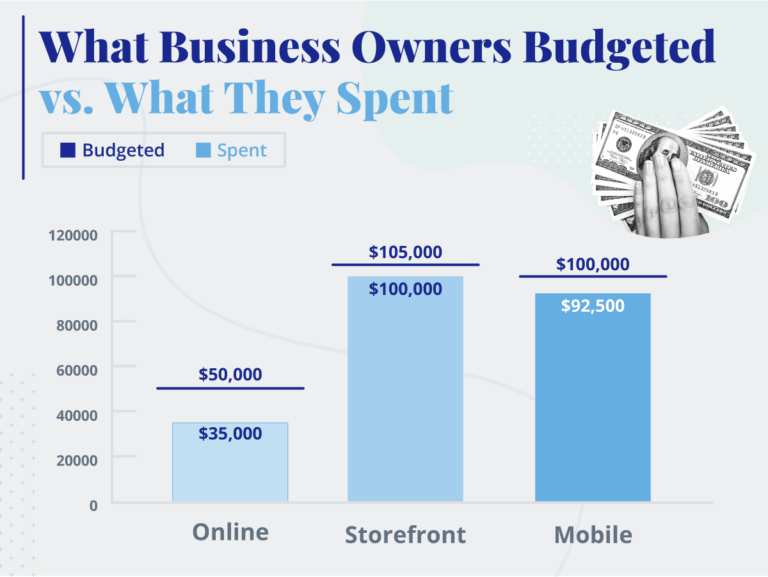
Mapping the Initial Capital Requirements: Beyond the Idea
Before the first dollar of revenue is earned, an entrepreneur must navigate a landscape of “sunk costs”—investments that must be made to bring the business into legal and operational existence. These costs are often underestimated, leading to early cash flow crises.
Legal and Administrative Foundations
Every legitimate business requires a legal structure. Whether you choose a Sole Proprietorship, an LLC, or a Corporation, there are filing fees that vary by state and country. In the United States, these can range from $50 to over $500. Beyond simple registration, you may need specific operating permits, professional licenses, or zoning clearances, each carrying its own price tag. Furthermore, protecting your intellectual property through trademarks or patents can cost anywhere from a few hundred to several thousand dollars in legal fees.
Technological Infrastructure and Digital Presence
In the modern economy, a business without a digital footprint is nearly invisible. At a minimum, this requires a domain name (usually $10–$20 per year) and web hosting ($5–$50 per month). However, the cost scales quickly if you require a sophisticated e-commerce platform or custom-built software. Subscriptions to essential tools—such as accounting software like QuickBooks, communication platforms like Slack, and customer relationship management (CRM) systems—can easily add $100 to $500 to your monthly burn rate before you even open your doors.
Inventory and Physical Assets
For businesses that deal in physical goods, inventory is often the largest upfront expense. Calculating the “Minimum Order Quantity” (MOQ) from suppliers is vital. If you are starting a retail or e-commerce brand, you may need to invest $2,000 to $10,000 in initial stock just to ensure you have enough variety to attract customers. If your business requires a physical location, the costs explode to include security deposits, leasehold improvements, and furniture, which can range from $5,000 to hundreds of thousands depending on the square footage and location.
Cost Breakdown by Business Model: Service vs. Product
The “cost of entry” is heavily influenced by what you are selling. Financial planning must be tailored to the specific demands of your niche to avoid over-leveraging or under-capitalizing.
The Low-Capital Service Model
Service-based businesses—such as consulting, freelance writing, or digital marketing agencies—are among the most affordable to start. Often, the primary “investment” is the founder’s time and existing equipment (like a laptop). Initial costs for a service-based side hustle can be as low as $100 to $1,000, covering basic website costs and a few professional tools. The primary financial challenge here is not the startup cost, but the “opportunity cost” of the founder’s labor before the client base becomes stable.
The Product-Based and E-commerce Model
Launching a product requires a significantly higher financial threshold. Beyond inventory, you must account for packaging, shipping logistics, and warehousing. Even a “lean” e-commerce startup utilizing dropshipping will require capital for marketing and premium website themes to build trust. A typical small-scale e-commerce launch often requires $3,000 to $5,000 to cover initial branding, a small inventory run, and the first wave of digital advertising.
High-Capital Manufacturing and Brick-and-Mortar
Industries like food service, manufacturing, or specialized retail represent the high end of the spectrum. A small coffee shop or boutique can require $50,000 to $150,000 in startup capital to cover specialized equipment, interior renovations, and high-traffic rent. These businesses often require professional business loans or significant personal savings because the “break-even point” (where total revenue equals total expenses) is usually months or years away.
The Invisible Overhead: Marketing, Compliance, and Insurance
New business owners frequently focus on the “visible” costs like inventory and websites while ignoring the “invisible” expenses that sustain the business.

Customer Acquisition Costs (CAC)
“Build it and they will come” is a dangerous financial myth. Customer acquisition is an ongoing expense. Whether you are using Pay-Per-Click (PPC) advertising, social media influencers, or traditional mailers, you need a marketing budget. In many industries, the cost to acquire a single customer can be higher than the profit from their first purchase. Budgeting at least 10% to 20% of your projected revenue for marketing is a standard benchmark, but in the early stages, you may need to spend more just to generate momentum.
Insurance and Risk Management
Protecting your personal and business assets is a non-negotiable cost. General liability insurance, professional indemnity insurance, and, if you have employees, workers’ compensation are essential. Depending on your industry and risk profile, insurance premiums can range from $500 to $3,000 per year. Neglecting this cost can lead to catastrophic financial loss in the event of a lawsuit or property damage.
Tax Obligations and Accounting
Business finance is not just about spending; it is about managing what you keep. As a business owner, you are responsible for self-employment taxes, sales tax collection, and potentially payroll taxes. Setting aside 25% to 30% of your gross profit for tax obligations is a critical practice. Furthermore, hiring a Certified Public Accountant (CPA) to manage your year-end filings and provide tax strategy can cost $500 to $2,000 annually but often saves the business more in the long run through optimized deductions.
Financial Planning and the Concept of the “Runway”
One of the primary reasons businesses fail is not a lack of profit, but a lack of liquidity. “Runway” refers to the amount of time a business can continue to operate before it runs out of money, assuming no new revenue is generated.
Personal Living Expenses
When calculating how much it takes to start a business, you must include your own cost of living. Unless you are starting your venture as a side hustle while maintaining a full-time job, you need a “personal runway.” Financial experts generally recommend having six to twelve months of personal living expenses saved before transitioning into full-time entrepreneurship. This prevents the business from being crippled by the owner’s need to withdraw capital for personal survival.
Working Capital Reserves
Working capital is the money used for day-to-day operations. It is the buffer that allows you to pay suppliers and utilities while waiting for customers to pay their invoices. A healthy business should maintain enough working capital to cover at least three to six months of operating expenses. If your monthly expenses (rent, software, marketing, salaries) are $2,000, you should aim to have a $6,000 to $12,000 “cushion” in your business bank account.
The Role of Financial Forecasting
A professional financial forecast includes a Pro Forma Income Statement, a Balance Sheet, and, most importantly, a Cash Flow Statement. By projecting your expenses and revenue month-over-month, you can identify “danger zones” where your cash reserves might dip below zero. This foresight allows you to adjust your spending or seek additional funding before a crisis occurs.
Funding Your Vision: Bootstrapping vs. External Capital
Once you have a clear understanding of your total startup costs, the final question is: where does the money come from?
The Power of Bootstrapping
Bootstrapping is the process of starting a business with little more than personal savings and the revenue generated by the business itself. The advantage of this approach is total control and zero debt. It forces financial discipline and encourages lean operations. However, bootstrapping can limit your speed of growth, as you can only reinvest what you have already earned.
Debt Financing and Small Business Loans
For more capital-intensive businesses, debt is a common tool. Small Business Administration (SBA) loans, traditional bank loans, and lines of credit can provide the necessary influx of cash. While this allows for faster scaling and the purchase of major assets, it introduces a fixed monthly cost: interest and principal payments. Your business model must be robust enough to support these payments even during slow months.
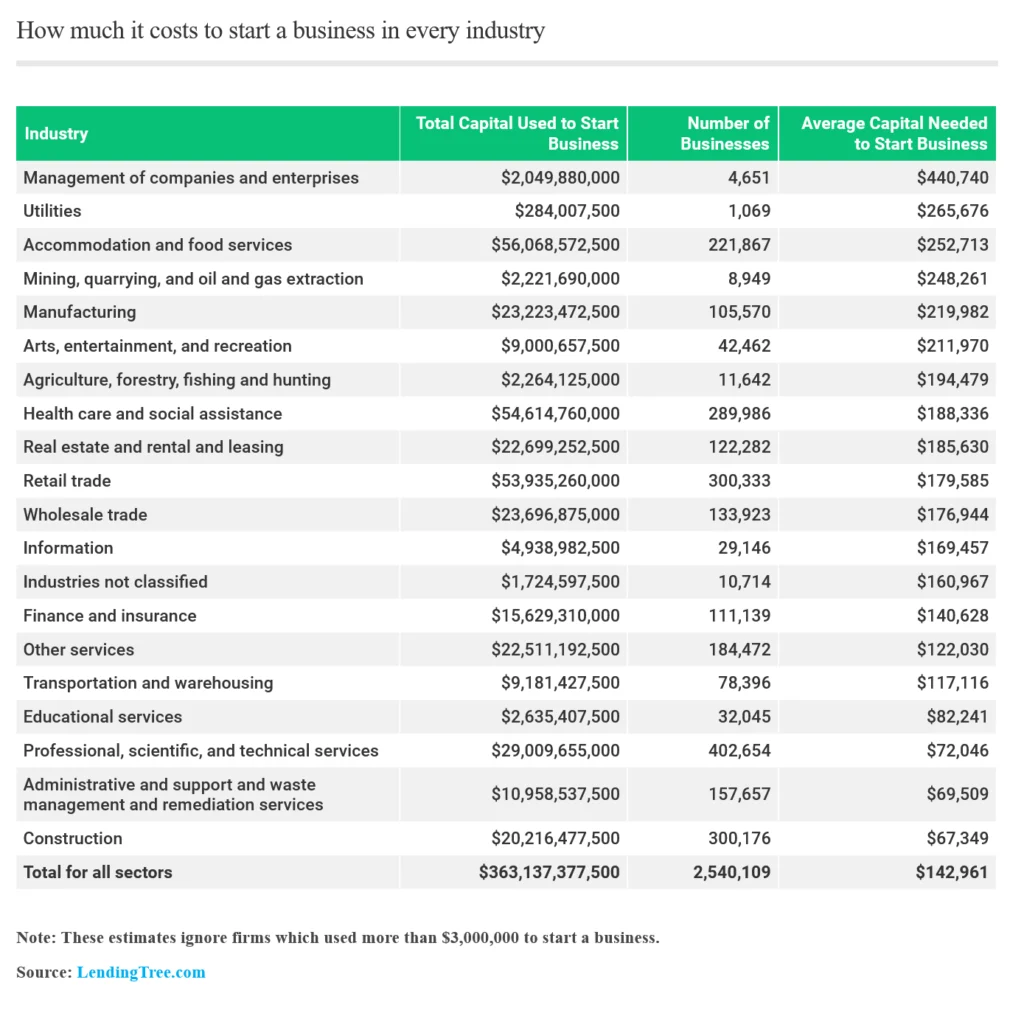
Equity and Outside Investment
If your business has high growth potential, you may look toward angel investors or venture capital. This involves selling a portion of your company in exchange for capital. While this doesn’t require monthly repayments like a loan, it is “expensive” in the long term, as you are giving away future profits and a degree of decision-making power.
In conclusion, the cost of starting a business is an intricate calculation of fixed entry fees, variable operational costs, and the personal financial safety net required to survive the early stages. By meticulously documenting these requirements—from the $50 filing fee to the $10,000 marketing launch—entrepreneurs can transition from “dreaming” to “operating” with a clear, strategic roadmap for financial success.
aViewFromTheCave is a participant in the Amazon Services LLC Associates Program, an affiliate advertising program designed to provide a means for sites to earn advertising fees by advertising and linking to Amazon.com. Amazon, the Amazon logo, AmazonSupply, and the AmazonSupply logo are trademarks of Amazon.com, Inc. or its affiliates. As an Amazon Associate we earn affiliate commissions from qualifying purchases.