
The digital landscape has fundamentally transformed the architecture of entrepreneurship. No longer confined by geographical boundaries or the heavy overhead of brick-and-mortar storefronts, the modern entrepreneur can launch a global enterprise from a laptop. However, the ease of entry into the digital marketplace often masks the financial complexity required to sustain and scale a profitable venture. Creating an online business is not merely a technical exercise; it is a financial strategy that requires a deep understanding of revenue models, capital allocation, and market dynamics.
To transition from a conceptual idea to a revenue-generating asset, one must navigate the intersection of personal finance and corporate strategy. This guide explores the essential financial pillars of building an online business, focusing on how to maximize income, manage risk, and build long-term equity in the digital age.
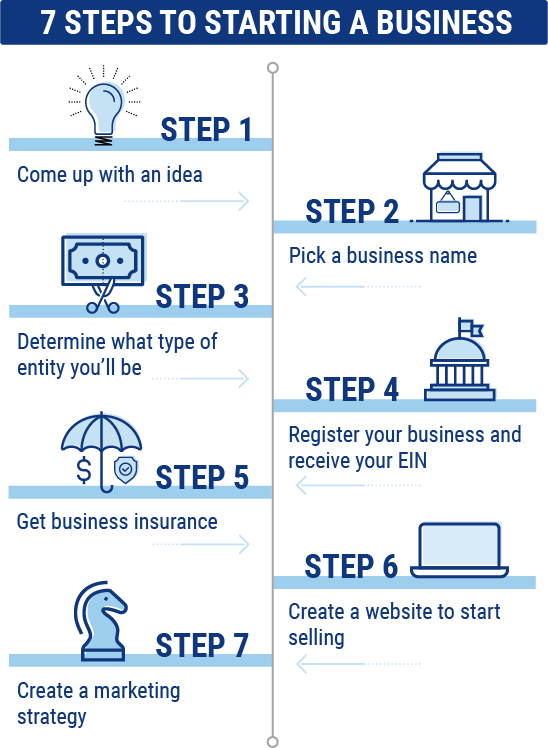
1. Identifying Profitable Market Opportunities and Revenue Models
The first step in creating an online business is selecting a revenue model that aligns with your financial goals and risk tolerance. In the digital economy, not all business models are created equal. Some offer immediate cash flow with low margins, while others require significant upfront investment for the promise of high-multiple exits.
High-Margin Service Models vs. Product-Based Ventures
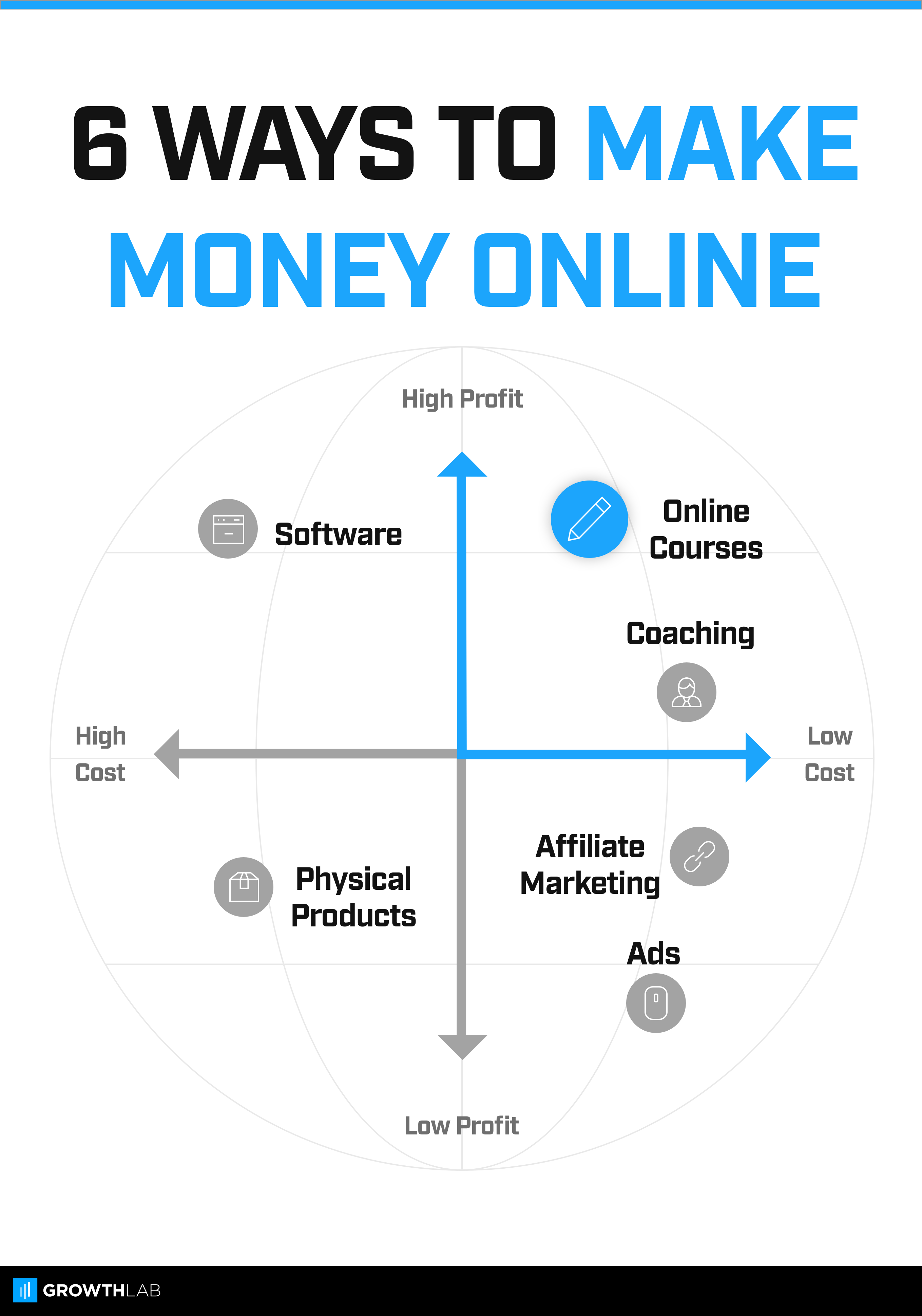
For many, the fastest path to online income is the service-based model. Whether it is consulting, digital marketing, or specialized freelance work, services require minimal initial capital. The primary investment is time. From a financial perspective, service businesses are attractive because they often operate with 80% to 90% profit margins. However, they are difficult to scale because revenue is directly tied to human hours.
In contrast, product-based ventures—such as e-commerce or digital products—offer greater scalability. While physical goods involve inventory costs, logistics, and lower margins (typically 20% to 40%), digital products like software-as-a-service (SaaS) or online courses represent the “holy grail” of online business. Once the initial asset is created, the marginal cost of selling to an additional customer is near zero, allowing for exponential profit growth without a linear increase in expenses.
The Power of Recurring Revenue and Subscriptions
The most resilient online businesses are those built on recurring revenue. Financial stability is significantly enhanced when a business can predict its income month-over-month. Subscription models, memberships, and retainer-based services reduce the “feast or famine” cycle common in freelance or transactional e-commerce. When evaluating a niche, prioritize markets where customer lifetime value (CLV) can be extended through repeat purchases. A business that earns $100 from one customer once is far less valuable than a business that earns $10 from a customer every month for three years.
2. Financial Planning and Capital Allocation for Digital Startups
Bootstrapping—the act of starting a business with little more than personal savings—is a hallmark of the online business world. However, even a lean startup requires a rigorous financial framework to ensure that initial capital is not squandered on non-essential overhead.
Calculating Your Burn Rate and Initial Investment
Before launching, it is imperative to establish a clear budget that distinguishes between “essential” and “growth” expenses. Essential expenses include domain registration, hosting, and basic legal compliance. Growth expenses include paid advertising, premium software, and outsourced labor.
The “burn rate”—the rate at which you spend your capital before reaching profitability—must be monitored weekly. Many online entrepreneurs fail not because their idea was poor, but because they ran out of cash before their customer acquisition strategy could take hold. A prudent approach is to maintain a “runway” of at least six to twelve months of operating expenses in a dedicated business account, separate from personal finances.
Managing Cash Flow in a Borderless Digital Economy
Online businesses often face unique cash flow challenges, particularly regarding payment processing times and currency fluctuations. Utilizing tools like digital wallets and multi-currency accounts can mitigate the impact of exchange fees. Furthermore, understanding the “cash conversion cycle”—the time between spending money on marketing or inventory and receiving payment from a customer—is vital. In e-commerce, for example, a business can be “profitable” on paper but bankrupt in practice if its capital is tied up in unsold inventory or pending processor payouts.

3. Scaling Through Diversification and Performance Marketing
Once an online business achieves its first $1,000 in profit, the focus shifts from survival to scaling. Scaling is the process of increasing revenue at a faster rate than costs. In the digital realm, this is primarily achieved through data-driven marketing and the diversification of income streams.
Strategic Reinvestment of Profits
A common mistake among new online business owners is withdrawing profits too early to fund a lifestyle change. To build a high-value asset, a significant portion of early earnings should be reinvested into the business. This “compounding” effect is most visible in performance marketing. If you spend $1 on ads and generate $3 in revenue, the logical financial move is to reinvest that $3 to capture more of the market.
However, scaling requires more than just increasing ad spend. It involves investing in systems and automation. By purchasing software that automates customer service or hiring a virtual assistant to handle administrative tasks, the business owner buys back their time to focus on high-level financial strategy and partnership development.
Leveraging Affiliate Systems and Low-Cost Acquisition Channels
To protect margins while scaling, a business must diversify its traffic sources. Relying solely on paid ads (like Google or Meta) is risky; a sudden algorithm change or an increase in ad costs can erase profitability overnight.
Building an affiliate program is a powerful “pay-for-performance” financial strategy. By allowing others to promote your product in exchange for a commission, you only pay for successful sales. This shifts the risk of marketing costs onto the affiliate, ensuring that your customer acquisition cost (CAC) remains fixed and predictable. Additionally, investing in content-driven SEO (Search Engine Optimization) provides a long-term, low-cost lead generation engine that builds equity in the brand’s digital presence.
4. Tax Optimization and Legal Structures for Global Digital Assets
As an online business grows, the complexity of its financial obligations increases. Because digital businesses can operate across state and national borders, understanding the tax implications is essential for wealth preservation.
Choosing the Right Business Entity for Long-Term Growth
The legal structure of your business—whether it is a Sole Proprietorship, LLC, or S-Corp—has profound implications for your personal liability and tax burden. For many online entrepreneurs, an LLC (Limited Liability Company) provides a balance of protection and simplicity. However, as net income increases, transitioning to an S-Corp election may offer significant savings on self-employment taxes.
Consulting with a tax professional who specializes in digital commerce is non-negotiable. They can provide guidance on “nexus” (the requirement to collect sales tax in various jurisdictions) and how to properly document deductible business expenses, such as home office deductions, software subscriptions, and hardware costs.
Compliance and Intellectual Property Valuation
An online business is more than just a website; it is a collection of intellectual property (IP). This includes your domain name, customer lists, trademarked brand elements, and proprietary processes. From a financial standpoint, your IP is the most valuable asset you own.
Ensuring that your business is compliant with data protection laws (such as GDPR or CCPA) is not just a legal requirement—it is a financial safeguard. A single data breach or regulatory fine can be catastrophic for a small enterprise. Furthermore, keeping clean, audited financial records from day one increases the “valuation multiple” of your business. Should you ever decide to sell your online business on a marketplace like Empire Flippers or Quiet Light, having transparent financial data and protected IP will allow you to command a much higher exit price.
Conclusion: The Path to Digital Financial Independence
Creating an online business is one of the most effective ways to build wealth in the 21st century, but it requires a disciplined, professional approach to finance. By selecting the right revenue model, managing cash flow with precision, scaling through strategic reinvestment, and protecting your assets through proper legal structures, you transform a digital “side hustle” into a robust financial engine. The goal is not just to make money online, but to build a sustainable, scalable business that provides both immediate income and long-term capital appreciation. In the world of digital entrepreneurship, the most successful individuals are those who treat their online presence not as a hobby, but as a serious investment in their financial future.
aViewFromTheCave is a participant in the Amazon Services LLC Associates Program, an affiliate advertising program designed to provide a means for sites to earn advertising fees by advertising and linking to Amazon.com. Amazon, the Amazon logo, AmazonSupply, and the AmazonSupply logo are trademarks of Amazon.com, Inc. or its affiliates. As an Amazon Associate we earn affiliate commissions from qualifying purchases.