
The dream of transitioning from a traditional nine-to-five to a self-sustained, home-based business has never been more attainable. In the current economic landscape, the barriers to entry have collapsed, replaced by digital infrastructure and a global marketplace. However, while the technical requirements for starting are lower than ever, the financial stakes remain high. Starting a small business from home is not merely about choosing a hobby; it is about building a robust financial engine that generates consistent cash flow, manages tax liabilities effectively, and creates long-term wealth.
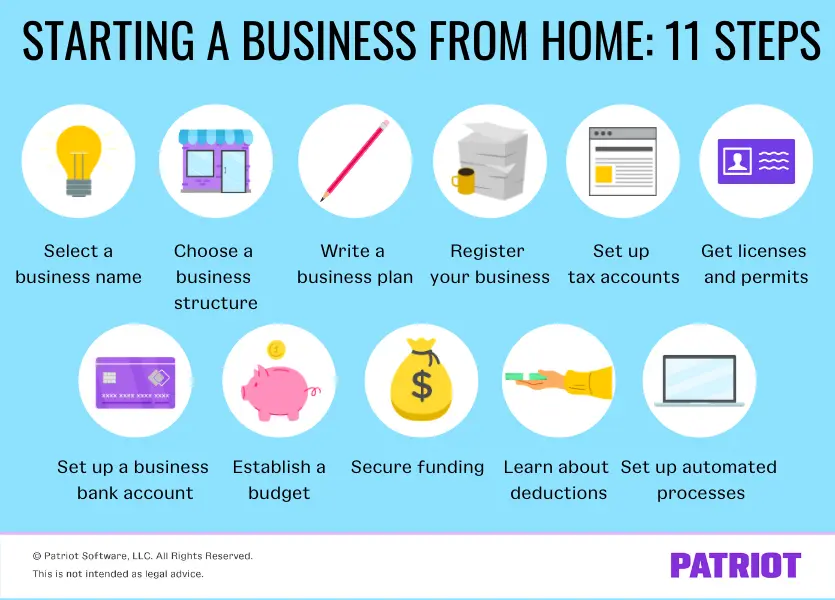
To succeed in the “Money” niche of home-based entrepreneurship, one must view the home office not just as a workplace, but as a profit center. This guide explores the essential financial strategies, capital management techniques, and revenue-scaling models necessary to transform a domestic workspace into a professional enterprise.
Building a Lean Financial Foundation
The primary advantage of a home-based business is the significant reduction in overhead costs. Without the burden of commercial rent, utility deposits for a separate office, or long commutes, an entrepreneur can direct more capital toward growth-focused activities. However, this low-cost environment can lead to financial complacency. To build a sustainable business, you must treat your home office finances with the same rigor as a Fortune 500 company.
The Art of Bootstrapping
Bootstrapping is the process of starting a company with little capital, relying on personal savings and initial revenue to fund growth. For home-based businesses, this is often the most prudent path. By avoiding high-interest debt or early-stage equity dilution, you retain full control over your financial destiny. The key to successful bootstrapping is the “Lean Startup” methodology: identifying the minimum viable product (MVP) or service that generates revenue, then reinvesting every penny of profit back into the business.
Separating Personal and Business Finances
One of the most common financial pitfalls for home entrepreneurs is the “commingling of funds.” When you work from home, the lines between your personal life and your business life blur. To protect your personal assets and ensure accurate accounting, it is mandatory to open a dedicated business bank account and obtain a separate business credit card immediately. This separation is vital for two reasons: it simplifies tax preparation and establishes “corporate clarity,” which is essential if you ever choose to incorporate as an LLC or S-Corp.
Estimating Initial Capital Requirements
Even a home business has costs. These typically include digital infrastructure (web hosting, software subscriptions), professional licensing, initial inventory, and marketing. Before launching, perform a “Burn Rate Analysis.” Calculate your fixed monthly expenses and ensure you have at least six months of operating capital in reserve. This financial cushion prevents desperate decision-making, allowing you to focus on high-value clients rather than just “paying the bills.”
Selecting High-Margin Business Models
In the realm of personal finance and side hustles, not all business models are created equal. Some require high capital investment with slow returns, while others offer high margins with minimal upkeep. When starting from home, your goal should be to maximize the “Revenue per Employee” (where you are the sole employee) and focus on high-margin activities.
Service-Based vs. Product-Based Models
Service-based businesses—such as financial consulting, digital marketing, or specialized freelance writing—often boast margins exceeding 80%. Because you are selling expertise rather than physical goods, you avoid the costs of manufacturing, storage, and shipping.
Product-based businesses, including e-commerce or dropshipping, require more complex cash flow management. If you choose this route, focus on “Inventory Turnover Ratios.” The faster you can flip your stock, the more liquid your business remains. For home-based entrepreneurs, the “Print-on-Demand” or “Digital Products” models are often superior to traditional retail because they eliminate the need for physical space and upfront inventory costs, aligning perfectly with a lean financial strategy.

Developing Recurring Revenue Streams
The most stable home businesses are those that move away from “one-off” transactions toward recurring revenue. Whether it is a monthly retainer for consulting services or a subscription model for digital content, recurring income provides financial predictability. In the world of business finance, this is known as “Monthly Recurring Revenue” (MRR). High MRR increases the valuation of your business and reduces the stress of the “feast or famine” cycle often associated with freelancing.
Assessing Scalability and Leverage
A business that relies solely on your manual labor is a job, not an enterprise. To build true wealth, you must look for ways to leverage your time. This might involve creating an online course (sell once, earn many times) or utilizing automation software to handle lead generation. When evaluating your business idea, ask: “Can this income grow without a linear increase in my working hours?” If the answer is yes, you have found a scalable financial asset.
Navigating Business Finance, Taxes, and Legal Structures
The difference between a hobby and a business often comes down to how you interact with the tax authorities. Understanding the financial implications of your legal structure can save you thousands of dollars annually.
Choosing the Right Legal Entity
Most home-based businesses start as Sole Proprietorships because they are easy to set up. However, as your income grows, moving to a Limited Liability Company (LLC) or an S-Corporation can offer significant financial benefits.
-
Sole Proprietorship: Simple, but you are personally liable for business debts and lawsuits.
-
LLC: Provides a “corporate veil” that protects your personal assets (home, car, savings) from business liabilities.
-
S-Corp Election: Once your business reaches a certain profit threshold (often around $60,000–$80,000 annually), electing to be taxed as an S-Corp can reduce self-employment taxes by allowing you to pay yourself a “reasonable salary” and take the rest of the profit as a distribution.
Maximizing Home Office Deductions
The IRS and other global tax bodies allow for specific deductions when your home is your primary place of business. You can often deduct a portion of your mortgage interest or rent, utilities, internet, and insurance based on the square footage of your dedicated office space. Additionally, equipment like computers, furniture, and even professional development books are generally tax-deductible. Rigorous record-keeping is essential; utilize cloud-based accounting software like QuickBooks or FreshBooks to track every receipt in real-time.
Understanding Self-Employment Tax
New entrepreneurs are often blindsided by the “Self-Employment Tax.” When you are an employee, your employer pays half of your Social Security and Medicare taxes. When you are the employer, you pay both halves. To avoid a massive tax bill in April, it is a best practice to set aside 25% to 30% of every check you receive into a separate “Tax Savings Account.” Making quarterly estimated tax payments is not just a legal requirement in many jurisdictions; it is a vital cash-flow management strategy that prevents end-of-year financial shocks.
Strategic Reinvestment and Long-Term Wealth Management
Starting a home business is the first step; managing the wealth it generates is the second. Many home-based entrepreneurs fall into the trap of increasing their lifestyle spending as their business grows. To achieve true financial independence, you must view your business profits as a tool for broader wealth creation.
The 50/30/20 Rule for Business Profits
A disciplined approach to profit allocation ensures both business growth and personal security. A common framework is:
-
50% Reinvestment: Direct this back into the business for marketing, software, or hiring virtual assistants to increase capacity.
-
30% Taxes and Reserves: Cover your tax liabilities and build a “Business Emergency Fund.”
-
20% Personal Wealth: Pay yourself a draw or salary that contributes to your personal investment portfolio (IRAs, 401(k)s, or brokerage accounts).
Moving from Active to Passive Income
As your home business matures, the goal should be to shift from active income (trading time for money) to passive or semi-passive income. This might involve hiring your first contractor to handle the day-to-day operations while you focus on high-level strategy. In the context of business finance, this is known as “Working ON the business, not IN the business.” By delegating tasks, you create a system that generates money even when you are not physically at your desk.

Exit Strategy and Asset Valuation
Even if you plan to run your home business indefinitely, you should build it as if you intend to sell it. This means having clean financial records, documented processes, and a brand that exists independently of your personal identity. A business that is “sellable” is inherently more profitable and efficient. Understanding the “Earnings Multiple” for your specific industry allows you to track the actual value of your business as a financial asset, providing a clear picture of your total net worth.
The journey of starting a small business from home is a path toward unparalleled financial autonomy. By focusing on lean operations, high-margin revenue models, and sophisticated tax and reinvestment strategies, you can transform a domestic side hustle into a powerful engine for wealth creation. Success in this arena requires more than just passion; it requires a commitment to the cold, hard logic of business finance. When you master the money, the freedom follows.
aViewFromTheCave is a participant in the Amazon Services LLC Associates Program, an affiliate advertising program designed to provide a means for sites to earn advertising fees by advertising and linking to Amazon.com. Amazon, the Amazon logo, AmazonSupply, and the AmazonSupply logo are trademarks of Amazon.com, Inc. or its affiliates. As an Amazon Associate we earn affiliate commissions from qualifying purchases.