
A business plan is far more than a static document required by a bank or an investor; it is a dynamic roadmap that translates a visionary concept into a fiscally responsible reality. In the world of business finance, the plan serves as the primary tool for assessing risk, identifying capital requirements, and projecting the long-term profitability of an enterprise. Whether you are launching a lean side hustle or a high-growth corporate entity, the discipline of setting up a business plan ensures that every decision is backed by financial logic rather than mere intuition.
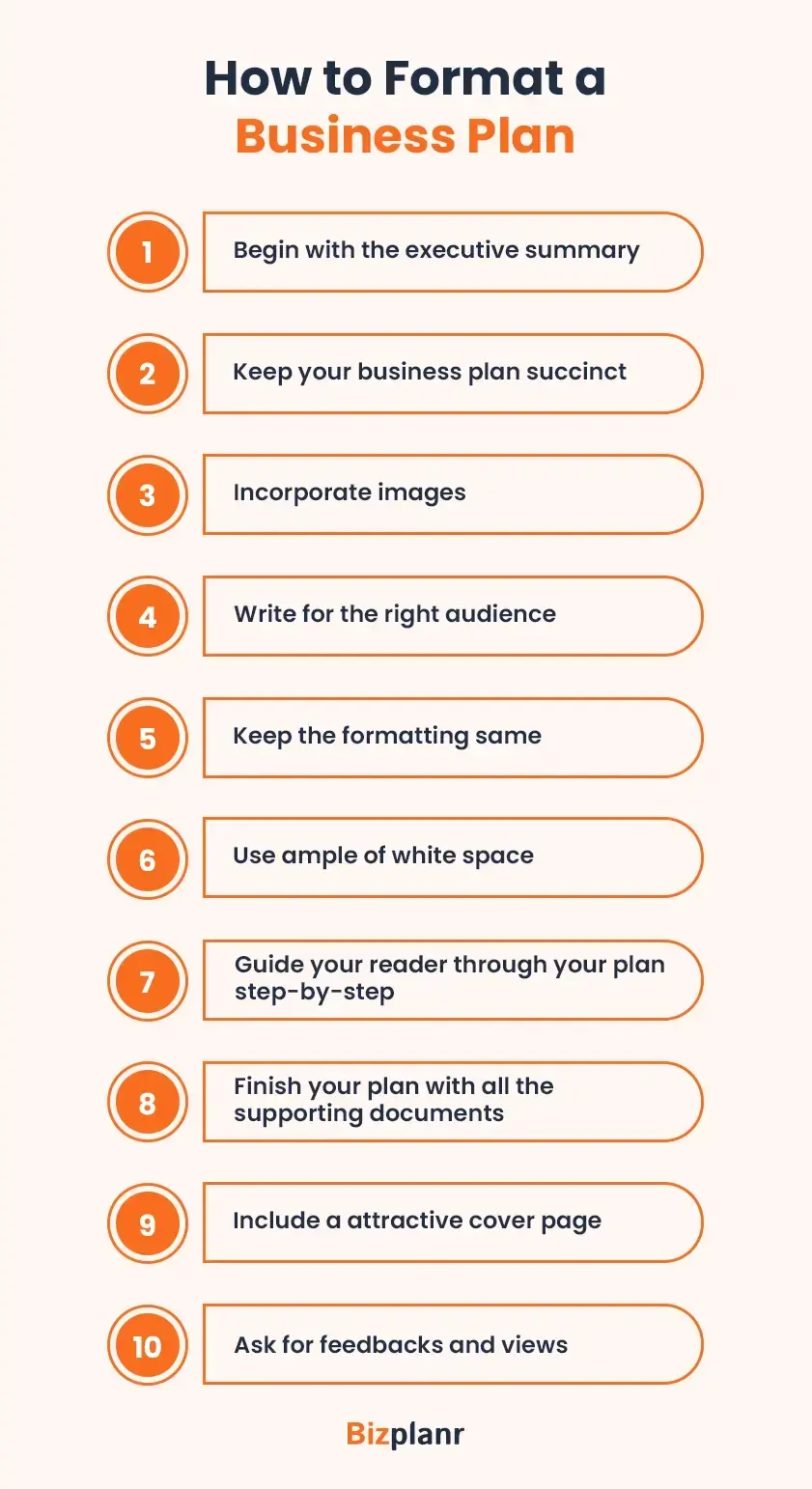
The process of building this plan requires a deep dive into market dynamics, operational costs, and revenue modeling. By meticulously structuring each component, an entrepreneur can identify potential “cash leaks” before they happen and align their resources with the most profitable opportunities. This guide explores the essential phases of constructing a business plan through the lens of financial strategy and sustainable growth.
The Financial Foundation: Defining Your Business Model and Revenue Streams
Before diving into complex spreadsheets, you must establish the fundamental logic of how your business will generate money. This section of the business plan defines the core value proposition and maps out the path to monetization. Without a clear financial model, even the most innovative ideas will fail to gain traction in a competitive market.
Identifying Core Value Propositions and Monetization Strategies
The first step is to determine exactly what the customer is paying for and how that payment is structured. In modern business finance, models vary from traditional transactional sales to recurring subscription services (SaaS), freemium models, or marketplace commissions. Your plan must articulate why your chosen model is the most efficient way to capture value. For instance, a subscription model provides predictable cash flow, which is often more attractive to investors than one-off sales. You must also account for unit economics—the direct revenues and costs associated with a single unit of sale. If the cost to acquire a customer (CAC) exceeds their lifetime value (LTV), the business model is inherently flawed.
Mapping Out Sustainable Revenue Channels
Diversification is a cornerstone of financial stability. A robust business plan identifies primary and secondary revenue streams to mitigate risk. If your primary source of income is seasonal or sensitive to market fluctuations, secondary streams—such as consulting fees, digital products, or maintenance contracts—can provide a necessary buffer. In this section, you must also define your pricing strategy. Will you use cost-plus pricing, value-based pricing, or a penetration strategy to gain market share? Each choice has profound implications for your gross margins and your ability to reinvest in the business.
Market Analysis and Competitive Positioning for Maximum ROI
Strategic financial planning requires a thorough understanding of the ecosystem in which your business operates. A market analysis isn’t just about identifying customers; it is about quantifying the total addressable market (TAM) and determining how much of that market you can realistically capture.
Analyzing Market Size and Financial Trends
Investors and financial analysts look for data that proves a market is large enough to support the business’s growth projections. Your plan should break down the TAM, the Serviceable Addressable Market (SAM), and the Serviceable Obtainable Market (SOM). This hierarchical approach demonstrates a realistic understanding of your reach. Furthermore, you must analyze broader economic trends, such as interest rate shifts or changes in consumer spending habits, that could impact your top-line revenue. Understanding these variables allows you to build a more resilient financial forecast.
Financial Benchmarking Against Competitors
To position your business for a high return on investment (ROI), you must understand the financial performance of your competitors. What are the industry-standard profit margins? What is the average churn rate in your sector? By benchmarking your projected performance against established players, you can identify your competitive advantages. Perhaps your operational structure allows for a lower cost of goods sold (COGS), or your marketing strategy results in a significantly lower CAC. Highlighting these financial efficiencies in your business plan makes a compelling case for the viability of your enterprise.
Operational Structuring: Translating Vision into Fiscal Efficiency
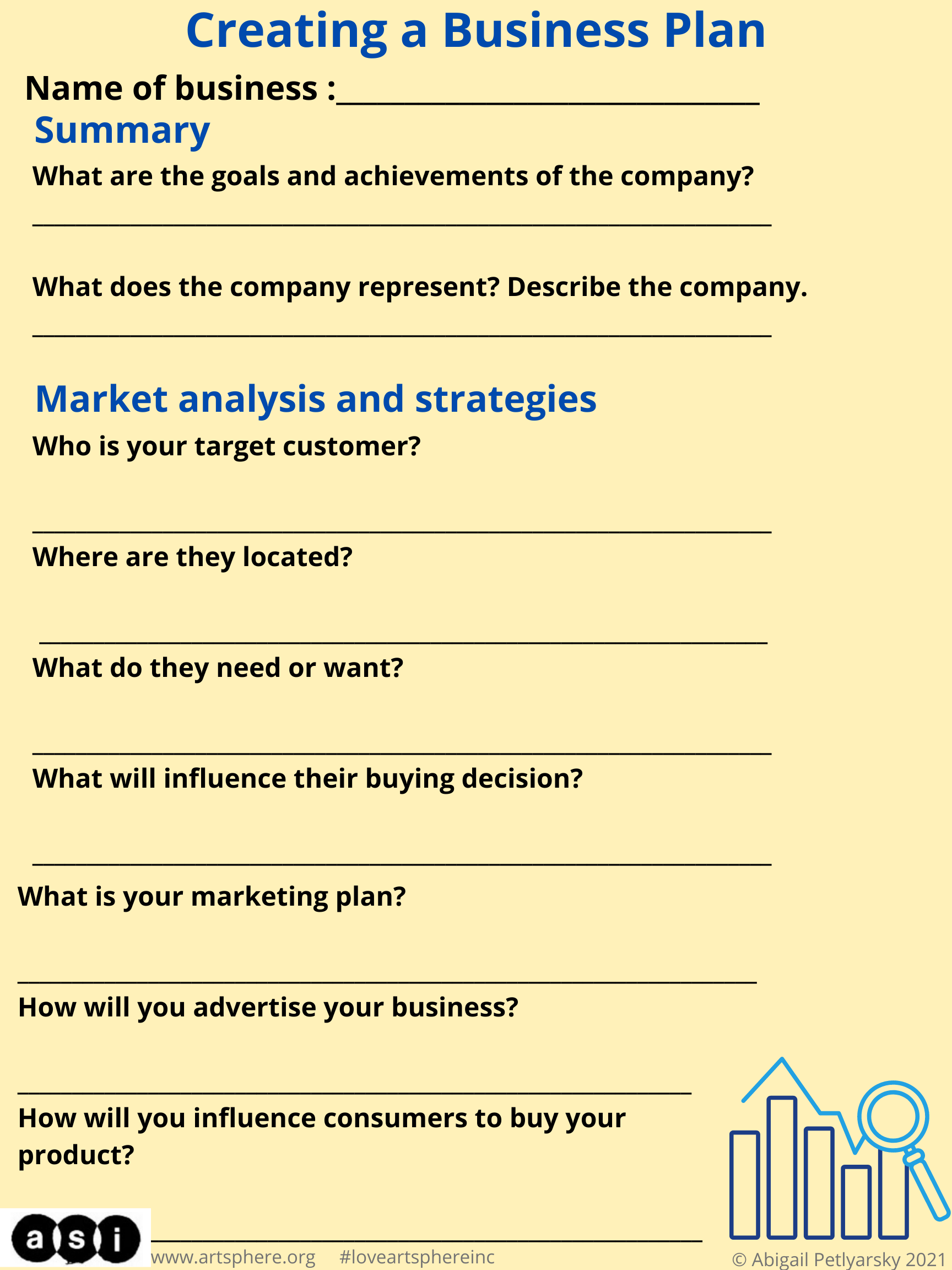
The operational section of your business plan outlines how the “machine” of your business works. From a financial perspective, this is where you account for the “burn rate”—the amount of money you spend each month to keep the doors open. Efficient operations are the key to preserving capital and reaching the break-even point faster.
Capital Allocation and Expenditure
Every dollar spent in the early stages of a business must be viewed as an investment. Your plan should detail your initial capital requirements: what is the “start-up cost” for equipment, inventory, legal fees, and branding? Beyond the initial launch, you must plan for ongoing capital expenditures (CapEx). Whether it’s upgrading technology or expanding facilities, these costs must be timed carefully to avoid cash flow crunches. A well-structured plan prioritizes spending on “revenue-generating assets” rather than “lifestyle assets” that do not contribute to the bottom line.
Building a Lean Operational Framework
A lean operational framework focuses on maximizing productivity while minimizing waste. In your business plan, describe your supply chain management, your staffing requirements, and your outsourcing strategy. For many modern businesses, utilizing a remote workforce or third-party logistics (3PL) providers can drastically reduce fixed overhead costs. By converting fixed costs into variable costs, you create a more flexible financial structure that can scale up or down based on market demand. This section should also touch on the “cost of quality”—investing enough in your operations to prevent expensive errors or customer turnover.
The Financial Projections: Forecasting for Investors and Sustainability
The financial section is the heart of the business plan. It is where qualitative ideas meet quantitative reality. Professionals look for three primary statements: the income statement (P&L), the cash flow statement, and the balance sheet. These documents provide a comprehensive view of the business’s health over a three- to five-year period.
Crafting the Cash Flow Statement and Income Projections
Profit is not the same as cash. A business can be profitable on paper but go bankrupt because it lacks the cash to pay its bills. The cash flow statement is arguably the most critical part of your plan, as it tracks the actual timing of cash inflows and outflows. Your projections should include a “base case,” an “optimistic case,” and a “pessimistic case.” This sensitivity analysis shows that you have considered various scenarios and have planned for potential downturns. Accurate income projections require a granular breakdown of sales forecasts based on lead conversion rates and average transaction values.
Break-Even Analysis and Profit Margins
The break-even analysis identifies the exact point where total revenue equals total expenses. Knowing this number is vital for determining the “runway”—how long the business can survive before it must become self-sustaining or seek further investment. Additionally, you must demonstrate a path to healthy gross and net profit margins. High gross margins provide the “air” needed to cover operating expenses and reinvest in research and development. In the world of business finance, a plan that shows a clear trajectory toward margin expansion is far more likely to secure funding.
Risk Management and Strategic Exit Planning
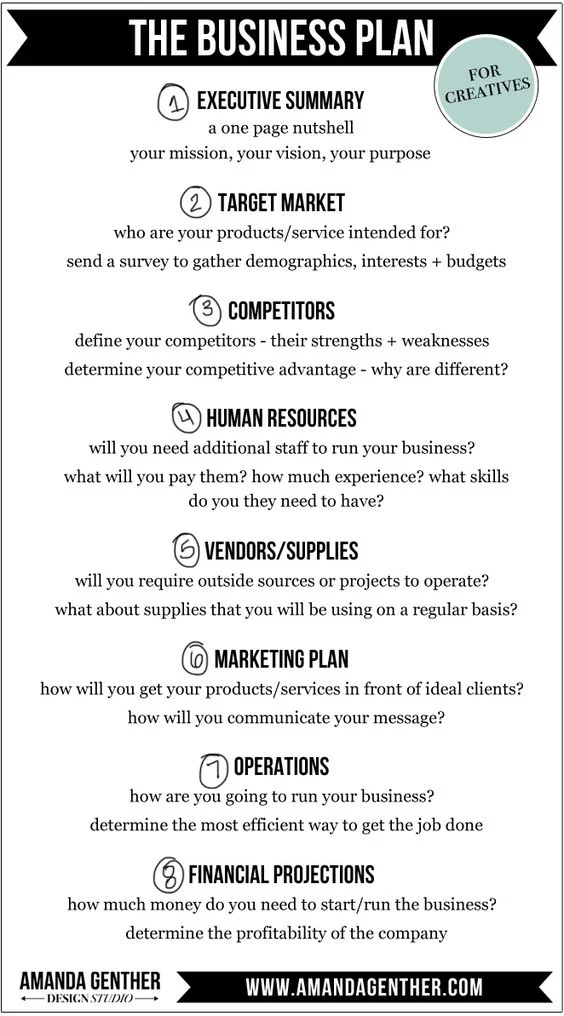
The final pillar of a professional business plan is an honest assessment of risk and a long-term vision for the business’s conclusion. Financial intelligence involves preparing for the unexpected and knowing how to capitalize on the value you’ve built.
Mitigating Financial Vulnerabilities
Every business faces risks, from supply chain disruptions to regulatory changes. Your business plan should include a risk management strategy that outlines how you will protect your capital. This might involve purchasing insurance, maintaining a dedicated emergency fund, or diversifying your supplier base. From a financial tools perspective, it may also involve using hedging strategies or credit management systems to protect against bad debt. Proactively addressing these risks in your plan builds credibility with lenders and partners.
Long-term Scaling and Investment Readiness
Finally, consider the “exit.” Even if you plan to run the business for decades, an exit strategy—such as an acquisition, an IPO, or a management buyout—is essential for understanding the ultimate value of the enterprise. A business plan should outline how the company will be valued in the future. Will it be based on a multiple of EBITDA (Earnings Before Interest, Taxes, Depreciation, and Amortization) or a multiple of revenue? By beginning with the end in mind, you can make financial decisions today that maximize the valuation of the company tomorrow. This forward-thinking approach ensures that your business plan is not just a document for today, but an asset for the future.
aViewFromTheCave is a participant in the Amazon Services LLC Associates Program, an affiliate advertising program designed to provide a means for sites to earn advertising fees by advertising and linking to Amazon.com. Amazon, the Amazon logo, AmazonSupply, and the AmazonSupply logo are trademarks of Amazon.com, Inc. or its affiliates. As an Amazon Associate we earn affiliate commissions from qualifying purchases.