
In the rapidly evolving landscape of global commerce, the mechanisms by which money moves have undergone a radical transformation. For decades, the financial sector was defined by legacy banking systems, physical merchant terminals, and fragmented payment gateways that required significant manual oversight. Today, however, the digital economy is powered by a different breed of financial infrastructure. At the center of this revolution is Stripe—a sophisticated, multi-faceted platform that has redefined what it means to manage business finance in the 21st century.
Strictly speaking, Stripe is a suite of financial tools and payment processing software designed to help businesses of all sizes accept payments, send payouts, and manage their finances online. While it is often simplified as a “payment processor,” its utility extends far deeper into the realms of corporate finance, treasury management, and global economic scalability. For entrepreneurs, financial officers, and independent creators, Stripe serves as the foundational layer that bridges the gap between digital code and real-world capital.
The Architecture of Digital Payments: How Stripe Transforms Money Movement
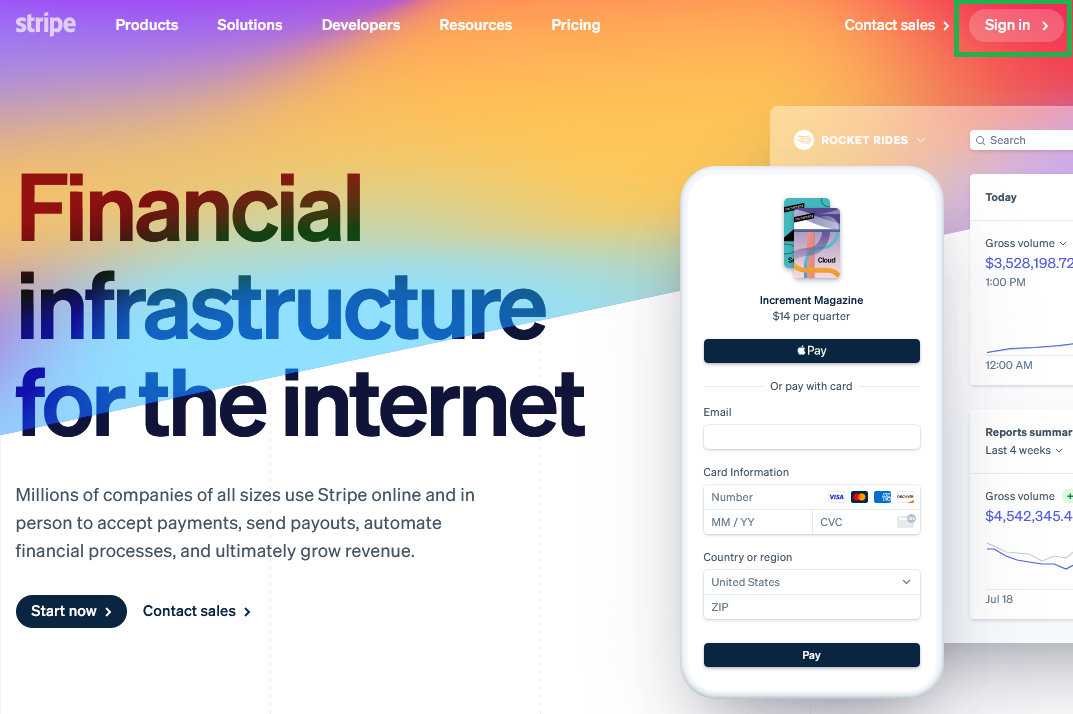
To understand what Stripe is, one must first understand the complexity it hides. Before platforms like Stripe existed, setting up a business to accept online payments was a month-long endeavor involving complex negotiations with merchant banks, payment gateways, and security auditors. Stripe simplified this by acting as a “payment aggregator,” allowing businesses to bypass the traditional hurdles of securing an individual merchant account.
The Mechanics of Transactional Finance
When a customer enters their credit card information into a digital storefront, a sequence of high-speed financial handshakes occurs. Stripe acts as the intermediary that facilitates these communications between the customer’s bank (the issuing bank), the credit card networks (like Visa or Mastercard), and the merchant’s bank (the acquiring bank). By providing this infrastructure, Stripe ensures that transactions are encrypted, authenticated, and settled with minimal friction.
For a business owner, this means that the financial risk of handling sensitive data is largely mitigated. Stripe maintains the highest level of PCI (Payment Card Industry) compliance, meaning that businesses do not have to store credit card numbers on their own servers. This reduction in liability is a critical financial asset for any enterprise looking to minimize operational risk.
Moving from Payments to Financial Infrastructure
Beyond simple transactions, Stripe’s architecture supports various “money movement” patterns. This includes one-to-many payments (such as a marketplace like Etsy paying out thousands of vendors), many-to-one payments (a standard e-commerce store), and even many-to-many complex flows. This flexibility has made it the primary choice for platform-based business models where the movement of funds is not a straight line but a complex web of debits and credits.
Optimizing Revenue Operations Through Stripe’s Financial Ecosystem
For a modern business, managing money is no longer just about receiving a lump sum at the end of the day. It involves sophisticated revenue operations, ranging from subscription management to automated invoicing. Stripe’s ecosystem is built to handle these specific financial workflows through specialized tools.
Managing Recurring Revenue and Subscriptions
The “subscription economy” has become a dominant force in personal and business finance. Stripe Billing is a dedicated tool within the platform that allows companies to manage recurring revenue models. From a financial management perspective, this is invaluable. It automates the calculation of prorated charges when a customer upgrades their plan, handles “dunning” (the process of retrying failed payments to prevent churn), and generates recurring invoices without manual intervention.
For businesses focused on long-term financial health, the ability to predict cash flow through subscription metrics is vital. Stripe provides real-time data on Monthly Recurring Revenue (MRR), Churn Rate, and Lifetime Value (LTV), turning a payment processor into a strategic financial dashboard.
Automating Invoicing and B2B Payments
While e-commerce often focuses on credit cards, B2B finance often relies on ACH transfers, wire transfers, and formal invoicing. Stripe’s financial tools allow businesses to issue professional, tax-compliant invoices that can be paid via multiple methods. By automating the reconciliation process—where the system automatically matches an incoming wire transfer to a specific open invoice—Stripe saves finance teams hundreds of hours that would otherwise be spent on manual bookkeeping.

Navigating Global Finance: Scaling Beyond Borders with Ease
One of the greatest challenges in business finance is international expansion. Dealing with multiple currencies, varying tax laws, and local payment preferences can create a significant “financial friction” that prevents companies from scaling. Stripe addresses these challenges by providing a localized experience on a global scale.
Multi-Currency Management and Exchange
Stripe supports over 135 currencies, allowing businesses to charge customers in their native currency while receiving funds in the business’s own functional currency. This is not merely a convenience; it is a sophisticated financial service. Stripe manages the exchange rates and the complexities of cross-border settlements, which often involve navigating different banking regulations in every country. For an online business, this means the ability to “go global” on day one without opening a dozen international bank accounts.
Tax Compliance and Reporting
Financial compliance is perhaps the most daunting aspect of global trade. Sales tax in the United States, VAT in Europe, and GST in other regions have different thresholds and filing requirements. Stripe Tax is a tool that automatically calculates and collects the correct amount of tax based on the customer’s location. It also monitors the business’s sales to alert them when they have reached a “tax nexus” in a new jurisdiction. By integrating tax compliance directly into the payment flow, Stripe helps businesses avoid the massive financial penalties associated with improper tax reporting.
Strategic Financial Management: Risk, Credit, and Working Capital
A truly comprehensive financial tool does more than just move money; it helps a business grow its capital and protect its assets. Stripe has expanded into “Banking-as-a-Service,” providing financial products that were traditionally the exclusive domain of commercial banks.
Fraud Prevention and Risk Mitigation
Every digital transaction carries the risk of fraud, which can lead to “chargebacks”—instances where a customer disputes a charge, and the money is pulled back from the merchant’s account along with a penalty fee. Stripe Radar uses machine learning and billions of data points across its network to identify and block fraudulent transactions before they happen. For a business, this protection is a direct safeguard for the bottom line, preserving profit margins that would otherwise be eroded by theft.
Accessing Capital for Growth
One of the most innovative aspects of the Stripe ecosystem is Stripe Capital. Traditional bank loans often require extensive paperwork, collateral, and weeks of waiting. Because Stripe has a direct view of a business’s cash flow and historical performance, it can offer “working capital” loans with almost no application process.
Repayment of these loans is typically structured as a percentage of daily sales, meaning the financial burden scales with the business’s performance. In slow months, the repayment amount drops; in high-growth months, the loan is paid back faster. This aligns the financial interests of the platform with the success of the merchant, providing a flexible alternative to traditional corporate debt.
Treasury and Corporate Spend
Through Stripe Treasury, companies can embed financial services into their own platforms, or use Stripe to manage their own corporate spending. Stripe Issuance allows businesses to create virtual and physical credit cards for their employees, setting specific spending limits and tracking expenses in real-time. This level of control over corporate finance ensures that every dollar spent is accounted for and categorized, streamlining the path toward a “fast close” at the end of the fiscal quarter.
The Future of Business Finance: Why Integration is the Ultimate Asset
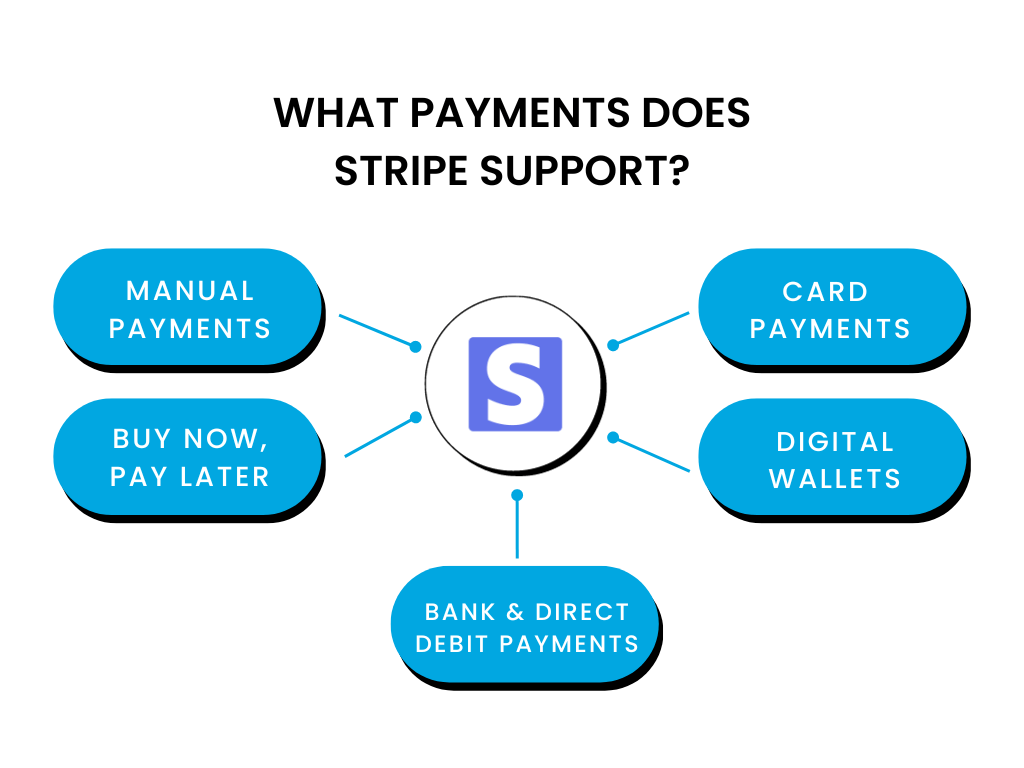
In the current economic climate, the businesses that thrive are those that can pivot quickly, optimize their margins, and reduce the time between a sale and the availability of funds. Stripe’s core value proposition in the world of finance is the elimination of “silos.” By housing payments, subscriptions, tax compliance, fraud prevention, and capital access under one roof, it creates a unified financial ledger.
This integration allows for a level of insight that was previously impossible. A Chief Financial Officer can look at a single dashboard to see global sales, pending payouts, tax liabilities, and outstanding loan balances. This transparency is the ultimate asset for financial decision-making.
What is Stripe? It is more than a way to “accept cards.” It is a comprehensive financial operating system that empowers the individual freelancer and the global enterprise alike to navigate the complexities of the modern economy. By turning the “plumbing” of the financial world into a strategic advantage, Stripe has ensured that capital can flow as freely as information, allowing the internet economy to reach its full financial potential.
aViewFromTheCave is a participant in the Amazon Services LLC Associates Program, an affiliate advertising program designed to provide a means for sites to earn advertising fees by advertising and linking to Amazon.com. Amazon, the Amazon logo, AmazonSupply, and the AmazonSupply logo are trademarks of Amazon.com, Inc. or its affiliates. As an Amazon Associate we earn affiliate commissions from qualifying purchases.