
In the hyper-competitive landscape of the quick-service restaurant (QSR) and retail sectors, the question of “what time Jacks close” is far more than a logistical inquiry from a hungry consumer. It is a critical data point in the study of brand strategy and corporate identity. When a brand like Jack in the Box—often colloquially referred to as “Jacks”—establishes its operational hours, it is making a definitive statement about its brand promise, its target demographic, and its position within the market. Operational availability is a foundational pillar of brand equity, influencing how a corporation is perceived in terms of reliability, accessibility, and customer-centricity.
The 24/7 Brand Promise: Why Accessibility Defines Corporate Identity
The concept of a “never-closed” business model is a powerful marketing tool that transforms a brand from a mere service provider into a reliable utility. For Jack in the Box, the decision to keep the majority of its locations open 24 hours a day is a core component of its brand identity. It positions the company as a “hero of the late-night,” catering to a segment of the population that is often underserved by traditional business models.
The Psychology of Reliability in Branding
Reliability is a key driver of brand loyalty. When a consumer asks what time a location closes and discovers it doesn’t, a psychological bond is formed. This “always-on” status communicates that the brand is there to serve the customer’s needs on their schedule, not the company’s. In brand strategy, this is known as reducing friction. By eliminating the barrier of closing times, Jacks reinforces a corporate identity centered on convenience. This reliability builds a reservoir of brand equity that competitors with standard operating hours struggle to match.
Operational Hours as a Unique Value Proposition (UVP)
In a saturated market, a Unique Value Proposition is essential for survival. For many QSR brands, the food itself is only half of the equation; the other half is the “where” and “when.” By staying open while other major chains close their doors, Jack in the Box captures a significant “after-hours” market share. This strategic window—typically between 11:00 PM and 5:00 AM—becomes a branded experience. The late-night menu, specifically designed for this demographic, further solidifies the brand’s identity as a specialized provider for the unconventional consumer.
Local Variation vs. Global Consistency: Navigating Brand Strategy Across Jurisdictions
While the overarching brand strategy might lean toward 24/7 availability, the reality of global and local operations often introduces complexity. The question of “what time Jacks close” can yield different answers depending on the specific franchise location, local labor laws, and neighborhood safety profiles. Managing these variations without diluting the brand identity is a masterclass in corporate strategy.
The Challenge of Decentralized Operations
Jack in the Box operates on a heavily franchised model. While corporate headquarters sets the brand standards, individual franchisees often have some latitude regarding operational hours based on local profitability and logistics. This creates a tension between the brand’s national marketing—which often emphasizes late-night availability—and the local reality. To maintain brand integrity, the parent company must ensure that even if a location does close at midnight or 2:00 AM, the quality of service and the “vibe” of the brand remain consistent with the national image.
Geographical Branding and Market Adaptation
Brand strategy requires a keen understanding of geography. A “Jacks” located in a high-traffic urban center near a university will have a vastly different operational requirement than one located in a quiet suburban strip mall. Corporate identity is not a monolith; it must be flexible enough to adapt to local environments. Strategic leaders must decide whether a location’s early closing time hurts the brand’s “always open” reputation or if it is a necessary pivot to maintain operational efficiency. This balance is critical for maintaining long-term financial health while protecting the brand’s perceived value.
The Economic Psychology of Late-Night Branding
The decision regarding closing times is deeply rooted in the economics of brand positioning. By identifying as a late-night destination, a brand attracts specific psychographic profiles—shift workers, students, and night-owls. This target marketing allows for more precise advertising spends and product development.
Capturing the “After-Hours” Demographic
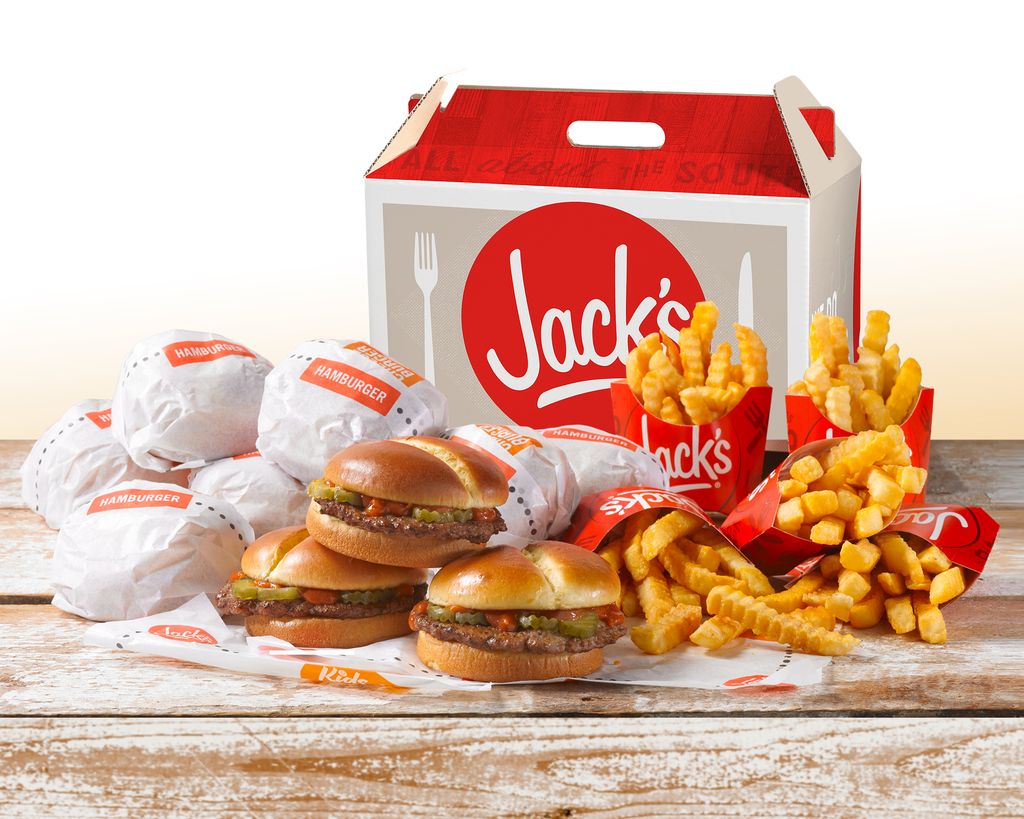
The late-night consumer is often less price-sensitive and more focused on convenience and speed. By tailoring its marketing efforts to this group, Jack in the Box has successfully carved out a niche. The brand’s “Munchie Meals” are a prime example of product branding aligned with operational hours. This isn’t just about selling food; it’s about creating a cultural moment that occurs specifically when other brands are offline. This strategic alignment of “what time they close” (or don’t) with “what they sell” creates a cohesive brand narrative that resonates with the target audience.
The Halo Effect of Midnight Marketing
Even for consumers who never visit a location at 3:00 AM, the knowledge that the brand is open creates a “halo effect.” It suggests a high level of operational capacity and a commitment to service. In the minds of consumers, a brand that is capable of operating 24/7 is often perceived as more robust and successful than one that follows a standard 9-to-5 schedule. This perception feeds back into the corporate identity, elevating the brand’s status within the competitive landscape of the fast-food industry.
Brand Evolution: From Physical Hours to Digital Presence
In the modern digital economy, the question of when a brand “closes” is becoming increasingly obsolete. While the physical doors might have a closing time, the digital brand is always active. This shift has forced brands like Jack in the Box to rethink their strategy regarding customer engagement and brand visibility.
The Rise of the Virtual Storefront
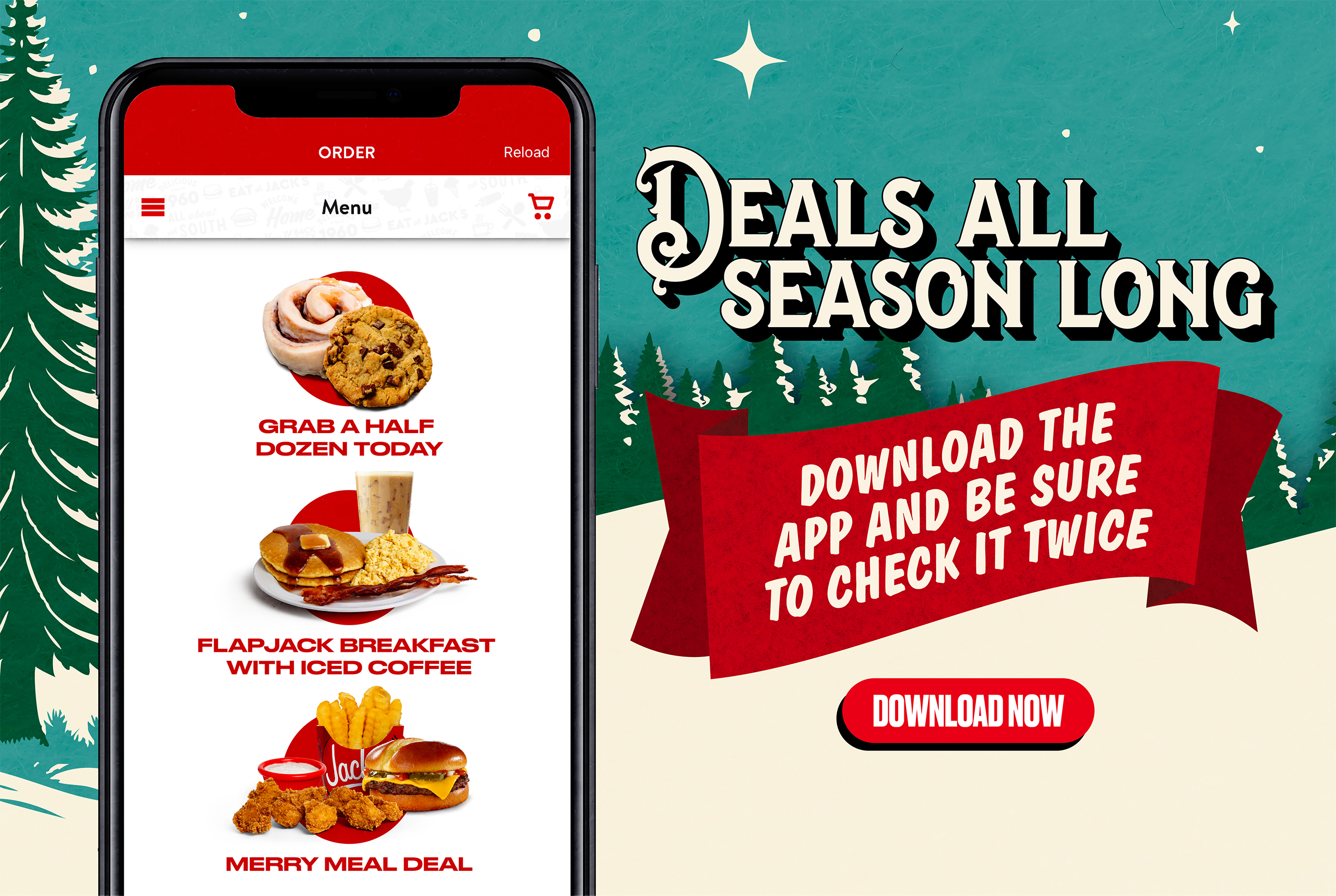
Through delivery apps like DoorDash, UberEats, and the brand’s own proprietary app, the “closing time” is often extended beyond the physical dining room hours. A location might close its lobby at 10:00 PM but keep its drive-thru and delivery operations running until 4:00 AM. This multi-tiered approach to operational hours allows the brand to maximize revenue while minimizing overhead. From a branding perspective, this requires a sophisticated communication strategy to ensure customers know exactly how and when they can interact with the brand across different platforms.
Social Media and the 24-Hour Conversation
A brand’s identity is now forged on social media as much as it is in the physical world. For a brand that prides itself on being available at all hours, its social media presence must reflect that same energy. Jack in the Box has utilized a “cheeky,” irreverent tone on platforms like X (formerly Twitter) and Instagram, often engaging with users during late-night hours. This reinforces the brand’s identity as a companion to the night-owl. When the brand is “awake” online at the same time its customers are, it builds an authentic connection that transcends the transactional nature of retail.
Future-Proofing the Brand: The Automation of Availability
As labor costs rise and the workforce evolves, the strategy behind operational hours is shifting toward automation. The future of “what time Jacks close” may eventually be “never,” facilitated by AI and autonomous service modules.
AI and the End of the Closing Shift
We are seeing a move toward automated drive-thrus and AI-driven ordering systems. These technologies allow brands to maintain their 24/7 identity without the traditional labor hurdles. By integrating AI into the operational model, Jack in the Box and similar brands can ensure consistency in service regardless of the hour. This technological integration becomes part of the brand’s modern identity—a forward-thinking, tech-savvy company that uses innovation to meet customer demands.

Sustainable Branding and Operational Efficiency
In the future, brand strategy will also need to account for sustainability. Operating 24/7 has a significant energy footprint. Forward-thinking brands are already looking at how to balance their “always open” promise with corporate social responsibility (CSR) goals. This might involve smart-lighting, energy-efficient kitchen equipment, and sustainable supply chain management. A brand that can remain open 24/7 while also being eco-conscious will hold a significant competitive advantage in a market where consumers increasingly value ethical corporate behavior.
In conclusion, the operational hours of a brand like Jack in the Box are a fundamental element of its strategic identity. The answer to “what time Jacks close” serves as a benchmark for the brand’s commitment to its customers, its agility in the marketplace, and its overall corporate vision. By maintaining a focus on accessibility, leveraging the economics of the late-night market, and embracing digital transformation, the brand ensures that it remains a dominant force in the minds of consumers, regardless of what the clock says.
aViewFromTheCave is a participant in the Amazon Services LLC Associates Program, an affiliate advertising program designed to provide a means for sites to earn advertising fees by advertising and linking to Amazon.com. Amazon, the Amazon logo, AmazonSupply, and the AmazonSupply logo are trademarks of Amazon.com, Inc. or its affiliates. As an Amazon Associate we earn affiliate commissions from qualifying purchases.