
In the landscape of modern personal finance and wealth management, the Donor-Advised Fund (DAF) has emerged as one of the most powerful and flexible tools for charitable giving. While many individuals are familiar with traditional methods of philanthropy—such as writing a check or donating goods to a local shelter—a DAF account offers a sophisticated alternative that aligns financial planning with social impact. At its core, a DAF is a private fund managed by a public charity that allows donors to make a charitable contribution, receive an immediate tax benefit, and then recommend grants from the fund over time.
As wealth grows, so does the complexity of managing it. For high-net-worth individuals, entrepreneurs, and families looking to build a lasting legacy, understanding the mechanics, advantages, and strategic applications of a DAF account is essential. This guide explores the intricacies of Donor-Advised Funds, positioning them not just as a vehicle for altruism, but as a cornerstone of an intelligent financial strategy.
Understanding the Mechanics of a Donor-Advised Fund
A Donor-Advised Fund operates as a centralized hub for an individual’s or family’s philanthropic activity. It is often compared to a 401(k) for charity: you put money in, it grows tax-free, and you distribute it for a specific purpose. However, unlike a retirement account, the funds in a DAF are committed solely to charitable organizations and cannot be withdrawn for personal use.
The Three-Step Lifecycle of a DAF
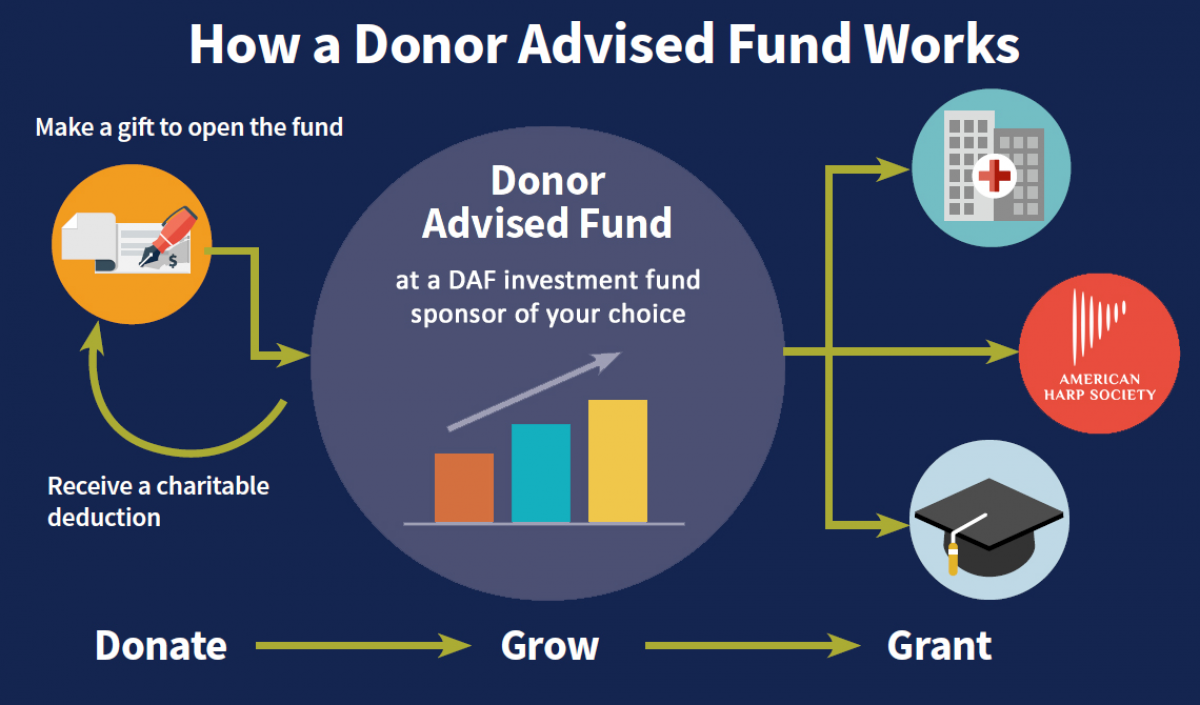
The lifecycle of a DAF account involves three primary phases: Contribution, Investment, and Granting.
-
Contribution: You initiate the process by contributing assets to a DAF sponsoring organization. This could be a national nonprofit (like those affiliated with major brokerage firms), a community foundation, or a religiously affiliated organization. Once the contribution is made, it is irrevocable, meaning the assets now legally belong to the sponsoring organization.
-
Investment: While the funds sit in the account waiting to be distributed to specific charities, the donor typically has the right to recommend how those funds are invested. Most DAF sponsors offer a variety of investment pools, ranging from conservative money market funds to aggressive equity portfolios. Because the DAF is a tax-exempt entity, any investment growth within the account is tax-free, potentially increasing the total amount available for future giving.
-
Granting: At any time—whether it’s weeks, months, or years after the initial contribution—the donor can recommend grants to IRS-qualified 501(c)(3) public charities. While the sponsoring organization has the final legal say, they almost always honor the donor’s recommendation, provided the recipient is a legitimate charity in good standing.
Eligible Assets for Contribution
One of the primary reasons DAFs have exploded in popularity is the breadth of assets they can accept. While cash is the most common contribution, the most financially savvy donors use DAFs to offload “complex assets.” These include:
-
Appreciated Securities: Publicly traded stocks, bonds, or mutual funds that have increased in value.
-
Private Equity and Hedge Fund Interests: More complex holdings that are often difficult to donate directly to smaller nonprofits.
-
Real Estate: Residential or commercial property.
-
Cryptocurrency: A growing category of contribution as digital assets become a larger part of modern portfolios.
The Strategic Financial Advantages of Using a DAF
The rise of the DAF account is largely driven by its significant tax advantages. In the realm of personal finance, a DAF is a “triple-win” scenario: it benefits the donor, the financial plan, and the ultimate charitable recipient.
Immediate Tax Deduction
When you contribute to a DAF, you are eligible for an immediate federal income tax deduction. This is true even if the money isn’t distributed to a specific charity until years later. This “decoupling” of the tax deduction from the actual gift is a vital tool for tax planning. For example, if an individual has a particularly high-income year due to a bonus, the sale of a business, or a large stock vesting event, they can contribute a significant sum to a DAF to offset their taxable income in that specific year, then take their time deciding which charities to support in the future.
Eliminating Capital Gains Taxes
Perhaps the most potent financial benefit of a DAF is the treatment of appreciated assets. If you sell a stock that has grown significantly in value, you would normally owe capital gains tax on the profit. However, if you donate that stock directly to a DAF, you pay zero capital gains tax. Furthermore, you can usually claim a deduction for the full fair market value of the asset (up to 30% of your adjusted gross income for non-cash assets). This allows you to give significantly more to charity than you could if you sold the asset, paid the taxes, and donated the remaining cash.
The “Bunching” Strategy
Since the 2017 Tax Cuts and Jobs Act increased the standard deduction, many taxpayers no longer find it beneficial to itemize their deductions. A DAF allows for a strategy known as “charitable bunching.” Instead of donating $5,000 every year (which might fall below the standard deduction threshold), a donor could “bunch” several years’ worth of giving into a single $25,000 contribution to a DAF. This pushes them well above the standard deduction for that year, maximizing their tax savings, while they continue to recommend $5,000 grants from the DAF to their favorite charities annually.
Comparing DAFs to Private Foundations
Historically, the wealthy established private foundations to manage their long-term giving. While private foundations offer a high degree of control, they come with significant administrative burdens and costs. For many, a DAF account provides 90% of the benefits of a foundation with 10% of the hassle.

Cost and Ease of Setup
A private foundation requires legal counsel to establish, its own board of directors, annual filings with the IRS, and separate tax returns. In contrast, a DAF can be opened online in minutes with very low minimums (often $0 to $25,000 depending on the provider). The sponsoring organization handles all the record-keeping, tax reporting, and due diligence on the charities receiving grants.
Privacy and Anonymity
Private foundations are matters of public record. Their filings (Form 990-PF) disclose the names of donors, board members, and every grant made. DAFs, however, offer the option of total anonymity. If a donor wishes to support a sensitive cause or simply prefers not to be added to every charity’s solicitation list, they can recommend grants be made anonymously through the DAF sponsor.
Payout Requirements
Private foundations are legally required to distribute roughly 5% of their assets every year. DAFs currently have no federal annual payout requirement for individual accounts. This allows the fund to grow during bull markets and act as a “rainy day fund” for charities during economic downturns when personal income might be tighter but community need is higher.
How to Incorporate a DAF into Your Wealth Strategy
Beyond the tax perks, a DAF account serves as a sophisticated tool for legacy planning and family values. It moves the conversation from “how much can I afford to give?” to “what impact do I want to have?”
Building a Family Legacy
DAFs are excellent tools for involving the next generation in financial stewardship. Many donors name their children as successor advisors on the account. This allows parents to teach their children about the importance of philanthropy and the basics of investment management. Families can hold annual meetings to discuss which causes to support, turning wealth management into a collaborative exercise in shared values.
Succession Planning and Business Sales
For entrepreneurs, a DAF is often integrated into an “exit strategy.” Before a business is sold, the founder might donate a portion of their private shares to a DAF. Upon the sale of the company, the DAF receives the proceeds from those shares tax-free. This significantly reduces the founder’s tax liability during the liquidity event and creates a substantial charitable endowment that can support the founder’s philanthropic goals for the rest of their life.
Integrating with Estate Planning
A DAF can also be named as a beneficiary in a will or a living trust. By directing a portion of an estate to a DAF, individuals can reduce the estate tax burden on their heirs while ensuring that their commitment to specific causes continues long after they are gone. Because the DAF sponsor is a public charity, these contributions are generally excluded from the taxable estate.
Choosing the Right DAF Provider and Getting Started
Once you have decided that a DAF account fits your financial goals, the next step is choosing a sponsoring organization. There are three main types of sponsors, each with its own advantages.
National Sponsors
These are typically independent 501(c)(3) organizations associated with large financial institutions (e.g., Fidelity Charitable, Schwab Charitable, Vanguard Charitable). They generally offer the most robust online platforms, the widest range of investment options, and the lowest administrative fees. They are ideal for donors who want ease of use and the ability to view their charitable assets alongside their brokerage accounts.
Community Foundations
Local community foundations focus on a specific geographic area. They offer a deep level of expertise regarding local needs and nonprofits. For a donor who wants their giving to stay within their city or state and who values personalized advice on local impact, a community foundation is an excellent choice.
Single-Issue or Religious Sponsors
Some DAFs are sponsored by organizations with a specific mission, such as a university or a religious federation. These are ideal for donors who know that the vast majority of their giving will align with that specific institution’s mission, as these sponsors often have expertise in specialized areas of philanthropy.

Final Considerations
When evaluating a provider, look closely at the fee structure. DAFs typically charge an administrative fee (often around 0.60% for the first $500,000) and an investment fee based on the chosen portfolio. You should also ensure the sponsor accepts the types of assets you plan to contribute and that their online grant-making portal is intuitive.
In summary, a DAF account is far more than a simple donation tool. It is a strategic financial account that allows for sophisticated tax planning, asset growth, and the intentional distribution of wealth. By understanding and utilizing a Donor-Advised Fund, individuals can maximize the efficiency of their financial life while creating a meaningful and lasting impact on the world around them.
aViewFromTheCave is a participant in the Amazon Services LLC Associates Program, an affiliate advertising program designed to provide a means for sites to earn advertising fees by advertising and linking to Amazon.com. Amazon, the Amazon logo, AmazonSupply, and the AmazonSupply logo are trademarks of Amazon.com, Inc. or its affiliates. As an Amazon Associate we earn affiliate commissions from qualifying purchases.