
The Apple Watch has become an indispensable companion for millions, seamlessly blending technology with our daily lives. Beyond its communication and productivity features, it’s a powerful fitness tracker, meticulously monitoring our activity levels. At the heart of this tracking are “calories,” but not all calories are created equal in the Apple Watch ecosystem. Understanding the distinction between “active calories” and other calorie metrics is crucial for anyone looking to accurately gauge their fitness progress, manage their weight, and optimize their workouts.
This article will delve into what active calories represent on your Apple Watch, how they are calculated, why they matter, and how you can leverage this information to achieve your health and fitness goals. We’ll explore the technology behind the tracking, the branding implications of fitness data, and how understanding calorie expenditure can tie into personal finance and wealth building.
The Science Behind Your Burn: How Apple Watch Tracks Active Calories
At its core, the Apple Watch utilizes a sophisticated array of sensors to estimate your calorie expenditure. The primary sensors involved in active calorie calculation are:
- Accelerometer: This sensor detects motion and movement. It’s the fundamental component that recognizes when you’re walking, running, or engaging in any physical activity. The intensity and duration of your movements are key inputs here.
- Gyroscope: Working in conjunction with the accelerometer, the gyroscope measures rotational movements. This adds a layer of detail to how your body is moving, allowing for more accurate detection of nuanced activities.
- Heart Rate Sensor: This is arguably one of the most crucial components for accurate calorie estimation. Your heart rate is a direct indicator of your cardiovascular exertion. The higher your heart rate, the more oxygen your body is consuming, and consequently, the more calories you are burning to sustain that effort. The Apple Watch continuously monitors your heart rate throughout the day and especially during workouts.
- GPS (on select models): For outdoor activities like running, cycling, or hiking, the GPS sensor tracks your distance and pace. This external data provides a more precise understanding of the energy required to cover a specific distance, especially for activities where stride length and terrain can vary.
Algorithm and Data Fusion: The Invisible Engine
The Apple Watch doesn’t just collect raw data from these sensors; it employs a complex algorithm that fuses this information together. This algorithm takes into account:
- Your personal data: Crucially, the Apple Watch uses your age, gender, height, and weight, which you input during the initial setup. This data is essential for establishing a baseline metabolic rate.
- Activity type: The algorithm tries to intelligently identify the type of activity you’re performing. For example, a brisk walk will be recognized differently from a high-intensity interval training (HIIT) session, even if they momentarily register similar heart rates.
- Intensity and duration: The intensity of your movement (measured by accelerometer, gyroscope, and heart rate) and how long you sustain it are paramount.
- Environmental factors (less direct, but influential): While not explicitly measured for calorie calculation, factors like incline (detected by motion sensors during elevation changes) can indirectly influence calorie burn.
The Distinction: Active Calories vs. Total Calories
This is where the clarity is vital. When you see calorie figures on your Apple Watch, it’s usually presented in two primary ways:
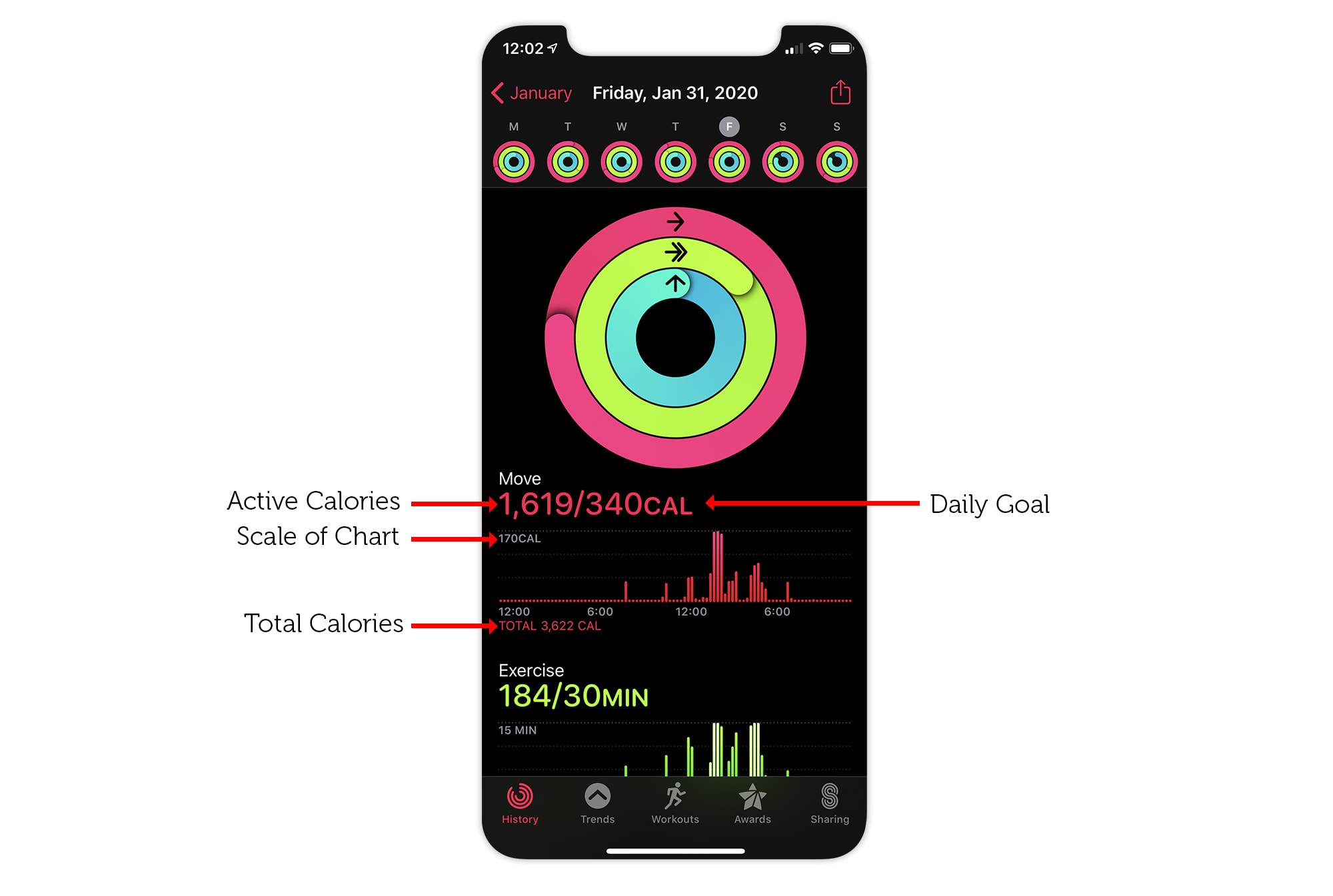
- Active Calories: These are the calories you burn through intentional exercise and movement. Think of it as the calories you “earn” through your efforts. This includes everything from a brisk walk to a vigorous gym session, a cycling ride, or even an intense game of tennis. The Apple Watch specifically targets and quantifies this metric.
- Total Calories: This represents the total calories you burn in a 24-hour period. It’s a cumulative figure that includes both your active calories and your resting calories.
Resting Calories, often not explicitly displayed but factored into your total, are the calories your body burns at rest to maintain basic life functions like breathing, circulation, and cell production. This basal metabolic rate (BMR) is influenced by your age, gender, weight, and body composition.
Why is this distinction important? For fitness enthusiasts, focusing on active calories provides a more accurate measure of the energy expenditure directly attributable to their workouts. It helps in setting realistic fitness goals, tracking progress in terms of effort, and understanding how much “extra” caloric deficit they are creating through physical activity.
The Importance of Active Calories for Your Fitness Journey
Understanding and tracking active calories is more than just a number; it’s a powerful motivator and a key component of effective fitness management.
Motivating Your Movement
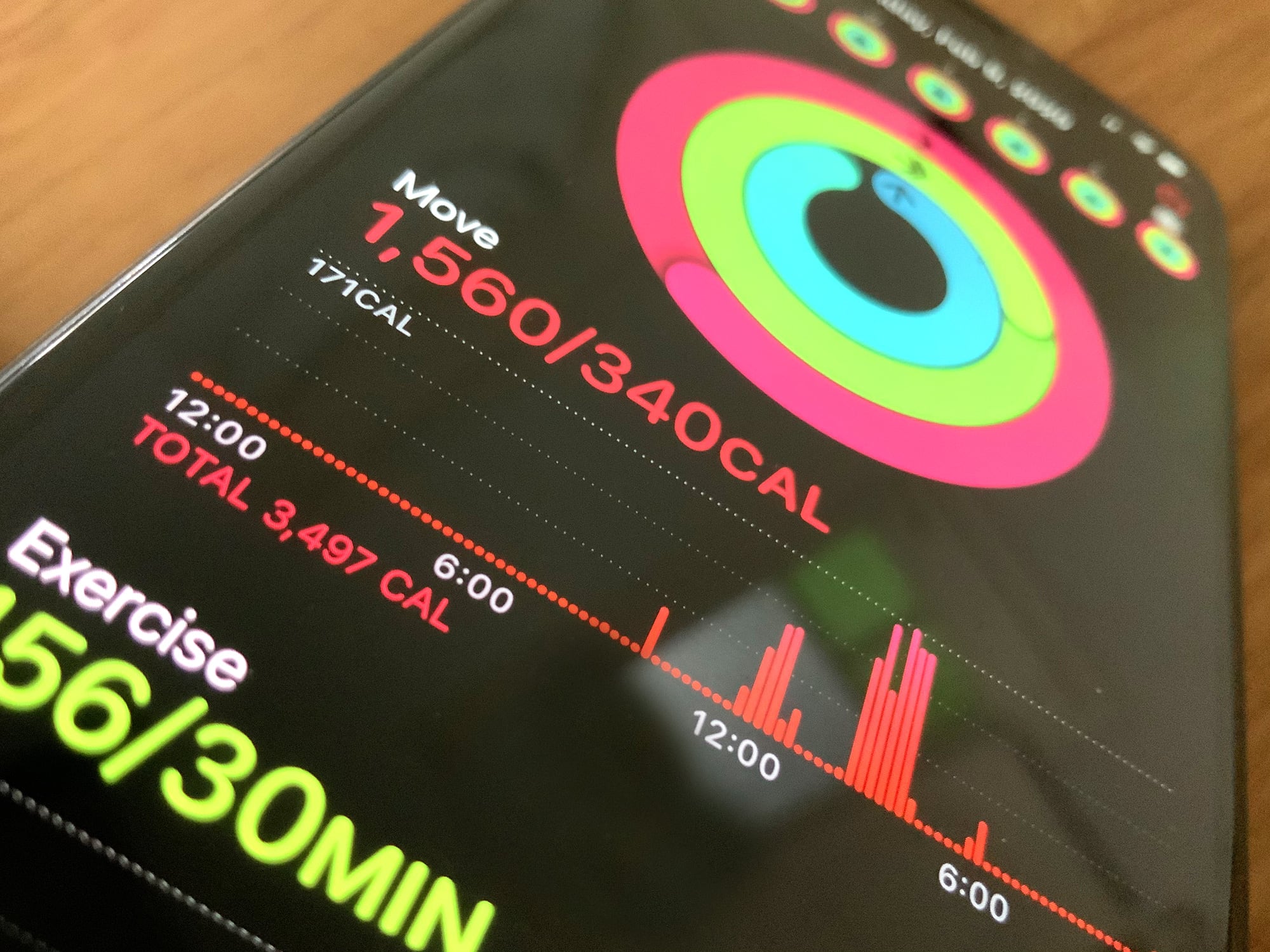
The “Move” ring on your Apple Watch is dedicated to active calories. Seeing this ring fill up throughout the day can be incredibly motivating. It provides a tangible representation of your progress and encourages you to push a little harder, walk a little further, or choose stairs over the elevator. This gamified approach, powered by active calorie tracking, taps into behavioral psychology to encourage healthier habits.

Setting and Achieving Fitness Goals
Whether your goal is weight loss, improved cardiovascular health, or simply to be more active, active calories are a critical metric.
- Weight Management: For those aiming to lose weight, a consistent calorie deficit is essential. Active calories represent the calories you can consciously influence and increase through exercise. By understanding how many active calories you burn during different activities, you can better plan your workouts to contribute to your overall calorie deficit alongside dietary adjustments.
- Performance Improvement: Athletes and serious fitness enthusiasts can use active calorie data to monitor the intensity and volume of their training. For example, if you’re training for a marathon, you can track the active calories burned during your long runs to ensure you’re building the necessary endurance.
- Overall Health: Beyond weight, increased active calorie expenditure is linked to numerous health benefits, including improved heart health, reduced risk of chronic diseases, better mood, and increased energy levels.
Personalizing Your Fitness Experience
The Apple Watch’s ability to track active calories allows for a personalized approach to fitness. Instead of a one-size-fits-all recommendation, you can see what works best for your body and your lifestyle.
- Workout Optimization: By comparing the active calories burned during different types of workouts, you can identify which activities are most effective for your goals and which you enjoy the most, leading to greater adherence.
- Understanding Your Body: Over time, you’ll develop an intuitive understanding of how different activities and intensities translate into active calorie burn. This knowledge empowers you to make informed decisions about your exercise routine.
Integrating Active Calories with Brand and Personal Finance
The insights derived from Apple Watch’s active calorie tracking can extend beyond the realm of personal fitness, touching upon areas of branding and personal finance.
Brand Loyalty and Product Development
For Apple, the meticulous tracking of active calories is a core feature that drives engagement and loyalty. The “Move” ring, along with other activity goals, is a testament to their brand strategy of integrating technology into a healthy lifestyle.
- User Experience Design: The user interface for viewing and understanding calorie data is designed to be intuitive and encouraging. This focus on digital design and a seamless user experience is paramount to Apple’s brand identity.
- Data-Driven Innovation: The data collected from millions of Apple Watch users provides invaluable insights into consumer behavior and fitness trends. This fuels continuous improvement and the development of new features, further solidifying their position as a leader in wearable technology.
- Personal Branding through Fitness: Users often share their fitness achievements, including Apple Watch data, on social media. This becomes a form of personal branding, showcasing their commitment to health and wellness, often subtly associating them with the Apple brand.
Active Calories as a Component of Financial Wellness
While seemingly disparate, understanding your active calorie expenditure can indirectly inform your personal finance decisions.
- Health and Healthcare Costs: A healthier lifestyle, often supported by consistent active calorie expenditure, can lead to lower healthcare costs in the long run. Investing in your health through exercise can be seen as a form of preventative financial planning.
- Productivity and Income: Regular physical activity has been shown to boost cognitive function, energy levels, and reduce stress. This can translate into increased productivity at work, potentially leading to better career opportunities and higher online income or salary potential.
- Smart Spending on Fitness: By understanding which activities yield the most active calories for you, you can make more informed decisions about how to spend your money on fitness. Are you getting the most “bang for your buck” from your gym membership, or would a different type of activity be more effective for your goals? This aligns with financial tool utilization for optimizing personal expenditure.
- The “Investment” in Yourself: Ultimately, dedicating time and effort to burning active calories is an investment in your physical and mental well-being. This “investment” can yield significant returns in terms of quality of life, longevity, and the capacity to enjoy the fruits of your financial labor.
Maximizing Your Active Calorie Tracking with Apple Watch
To get the most out of your Apple Watch’s active calorie tracking, consider these tips:
- Ensure Accurate Personal Information: Double-check that your age, gender, height, and weight are correctly entered in the Health app. This is fundamental for accurate calculations.
- Wear Your Watch Consistently: The more you wear your Apple Watch, especially during workouts, the more data it can collect, leading to more precise tracking.
- Select the Correct Workout Type: When you start a workout, choose the most accurate activity type from the list. This helps the watch tailor its algorithms for that specific movement.
- Utilize Third-Party Apps: Many fitness apps integrate with Apple Health, allowing you to track a wider range of activities and potentially gain deeper insights into your calorie expenditure.
- Listen to Your Body: While the Apple Watch is a fantastic tool, it’s essential to remember that it’s an estimate. Pay attention to how you feel and adjust your activity accordingly.
In conclusion, the “active calorie” on your Apple Watch is a vital metric that quantifies the energy you expend through intentional physical activity. By understanding its significance, how it’s calculated, and its implications, you can harness the power of your Apple Watch to not only achieve your fitness goals but also to foster a more proactive and health-conscious lifestyle that can have positive ripple effects across your personal branding and financial well-being. The Apple Watch, in its continuous pursuit of technological advancement, offers a powerful lens through which to view and optimize your daily efforts, turning every movement into a measurable step towards a healthier, more fulfilling life.
aViewFromTheCave is a participant in the Amazon Services LLC Associates Program, an affiliate advertising program designed to provide a means for sites to earn advertising fees by advertising and linking to Amazon.com. Amazon, the Amazon logo, AmazonSupply, and the AmazonSupply logo are trademarks of Amazon.com, Inc. or its affiliates. As an Amazon Associate we earn affiliate commissions from qualifying purchases.