
Understanding the rhythmic fluctuations of the stock market often feels like decoding a complex, multi-dimensional puzzle. When investors wake up to green numbers across their screens, the immediate question is “why?” Market movements are rarely the result of a single isolated event; rather, they are the culmination of macroeconomic data, corporate performance, shifts in monetary policy, and the collective psychology of millions of participants.
Today’s upward trajectory is a byproduct of several converging factors that have aligned to bolster investor confidence. To navigate these waters effectively, one must look beneath the surface of the tickers and understand the underlying engines driving this momentum.
The Macroeconomic Engine: Interest Rates and Inflation Dynamics
The most significant driver of market sentiment in the modern era is the direction of interest rates and the subsequent health of the economy. Markets are forward-looking mechanisms, meaning they are not pricing in what is happening this second, but what they expect to happen six to twelve months from now.
The Federal Reserve and Monetary Policy Shifts
Central banks, particularly the Federal Reserve in the United States, act as the primary choreographers of market movement. When the market moves upward, it is often because investors perceive a “dovish” shift in policy. This means the Fed is either slowing down its rate hikes, pausing them entirely, or signaling that cuts are on the horizon. Lower interest rates reduce the cost of borrowing for corporations and individuals, which stimulates spending and investment. Furthermore, as rates stabilize or fall, the “discount rate” used to value future corporate earnings decreases, which mathematically leads to higher stock valuations.
Cooling Inflation and the Consumer Price Index (CPI)
Inflation is the natural enemy of equity markets because it erodes purchasing power and forces central banks to tighten the money supply. When today’s market pushes higher, it is frequently a reaction to favorable inflation data. If the Consumer Price Index (CPI) or the Personal Consumption Expenditures (PCE) price index shows a faster-than-expected cooling of prices, the market breathes a sigh of relief. This data suggests that the economy can achieve a “soft landing”—taming inflation without triggering a severe recession.
Employment Strength and Economic Resilience
Paradoxically, the market often cheers for “just right” economic data. If the labor market remains resilient without being so overheated that it triggers wage-price spirals, investors gain confidence. Strong employment numbers suggest that consumers—the backbone of the economy—still have the capital to spend, which supports corporate revenue growth across nearly every sector.
Corporate Earnings: The Bedrock of Valuation
While macroeconomics sets the stage, corporate earnings are the actual performance. Stocks represent ownership in businesses, and if those businesses are more profitable than expected, their shares become more valuable.
Beating the “Whisper Number”
During earnings seasons, the market’s direction is heavily dictated by quarterly reports. A market rally often occurs when a critical mass of influential companies beats analyst expectations. It is not just about the raw profit numbers, but the “whisper numbers”—the unofficial expectations held by institutional investors. When companies demonstrate that they can maintain profit margins despite inflationary pressures or supply chain hurdles, it validates the current market pricing and invites more capital into the fray.
The Influence of Mega-Cap Growth and Tech
In the modern market, a handful of massive technology and growth companies—often referred to as the “Magnificent Seven” or similar groupings—carry disproportionate weight in major indices like the S&P 500 and the Nasdaq. When these giants report strong cloud computing growth, advancements in artificial intelligence integration, or robust advertising revenue, they can single-handedly lift the entire market. Today’s upward movement may be a direct result of institutional money flowing into these high-conviction assets as they lead the charge into new technological frontiers.
Forward Guidance and Optimistic Outlooks
Stock prices are a reflection of future cash flows. Therefore, a company’s “guidance”—what the management team predicts for the next quarter or year—is often more important than its past performance. When CEOs express optimism about demand, cost-cutting efficiencies, or new product cycles, it reduces uncertainty. In a world of volatility, certainty is a premium commodity that investors are willing to pay for, driving prices higher.
Market Psychology and Technical Momentum
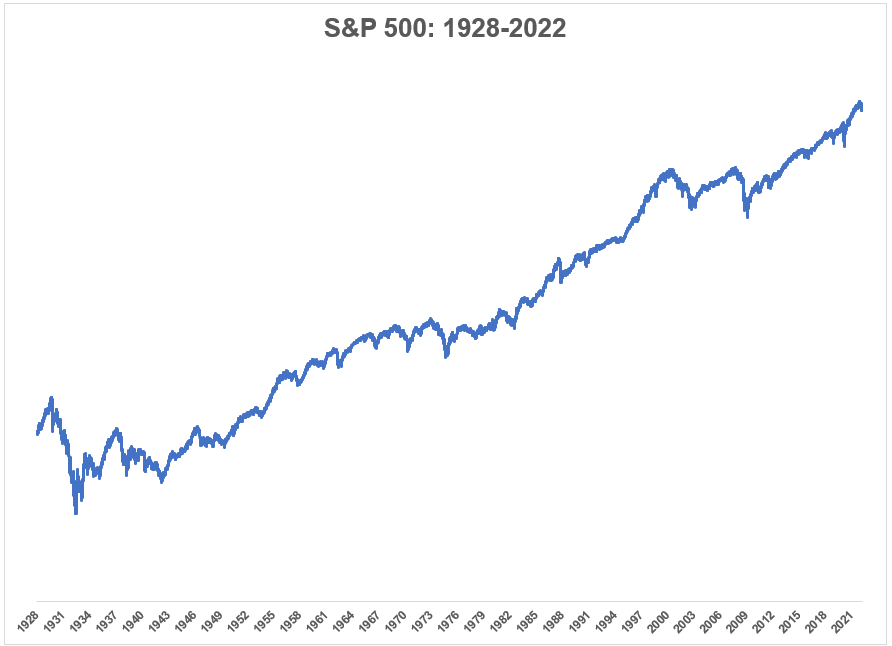
The stock market is not just a collection of spreadsheets; it is a manifestation of human behavior. Fear and greed are the two primary emotions that dictate short-term price action.
The “Fear of Missing Out” (FOMO) and Momentum
Once a market starts moving upward due to fundamental reasons, technical factors often take over to accelerate the trend. As prices break through key “resistance levels”—previous price peaks that acted as ceilings—it triggers a psychological shift. Retail and institutional investors who were sitting on the sidelines in cash begin to feel the “fear of missing out.” This influx of “sideline capital” creates a self-fulfilling prophecy of higher prices, as increased demand meets a limited supply of shares.
Short Squeezes and Technical Rebounds
Sometimes, the market goes up because it simply stopped going down. In a “short squeeze,” investors who bet that the market would fall are forced to buy back shares to close out their positions as prices rise, which inadvertently pushes prices even higher. Additionally, when indices hit long-term moving averages (like the 200-day moving average), “algorithmic trading” bots are often programmed to buy, creating a floor that bounces the market upward.
Sentiment Analysis and the VIX
The CBOE Volatility Index, or the VIX, is often called the “fear gauge.” When the VIX drops, it indicates that investors are becoming less concerned about immediate risks. This decline in perceived risk encourages “risk-on” behavior, where investors move money out of “safe havens” like gold or Treasury bonds and into “riskier” assets like equities. A rising market today often mirrors a falling VIX, signaling a period of relative calm and optimism.
Geopolitical Stability and Global Factors
In an interconnected global economy, events on the other side of the world have an immediate impact on domestic markets. A rally today might be rooted in the resolution or stabilization of external pressures.
Energy Prices and Commodity Stability
Energy is a primary input for almost every industry. When oil and natural gas prices stabilize or decline, it acts like a universal tax cut for both corporations and consumers. Lower energy costs improve manufacturing margins and leave more disposable income in the pockets of travelers and shoppers. If today’s market is up, look to the energy sector and commodity markets; a cooling in crude oil often paves the way for a heating up of the S&P 500.
Currency Fluctuations and the Strength of the Dollar
For multi-national corporations, the strength of the U.S. Dollar is a critical factor. A slightly weaker dollar makes American goods more competitive abroad and increases the value of international profits when they are converted back into USD. If the dollar index (DXY) is softening today, it provides a tailwind for the large-cap stocks that dominate the indices, as their global earnings suddenly look more attractive on the balance sheet.
Trade Relations and Geopolitical De-escalation
Markets hate uncertainty. Any news suggesting a de-escalation in trade tensions, the signing of new commercial treaties, or the avoidance of anticipated conflict provides a “stability premium.” When the geopolitical “temperature” drops, investors feel more comfortable making long-term bets on growth, leading to the broad-based buying we see during market rallies.
Navigating the Upswing: Strategies for the Disciplined Investor
While a rising market is cause for celebration, it also requires a disciplined approach to ensure that short-term gains translate into long-term wealth.
Resisting the Urge to Chase
The greatest risk in a rising market is “chasing the top.” Professional investors use days of green to evaluate their positions rather than blindly adding to them. It is essential to distinguish between a “relief rally”—a temporary bounce in a downward trend—and a “bull market breakout.” Maintaining a diversified portfolio ensures that you benefit from the upside without being over-exposed if the market decides to pull back and consolidate its gains.
The Importance of Rebalancing
When the market goes up, certain sectors (usually tech and growth) tend to grow faster than others. This can leave your portfolio “tilted” or over-concentrated in one area. A rising market is an excellent time to practice rebalancing—selling a small portion of your winners to buy undervalued assets in other sectors. This disciplined “sell high, buy low” approach is the hallmark of successful long-term investing.

Focusing on Quality and Fundamentals
Today’s market rise might lift all boats, but not all boats are equally seaworthy. Use periods of market strength to audit your holdings. Focus on companies with “moats”—competitive advantages—and strong free cash flow. While speculative stocks might jump higher on a percentage basis during a rally, quality companies provide the sustained growth and dividend income that build generational wealth.
In conclusion, the market is moving upward today because a complex web of economic data, corporate resilience, and psychological shifts has convinced the majority of participants that the future looks brighter than it did yesterday. Whether it is a pause in interest rate hikes, a blockbuster earnings report, or a favorable shift in global trade, the current momentum is a testament to the enduring resilience of the financial ecosystem. For the savvy investor, today is not just a day to watch the numbers rise, but a day to understand the “why” and refine the strategy for the road ahead.
aViewFromTheCave is a participant in the Amazon Services LLC Associates Program, an affiliate advertising program designed to provide a means for sites to earn advertising fees by advertising and linking to Amazon.com. Amazon, the Amazon logo, AmazonSupply, and the AmazonSupply logo are trademarks of Amazon.com, Inc. or its affiliates. As an Amazon Associate we earn affiliate commissions from qualifying purchases.