
The Dow Jones Industrial Average (DJIA), often simply referred to as “the Dow,” remains the most recognized barometer of the American stock market’s health. When casual observers ask “how is the market doing,” they are almost invariably looking for the movement of these thirty blue-chip stocks. Understanding where the Dow is at now requires more than just looking at a daily closing number; it necessitates a deep dive into the macroeconomic drivers, the specific performance of its constituent companies, and the psychological sentiment of the global investing community.

In the current financial landscape, the Dow serves as a bridge between the traditional industrial backbone of the United States and the modern, high-tech economy. To assess its current standing, one must evaluate the index through the lenses of interest rate cycles, corporate profitability, and the evolving nature of the 30 companies that call the index home.
Understanding the Current Pulse of the Dow Jones Industrial Average
The Dow is unique among major indices because of its price-weighted methodology. Unlike the S&P 500 or the Nasdaq-100, which are market-capitalization-weighted, the Dow’s movement is dictated by the absolute share price of its components. This means that a company with a higher stock price exerts a greater influence on the index than a company with a larger total market value but a lower price per share.
Price-Weighting and Its Modern Impact
In the current market environment, this price-weighting creates interesting dynamics. For instance, high-priced stocks in the healthcare and financial sectors often have a more significant impact on the Dow’s daily swings than massive tech giants with lower individual share prices. When we ask “where the Dow is at,” we are looking at a weighted average of these price movements, adjusted by the “Dow Divisor”—a figure that accounts for stock splits, spin-offs, and other structural changes to the component companies. This ensures that the index remains a continuous historical record, even as the individual prices of its stocks change due to corporate actions.
The Dow as a Psychological Benchmark
Beyond the technicalities, the Dow represents market sentiment. It is the index of “Main Street.” Because it consists of household names—companies like Coca-Cola, Disney, and McDonald’s—its performance is often tied to consumer confidence. When the Dow is trending upward, it generally reflects a belief that the domestic economy is robust, consumer spending is healthy, and large-cap corporations are managing their margins effectively despite inflationary pressures.
Key Drivers Shaping the Dow’s Movement in Today’s Economy
To understand the Dow’s current trajectory, investors must look at the broader economic environment. The index does not move in a vacuum; it is highly sensitive to the cost of capital and the health of the global supply chain.
The Role of the Federal Reserve and Interest Rates
Perhaps the most significant factor in “where the Dow is at” today is the stance of the Federal Reserve. As the central bank maneuvers through various stages of the interest rate cycle, the Dow reacts accordingly. Many Dow components are capital-intensive businesses or financial institutions. High interest rates can increase borrowing costs for industrial giants, potentially squeezing profit margins. Conversely, the financial stocks within the Dow, such as JPMorgan Chase or Goldman Sachs, may see improved net interest margins in a higher-rate environment. The market’s current position is largely a reflection of investors’ expectations regarding whether the Fed will “pivot” to lower rates or maintain a “higher for longer” stance to combat inflation.
Corporate Earnings: The Engine of Growth
Ultimately, the Dow is a collection of businesses, and businesses are valued based on their earnings. Current market analysis reveals a bifurcation in performance. We see companies that have successfully integrated AI and digital transformation maintaining high valuations, while more traditional industrial or retail-based components face challenges from shifting consumer habits and rising input costs. The “now” of the Dow is defined by how these 30 titans are navigating the post-pandemic reality, focusing on efficiency, debt reduction, and dividend sustainability.
Inflationary Pressure and Consumer Sentiment
Inflation remains a critical variable. Since the Dow includes major retailers and consumer goods companies, it serves as a real-time indicator of how inflation is affecting the American wallet. If companies like Walmart or Home Depot report strong sales but thinning margins, the Dow may stagnate even if the broader economy seems active. Investors are currently watching for signs that the “sticky” inflation of the past few years is cooling, which would provide a tailwind for the consumer-centric stocks in the index.
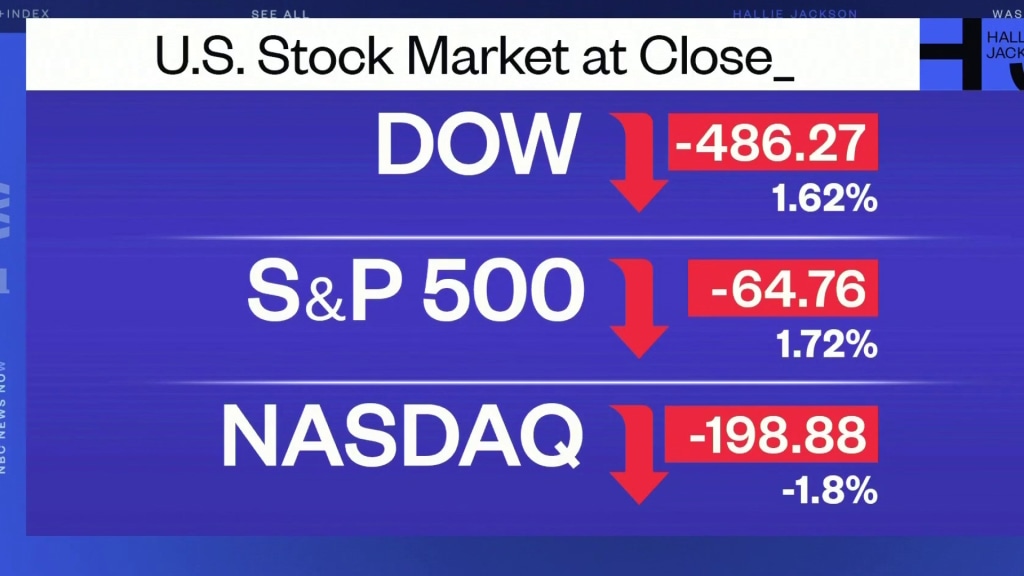
Dissecting the Performance of the 30 Blue-Chip Titans
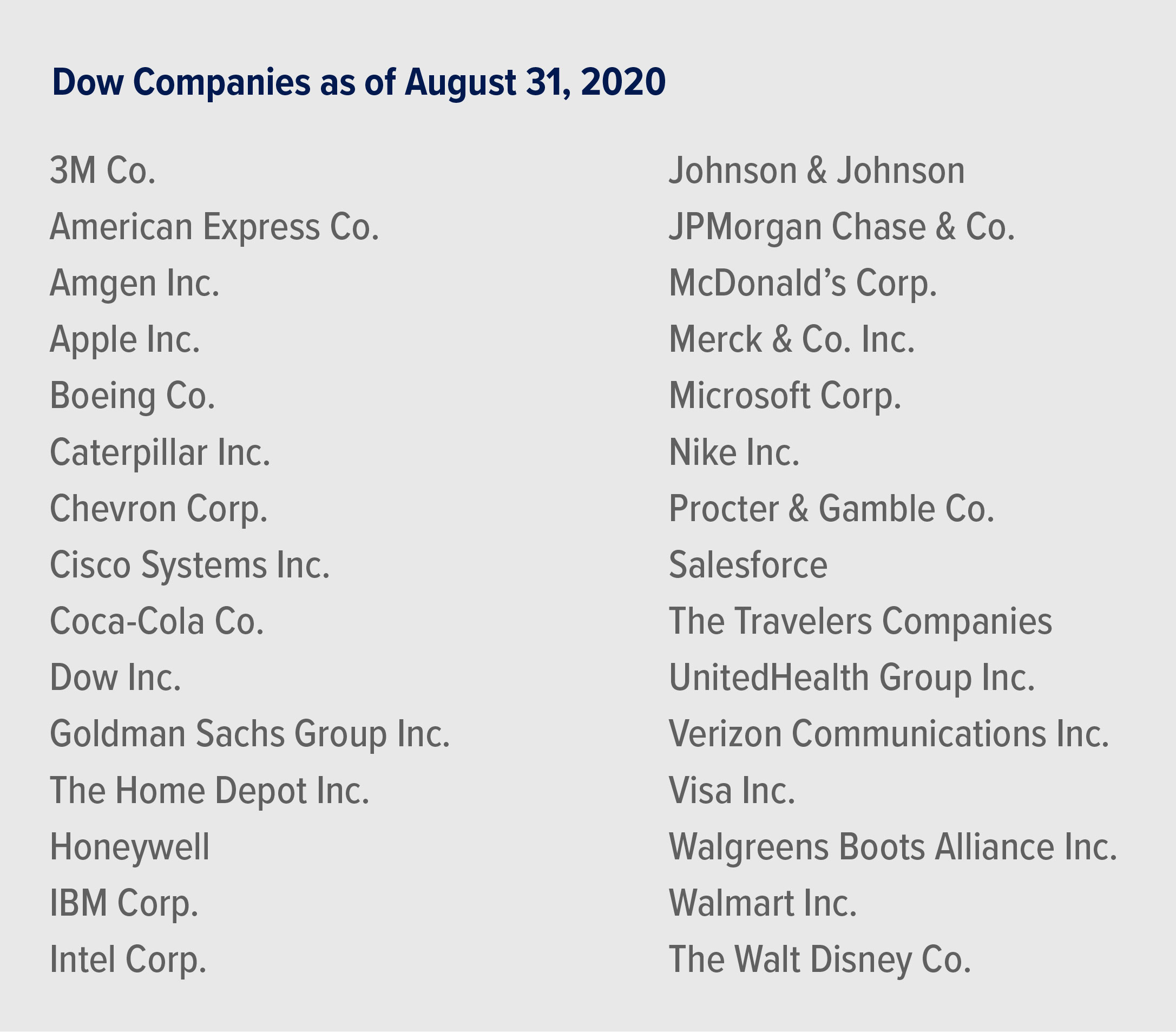
To truly grasp the current state of the Dow, one must look under the hood. The 30 stocks that comprise the index are hand-selected by a committee to represent the broad health of the U.S. economy. This selection is not static; it evolves to reflect the changing nature of American business.
The Shift Toward Technology and Innovation
Historically, the Dow was dominated by railroads, oil, and heavy machinery. Today, technology plays an increasingly vital role. The inclusion of companies like Microsoft and Apple signifies that “industrial” now encompasses software and hardware. The current standing of the Dow is heavily influenced by how these tech leaders are performing. When the tech sector experiences a rally driven by advancements in Artificial Intelligence or cloud computing, the Dow often finds a new floor of support, even if its more traditional components, like oil or manufacturing, are experiencing cyclical downturns.
Defensive vs. Cyclical Performance
The Dow is often seen as a “defensive” index compared to the tech-heavy Nasdaq. In times of market volatility, investors often flock to the “safety” of Dow components—companies with long histories of profitability and reliable dividends. Currently, we are seeing a balancing act between “cyclical” stocks (those that follow the economic cycle, like Boeing or Caterpillar) and “defensive” stocks (those that stay steady regardless of the economy, like Johnson & Johnson or Procter & Gamble). The current level of the Dow tells us whether investors are in a “risk-on” or “risk-off” mood.
Technical Analysis: Where Is the Dow Heading?
From a technical perspective, identifying where the Dow is at involves looking at historical price patterns and key psychological levels. Traders often look at the 20,000, 30,000, and now the 40,000 marks as significant hurdles.
Support and Resistance Levels
Technical analysts monitor “support” levels (prices where the index historically stops falling) and “resistance” levels (prices it struggles to move above). Currently, the Dow is navigating through a period of price discovery. If the index stays above its 200-day moving average, it is generally considered to be in a long-term uptrend. If it dips below, it may signal a period of consolidation or a “bear market” phase. Understanding these levels helps investors decide whether the current price is a “buy the dip” opportunity or a signal to take profits.
Moving Averages and Trend Direction
The 50-day and 200-day moving averages are two of the most scrutinized metrics for the Dow. When the 50-day average crosses above the 200-day average—a phenomenon known as a “Golden Cross”—it is often a bullish signal for the months ahead. Conversely, a “Death Cross” suggests a bearish outlook. Current data suggests that the Dow is maintaining a resilient trend, characterized by periods of rapid growth followed by healthy pullbacks, which prevents the market from becoming overly “frothy” or overextended.
Navigating the Dow for Personal Investment Success
For the individual investor, knowing “where the Dow is at” is only useful if it informs a broader financial strategy. Whether you are focused on retirement planning or active trading, the Dow offers several pathways for participation.
Index Funds vs. Individual Stocks
One of the most common ways to invest in the Dow is through Exchange-Traded Funds (ETFs) that track the index, such as the SPDR Dow Jones Industrial Average ETF Trust (DIA). This allows for instant diversification across all 30 companies. Alternatively, some investors prefer to pick individual “Dogs of the Dow”—a strategy where one invests in the ten highest-yielding stocks in the index at the beginning of each year, betting on a reversal of fortune for undervalued blue chips.
Managing Risk in a Volatile Environment
Despite its reputation for stability, the Dow is not immune to sharp declines. Current events—ranging from geopolitical tensions to sudden shifts in economic data—can cause 1,000-point swings in a single session. Smart money management involves understanding that the Dow is a long-term play. Over decades, the index has consistently trended upward, reflecting the underlying growth of the American economy. For those looking at where the Dow is at now, the key is to avoid emotional reactions to daily fluctuations and focus on the fundamental strength of the 30 companies that drive the index.
In summary, the Dow Jones Industrial Average is currently in a state of evolution. It is balancing the weight of traditional industrialism with the explosive growth of the digital age, all while navigating a complex landscape of interest rates and inflation. By monitoring the Dow, investors gain more than just a number; they gain a comprehensive insight into the current state of American capitalism.
aViewFromTheCave is a participant in the Amazon Services LLC Associates Program, an affiliate advertising program designed to provide a means for sites to earn advertising fees by advertising and linking to Amazon.com. Amazon, the Amazon logo, AmazonSupply, and the AmazonSupply logo are trademarks of Amazon.com, Inc. or its affiliates. As an Amazon Associate we earn affiliate commissions from qualifying purchases.