
In the ever-shifting landscape of the global financial markets, the question of “what stocks are up” is rarely about a single company and more about the underlying themes driving capital allocation. Investors today navigate a complex environment defined by rapid technological advancement, shifting monetary policies, and evolving consumer behaviors. Identifying which stocks are rising requires a dual-lens approach: an understanding of the immediate technical momentum and a deep dive into the fundamental catalysts that sustain long-term growth.
While market leadership rotates, certain sectors consistently emerge as the vanguards of capital appreciation. To understand what is driving the current upward trajectory in the equities market, one must look toward the intersection of innovation, fiscal resilience, and sectoral demand.

Current Market Trends: The Sectors Leading the Rally
The performance of the stock market is often a story of sectoral dominance. When the broader indices like the S&P 500 or the Nasdaq Composite move upward, it is usually because a specific cluster of industries is doing the heavy lifting. Currently, the market is witnessing a concentrated rally fueled by high-conviction themes.
The Continued Dominance of Big Tech and AI
It is impossible to discuss rising stocks without addressing the “AI revolution.” Artificial Intelligence has transitioned from a speculative buzzword to a primary driver of corporate earnings. Companies involved in the semiconductor industry, cloud infrastructure, and enterprise software are seeing unprecedented inflows.
Semiconductor manufacturers are at the heart of this surge. As businesses race to integrate large language models and automated processes, the demand for high-performance computing chips has skyrocketed. This has led to a “gold rush” where the providers of the tools—rather than just the software developers—are reaping the highest rewards. Furthermore, the massive “hyperscalers”—the tech giants providing cloud computing power—continue to see their valuations swell as they post robust growth in their service divisions.
Energy and Utilities: The Defensive Surge
While technology captures the headlines, the energy and utilities sectors often provide a quieter but equally potent upward move. Rising stocks in this category are often driven by two factors: geopolitical instability and the global transition toward sustainable power. Traditional oil and gas companies have benefited from disciplined capital expenditures and steady demand, leading to significant share buybacks and dividend increases that attract value-oriented investors.
Simultaneously, the utility sector is undergoing a transformation. As the demand for electricity grows—driven largely by the power requirements of massive data centers—utilities are being revalued not just as “boring” income stocks, but as essential infrastructure plays in the digital economy.
Healthcare and Biotechnology Innovations
The healthcare sector remains a pillar of growth, particularly within the pharmaceutical and biotechnology niches. The recent explosion in popularity and efficacy of metabolic health treatments and weight-loss drugs has created a new class of “mega-cap” winners. These stocks are up because they represent a breakthrough in a massive, previously underserved global market. Beyond therapeutics, medical device companies that integrate AI for diagnostic purposes are also finding favor with investors looking for high-margin, high-growth opportunities.
Indicators of Upward Momentum: How to Spot Gaining Stocks
Finding stocks that are currently “up” is easy with a simple price tracker; however, identifying which stocks will stay up requires an understanding of momentum indicators. Professional investors use a combination of fundamental and technical analysis to distinguish between a “dead cat bounce” and a genuine breakout.
Earnings Surprises and Guidance Shifts
The most reliable catalyst for a stock to trend upward is a positive earnings surprise coupled with raised forward guidance. When a company reports profits that exceed Wall Street estimates, it validates the business model. However, the “guidance”—what management expects to happen in the next quarter or year—is often more important. Stocks that are up right now are frequently those where the “street” is playing catch-up to management’s optimism.

Technical Breakouts and Moving Averages
From a technical perspective, stocks that are up often exhibit specific price patterns. A “breakout” occurs when a stock price moves above a defined resistance level on high trading volume. Traders often look at moving averages—specifically the 50-day and 200-day simple moving averages—as benchmarks. When a stock’s price stays consistently above these lines, it signals a healthy uptrend.
Relative Strength Index (RSI) is another tool used to gauge momentum. While an RSI over 70 suggests a stock might be “overbought,” in a powerful bull market, stocks can remain in this zone for extended periods as institutional buyers continue to accumulate shares.
Institutional Buying and Volume Analysis
Retail interest can drive a stock for a few days, but sustained upward movement is almost always the result of institutional accumulation. Mutual funds, pension funds, and hedge funds move the market. By analyzing volume, investors can see if a stock’s price increase is backed by “big money.” If a stock is rising on significantly higher-than-average volume, it suggests that large institutions are building positions, providing a floor for the price and momentum for further gains.
Macroeconomic Factors Influencing Today’s Market
No stock exists in a vacuum. The broader economic environment acts as the tide that either lifts or sinks all boats. Understanding why certain stocks are up requires a look at the macroeconomic backdrop, specifically the actions of central banks and the state of the global consumer.
Interest Rates and Federal Reserve Policy
The cost of borrowing is perhaps the single most influential factor in stock valuations. For much of the past decade, low interest rates fueled growth in speculative tech stocks. In the current environment, the market is hyper-focused on the Federal Reserve’s “pivot.” Stocks that are up right now often belong to companies with strong balance sheets that can withstand higher rates, or they are companies that stand to benefit most when rates eventually decline—such as real estate investment trusts (REITs) and small-cap growth firms.
Inflation Trends and Consumer Spending
Inflation dictates consumer purchasing power. Companies that possess “pricing power”—the ability to raise prices without losing customers—are the ones whose stocks are performing well in inflationary environments. This includes luxury goods, essential consumer staples, and dominant tech platforms. As inflation cools, stocks in the discretionary spending category, such as travel, leisure, and high-end retail, often see a resurgence as investors bet on a “soft landing” for the economy.
Geopolitical Impacts on Global Supply Chains
In a globalized economy, a conflict in one region or a trade dispute in another can send specific stocks soaring or crashing. Currently, stocks related to domestic manufacturing, “near-shoring,” and defense are seeing significant upward pressure. As nations prioritize national security and supply chain resilience, the companies that provide aerospace technology, defense systems, and localized logistics are becoming staples of growth portfolios.
Strategies for Trading Stocks on the Rise
For the individual investor, seeing a stock that is “up” can lead to the “Fear of Missing Out” (FOMO). However, successful investing requires a disciplined strategy to enter these positions without overpaying.
Momentum Trading vs. Long-Term Value
There are two primary ways to play stocks that are up. Momentum traders look to “buy high and sell higher.” They ride the wave of positive sentiment, using strict stop-loss orders to protect their capital if the trend reverses. On the other hand, long-term investors look for stocks that are up because of a fundamental shift in their industry. These investors are less concerned with daily price fluctuations and more focused on the company’s ability to dominate its market over the next five to ten years.
The Importance of Risk Management and Stop-Losses
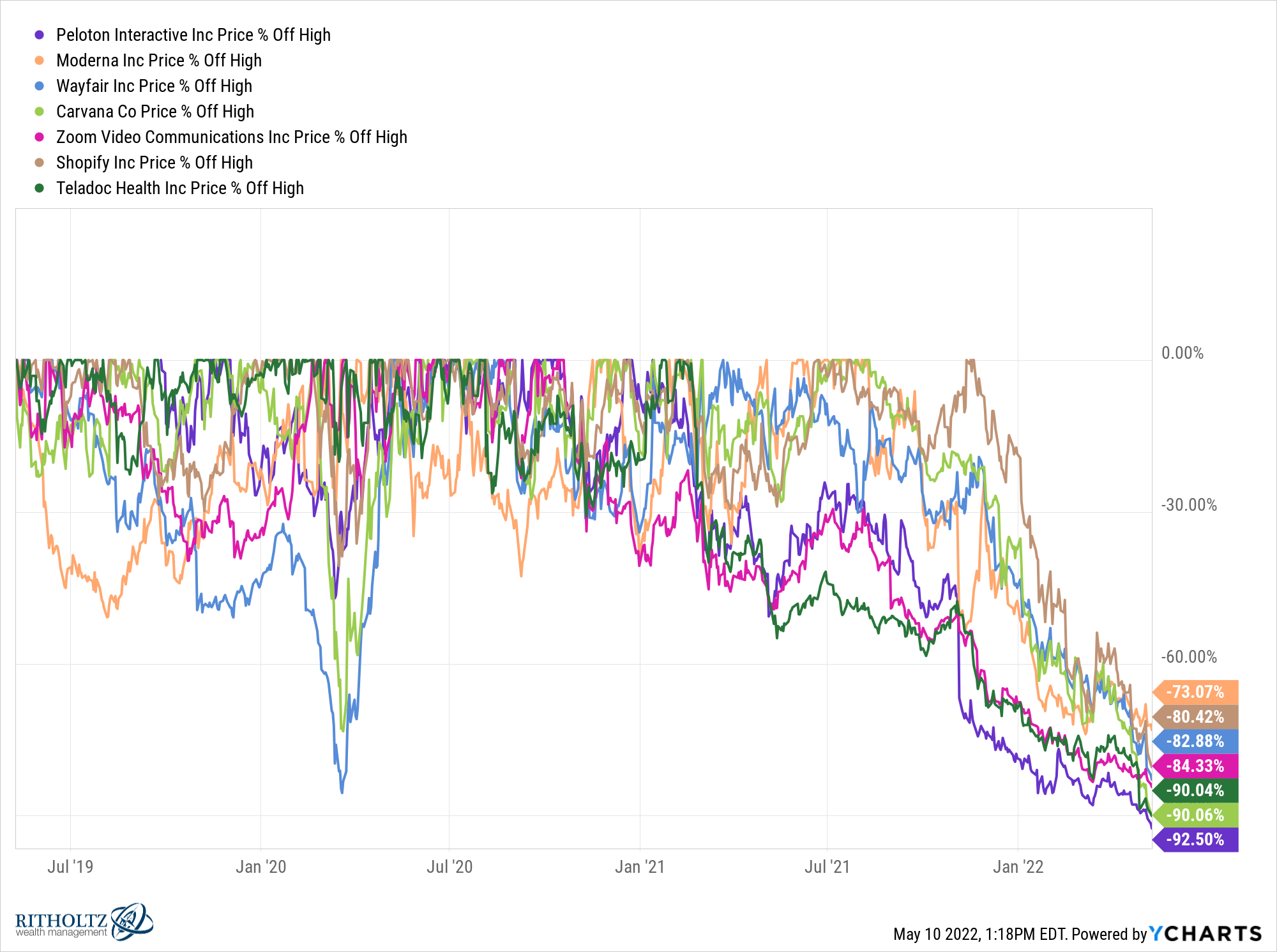
The danger of buying stocks that are already up is the potential for a “pullback.” No stock moves in a straight line forever. Diversification remains the best defense against volatility. Even if a particular sector like AI is booming, putting 100% of a portfolio into a single rising stock is a high-risk gamble. Using trailing stop-losses—orders that sell a stock if it drops by a certain percentage from its peak—allows investors to stay in a winning trade while locking in profits.
Utilizing Stock Screeners and Heat Maps
To stay updated on what stocks are up in real-time, investors utilize digital tools like stock screeners and heat maps. Screeners allow users to filter the market by percentage gain, volume, sector, and fundamental metrics like Price-to-Earnings (P/E) ratios. Heat maps provide a visual representation of market performance, making it easy to see at a glance which sectors are “green” (up) and which are “red” (down). By mastering these tools, an investor can move from being a passive observer to an active participant in the market’s most lucrative trends.
The stock market is a forward-looking mechanism. The stocks that are up right now reflect the market’s collective belief about the future of the economy. Whether it is the transformative power of AI, the necessity of energy infrastructure, or the resilience of the global consumer, the winners of today provide a roadmap for the wealth creation of tomorrow. By focusing on high-quality companies with proven momentum and solid fundamentals, investors can position themselves to benefit from the market’s ongoing evolution.
aViewFromTheCave is a participant in the Amazon Services LLC Associates Program, an affiliate advertising program designed to provide a means for sites to earn advertising fees by advertising and linking to Amazon.com. Amazon, the Amazon logo, AmazonSupply, and the AmazonSupply logo are trademarks of Amazon.com, Inc. or its affiliates. As an Amazon Associate we earn affiliate commissions from qualifying purchases.