
The SPDR S&P 500 ETF Trust, famously known by its ticker symbol “SPY,” is more than just a financial instrument; it is the heartbeat of the modern stock market. As the first exchange-traded fund listed in the United States, launching in 1993, it has grown to become the most liquid and widely traded ETF in the world. For investors ranging from retail beginners to institutional hedge fund managers, the question of what stocks are in SPY is fundamental to understanding the health of the American economy.

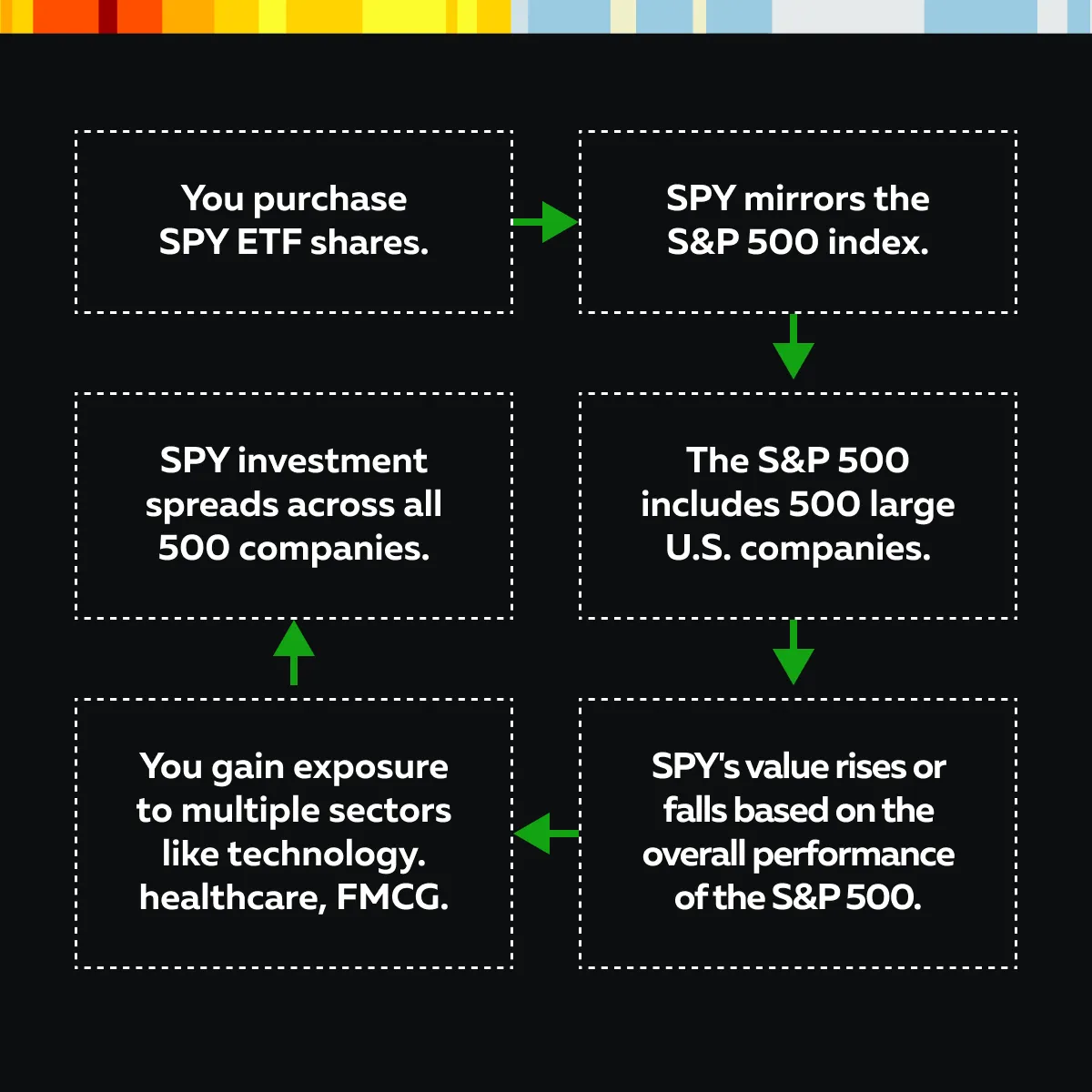
To understand what is inside SPY, one must first understand its parent index: the S&P 500. This index tracks 500 of the largest, most successful publicly traded companies in the United States. Because SPY is designed to mirror this index almost perfectly, its holdings represent the diversified strength of the U.S. corporate landscape. However, SPY is not an equal-weighted fund. It is a market-capitalization-weighted ETF, meaning that the larger a company’s total market value, the more influence it has over the fund’s performance.
The Titans of the Index: Examining the Top Holdings
The most significant portion of SPY is concentrated in a handful of corporate giants. Often referred to in recent years as the “Magnificent Seven” or the “Tech Titans,” these companies dictate the direction of the index. Because SPY is market-cap weighted, these top holdings often account for nearly 30% of the total value of the fund.
The Technology Leaders
At the pinnacle of SPY are the world’s most valuable technology companies. Apple (AAPL) and Microsoft (MSFT) have historically vied for the top spot, each representing a massive percentage of the fund. Microsoft’s dominance in enterprise software and cloud computing (Azure) and Apple’s hardware ecosystem make them foundational pillars of the ETF.
Joining them is NVIDIA (NVDA), which has seen a meteoric rise due to the explosion of generative AI and the demand for high-performance GPUs. NVIDIA’s inclusion and subsequent climb to the top of the SPY holdings list illustrate how the fund evolves to reflect current technological shifts.
The Digital Consumer Powerhouses
Alphabet (GOOGL/GOOG) and Meta Platforms (META) represent the advertising and social media engine of the index. As the parent companies of Google and Facebook/Instagram, respectively, they capture the lion’s share of global digital marketing spend. Amazon (AMZN) also holds a top position, representing a hybrid of consumer discretionary spending through its e-commerce platform and high-margin technology through Amazon Web Services (AWS).
The Non-Tech Giants
While technology dominates the headlines, SPY also includes massive entities from other sectors. Berkshire Hathaway (BRK.B), led by Warren Buffett, provides the fund with exposure to insurance, railroads, and energy. Eli Lilly (LLY) and UnitedHealth Group (UNH) represent the healthcare sector, reflecting the immense economic weight of pharmaceutical innovation and health insurance in the United States.
Sector Distribution: A Diversified Economic Map
To truly answer what stocks are in SPY, we must look beyond individual names and examine the sectors. The S&P 500 is categorized into 11 Global Industry Classification Standard (GICS) sectors. While the individual companies may change, the sector breakdown reveals where the American economy is allocating its capital.
Information Technology and Communication Services
This is the largest segment of SPY, often hovering around 30% of the total weight. It includes software, hardware, and semiconductor companies. Closely related is the Communication Services sector, which includes internet media and telecommunications. Together, these sectors ensure that SPY is heavily tilted toward the digital economy.
Financials and Healthcare
The Financial sector, including behemoths like JPMorgan Chase (JPM), Visa (V), and Mastercard (MA), typically represents the second or third largest slice of the pie. These companies are the backbone of global transactions and banking. Healthcare follows closely, offering a “defensive” element to the fund. Since people require medical care regardless of the economic climate, holdings like Johnson & Johnson (JNJ) provide a layer of stability during market volatility.
Consumer Discretionary vs. Consumer Staples
SPY balances the things we want with the things we need. The Consumer Discretionary sector includes companies like Tesla (TSLA) and McDonald’s (MCD), which thrive when consumers have extra cash. Conversely, Consumer Staples include the “must-haves,” such as Procter & Gamble (PG) and Costco (COST). This balance allows SPY to capture growth during booms while maintaining some resilience during recessions.
Industrials, Energy, and Others
The remaining weight of SPY is distributed across Industrials (GE, Caterpillar), Energy (ExxonMobil, Chevron), Utilities, Real Estate, and Basic Materials. Though these sectors represent smaller percentages, they are vital for diversification. For example, when tech stocks underperform due to rising interest rates, the Energy or Industrial sectors often see increased interest, helping to hedge the fund’s overall performance.
The Gatekeepers: How Stocks Join and Leave SPY
A common misconception is that the 500 largest companies are automatically included in SPY. In reality, the S&P 500 is a “curated” index managed by the S&P Dow Jones Indices Index Committee. This committee follows strict eligibility criteria, ensuring that only the highest-quality companies represent the benchmark.
Eligibility Requirements
To be considered for inclusion in SPY, a company must be a U.S. corporation and meet specific market capitalization thresholds. As of 2024, a company generally needs a market cap of at least $15.8 billion. However, size is not the only factor. The company must also be highly liquid, meaning its shares are easily traded, and a majority of its shares must be available to the public (public float).
The Profitability Factor
One of the most significant rules for entering SPY is the “earnings” requirement. A company must report positive earnings over the most recent quarter, and the sum of its earnings over the previous four quarters must also be positive. This rule prevents speculative, money-losing companies from entering the index, even if their market valuation is high. This is famously why Tesla (TSLA) took years to be added to the index despite its massive valuation; it had to prove sustained profitability first.
Rebalancing and Reconstitution
The list of stocks in SPY is not static. The index is rebalanced quarterly (in March, June, September, and December). During these times, the committee may remove companies that have shrunk in value or no longer meet the criteria and replace them with rising stars. This ensures that SPY always represents the current leaders of the market, effectively “cutting the losers and letting the winners run.”
Why the Composition of SPY Matters for Your Portfolio
For an investor, knowing what stocks are in SPY is crucial for risk management and strategic planning. Because the fund is so heavily weighted toward the top 10 companies, an investor in SPY is essentially making a large bet on the continued success of Big Tech.
The Power of Diversification
Despite its concentration at the top, SPY remains one of the most effective tools for instant diversification. By buying a single share of SPY, an investor owns a tiny piece of 500 different businesses across every major industry. This diversification protects the investor from the total failure of any single company. If one small company in the index goes bankrupt, it has a negligible impact on the overall value of the fund.
Cost Efficiency and Liquidity
Because the stocks in SPY are the most heavily traded in the world, the ETF boasts incredibly high liquidity. This means investors can buy or sell millions of dollars worth of the fund in seconds with minimal “spread” costs. Additionally, SPY is known for its low expense ratio (0.094%). Compared to actively managed mutual funds that may charge 1% or more, SPY allows investors to keep a larger portion of their market returns.
The Passive vs. Active Debate
The makeup of SPY is a testament to the success of passive investing. Over long periods, the vast majority of active fund managers fail to beat the performance of the S&P 500. By holding the 500 stocks in SPY, investors are essentially “owning the market” rather than trying to outsmart it. The fund’s inclusion of only profitable, large-cap companies acts as a natural quality filter that has historically rewarded long-term holders.
In summary, the stocks in SPY represent the pinnacle of American enterprise. From the cloud computing dominance of Microsoft to the consumer reach of Coca-Cola, SPY provides a comprehensive snapshot of corporate success. While its heavy tech weighting introduces some volatility, its strict entry requirements and quarterly rebalancing ensure that it remains the definitive benchmark for the “Money” category of investing. Whether you are building a retirement nest egg or seeking a liquid tool for short-term trading, understanding the 500 components of SPY is the first step toward mastering the art of the stock market.
aViewFromTheCave is a participant in the Amazon Services LLC Associates Program, an affiliate advertising program designed to provide a means for sites to earn advertising fees by advertising and linking to Amazon.com. Amazon, the Amazon logo, AmazonSupply, and the AmazonSupply logo are trademarks of Amazon.com, Inc. or its affiliates. As an Amazon Associate we earn affiliate commissions from qualifying purchases.